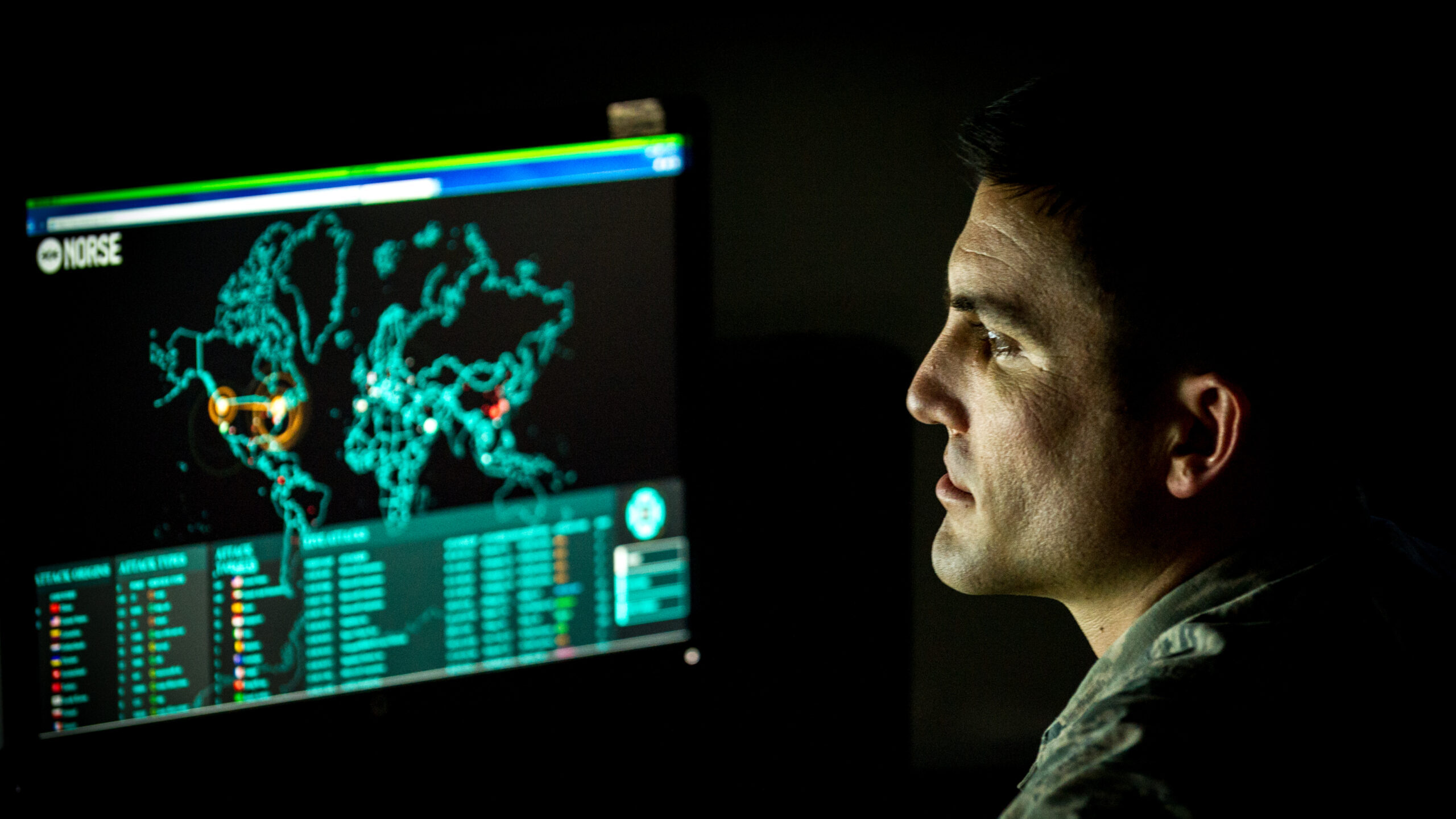
CMMC 2.0 and the possibility of a cyber service: 2025 preview
2025 may be a telling year for the fate of the Pentagon's new CMMC 2.0 program.
2025 may be a telling year for the fate of the Pentagon's new CMMC 2.0 program.

Even for a political party that campaigns on cutting regulations, Pentagon and industry figures say the next Republican administration will likely weigh security over deregulation.


GA-ASI will build Gambit aircraft in Europe, partnered with European-based companies, with airframes available for international procurement starting in 2027.

CMMC 2.0 introduced a third-party assessment dependent on contractor's CUI capacity.

"We have a really a kind of crisis of cybersecurity or lack of within the defense industrial base," CyberSheath CEO Eric Noonan told Breaking Defense.

The new proposal includes new requirements for contracting officers, ensuring that parties bidding on Pentagon contracts are properly protecting sensitive information.
In this op-ed, William Greenwalt of the American Enterprise Institute lays out reasons why the DoD and Congress should move away from CMMC 2.0.


These are the five root causes that account for most of the delay in cognitive operations staffing.
“We are moving forward, we're hoping by the first quarter of calendar year [2025] we'll be able to start enforcing this and putting this in contracts," Dave McKeown, Deputy CIO for the DoD, said.
At its most basic level, under CMMC 2.0, defense contractors and subcontractors that have access to controlled unclassified information (CUI) will be required to demonstrate the “maturity” of their cybersecurity programs against a set of increasingly advanced capabilities.