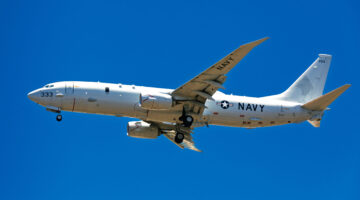
Singapore cleared to buy four P-8A Poseidons for $2.3 billion
Should the deal go through, the P-8As will replace five Fokker 50 maritime patrol aircraft currently operated by the Republic of Singapore Air Force.
Should the deal go through, the P-8As will replace five Fokker 50 maritime patrol aircraft currently operated by the Republic of Singapore Air Force.
Defense Secretary Pete Hegseth is planning a Nov. 7 speech to roll out the Trump administration’s plans to change the defense acquisition system.

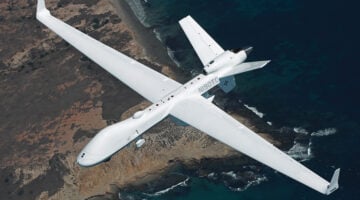
The MQ-9B and Gambit Series represent parallel capabilities that address global challenges for security head-on.

The sale would cover up to 400 copies of the Advanced Medium Range Air-to-Air Missile produced by defense giant RTX, which the Defense Security Cooperation Agency says will “provid[e] increased air-to-air capability for the German F-35 program” and other NATO requirements.

The US says the potential deal would aid Ireland's security and support its participation in international peacekeeping missions.
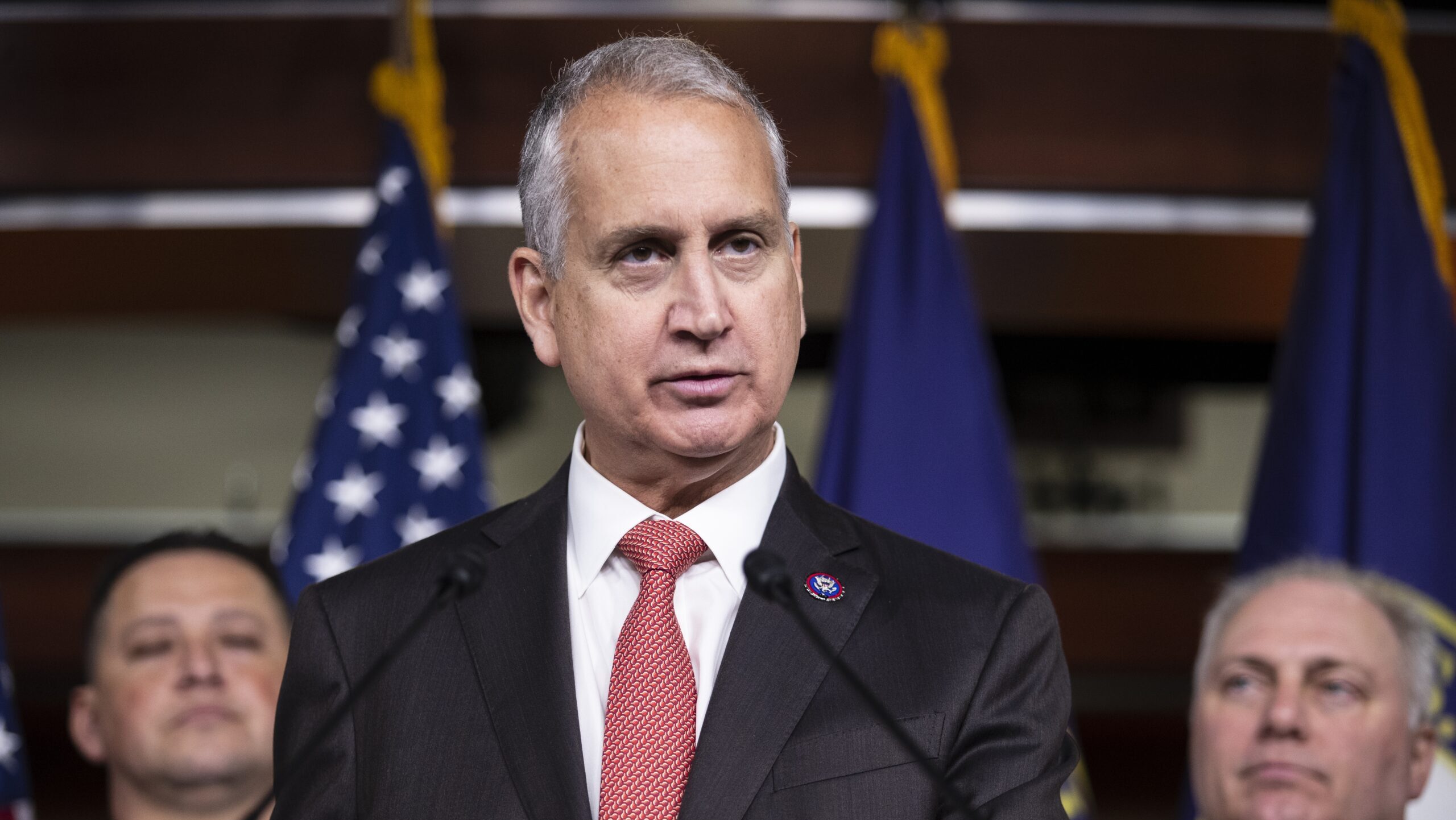
In a sit down with Breaking Defense, Rep. Mario Diaz-Balart discussed getting the FY25 budget sorted, giving the Pentagon more flexibility, and reforming foreign aid.

In addition, the State Department announced three other Foreign Military Sales approvals, for the Netherlands, Finland and Australia.


As global navies adapt to evolving underwater threats, ASELSAN’s integrated sonar, countermeasure, and sonobuoy solutions offer a scalable, future-ready approach.
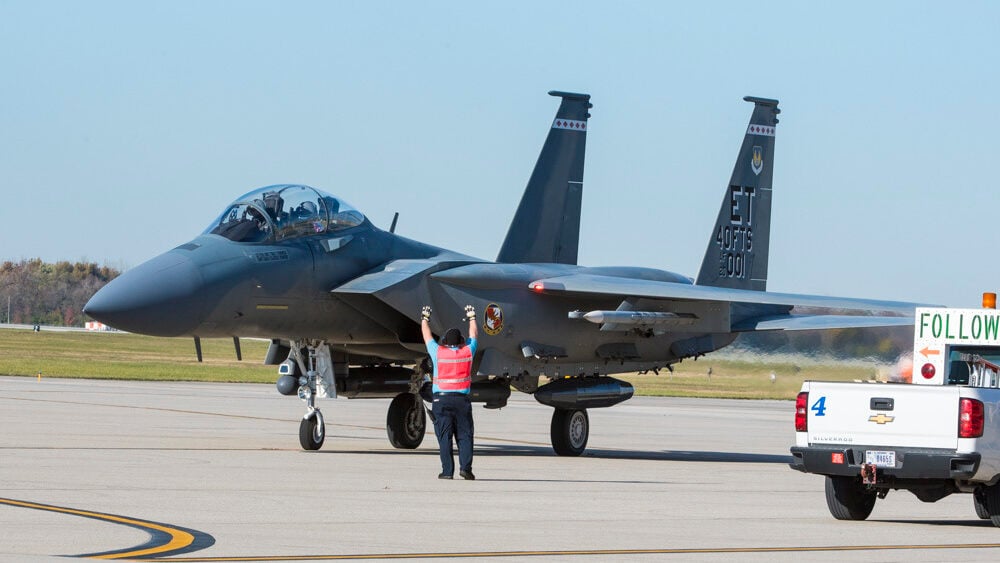
The sale was approved by the Biden administration against the backdrop of the ongoing conflict in Gaza, and moved only after two key Democrats removed objections.

The potential deal includes support for US-made aircraft like C-130 transport planes, E-3 surveillance aircraft and Bell helicopters.
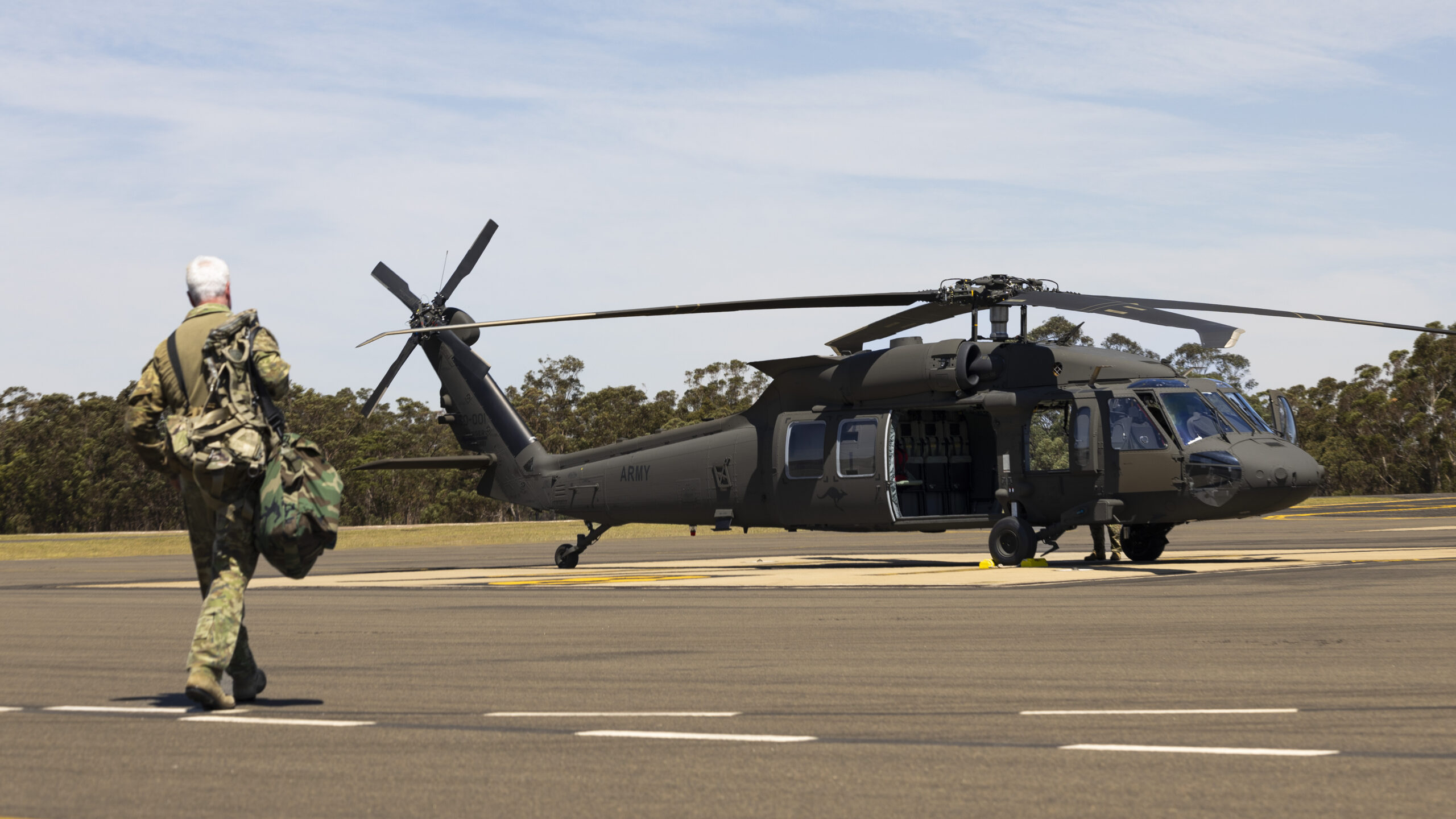
Combined, the two potential sales come with a price tag of $1.9 billion.
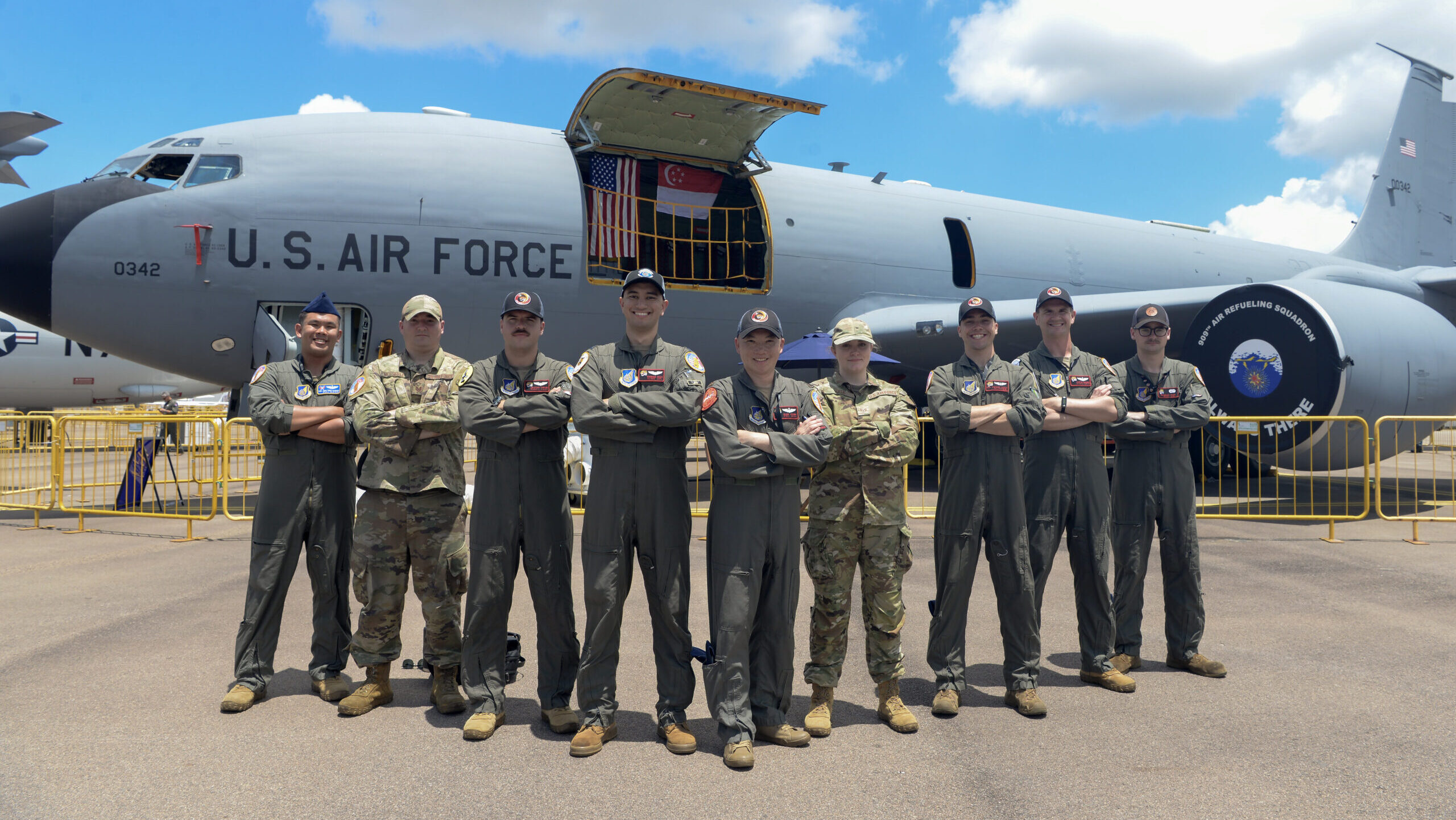
Partners are "looking for clear answers in a reasonable time,” DSCA Deputy Director Michael Miller told Breaking Defense.

Balancing security and access to data are critical to providing users with trustworthy, reliable data for real-time decisions.
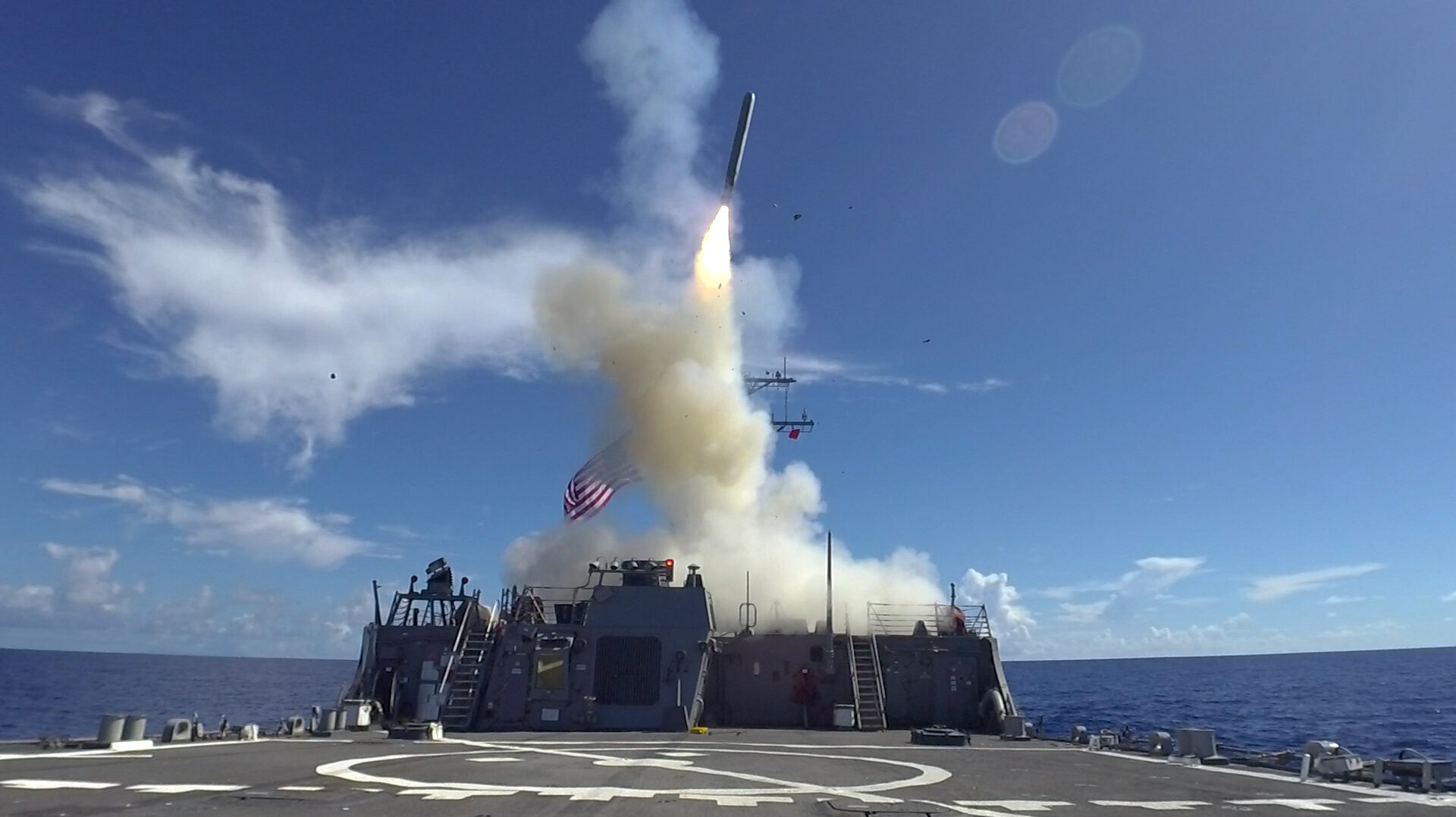
The announced potential sale to Tokyo comes days after Defense Secretary Lloyd Austin met military leaders in the Indo-Pacific.
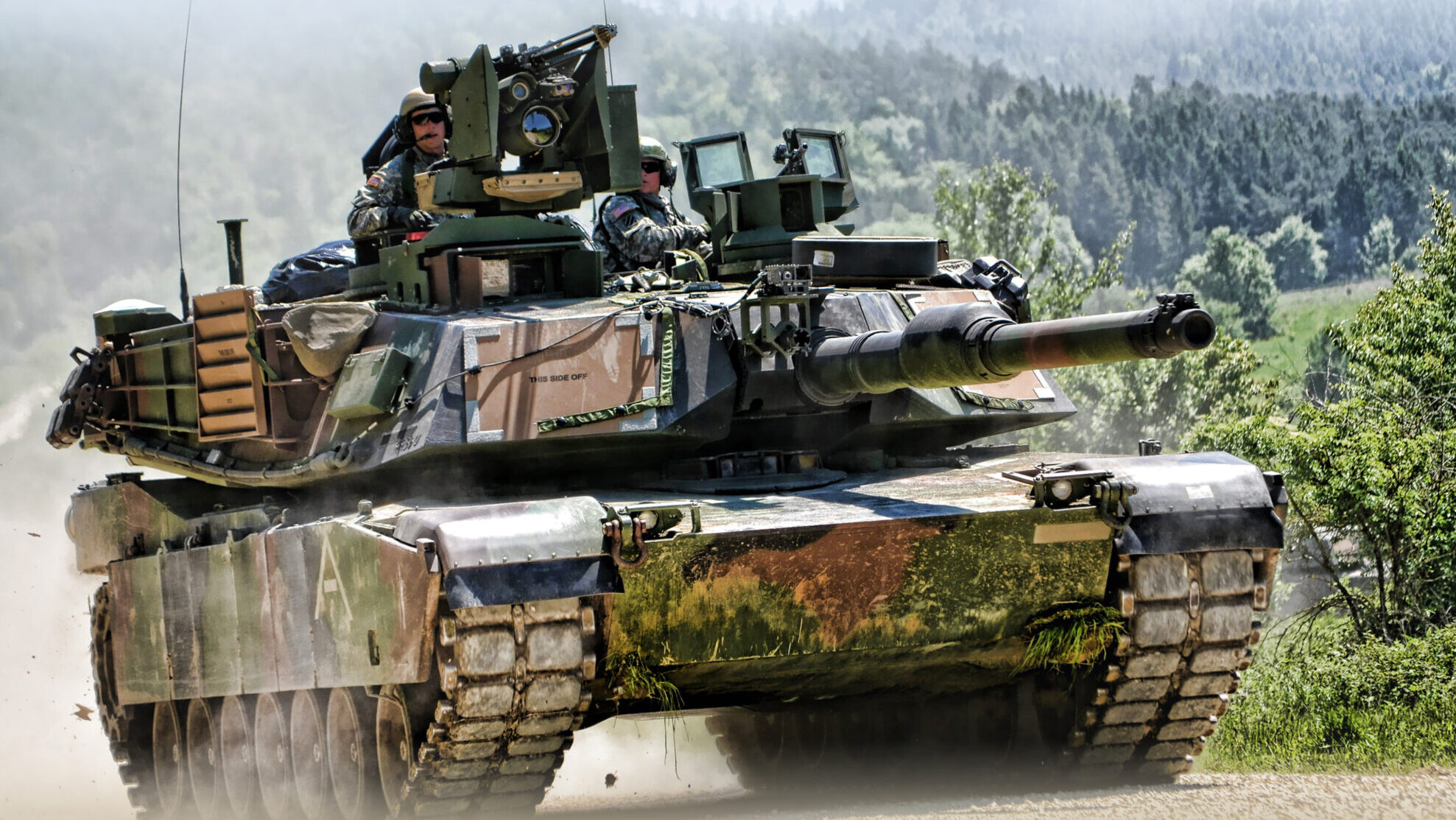
Romania hopes to buy 54 M1A2 SEPv3 Abrams Main Battle Tanks through the Foreign Military Sales process.

The largest package announced today involves the UK buying 3,000 AGM-179A Joint Air-to-Ground missiles for an estimated $957.4 million.

Army undersecretary Gabe Camarillo on Tuesday declared 2024 the “year of Army security cooperation."