
Following congressional rebuke, Air Force awards E-7 contracts
The new awards procure an undisclosed number of developmental aircraft and address diminishing manufacturing sources for the plane’s radar.
The new awards procure an undisclosed number of developmental aircraft and address diminishing manufacturing sources for the plane’s radar.

Gen. Chance Saltzman, Space Force chief, said the work already done to design a satellite system for tracking ground targets should also help speed AMTI capabilities to orbit.


The Network Tactical Common Data Link system enables secure comms and ISR for carrier strike groups and their air and naval assets.
"I would say that we are at the point now where the technology has matured and it's commoditized, so that radar based AMTI from space is feasible," outgoing SDA Director Derek Tournear told Breaking Defense in an exclusive interview.

Lt. Gen. DeAnna Burt, the Space Force’s deputy chief of space operations for operations, cyber and nuclear, also said the service expects to complete an analysis of alternatives by this fall for a separate but related effort to track airborne targets from the heavens.

Space-based capabilities could put current aerial tracking platforms in question, but top military brass have argued for options "from whatever domain or platform or system that comes [in]."
A request for information released by the service raises the possibility of integrating new upgrades on a platform “equivalent” to the E-7, though it’s not clear what that could be.

Do more with less: streamline workflows, reduce duplication, invest upfront to save long-term.
One of the key challenges for tracking enemy aircraft from space is that airplanes and drones move much faster than tanks, trucks and ships; confounded by the fact that satellites themselves also move around the Earth extremely fast.
The hefty pricetag comes in part due to the need to integrate US-specific requirements on planes already flown by American allies, the company and the Air Force have said.

The potential deal includes support for US-made aircraft like C-130 transport planes, E-3 surveillance aircraft and Bell helicopters.

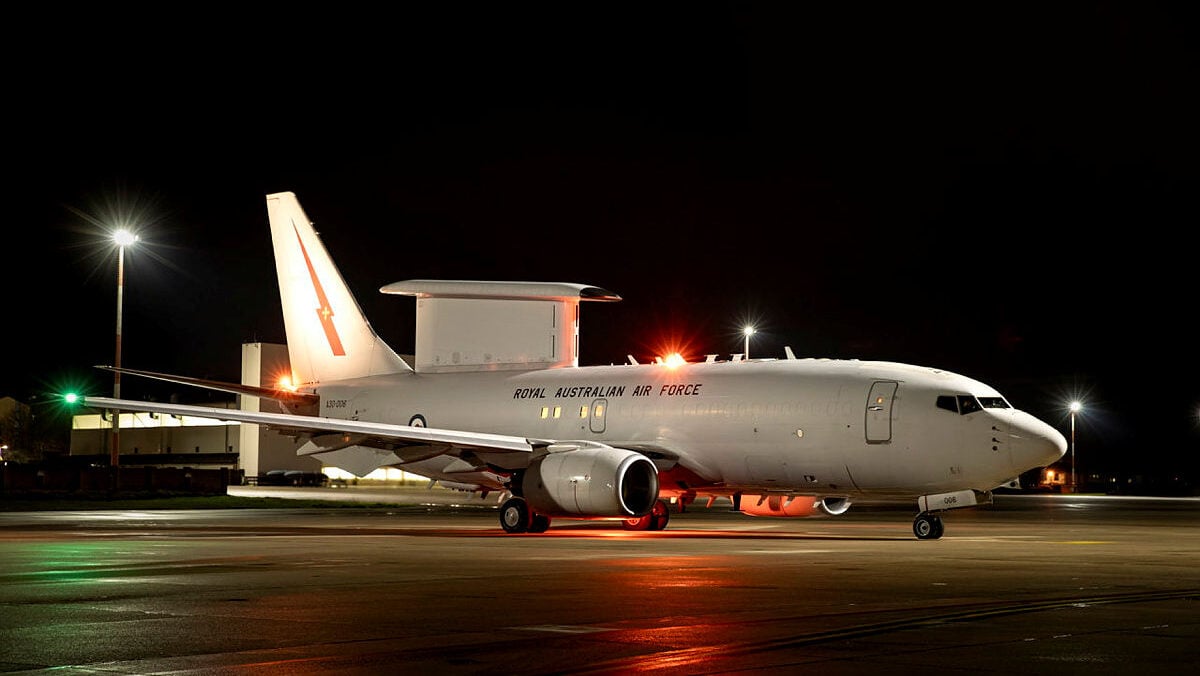
Production of an E-7A Wedgetail aircraft has also slipped by a year, according to Air Force Secretary Frank Kendall.


On today’s battlefield, mobility isn’t optional - it’s mission-critical.

As Breaking Defense toured Boeing's Seattle area facilities where the E-7 radar plane will take shape, company officials talked about getting the bird in the air — and their vision for what it can do.
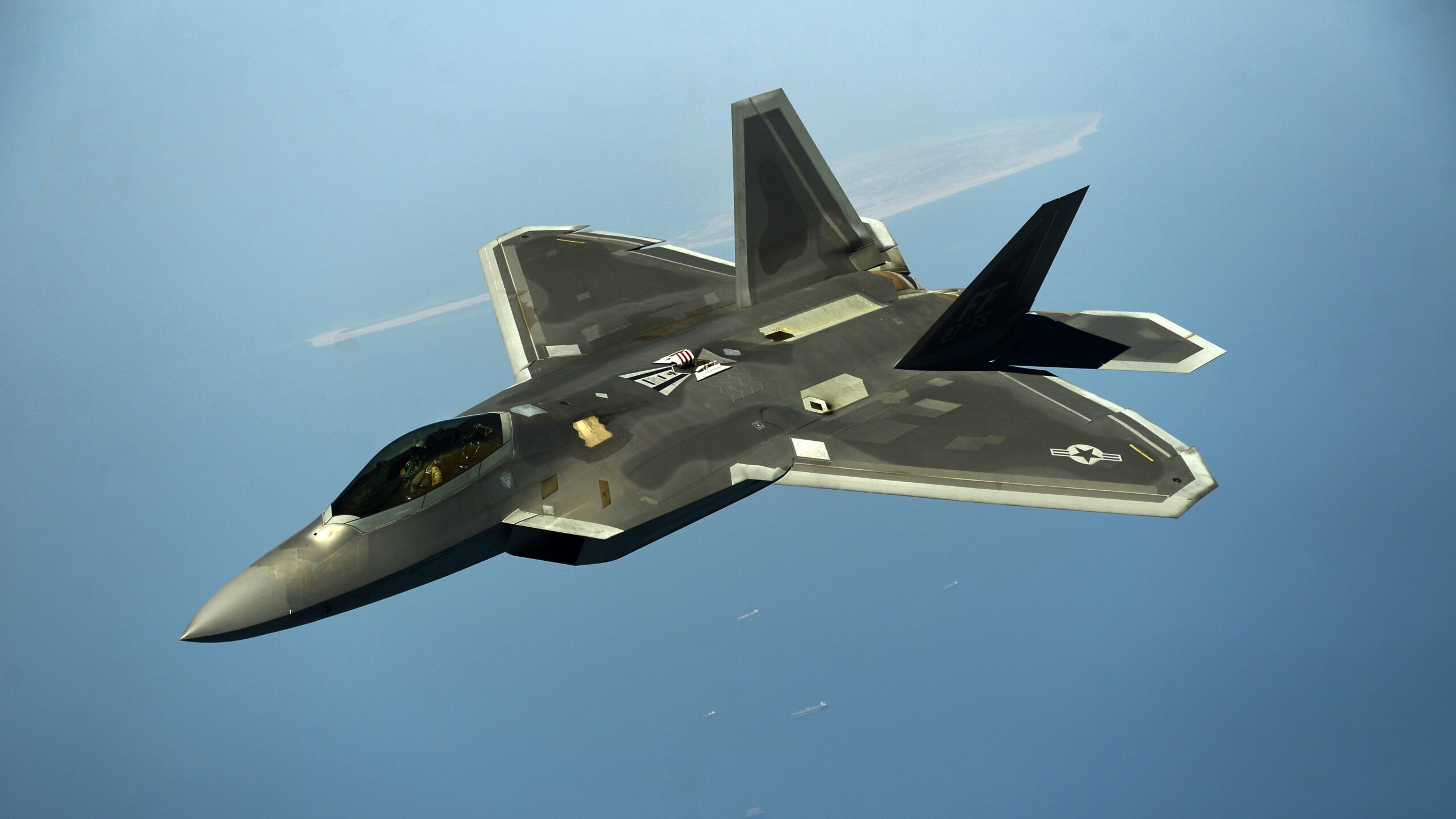
Rejected by Congress in fiscal 2023, Air Force Secretary Frank Kendall said the service’s second go at retiring older F-22s stands a much better chance of surviving the upcoming round of budget negotiations.


Through its open systems architecture and agile software development, the E-7 provides rapid, affordable capability growth to remain a critical asset as threats evolve.

The AFSC capability program aims to define “a new generation of surveillance and control capabilities” underpinned by a systems of systems architecture approach, intended to integrate “multiple capabilities and platforms” for future multidomain operations, according to the RfI.