
Pentagon awards Pratt $1.3 billion to continue work on F-35 engine upgrade
The Engine Core Upgrade cleared a preliminary design review in July.
The Engine Core Upgrade cleared a preliminary design review in July.

The competition sets up a showdown between incumbent supplier Honeywell Aerospace and competitor Collins Aerospace.


On today’s battlefield, mobility isn’t optional - it’s mission-critical.

The Engine Core Upgrade program is “on track” to field “as early as 2029,” according to Pratt & Whitney.

“Now that we understand that 80 kilowatts is a must-have, it was the mission of: how do we get there, with the lowest impact to the overall airframe?” Honeywell Aerospace’s Matt Milas told Breaking Defense in an exclusive interview.
“Like all programs, the continuing resolution has the potential to have an impact. We have not worked through all the details if we had a sequestration scenario,” Pratt & Whitney's Jennifer Latka said about a stalled budget on Capitol Hill. “What I know now is that our schedule is on track, that we have identified funding to continue, and that’s not to say that that situation cannot change.”

In a tour of Collins Aerospace's facilities, executives said their new thermal management solution for the F-35 achieved a key benchmark, though the Pentagon hasn't yet decided on a competition at all.


Partnerships with outside industry are a cornerstone of the kingdom’s ambitious growth strategy.

A wide-ranging hearing on the F-35 revealed new details on the aircraft’s current operations, as well as its developmental struggles, including its beleaguered TR-3 upgrade.

A Honeywell Aerospace executive suggested Pratt & Whitney is improperly coordinating with fellow RTX subsidiary Collins Aerospace on modernization efforts for the F-35, but a Pratt VP denied the charge.
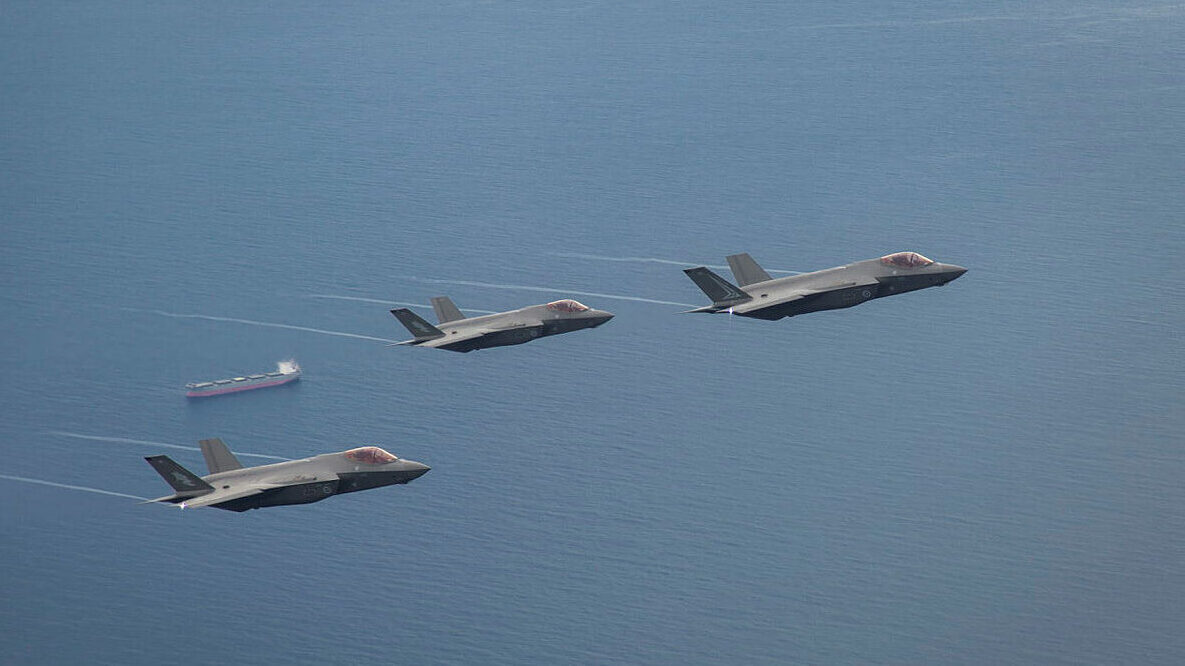
House appropriators do give money to the AETP program in their draft of fiscal 2024's defense appropriations bill, but another lawmaker says that it's just a "backup" and for research purposes.

In a high-profile public spat with little precedence between the airframe and engine giants, Pratt & Whitney executives are formally accusing Lockheed Martin of prioritizing its own bottom line by seeking an adaptive engine solution for the Joint Strike Fighter.

Share your insight in a 10-minute survey—$10 donated to Homes For Our Troops for every response.

“I’m going to advocate, and I do advocate, for [the Adaptive Engine Transition Program, or AETP],” said Lockheed Martin aeronautics chief Greg Ulmer, who labeled “some” current approaches to the fighter's engine modernization as “short-sighted.”
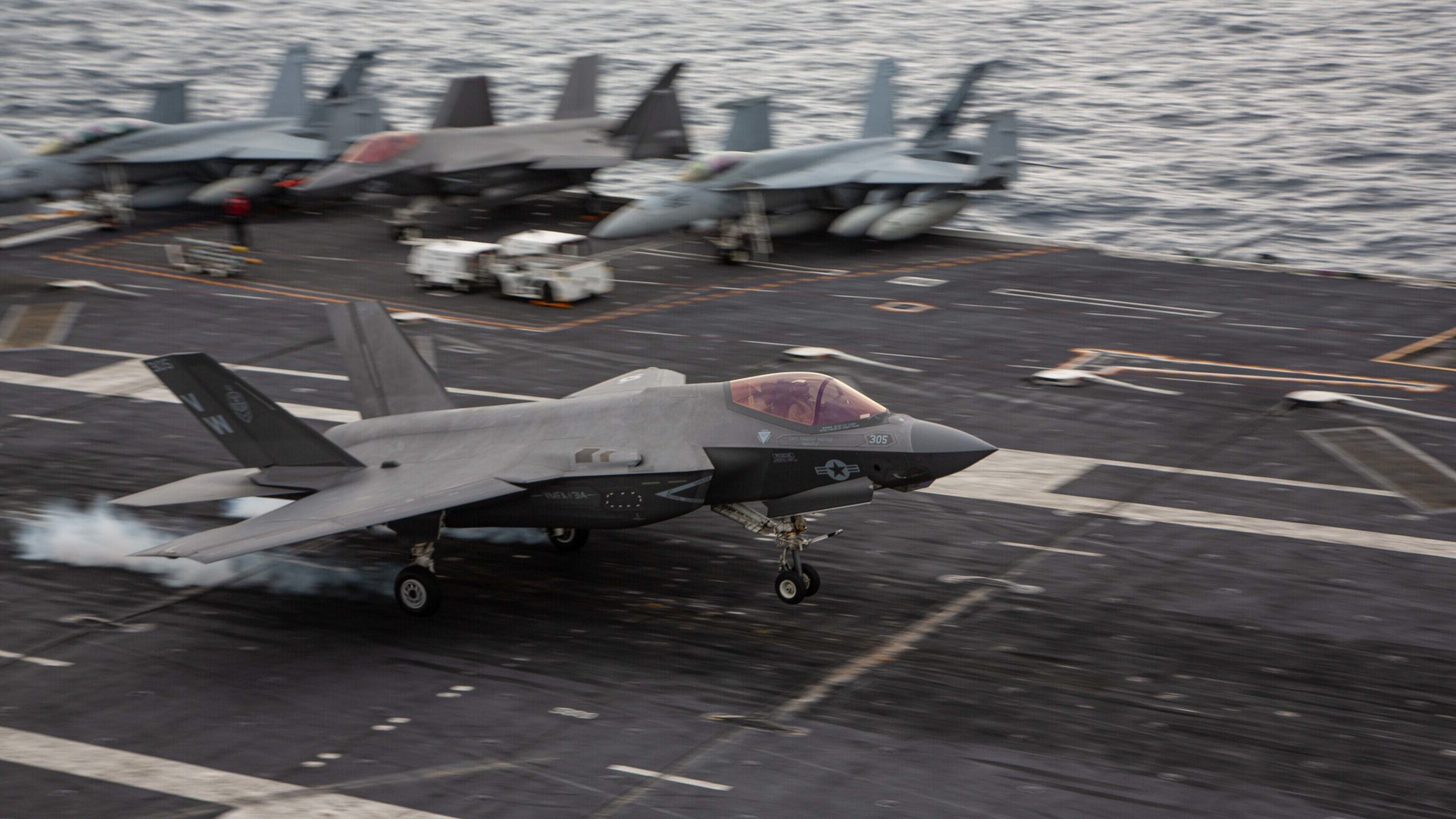
Cooling needs for the Joint Strike Fighter have taxed the F-35’s engine beyond its design specifications, prompting a need for separate upgrades to its powerplant and cooling system that Raytheon sees as an opening.
In an interview with Breaking Defense, chairman of the House Armed Services Tactical Air and Land Forces subcommittee Rep. Rob Wittman explains the committee’s thinking behind keeping AETP going, as well as the reason for slashing funds from NGAD.
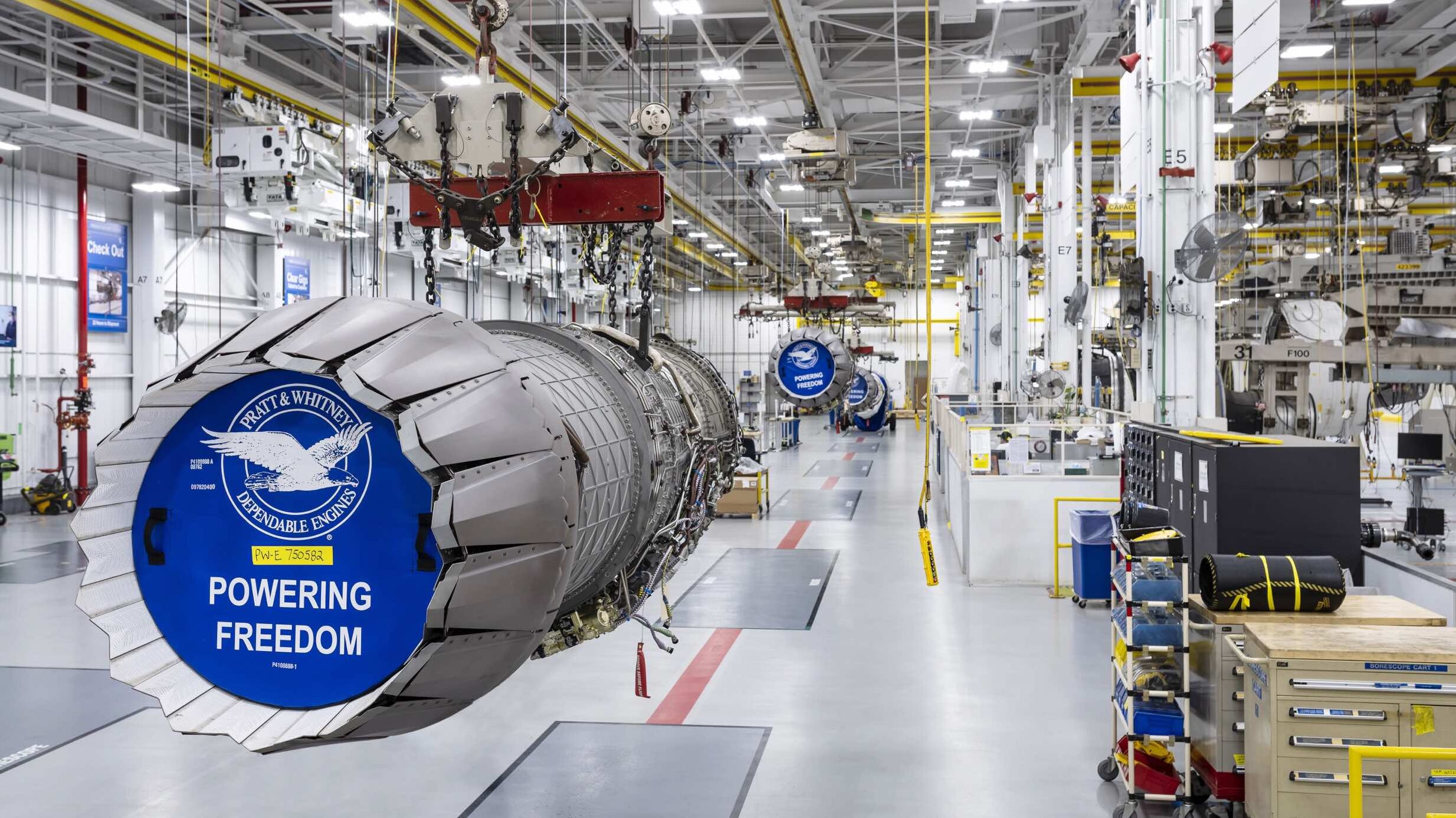
“We did the AETP line to keep that technology going as we head into sixth-generation aircraft that the Air Force and Navy are hoping to field in the 2030s,” a senior congressional aide said of the decision to seek continued funding for AETP.