
Getting perspective on the reality of AI and quantum in defense
In a new eBook, Breaking Defense examines AI and quantum technology for defense and how - or if- these technologies will actually help the Pentagon.
In a new eBook, Breaking Defense examines AI and quantum technology for defense and how - or if- these technologies will actually help the Pentagon.

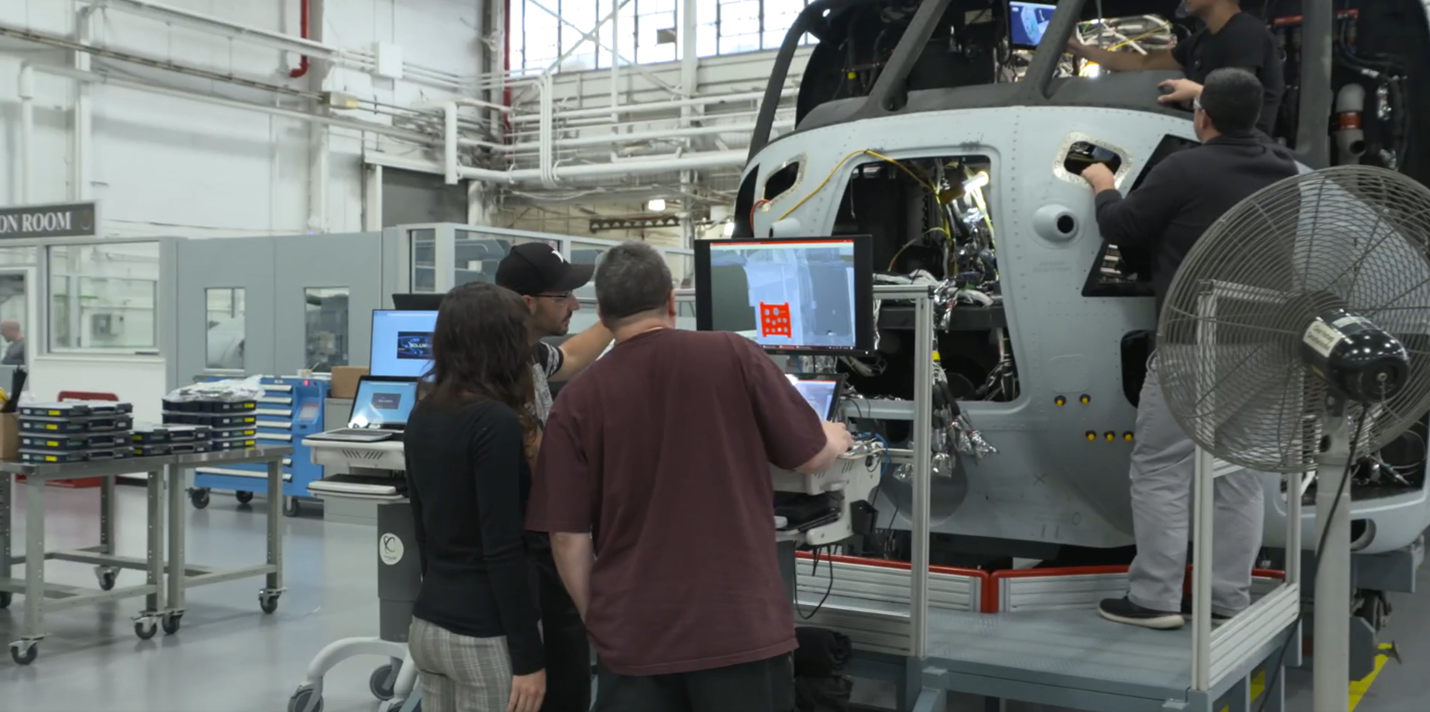
Closing supply chain gaps in innovating technology will reposition the industrial base to be a strategic source of value.

Innovative, interoperable capabilities networked seamlessly across all domains will be required to maintain the edge and deter future conflict.

With the Robotic Combat Vehicle Light set to enter service in 2028, young soldiers are providing vital feedback on prototypes, tactics and user-friendly interfaces.

New “quantum resistant” encryption standards won’t be finalized until next year, but officials and experts say agencies and industry should start hunting vulnerabilities hidden in their software and hardware, including embedded chips critical to US weapons.

Training artificial intelligence on military-specific doctrine and intelligence to come up with operational plans is an "active area of experimentation right now," according to a Special Competitive Studies Project analyst.
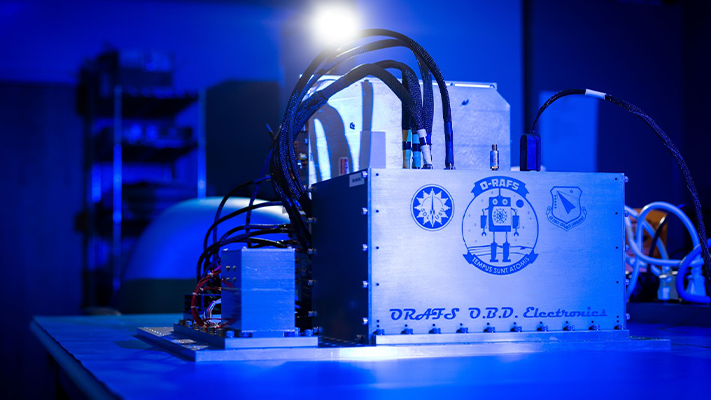
Within five to 10 years, clocks “a million times” more precise than GPS could improve accuracy, communications, and electronic warfare – without relying on an easily jammed satellite signal.

Combat is too complicated and chaotic for existing AI to analyze, and DARPA is trying to figure out the best way to combine algorithms with human expertise.