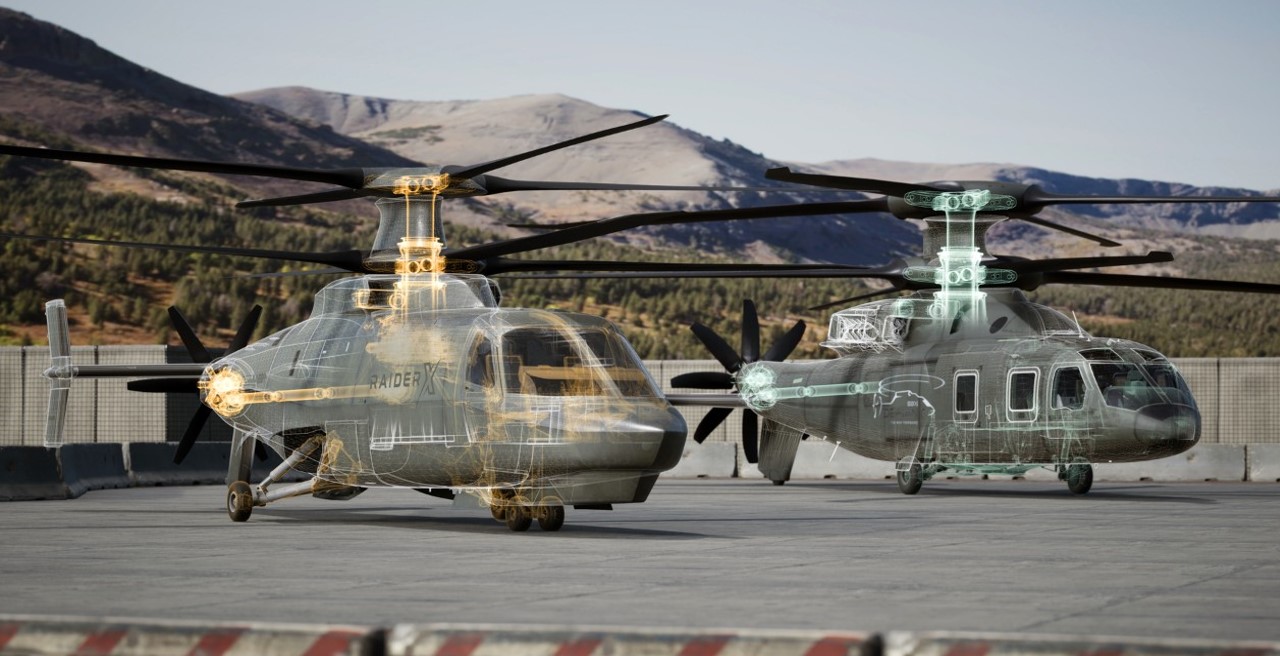
Digital technology: A centerpiece of Future Vertical Lift
The impact of digital transformation on defense technology, using model-based digital design to improve quality and efficiency of production.

The impact of digital transformation on defense technology, using model-based digital design to improve quality and efficiency of production.

“If we didn't have an S-97, we'd have to wait another year-plus to be able to fly those data points and to inform our production design,” said Sikorsky's chief engineer for the company's Raider-X FARA offering.


The Sixth Domain is not defined by geography. It’s a new kind of conflict in which autonomy and networked systems allow thousand-dollar consumer electronics to destroy multi-million-dollar conventional weapons systems.
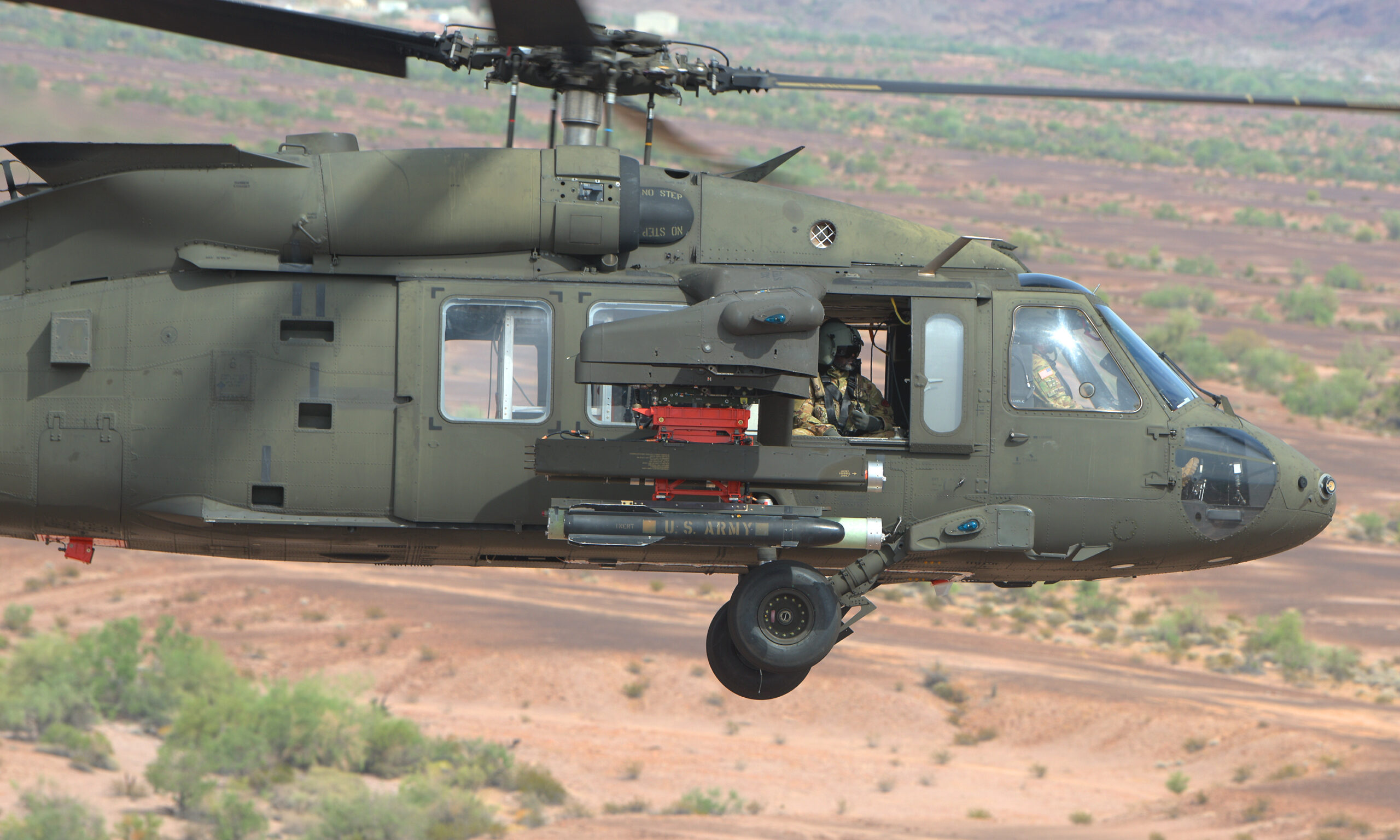
The question of whether the Defense Department or the primes should own all the data rights to various elements of the FVL program is a simplistic, false choice, says a CSBA senior fellow.
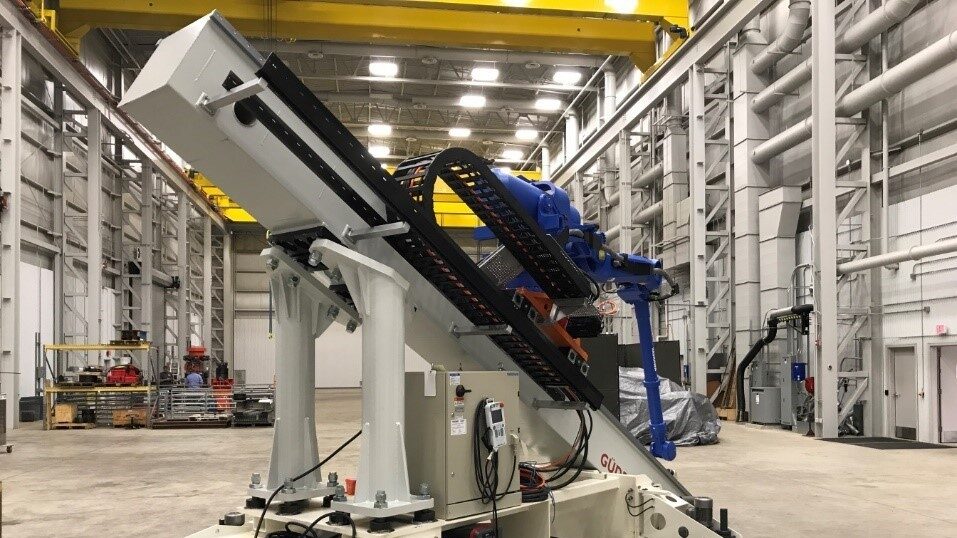
Take a page from Formula 1, for instance, to improve military efficiency, former Acting Army Secretary John Whitley writes.

If the Army heeds industry's emphasis on protecting intellectual property than a dependence on proprietary technology will hamstring FVL’s ability to address evolving threats.
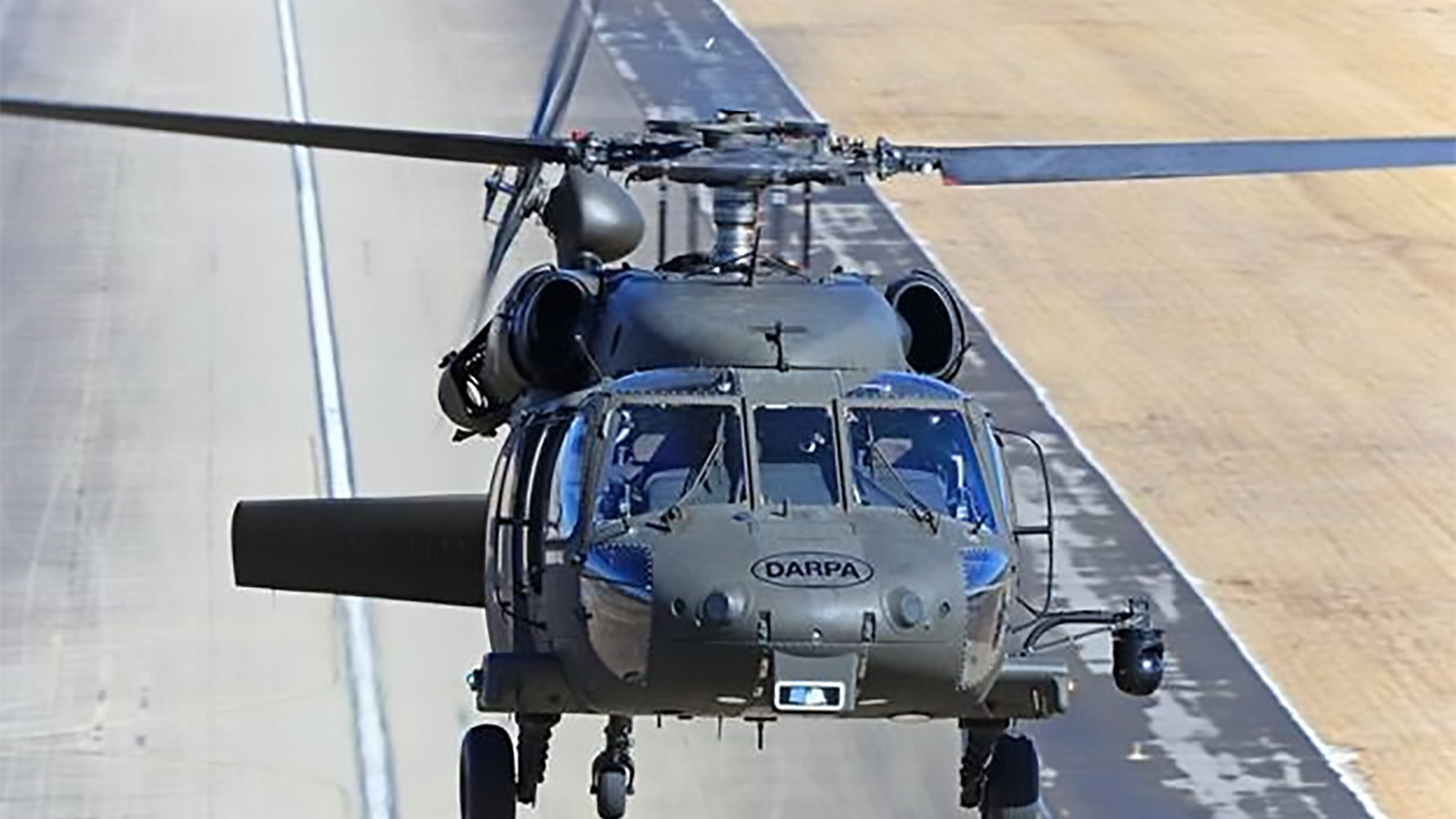
Army officials assure lawmakers they're putting their Future Vertical Lift helos through the testing ringer, and that the aircraft they're meant to replace won't be going anywhere anytime soon.

As “dirty” RF and contested environments proliferate, autonomy increasingly depends on resilient positioning.

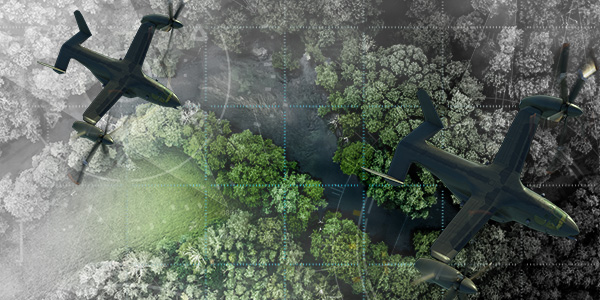
BAE Systems Future Vertical Lift Air Launched Effects is a key capability that will require a unique path for success.
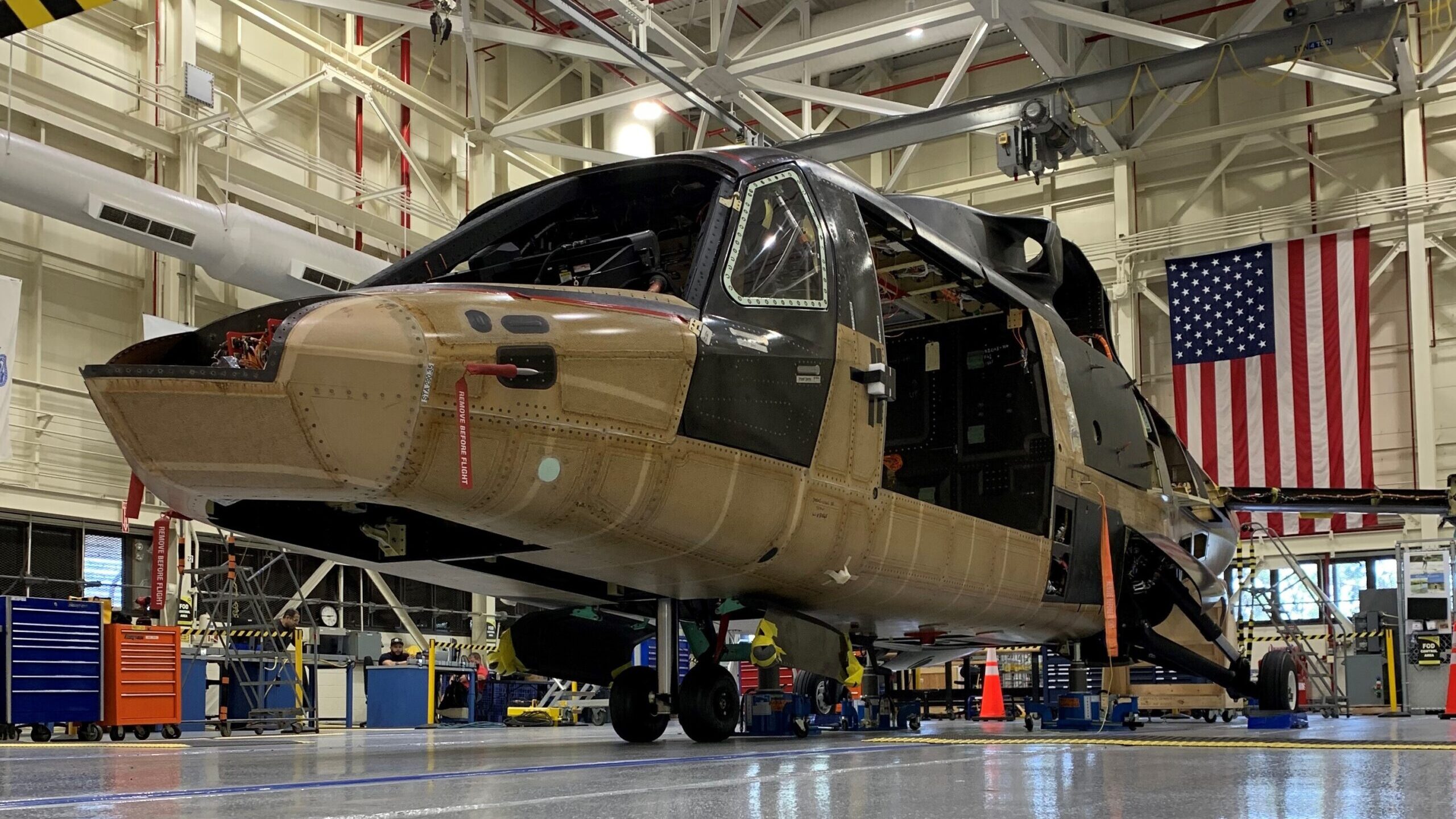
The company has also built a second fuselage to assist in risk reduction for Increment One.


There's no one software application, wave form, or set of capabilities that can win the day against near peers. Open systems, however, are that one thing that will keep Army systems relevant in all stages of conflict.

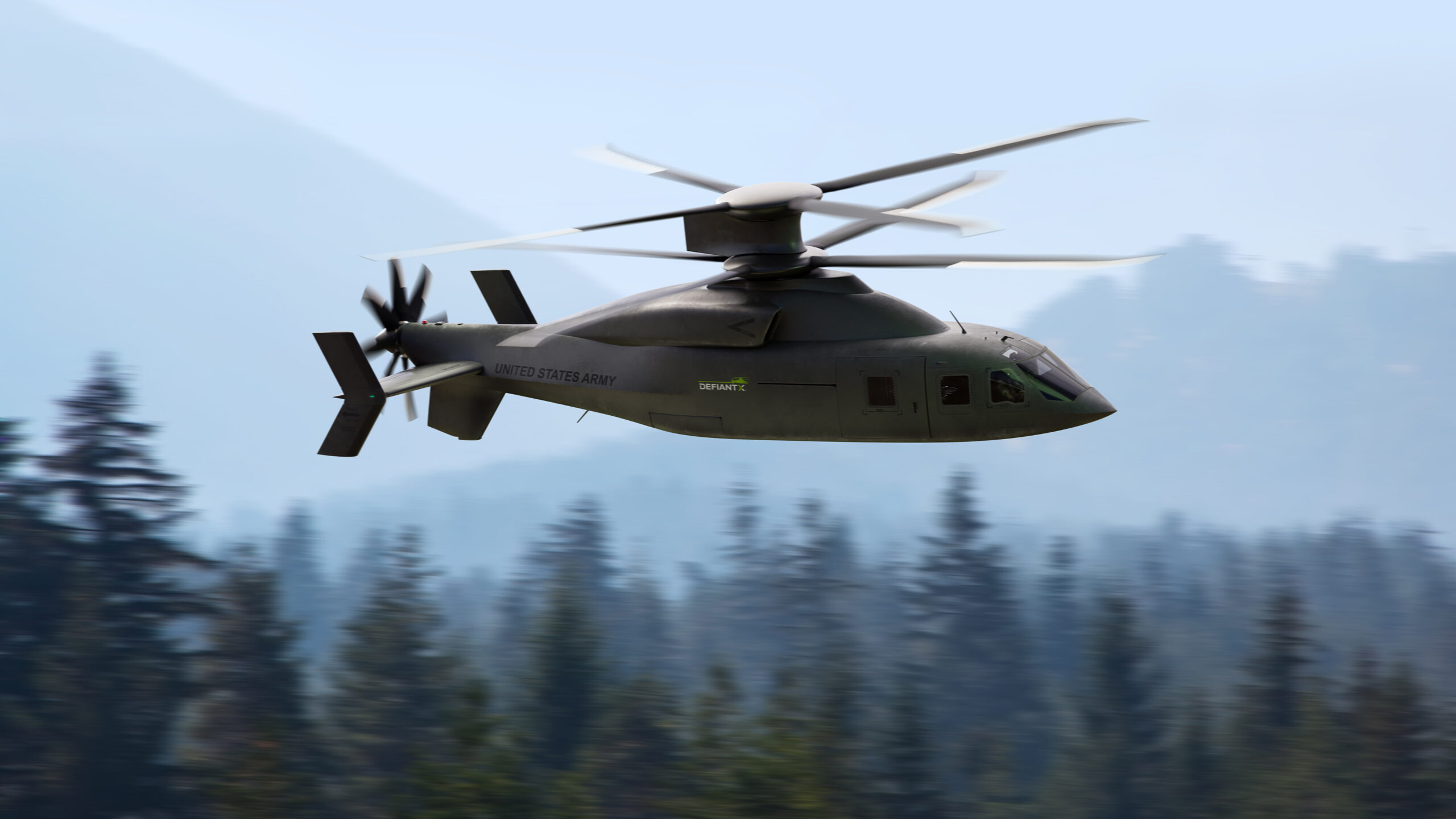
The wars of tomorrow are won with the innovations of today.

Breaking Defense Europe will launch May 4 with Tim Martin and Elisabeth Gosselin-Malo as co-editors.

Breaking Defense goes inside Bell's planned futuristic factory near Fort Worth and its Amarillo assembly facility, as the company bets big on FARA and FLRAA wins.
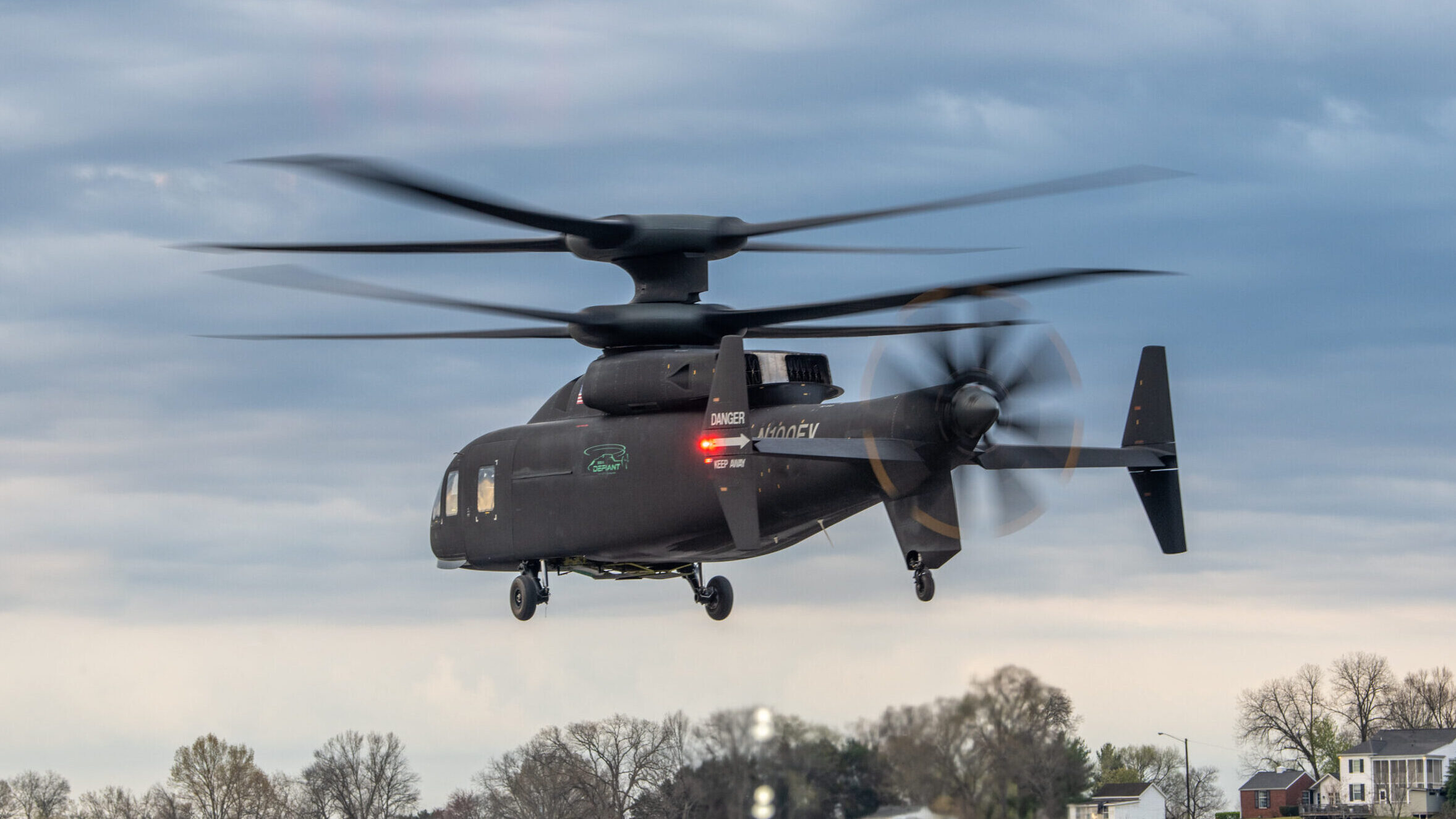
After a 700 nautical mile trip to show off its FLRAA offering in Nashville, pilot feedback on the SB>1 Defiant was "absolutely boring — the way test pilots like it to be," a Team Defiant member said.
Success can only be achieved by finding common ground between the US government’s desire for MOSA and industry’s incentive to modify its current business cases.
"I think we want to see interoperability as we digitize our forces, especially in our aviation formations. That's the focus," Brig. Gen. Robert Barrie, head of the US Army’s Program Executive Office-Aviation, told Breaking Defense.