
Service acquisition leaders: Why this time will be different for defense acquisition
In this exclusive op-ed, four of the Pentagon's top acquisition officers send a message to their workforce: Accountability isn't punishment, it's liberation.
In this exclusive op-ed, four of the Pentagon's top acquisition officers send a message to their workforce: Accountability isn't punishment, it's liberation.

Maj. Gen. Christopher Schneider told Breaking Defense that the service got "really great feedback from soldiers on IVAS 1.2," but big decisions haven't been signed out yet.

Balancing security and access to data are critical to providing users with trustworthy, reliable data for real-time decisions.
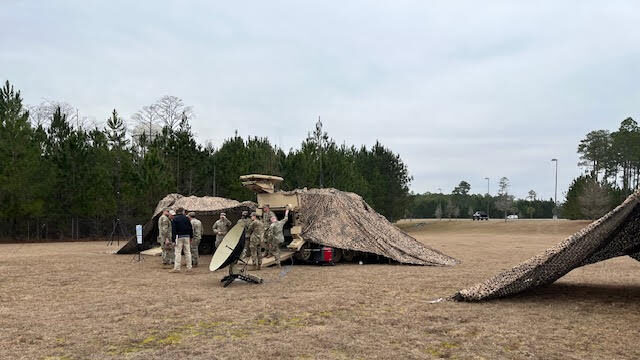
How the Army can utilize new terminals under a SATCOM service agreement, perhaps without have to buy thousands of new ones, will be a factor in choosing providers for the pilot program, says Brig. Gen. Rob Collins.

"The future network must be high-speed, it must be high-capacity, it must be multi-path, and ubiquitous to the user," said Brig. Gen. Jeth Rey, director of the Army's Network Cross-Functional Team.

Services bought from industry eventually "could include everything from a piece of hardware to the operations center to the bandwidth," Brig. Gen. Rob Collins told the SATELLITE 2021 conference today.

Some $2.7 billion goes to network upgrades, more than any other Army priority area, according to acting acquisition chief Doug Bush.
Zero Trust is the Pentagon’s foundation for its modern cybersecurity strategy.
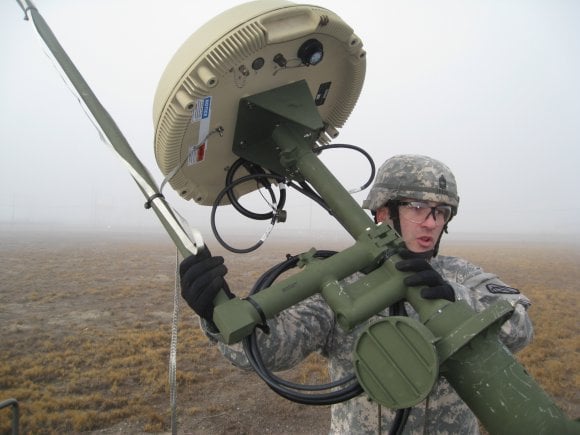
The upcoming upgrade to the Army’s tactical network, Capability Set ’23, will exploit the boom in commercial Low- and Medium-Earth Orbit satellites to boost communications for fast-moving Stryker units.

The task is mammoth and entails integrating "millions of lines of code," according to Air Force Brig. Gen. Jeffery Valenzia. But "with innovation comes opportunity," Army Brig. Gen. Robert Collins observed. "Speed is what will really give us that overmatch against adversaries," said Maj. Gen. Peter Gallagher.
The Pentagon’s top tester, DOT&E, had urged the Army to take more time. But Army leaders said today they’ve got plenty of field tests scheduled with real soldiers.

To find targets for its new long-range weapons, the Army is experimenting with cloud computing and AI that can bridge the gap between intelligence networks and combat units.

The military space sector is evolving fast. Get the latest from Space Force and industry officials on what’s next for acquisition, policy and training in a new Breaking Defense eBook.

TITAN won't just take data from satellites, as a traditional ground station. It will link with space, high altitude, aerial and terrestrial ISR sensors to provide targeting data directly to Army fires networks.

Sun Tzu said all warfare is based on deception. Today, that means electronic deception.
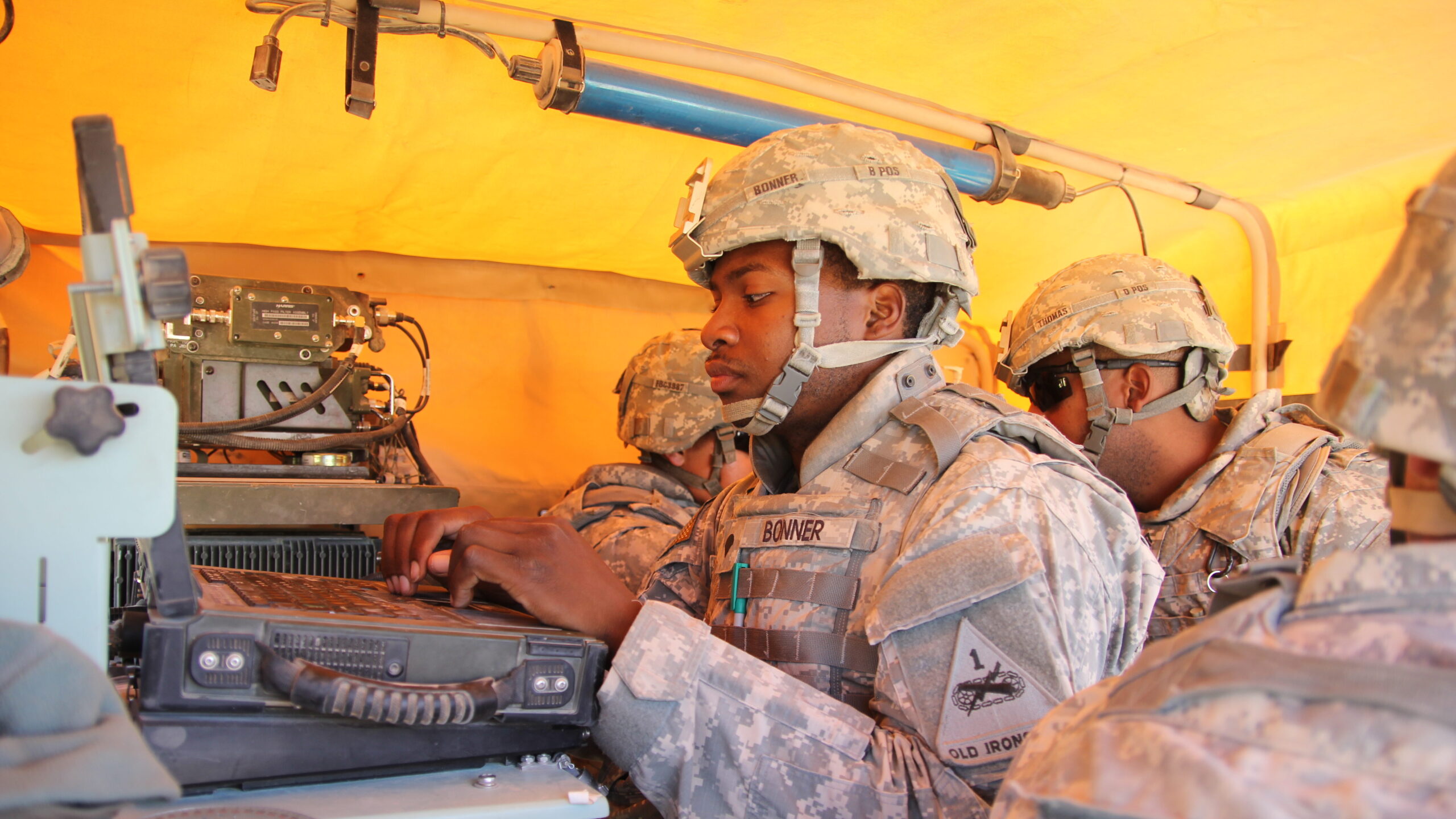
The Army is upgrading its intelligence system to give forward commanders full access to the cloud -- and work when the enemy takes the network down.