
COVID Disrupts Network Tests – But Army Presses On
The Army pushed hard to field-test new tech with real soldiers. Then came the coronavirus. Now the service will have to rely much more on lab testing.
The Army pushed hard to field-test new tech with real soldiers. Then came the coronavirus. Now the service will have to rely much more on lab testing.
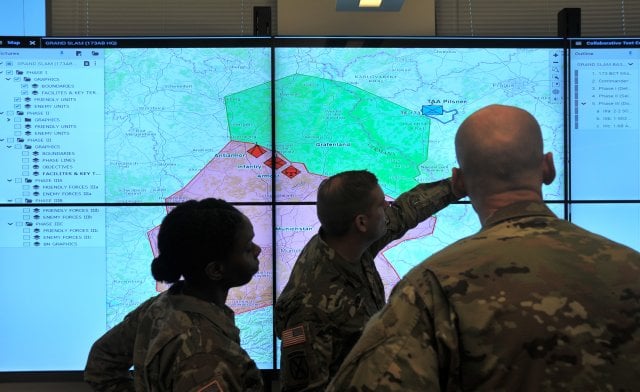
The Air Force is pushing ABMS as the backbone for future Joint All Domain Command & Control. Can the network scale up from hundreds of aircraft to thousands of ground troops?

Explore how networked warfare, AI, and 3D-printed drones are reshaping US Indo-Pacific strategy.
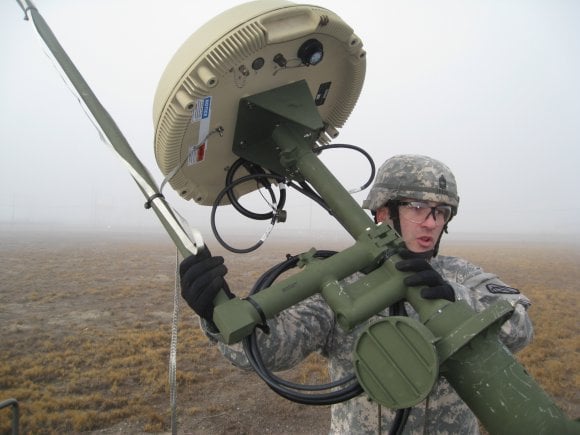
The Army wants a single seamless data system from home base to the front line. That's even harder than it sounds.
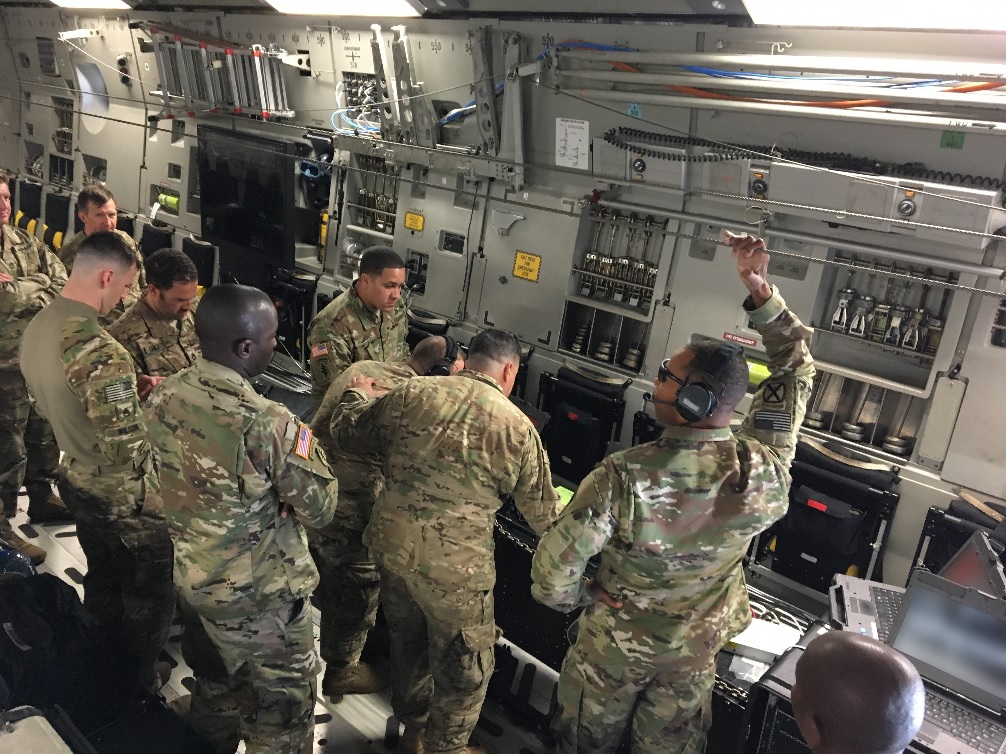
Gone are the days of a stately, deliberate, laborious acquisition process in which the Army would plan out the future in detail before going to industry. "We’d almost always guess wrong," said Maj. Gen. David Bassett. “Eventually we’d deliver yesterday’s technology tomorrow.”

At issue is not just this particular program, but the much wider question of how a Pentagon testing apparatus designed for big industrial age programs can keep up with the much faster and more fluid upgrade cycles of information technology.

Even with Australia, one of our closest allies, it can be hard to share data. And the Army's future war plans require seamless network coordination with the other US services and foreign allies.


Modeling and simulation get an AI upgrade for more realistic training and improved autonomous platforms.
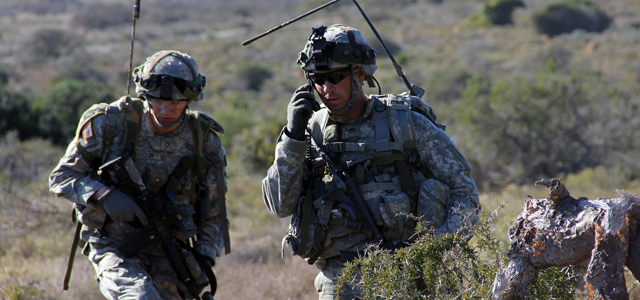
It's all part of a wider effort to rebuild the Army's command, control, and communications (C3) networks for war against a high-tech great power.

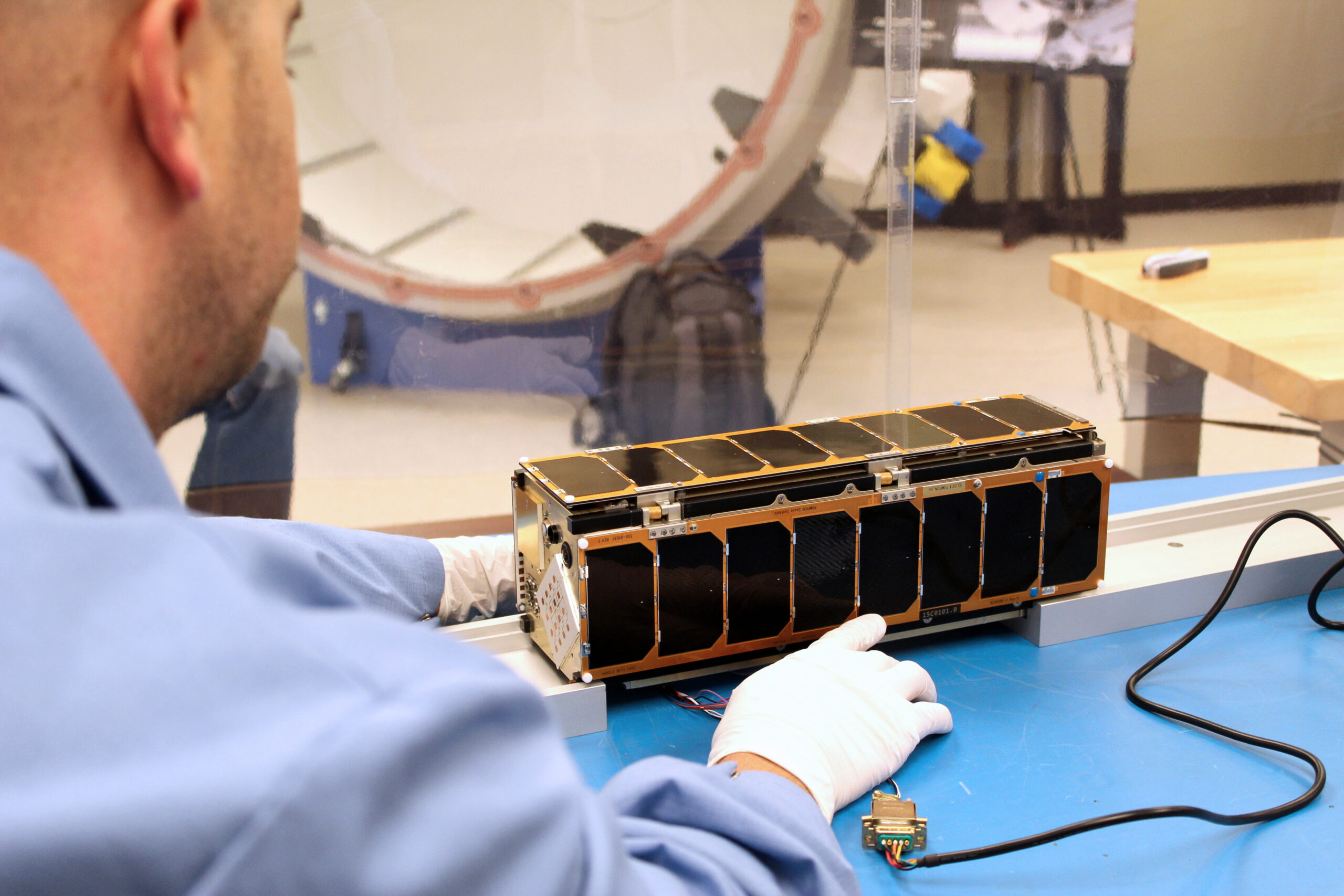
It was hard enough keeping the data flowing to the far mountains of Afghanistan, but at least the Taliban didn’t have the technology to attack the network. Russia and China, however, are investing heavily in capabilities to eavesdrop on or jam the radio transmissions and to blind or outright shoot down the satellites.
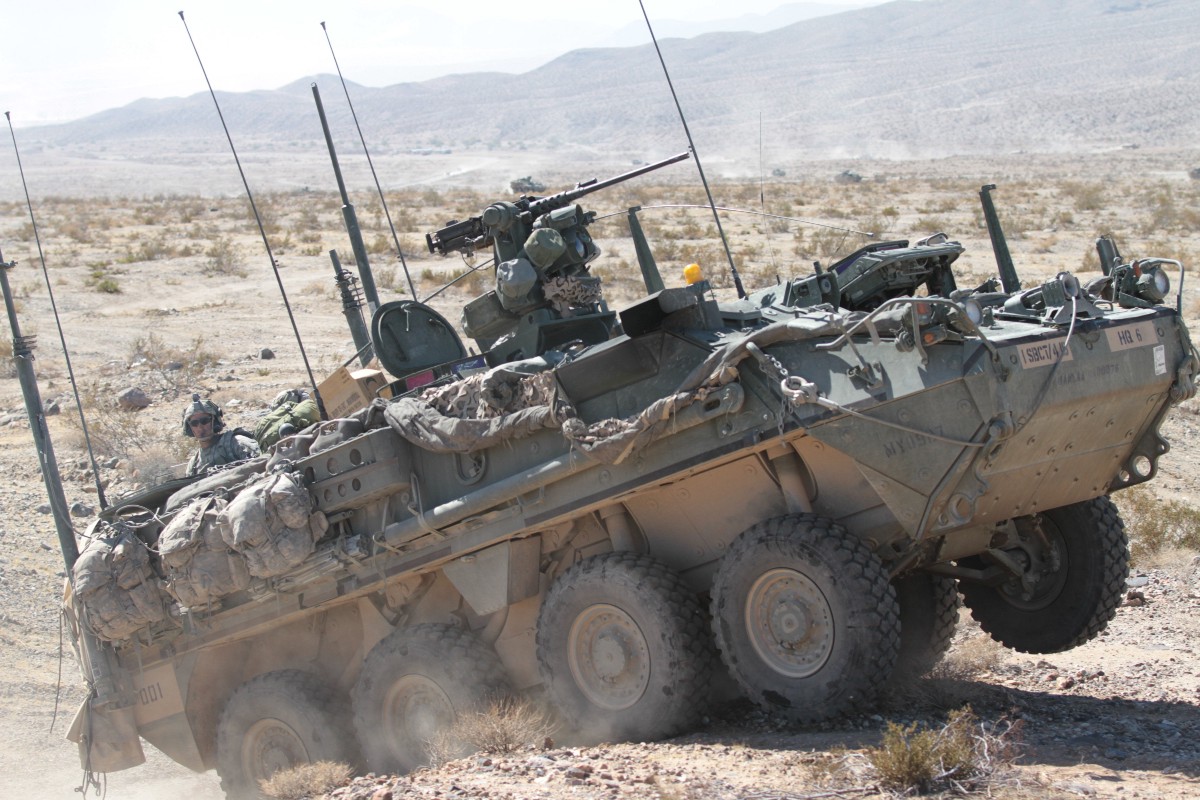
NATIONAL PRESS CLUB: The Army’s wheeled vehicle programs like Stryker and JLTV are leading it on the path to open architecture, a modular approach to designing software and electronics that makes them easier to upgrade. That’s particularly critical when, facing Russian GPS jamming, the Army is looking to improve Position, Navigation & Timing (PNT) on tens […]

UPDATED with expert comment AUSA: After 15 years of cancellations and delays, the US Army is pushing through some vital upgrades for its armored vehicles. Service leaders recently ordered sweeping reforms to speed up acquisition, but the Program Executive Office for Ground Combat Systems has already started accelerating. The upgunned Stryker, the Trophy anti-missile system, and, […]


As aircraft shrink, threats expand, and technology accelerates, aircraft engines must iterate along with the threats.
ABERDEEN PROVING GROUND: Two years after the Europe-based 2nd Cavalry Regiment requested more firepower to deter the Russians, 30 millimeter shells and Javelin missiles thundered downrange here at the Army’s oldest proving ground. Even standing at a safe distance, 20 yards from the closest of the two Stryker vehicles, I could feel the muzzle blast […]
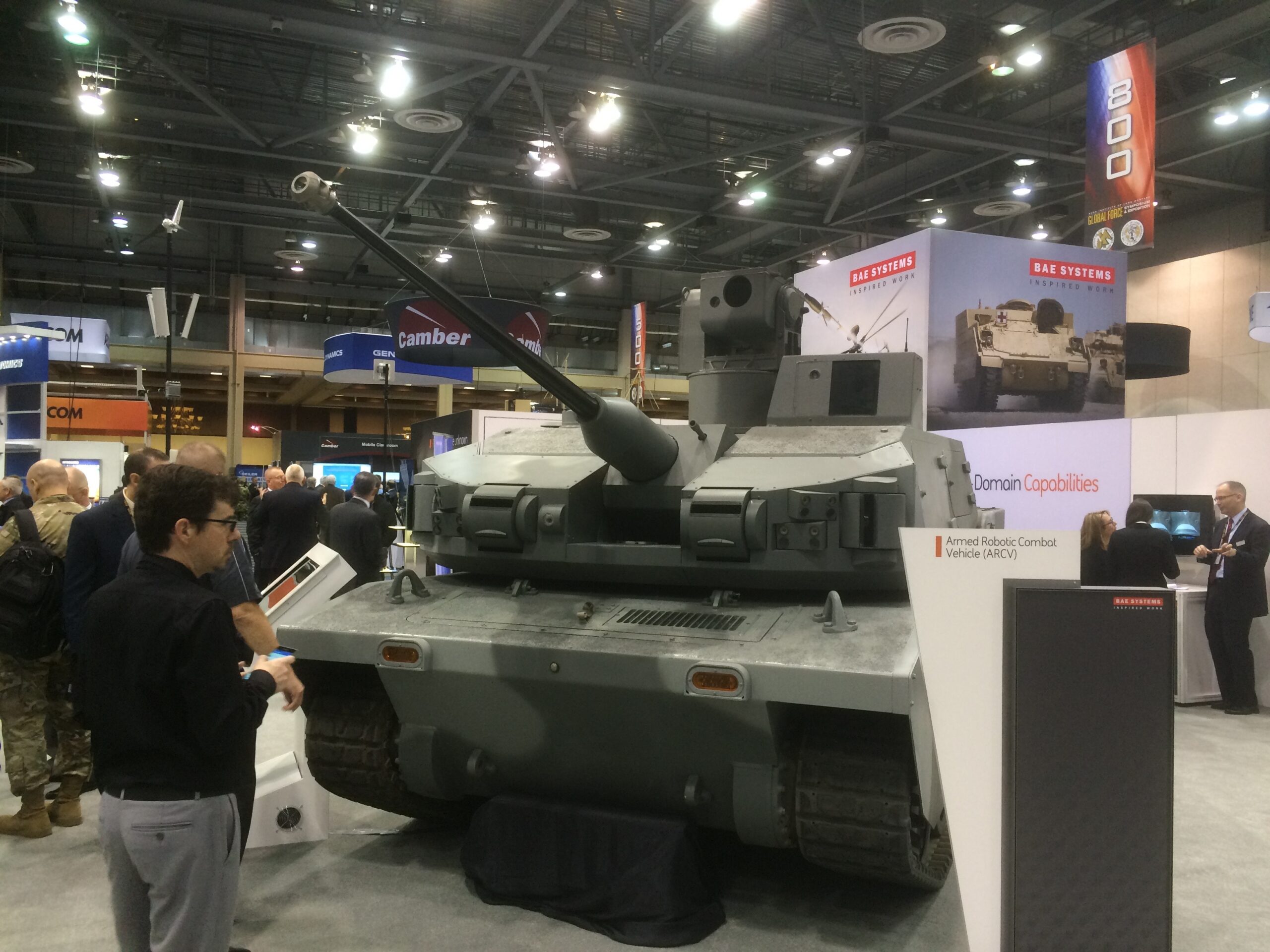
HUNTSVILLE, ALA.: The robotic war machines of the future are strangely cute. Here at the Association of the US Army winter conference, BAE Systems is showing off a 12-ton robot mini-tank that looks like a baby M1 Abrams. There’s serious lesson here which the Army’s Next Generation Combat Vehicle effort is taking to heart. Automation, […]

CAPITOL HILL: Sen. John McCain wants an ambitious plan for new ground vehicle designs and new kinds of combat units from the Army. So does the Heritage Foundation, which has provided much of the brain power for the Trump administration. But the Army isn’t on board: Burned by past program meltdowns like FCS and GCV. […]

The armored workhorse of the US Army, the M113 tracked carrier, first entered service in 1960. This morning, less than two years after signing a contract to replace the M113 in its roles as armored ambulance, mobile command post, and more, the Army and BAE Systems rolled out the first production-representative Armored Multi-Purpose Vehicle (AMPV). […]