
Orbital power: Shaping national security from space
Northrop Grumman is one of the only companies with expertise and capability to design, build and operate systems across an array of orbits.

Northrop Grumman is one of the only companies with expertise and capability to design, build and operate systems across an array of orbits.

"We'll do away with the GEOs, and the big, exquisite expensive satellites," said SDA Director Derek Tournear.


Knowing when to build on commercial systems and when to develop something new can be the difference between parity and information dominance.

The awards are a first step in the Space Force's plan, which will move the Defense Department away from today's reliance on a a handful of large expensive satellites in Geosynchronous Earth Orbit (GEO) and highly elliptical polar orbits, SDA Director Derek Tournear said.

A study by the Space Warfighting Analysis Center that determined a multi-layered network of satellites in Geosynchronous Orbit (GEO), highly-elliptical polar orbit, Low Earth Orbit (LEO) and Medium Earth Orbit (MEO) is necessary to provide comprehensive ballistic and hypersonic missile warning and tracking.
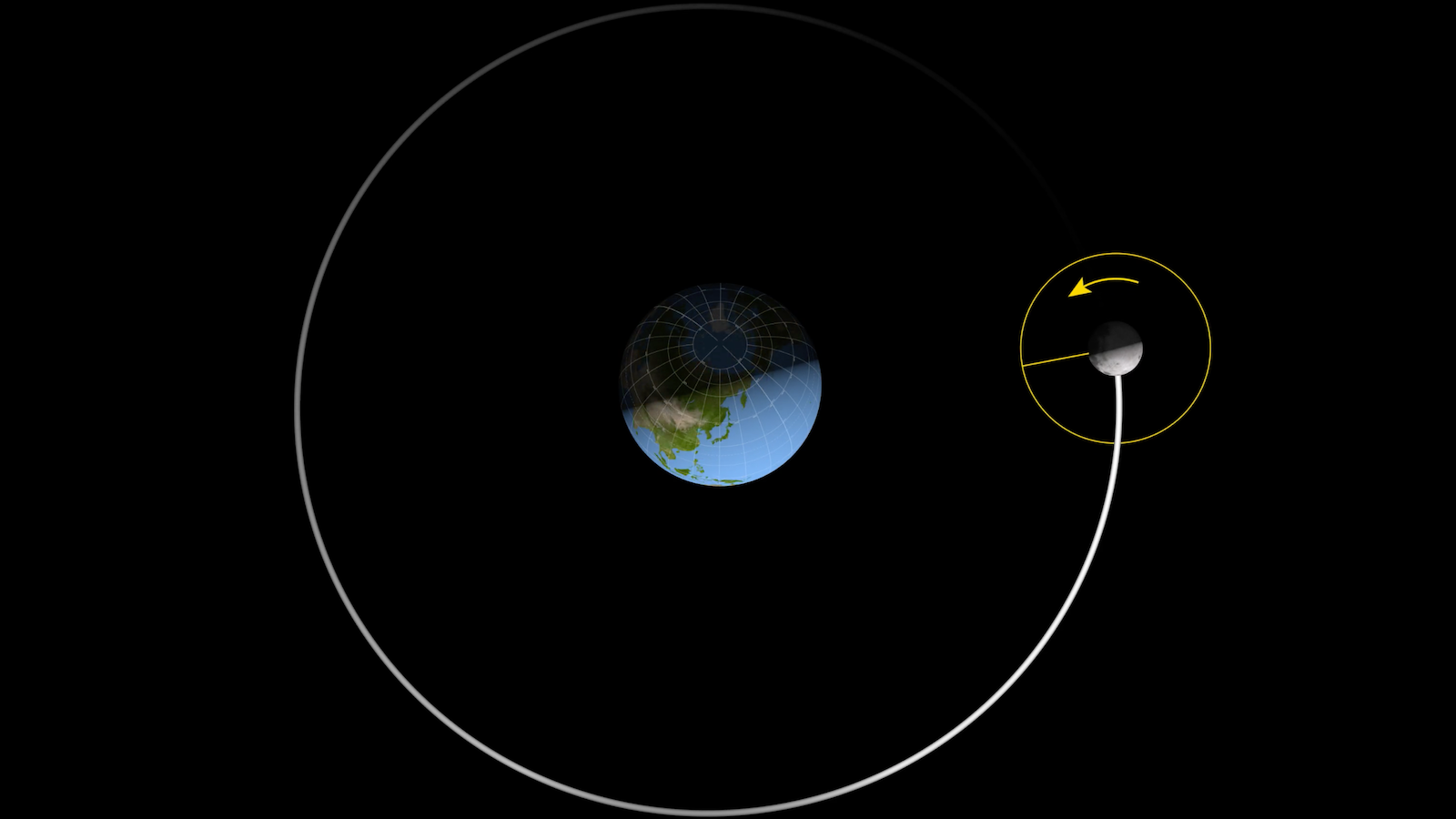
Space Force has established the new 19th Space Defense Squadron to monitor what officials now refer to as "xGEO" space.

Space System Command's overarching goal is to develop "diverse" capabilities for space domain awareness across all orbits.

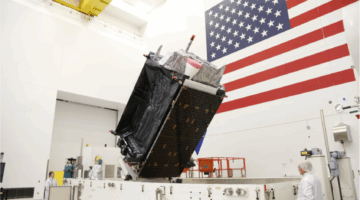
The GPS network continues to prove its unmatched reliability, and it’s only getting stronger.

DoD Satcom Chief Mike Dean discusses how new, disruptive capabilities for SATCOM in LEO, MEO, and GEO are creating novel mission sets for all-domain operations and new ways of paying for it. He also provides a status report on developing enterprise SATCOM command and control.


A layered architecture of geosynchronous, medium-earth, and low-earth-orbit satellites will provide resilient sensor coverage for Joint All Domain Command and Control.