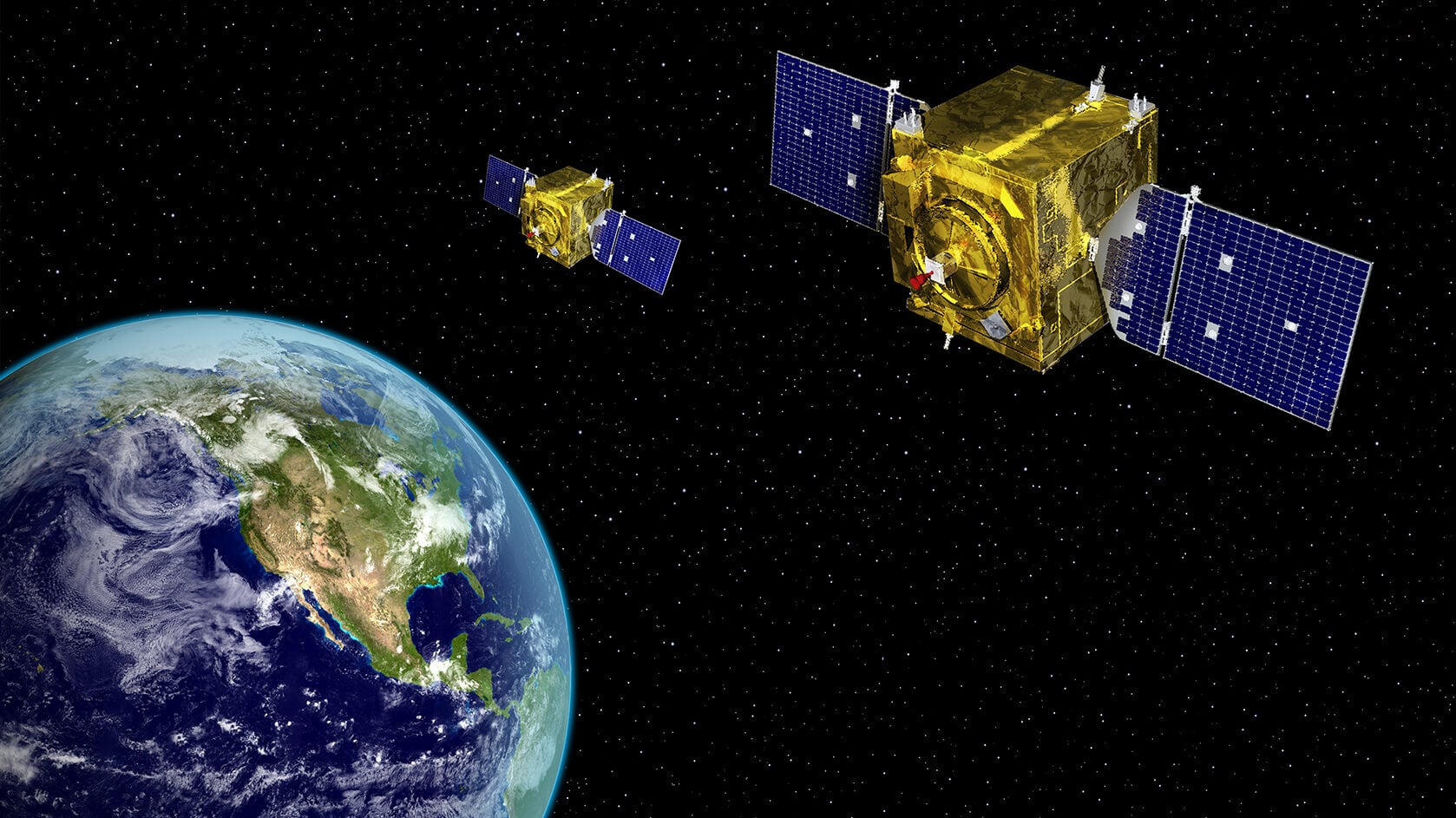
DIU, Space Force team up to kick-start buys of commercial sats for monitoring GEO
Both firms are working under earlier Pentagon contracts to demonstrate rendezvous and proximity operators that could also support future orbital warfare.
Both firms are working under earlier Pentagon contracts to demonstrate rendezvous and proximity operators that could also support future orbital warfare.

The Andromeda IDIQ contract vehicle will fund a replacement for the current GSSAP on-orbit inspection satellites as well as the classified SILENTBARKER space surveillance birds.


A commitment to long-term operational value.
The service has tapped 14 firms to compete for rolling task orders through April 2036 under the Andromeda program, formerly known as RG-XX.
"We're still in the initial phases of that investigation, so we'll continue to to work with the United Launch Alliance and their suppliers to make sure we've got the right level of insight and understand where that investigation is headed," Col. Eric Zarybnisky said.
Under the new GHOST-R effort, the Defense Innovation Unit hopes to have a high-resolution bird operating on orbit within 24 months.
Space Systems Command intends to issue task orders to qualified vendors annually based on funding and operational needs, said Col. Byron McClain, SSC program executive officer for Space Combat Power.


Lithium-metal batteries are one way to break the weight and endurance limits of today’s unmanned systems.

Interested firms have until Jan. 9 to respond to a Space Force request for information about new wide-field-of-view cameras for a SILENTBARKER replacement constellation.
Space Systems Command expects to issue a draft request for proposal by the end of the calendar year, a Space Force spokesperson told Breaking Defense.

"While this type of close approach activity does not automatically signify a military mission, it obviously could provide a co-orbital counterspace capability," expert Victoria Samson told Breaking Defense.
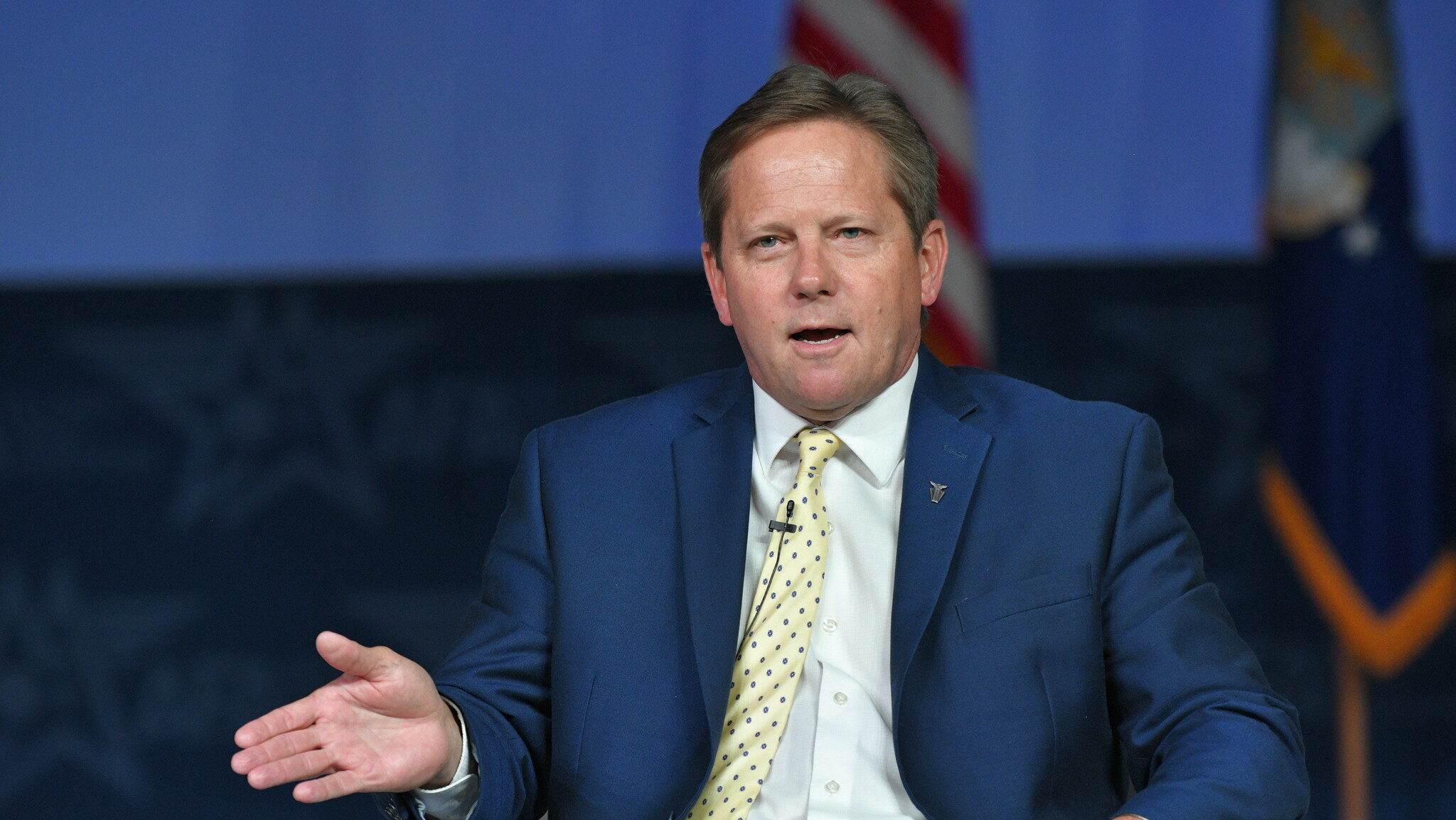
Space RCO Director Kelly Hammett envisions that his shop will feed tech into the Space Force's new effort to contract commercial firms to replace the Geosynchronous Space Situational Awareness Program (GSSAP) satellites for monitoring the heavens.


A decorated combat aviator and biotech CEO advocates preparing for novel viral threats before the next crisis.
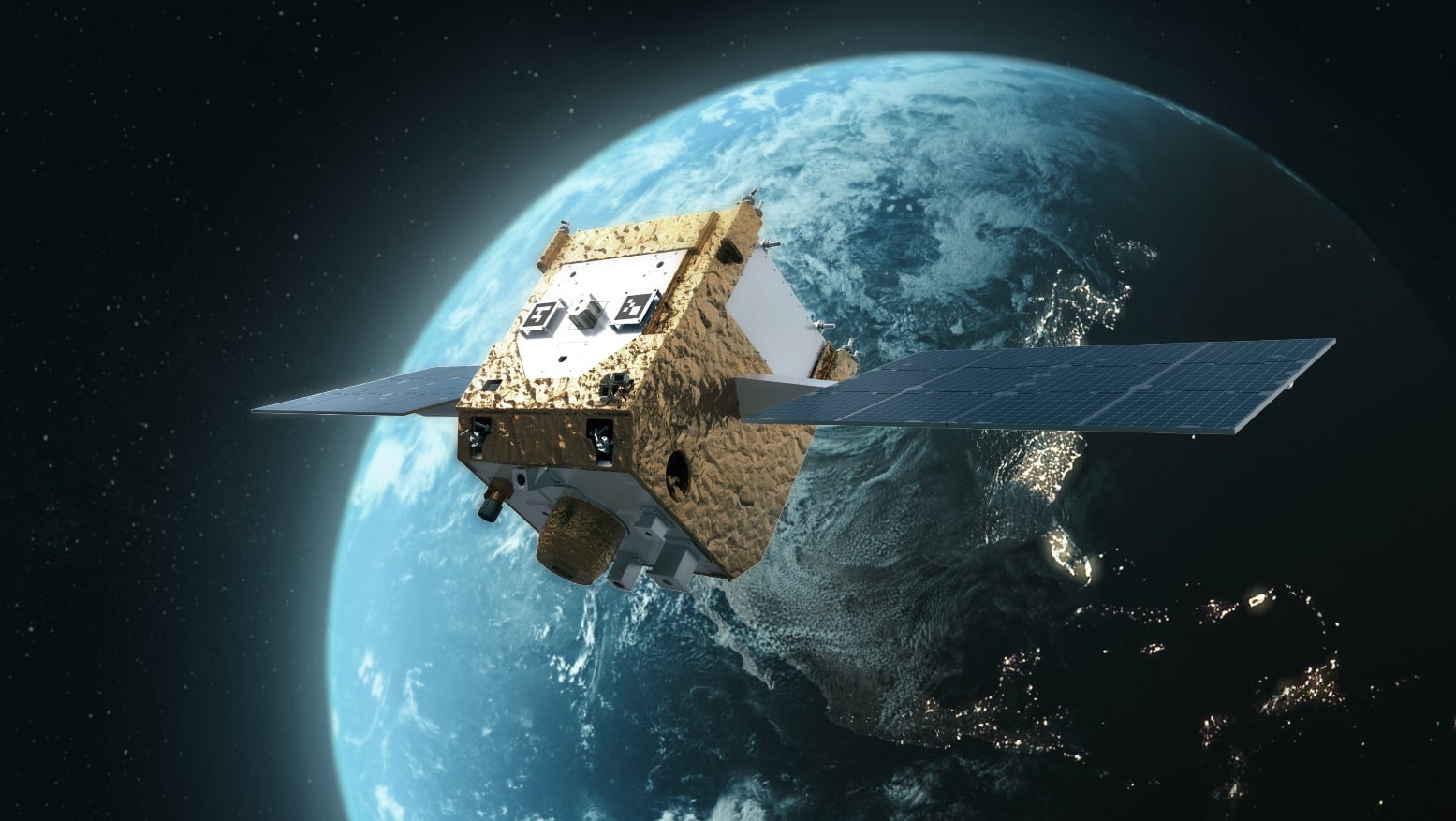
Space Systems Command is moving out with a trio of projects — contracting with Northrop Grumman for two separate experiments, and with Astroscale US for the first on-orbit refueling operation involving a military satellite.

The idea behind the commercial reviews is to find potential alternatives for "getting us out of one-off, billion-dollar systems into a proliferated architecture," said Maj. Gen. Stephen Purdy.
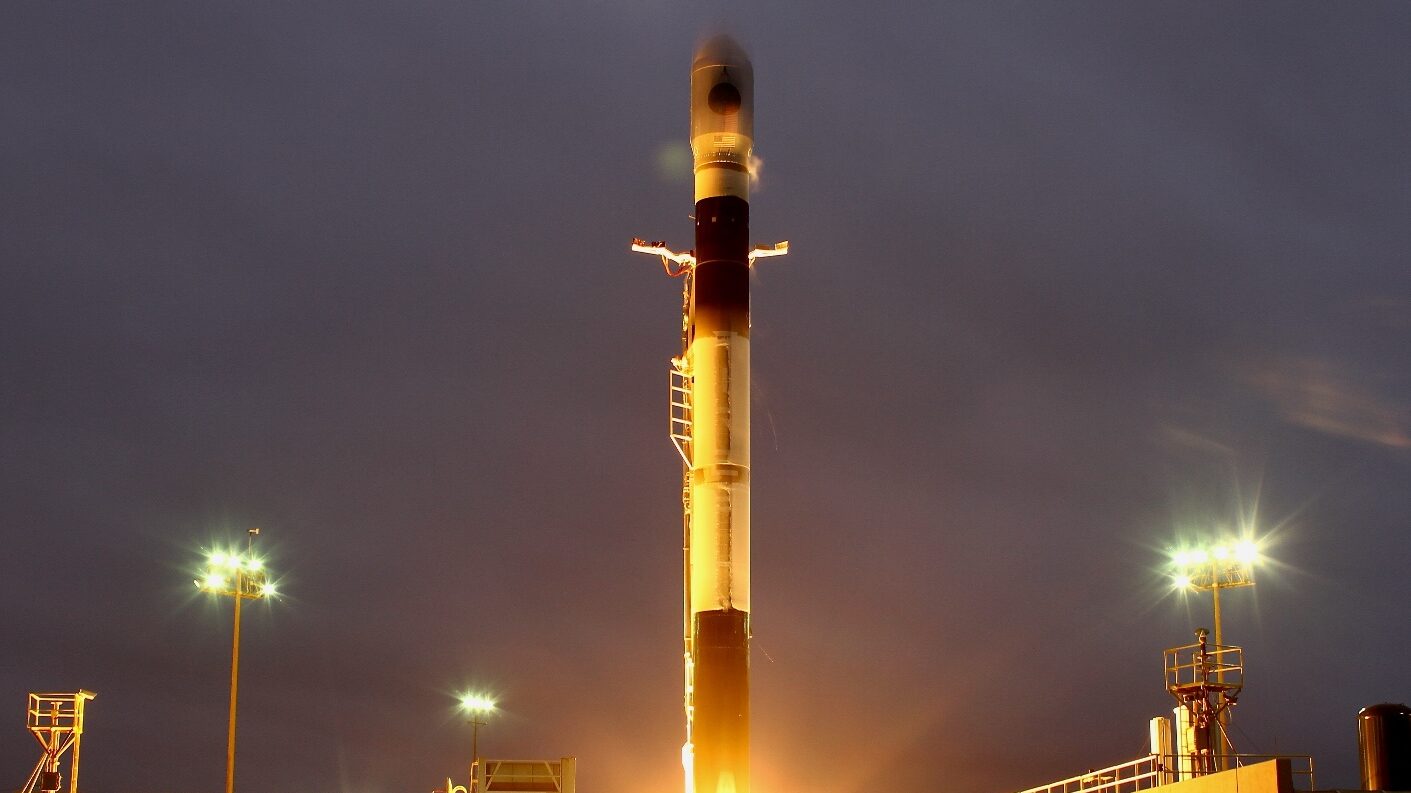
"This will be a modified mission from the Victus Nox mission," David Ryan, space portfolio manager at the Defense Innovation Unit said, noting that "there are two parts of the mission, and DIU is working on a single part with Space Safari."
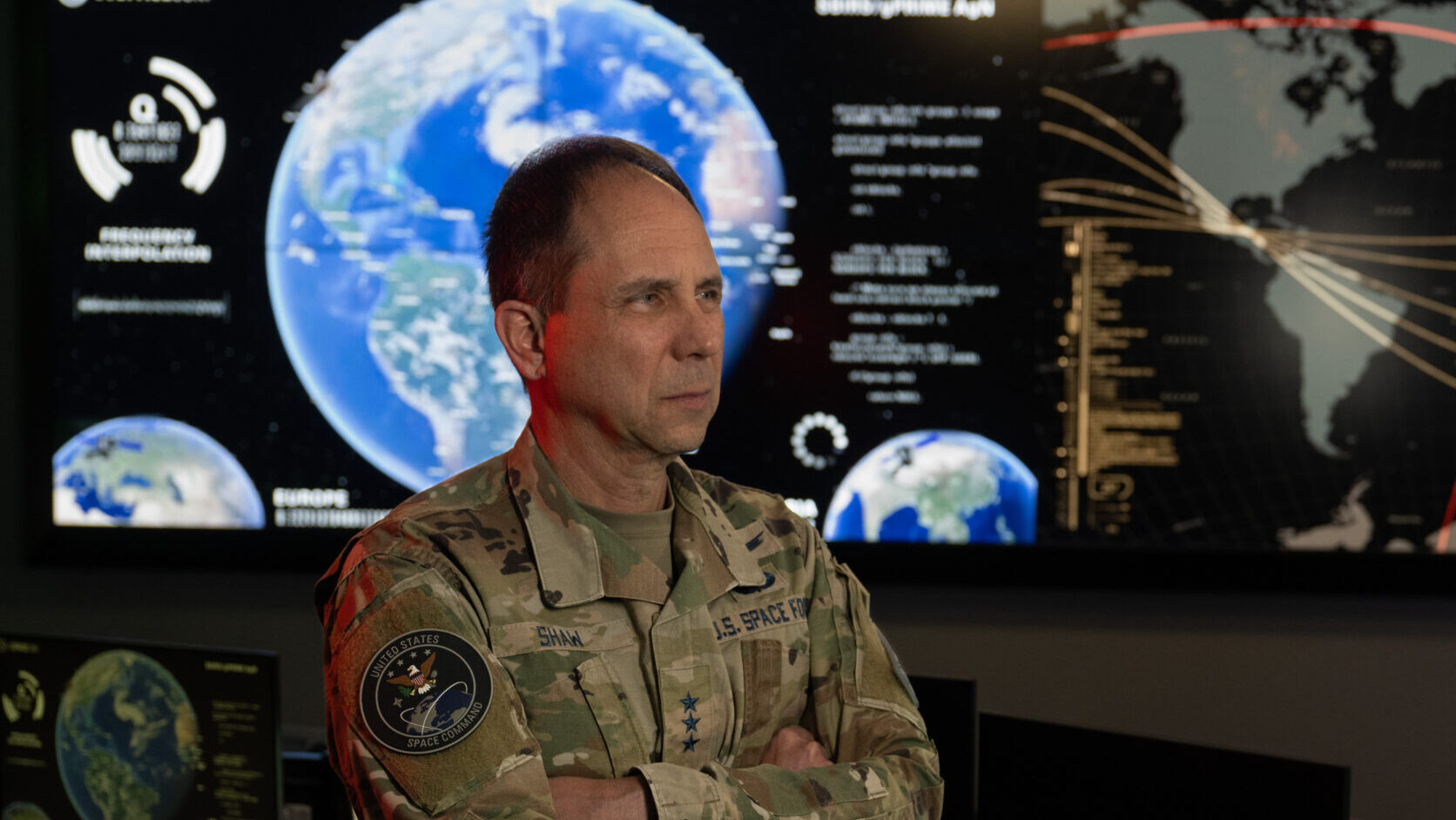
"In a sense, we drive our satellites today as if we're going to church. Our adversaries drive their satellites as if they're going to combat," Lt. Gen. John Shaw, who recently retired from US Space Command, told Breaking Defense in this Q&A.