
Voyager is fortifying the U.S. Defense supply chain
Answering the Pentagon’s call to bolster defense industrial base.

Answering the Pentagon’s call to bolster defense industrial base.

The programs taking up the majority of the Army’s RDT&E funding include FLRAA, THAAD, UAS launched effects, artillery systems, hypersonic weapons, counter drone tech and M-SHORAD.

Do more with less: streamline workflows, reduce duplication, invest upfront to save long-term.

Missile speed, maneuverability, and destructive power requires more capable payloads for accelerated kill chain timelines.

According to the formal solicitation posted on SAM.gov, SDA is looking to make three awards for 18 satellites each.


Drones, high-speed cruise missiles, and ballistic missiles attacking together from 360° creates complexity only certain radars can handle.
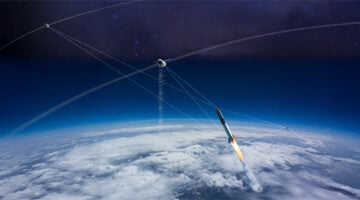
"By the end of next year, we'll have 126 Link 16 satellites that are operational on orbit," said SDA Director Derek Tournear.

Breaking Defense Europe will launch May 4 with Tim Martin and Elisabeth Gosselin-Malo as co-editors.

China is conducting regional maritime activities "under the cloud of a technical or scientific research, but we think it's certainly multi-mission to include military" operations, Gen. Gregory Guillot, head of NORTHCOM/NORAD said.
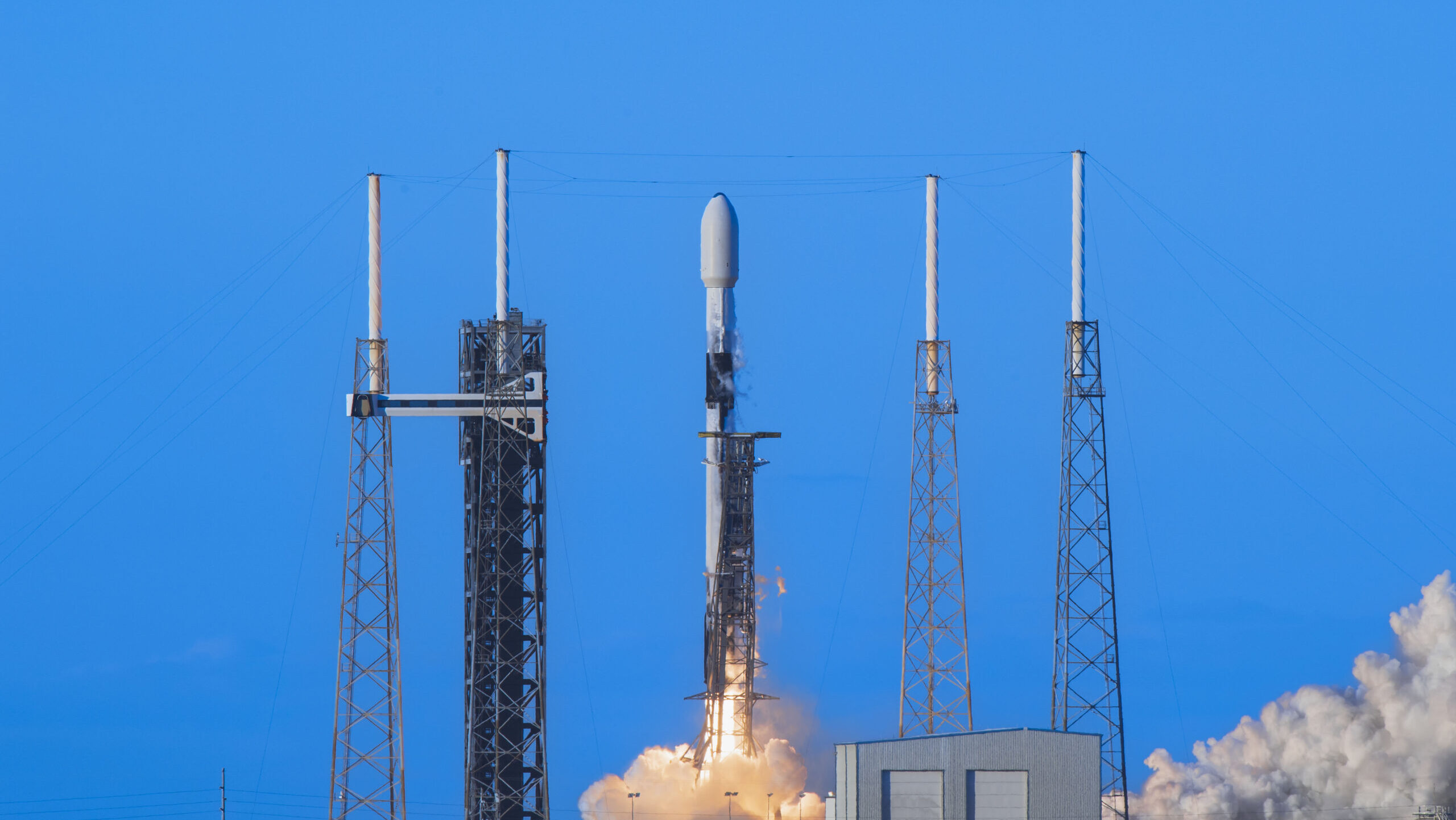
The agencies said in their joint announcement that the "launch of the two prototype systems will be followed by two years of on-orbit testing."
"The key word here is persistence," study author Masao Dahlgren told Breaking Defense. "How do we get persistence over the regions we care about? That hasn't been as explicitly put into prior work until now. This report puts into sharp relief."
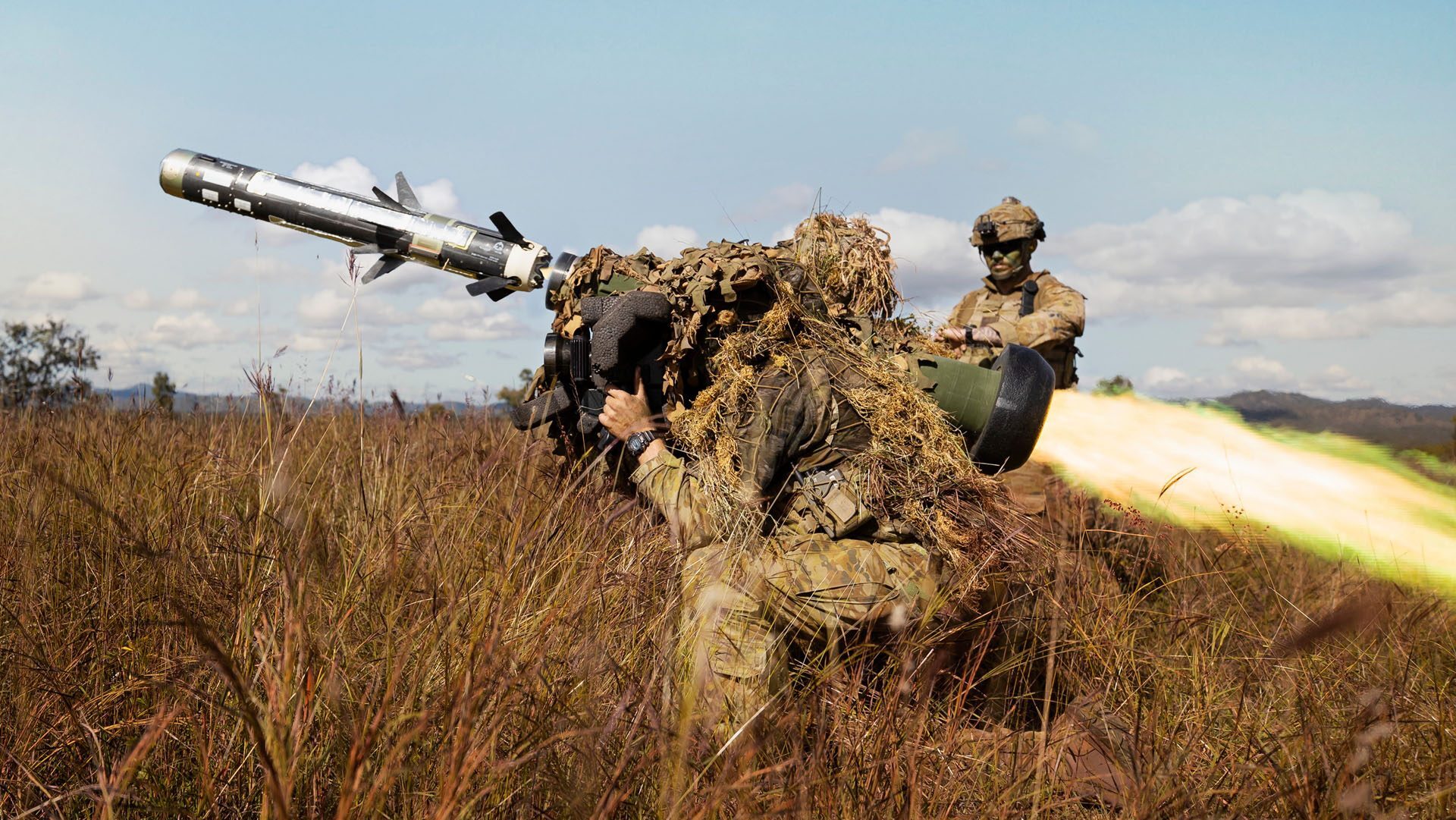
DoD officials and outside experts have been wringing their hands for the past year over the state of the US supply chain for solid rocket motor technology, as stocks of munitions and missile systems reliant on SRMs — such as the Army's Javelin shoulder-mounted anti-tank weapon, Guided Multiple Launch Rocket System (GMLRS), and Stinger missiles — have been depleted by sales to Kiev.

Government can’t stop to update systems, so modernization has to happen without interruptions.
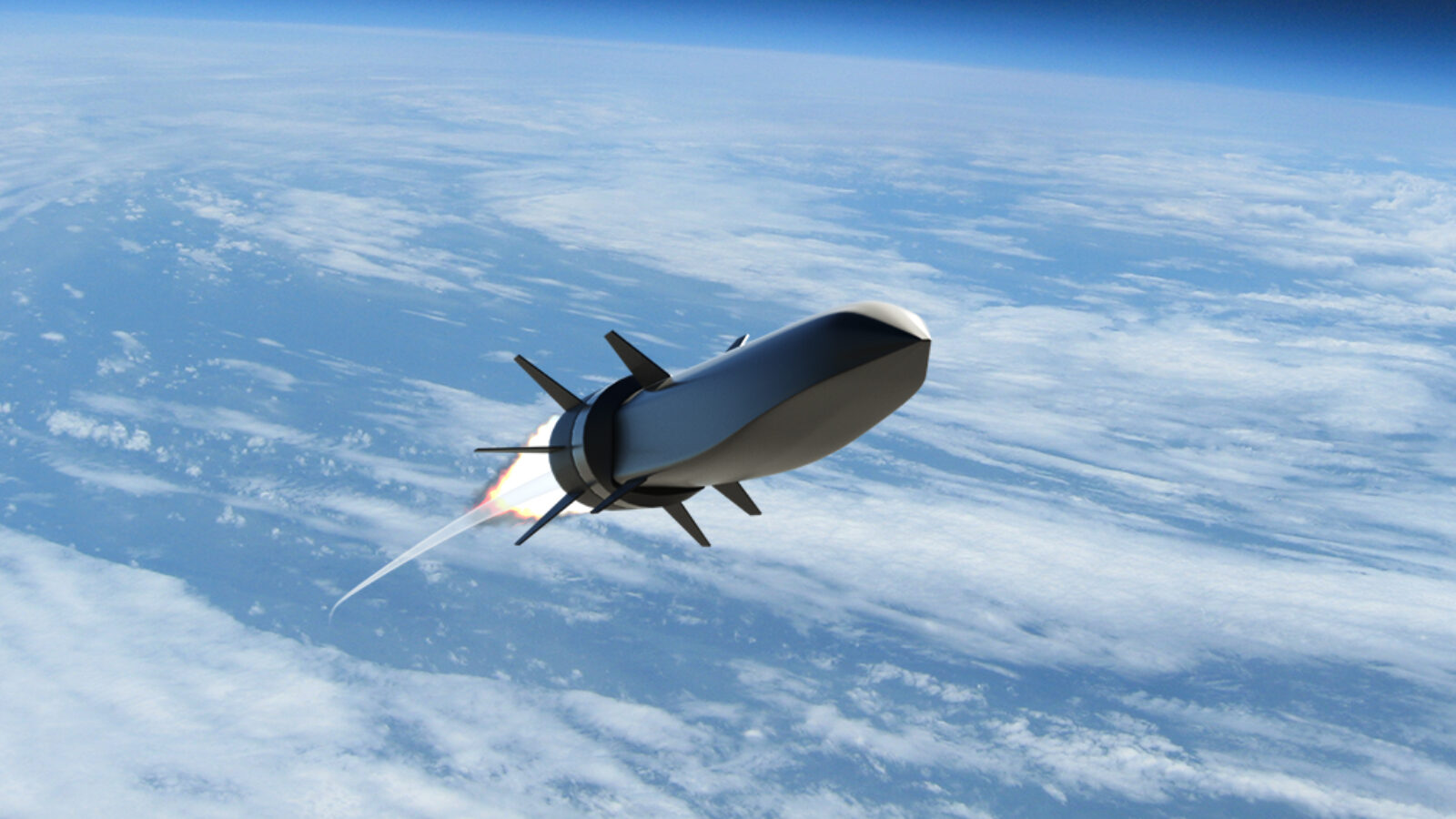
Industry collaboration and development activities will be carried out through a Hypersonic Technologies and Capability Development Framework Agreement valued at £1 billion ($1.3 billion) over seven years.
The draft National Space Authorization Act would also push Space Force on integrating commercial data and on over-classification of space programs.
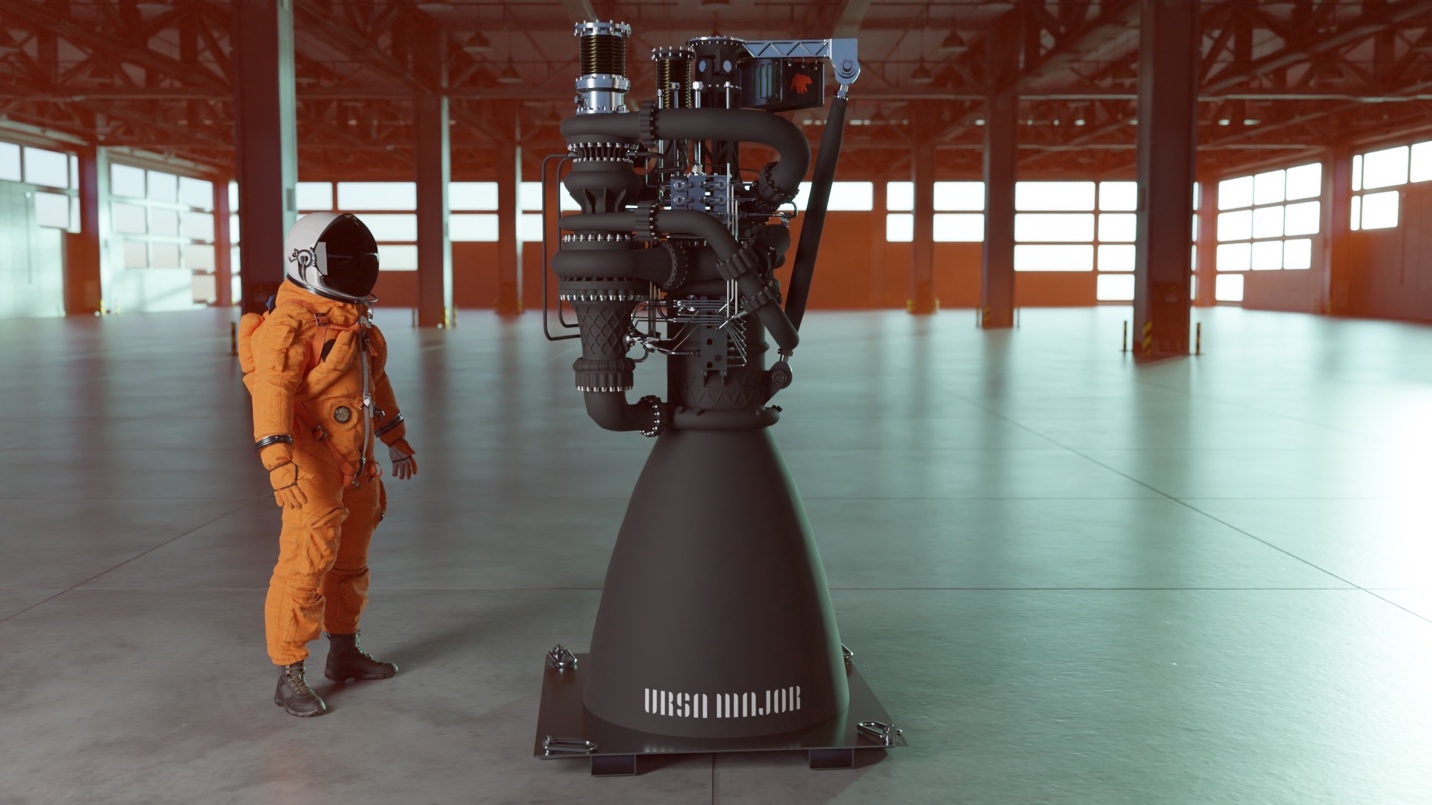
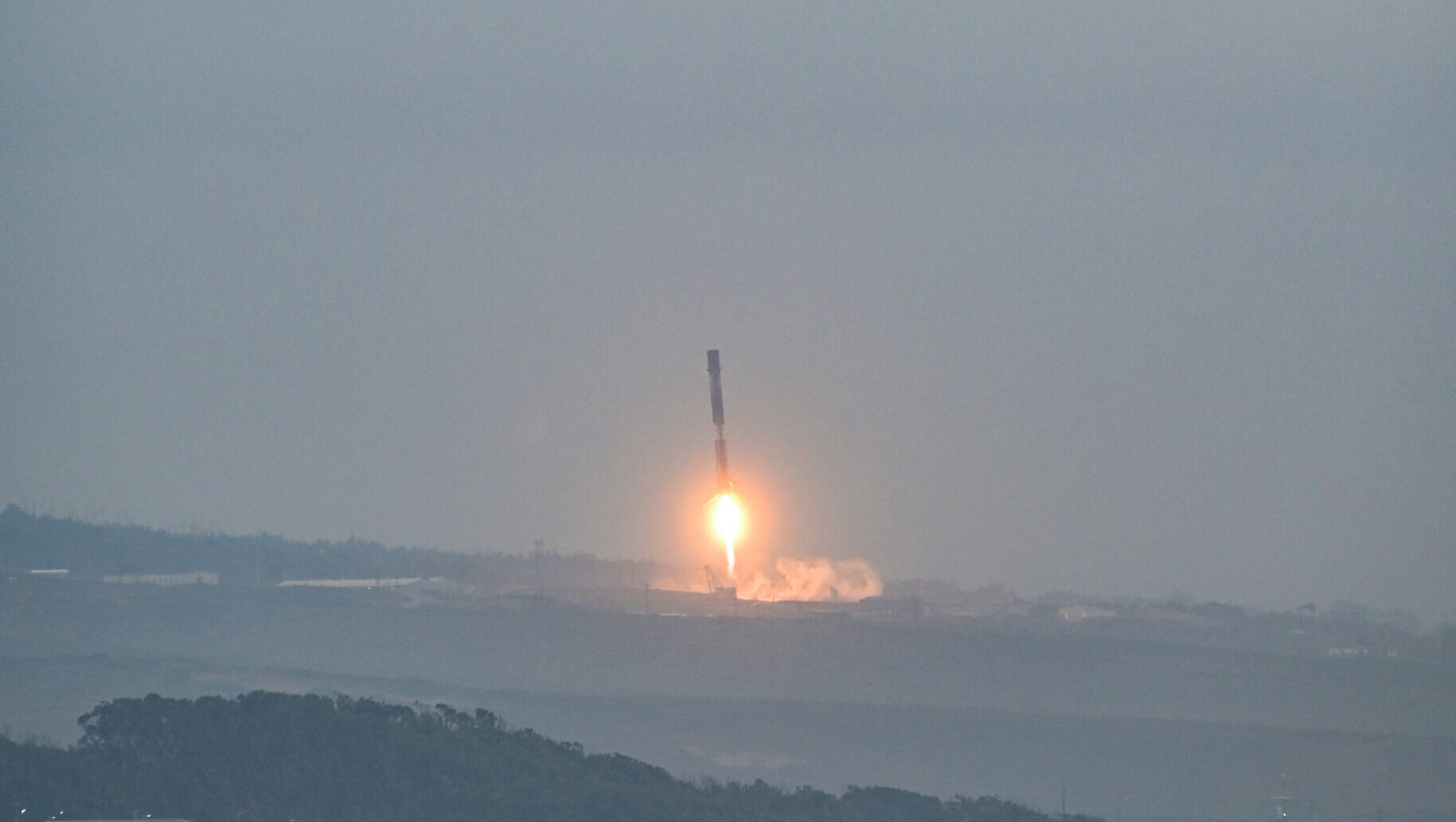
Responsive launch is enabled by the fact that Draper's hydrogen peroxide fuel is easily storable, Ursa Major CEO Joe Laurienti told Breaking Defense, which cuts down prelaunch logistics — whereas other highly toxic liquid fuels often used to provide the high thrust needed for a missile to reach hypersonic speeds (Mach 5 and above) require special handling.

"I think about the value of training forces that never previously had a capability like that and then we provide that capability to them. And they're able to conduct an intercept in that way," Gen. Charles Flynn said. "To me that's that's the bigger issue."