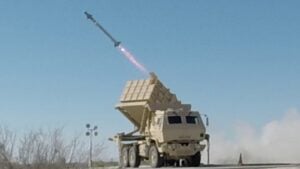
Rafael joins Lockheed, Boeing-Anduril team for second IFPC Inc 2 interceptor competition
Today’s announcement comes more than two years after the Army began hunting for a second interceptor for its developmental IFPC Inc 2 launcher.
Today’s announcement comes more than two years after the Army began hunting for a second interceptor for its developmental IFPC Inc 2 launcher.

The Army and Lockheed Martin already have seen early interest among US allies and partners in the new Sentinel A4 radar.

Breaking Defense Europe will launch May 4 with Tim Martin and Elisabeth Gosselin-Malo as co-editors.

Dynetics won a contract to produce the Army's Indirect Fires Protection Capability capability.

In August, the Army will pick a single vendor to build the Indirect Fire Protection Capability (IFPC), focused on countering cruise missiles and larger drones. Later upgrades will add lasers and counter-rocket capability.

“In my career, certainly this is the most amount of modernization I’ve seen,” Brig. Gen. Brian Gibson says. Can multiple Army programs make their 2023 deadline?


Raytheon’s currently on contract for six of the Army’s next-gen radars, but just replacing every US Army Patriot radar — the current plan — would be 80-plus sales.

Government can’t stop to update systems, so modernization has to happen without interruptions.
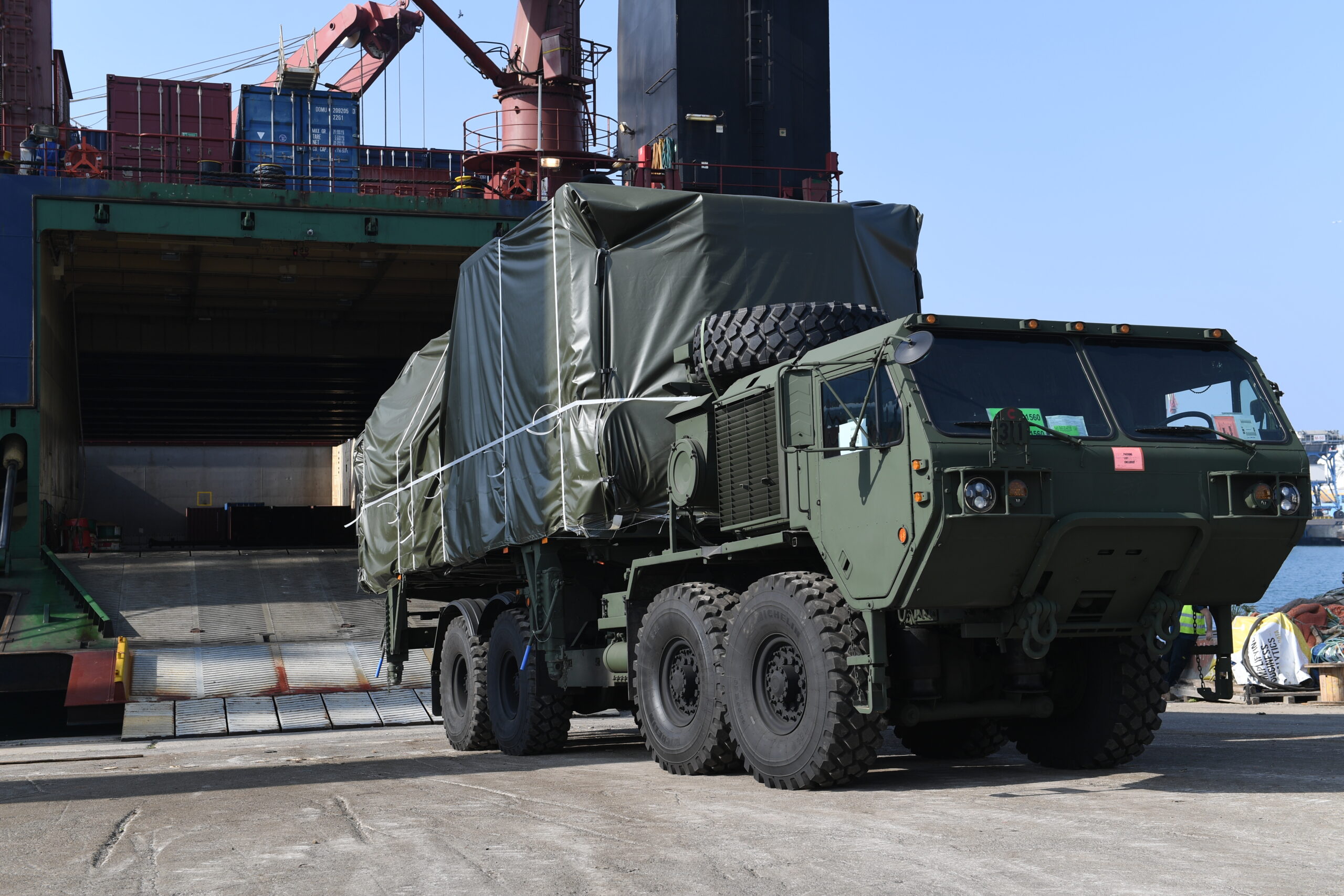
With the second battery now bound for the US, the Israeli-made missile defense system must prove it works with American command networks. “We have a very detailed plan to do the integration,” Rafael’s Pini Yungman told me.
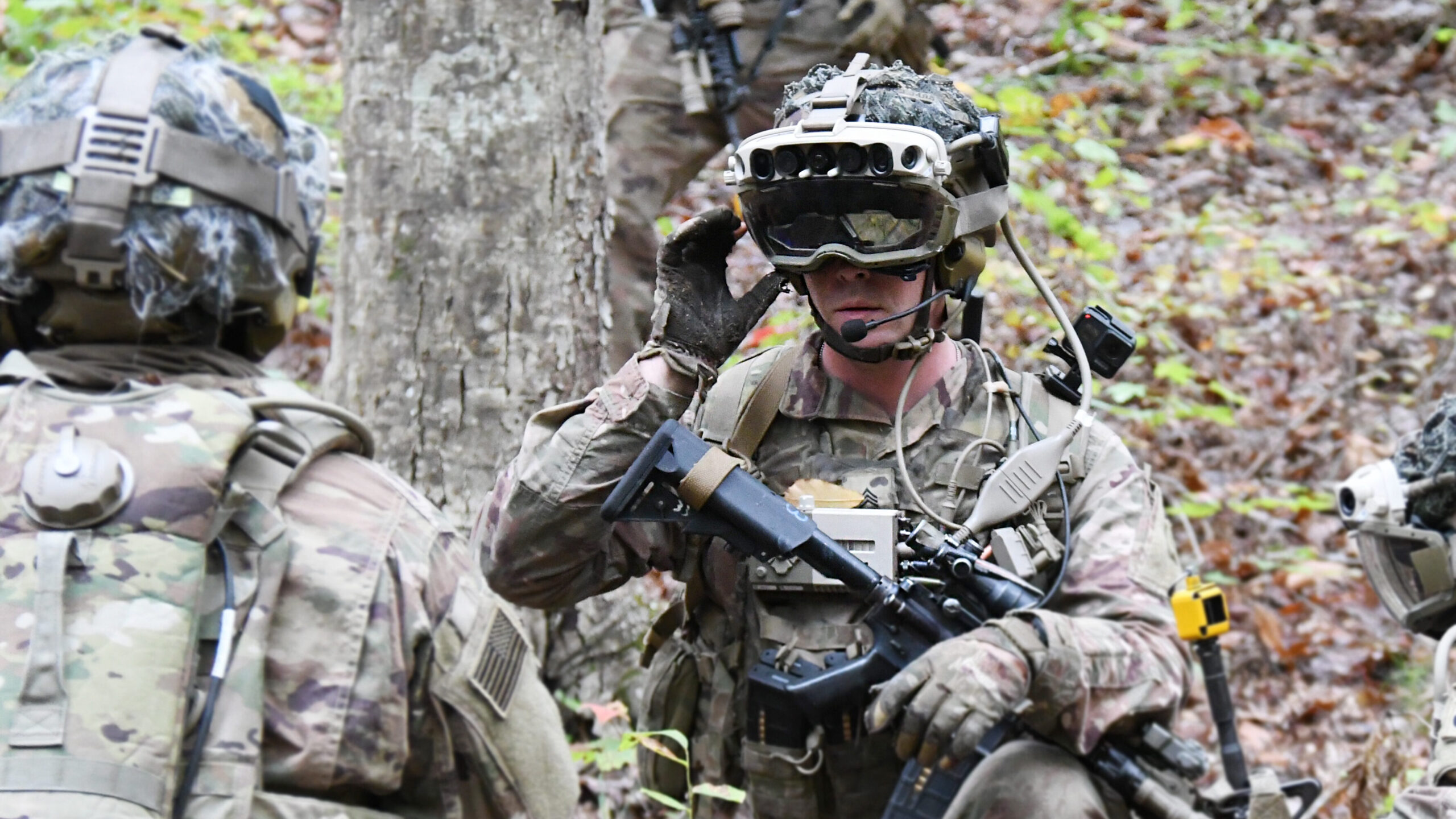
The cutting-edge IVAS targeting goggles took a $230 million hit, while the latest upgrade to the venerable CH-47 Chinook – which the Army doesn’t actually want – got a $165 million boost.
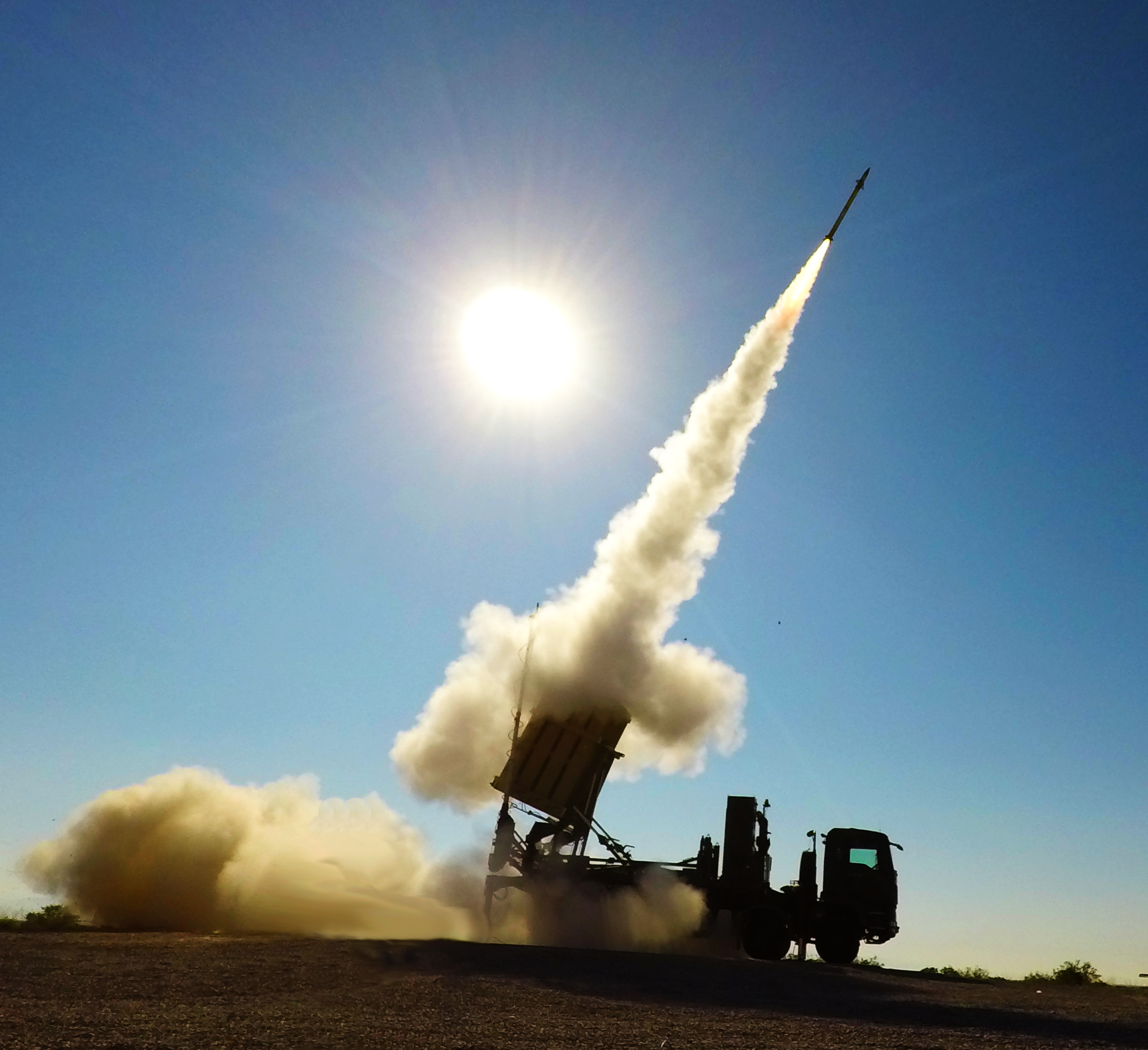
The two air & missile defense batteries will be based at Fort Bliss, Texas, with the first Iron Dome weapons systems arriving from Israeli manufacturer Rafael by the end of the year.
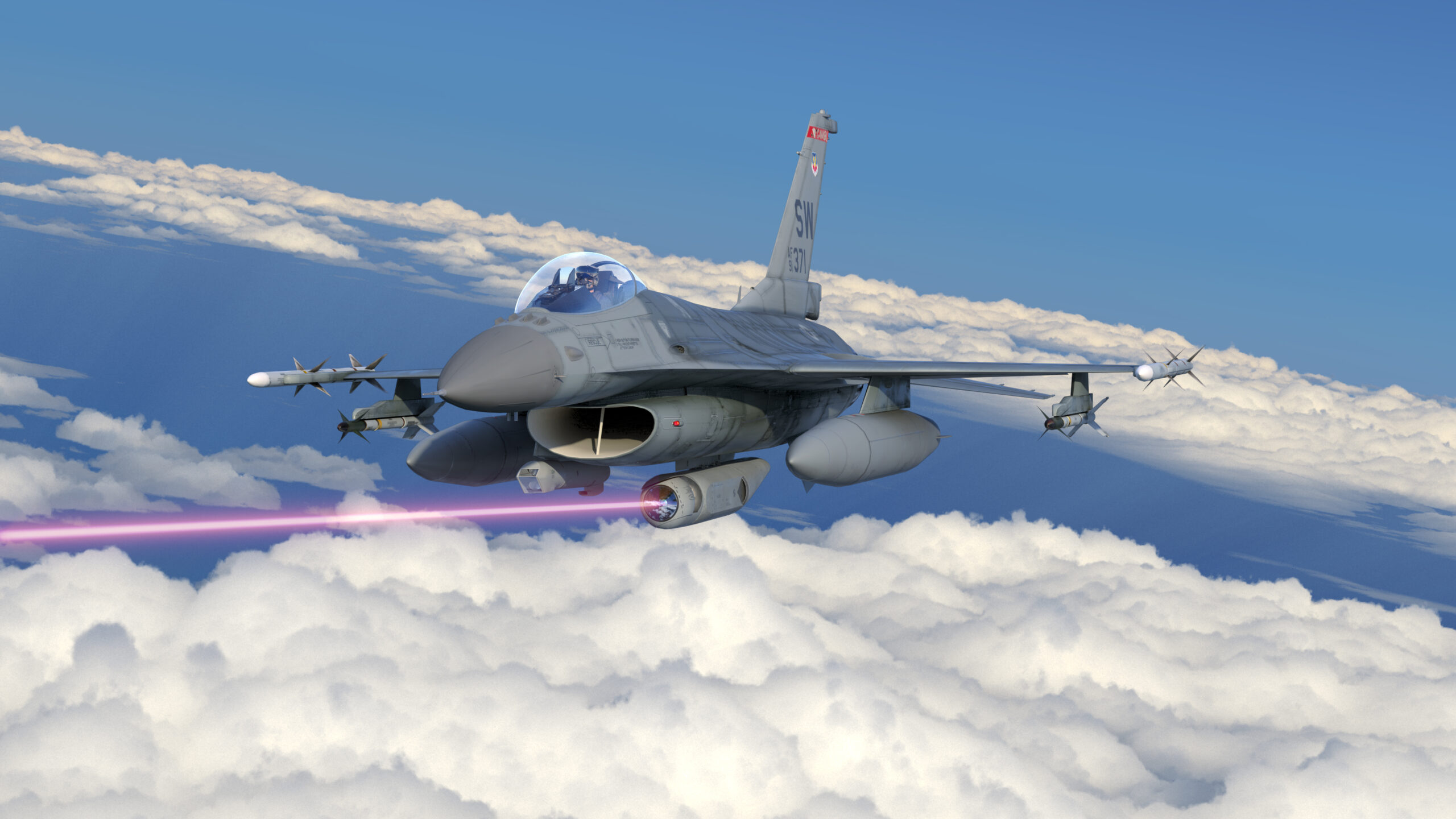
How do you keep a laser focused on a target moving at hundreds of miles per hour? The answer is crucial to Lockheed lasers being fitted on Army trucks and Air Force fighters over the next few years.

Do more with less: streamline workflows, reduce duplication, invest upfront to save long-term.

Contractors are already “bending metal” on components for both 50-kilowatt and 300-kW lasers, Army scientist Craig Robin said.
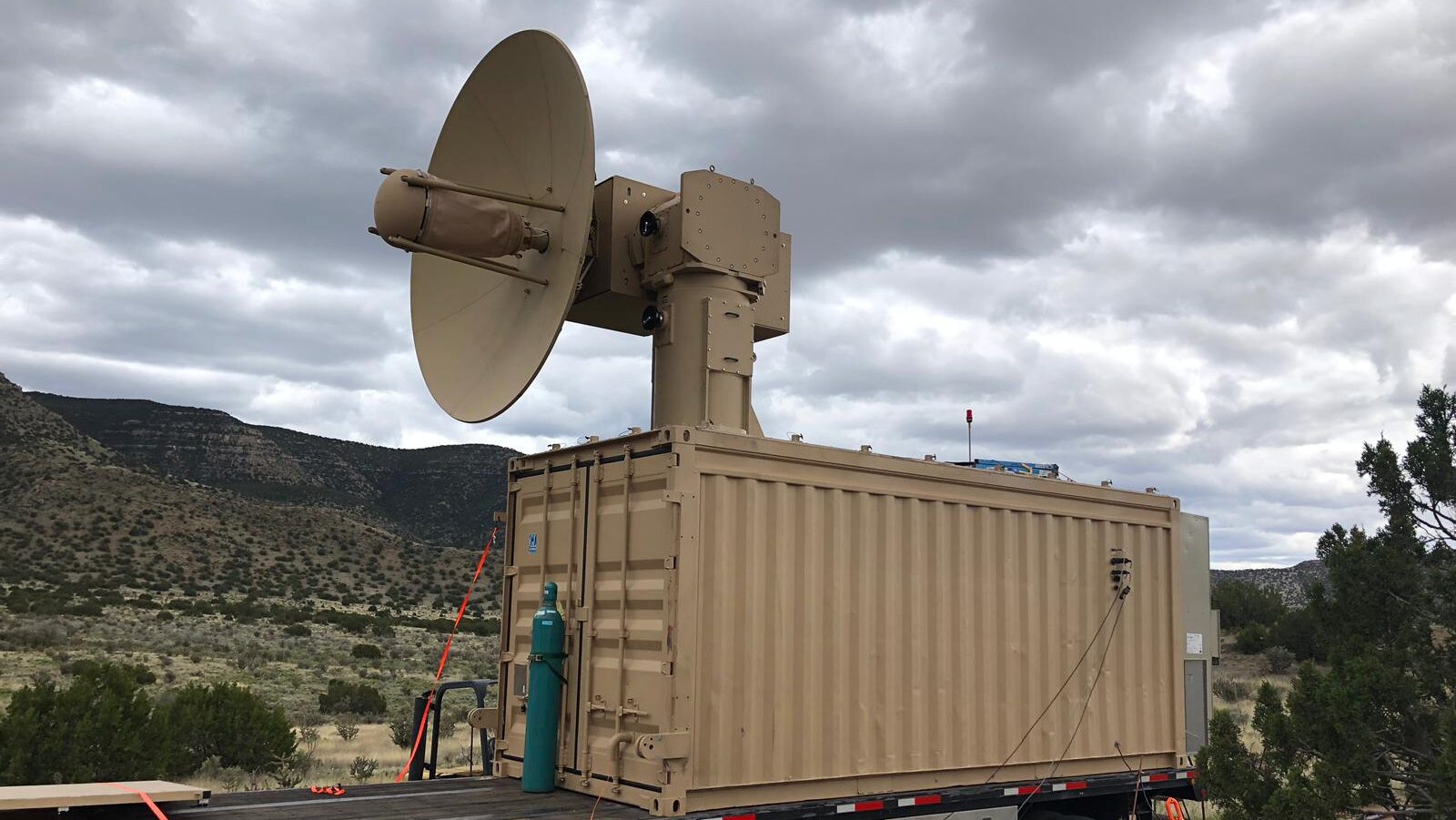
THOR puts high-powered microwaves to fry drone swarms' electronics in a rugged and deployable package.

Israel’s Rafael will soon ship the first missile defense battery to the US and wants to build a factory here. The really hard part: connecting Iron Dome to US Army command networks.

US and foreign missiles alike are welcome at next year’s missile defense “shoot off,” the Army’s acquisition chief told us, as long as they can share data with the Army’s IBCS command system.