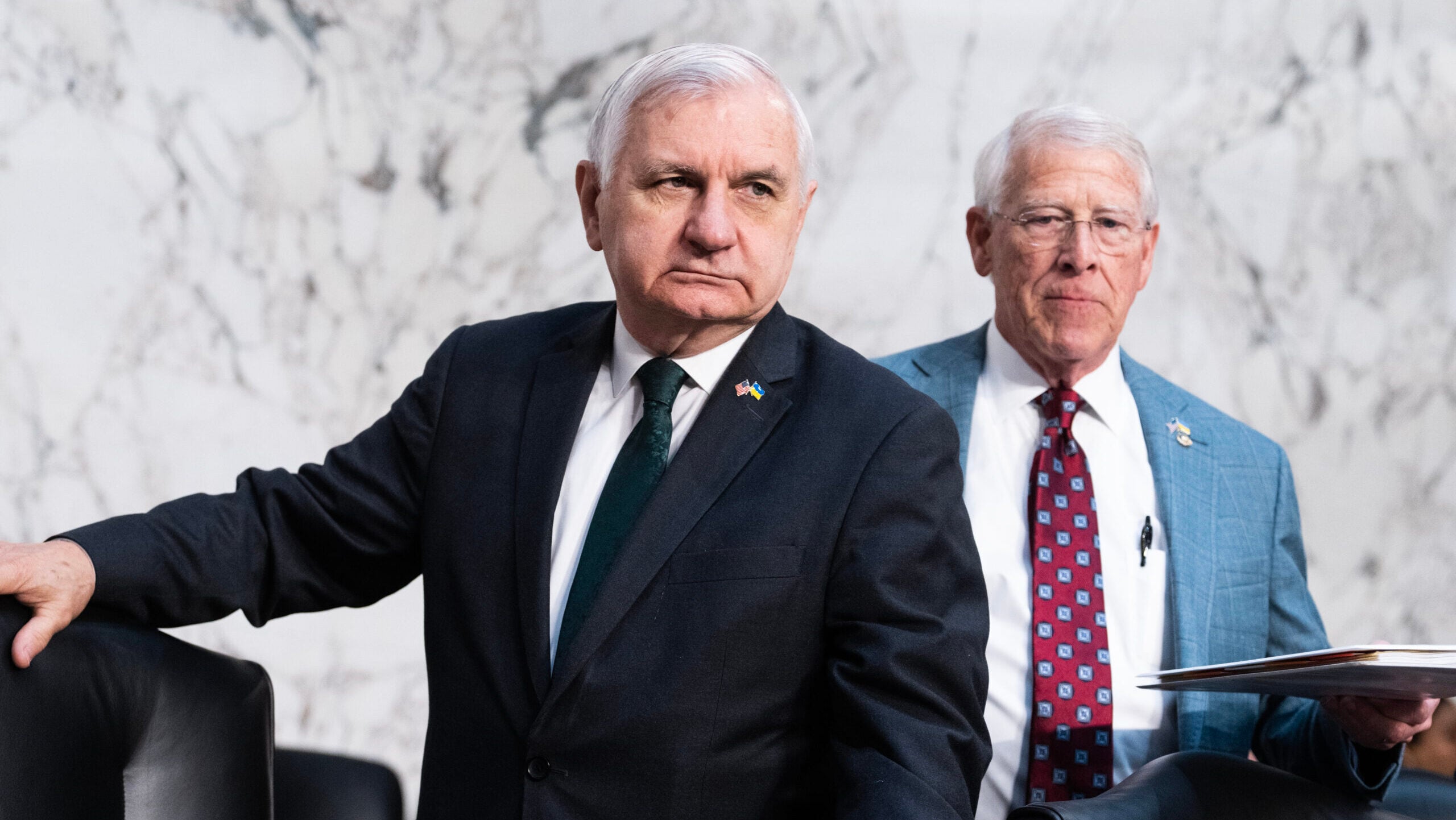
Reed: Congress ‘would have to’ codify Trump’s defense industry stock buyback mandates
The top SASC Democrat stopped short of supporting Trump's executive order, as a few defense firms said they're on board, at least publicly.
The top SASC Democrat stopped short of supporting Trump's executive order, as a few defense firms said they're on board, at least publicly.
Unlike a traditional budget, military funds from the One Big Beautiful Bill come with fewer legal strings attached for how the money is spent, prompting lawmakers to collect public pledges.


Agentic AI helps defense manufacturers speed up production, cut complexity and improve decision-making across global supply chains.
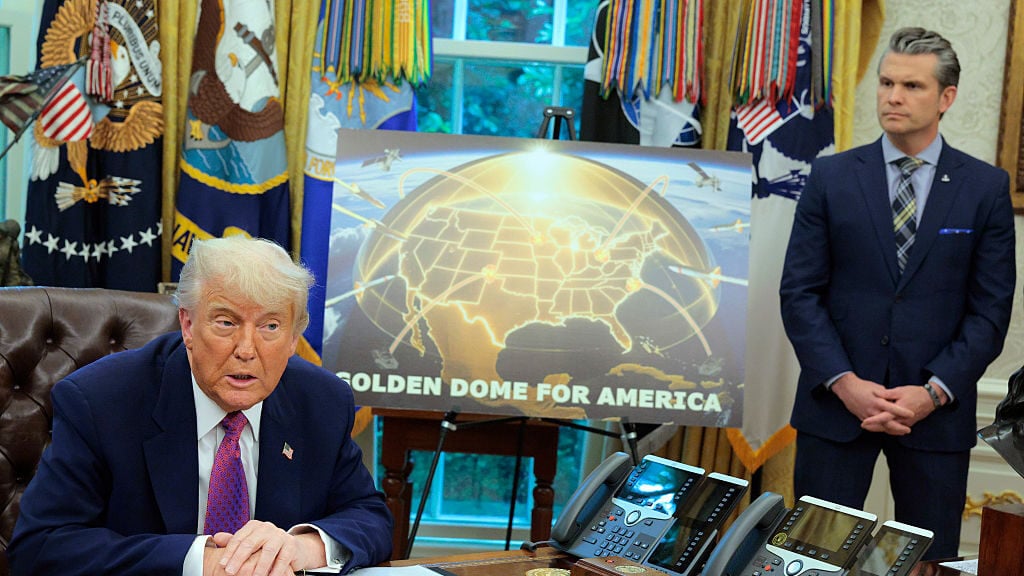
Funding contained in the bill is required for the Trump administration to hit $1 trillion in defense spending in fiscal 2026.

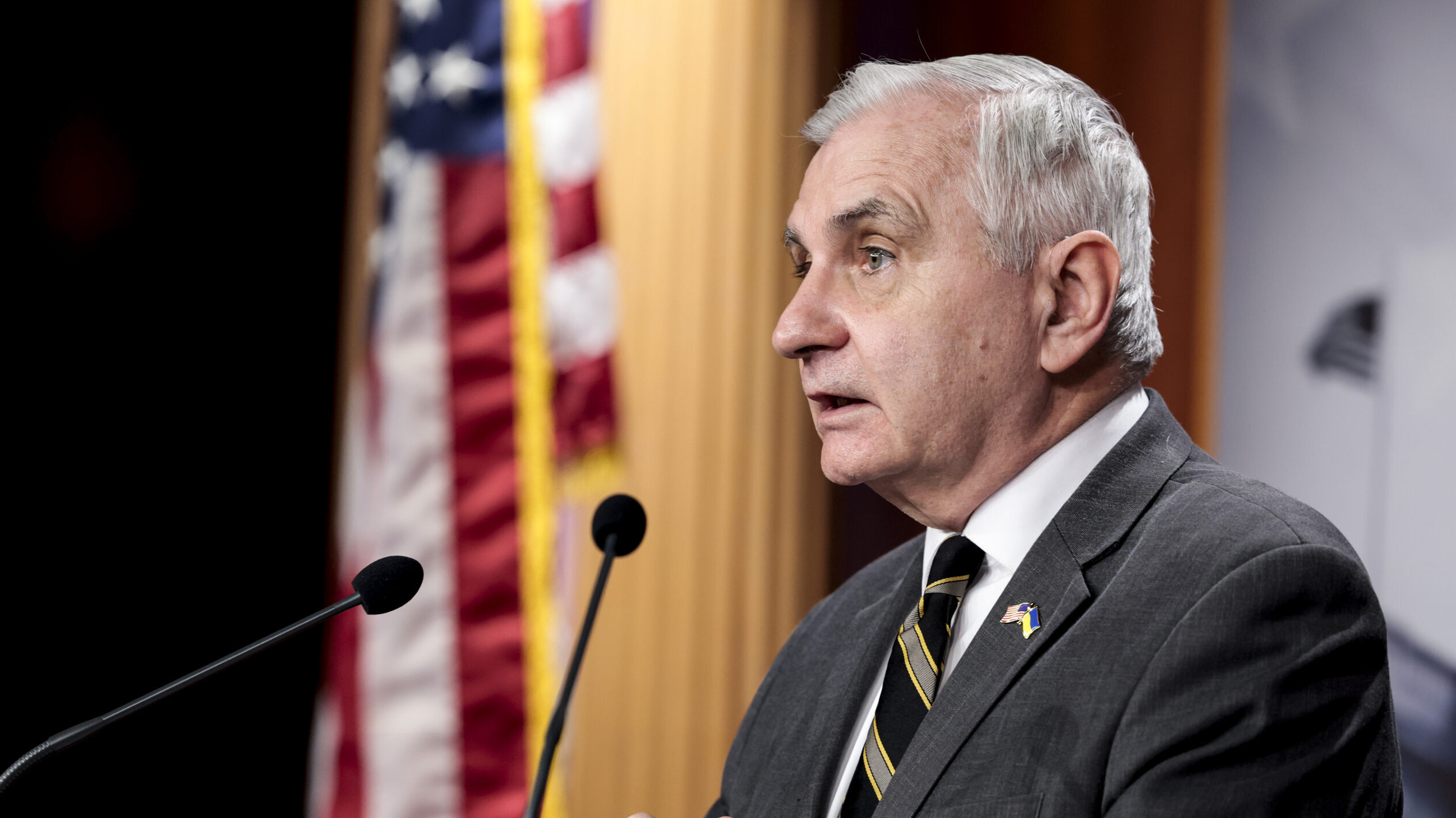
“I would be very pleased but very surprised that they could deliver within two or three years,” said Sen. Jack Reed, the ranking Democrat on the Senate Armed Services Committee.

Signalling the political shift in Congressional leadership, Jack Reed, the Democratic senator from Rhode Island who led the committee under the prior administration, is now the Ranking Member of SASC (119th Congress), with Sen Roger Wicker (R-MS), presiding as Chair.

“I stand by my record, but at this point, I think there's a very delicate diplomatic process going on where the President is rightfully trying to resuscitate the peace process,” said Elbridge Colby, the nominee for the Pentagon's undersecretary of policy.

AI, autonomous systems, cyber, and EW converge as industry targets faster battlefield effects.
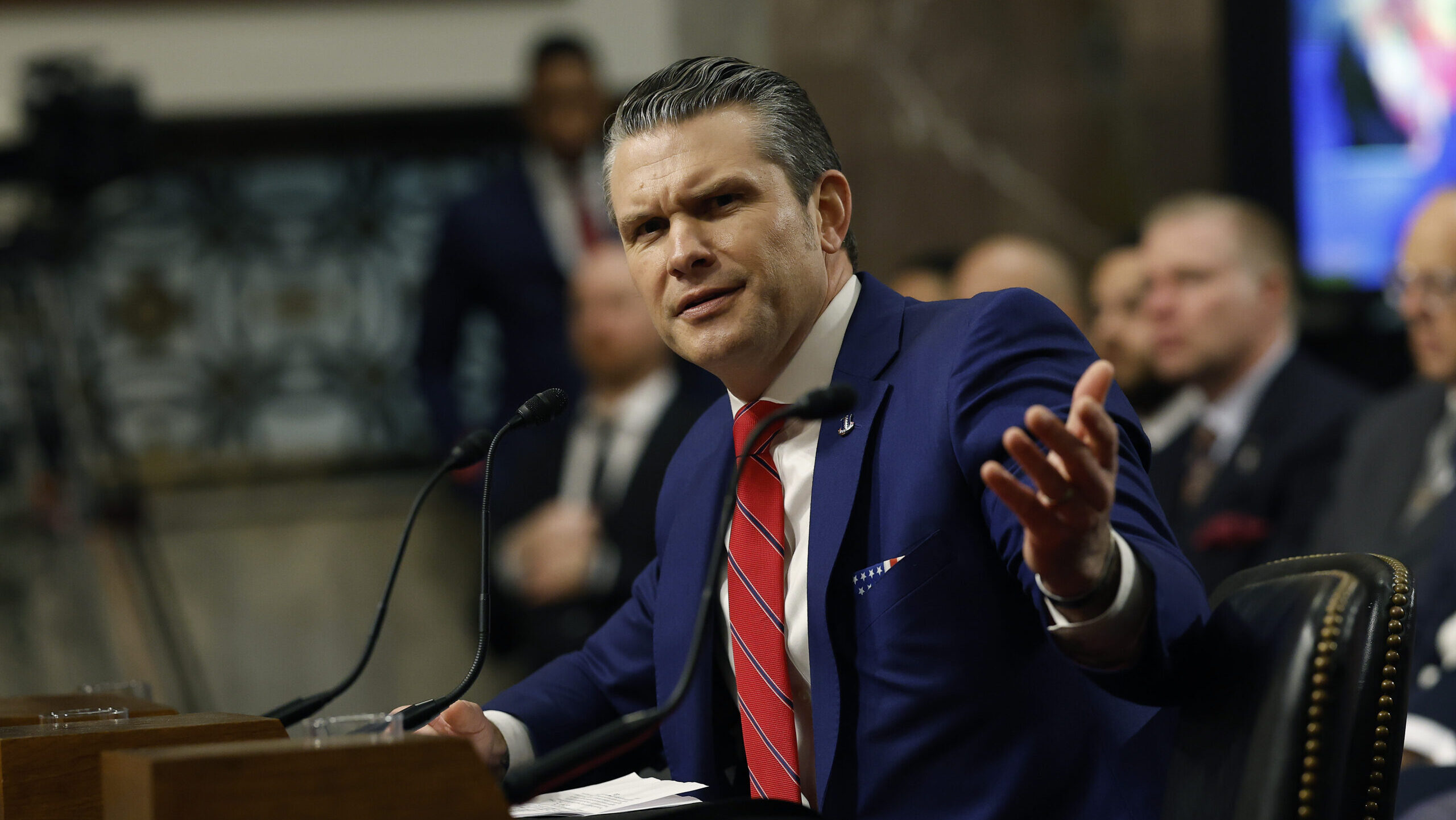
A tiebreaking vote by Vice President JD Vance was needed after Republican Sens. Lisa Murkowski, Susan Collins and Mitch McConnell joined Democrats to vote against Hegseth.

Lawmakers have been skeptical of the Navy's unmanned programs since 2019, but seem to be warming up to some more than others.

The policy, spearheaded by the House, will require agreement from the Senate before it stands a chance at becoming law.

Sen. Jack Reed told reporters that should the bill fail, he would look to busting the price cap on next year's defense authorization legislation.


As global navies adapt to evolving underwater threats, ASELSAN’s integrated sonar, countermeasure, and sonobuoy solutions offer a scalable, future-ready approach.
“[It could become] a real waste of time and resource if every nominee for any political position is held up, but made all the more nonsensical in that uniformed service members do not set policy,” said CNAS senior fellow Katherine Kuzminski.
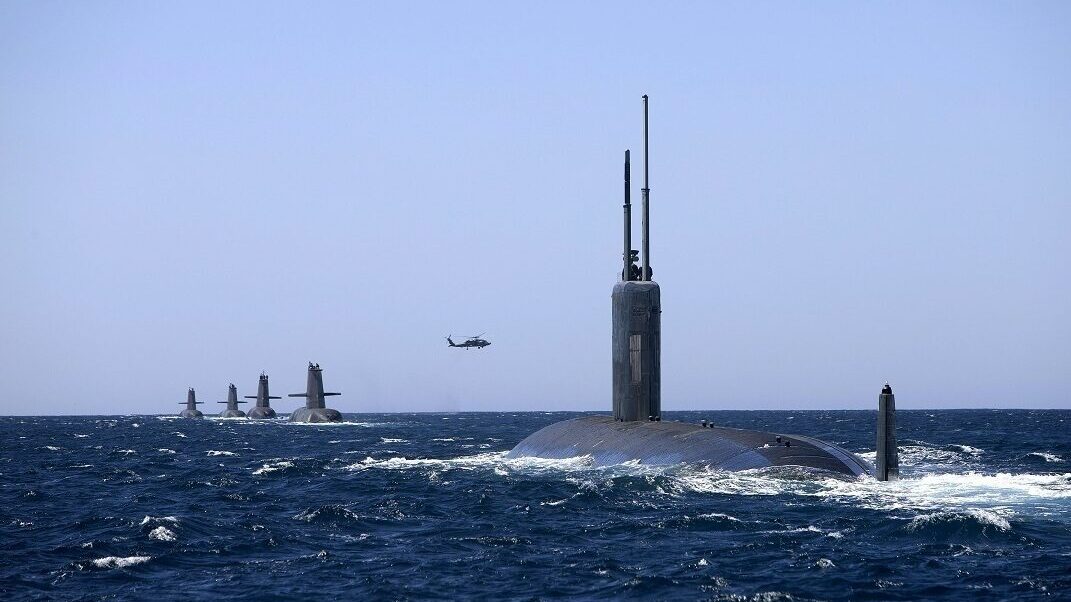
Key members of the House Armed Services Committee pushed back at the idea that AUKUS could be a "zero sum game" for nuclear submarines.
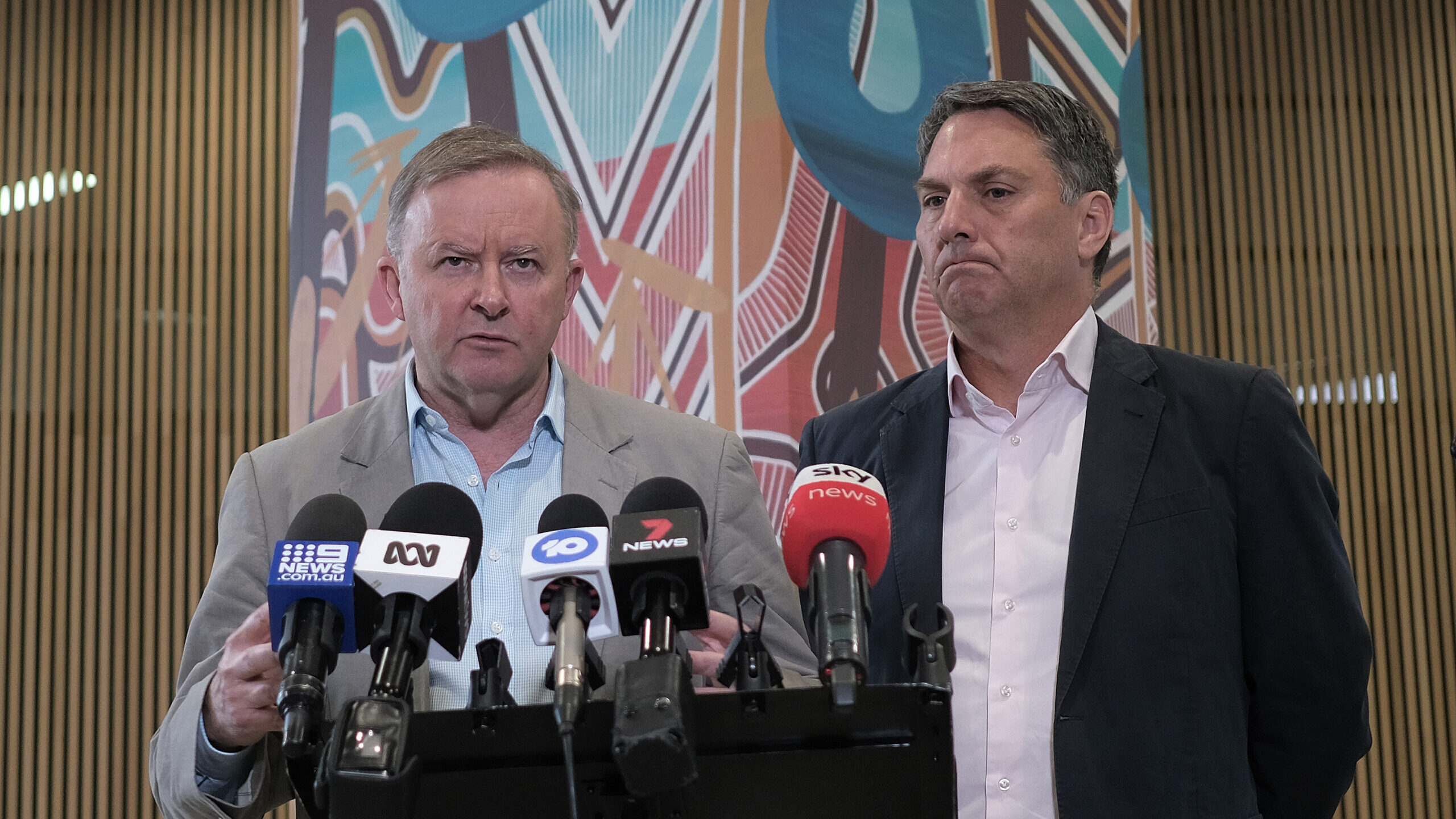
A letter from key US lawmakers has raised concerns about the AUKUS plan down under.

"We are concerned that what was initially touted as a 'do no harm' opportunity to support Australia and the United Kingdom and build long-term competitive advantages for the U.S. and its Pacific allies, may be turning into a zero-sum game for scarce, highly advanced U.S. SSNs," wrote the SASC heads.