
Don’t blow the budget on ChatGPT: Army CIO sounds alarm on big bills for GenAI
“Let’s not have a bazillion flowers blooming in this space,” said Leonel Garciga. “That gets expensive very fast, and it gets really hard to protect our data.”
“Let’s not have a bazillion flowers blooming in this space,” said Leonel Garciga. “That gets expensive very fast, and it gets really hard to protect our data.”
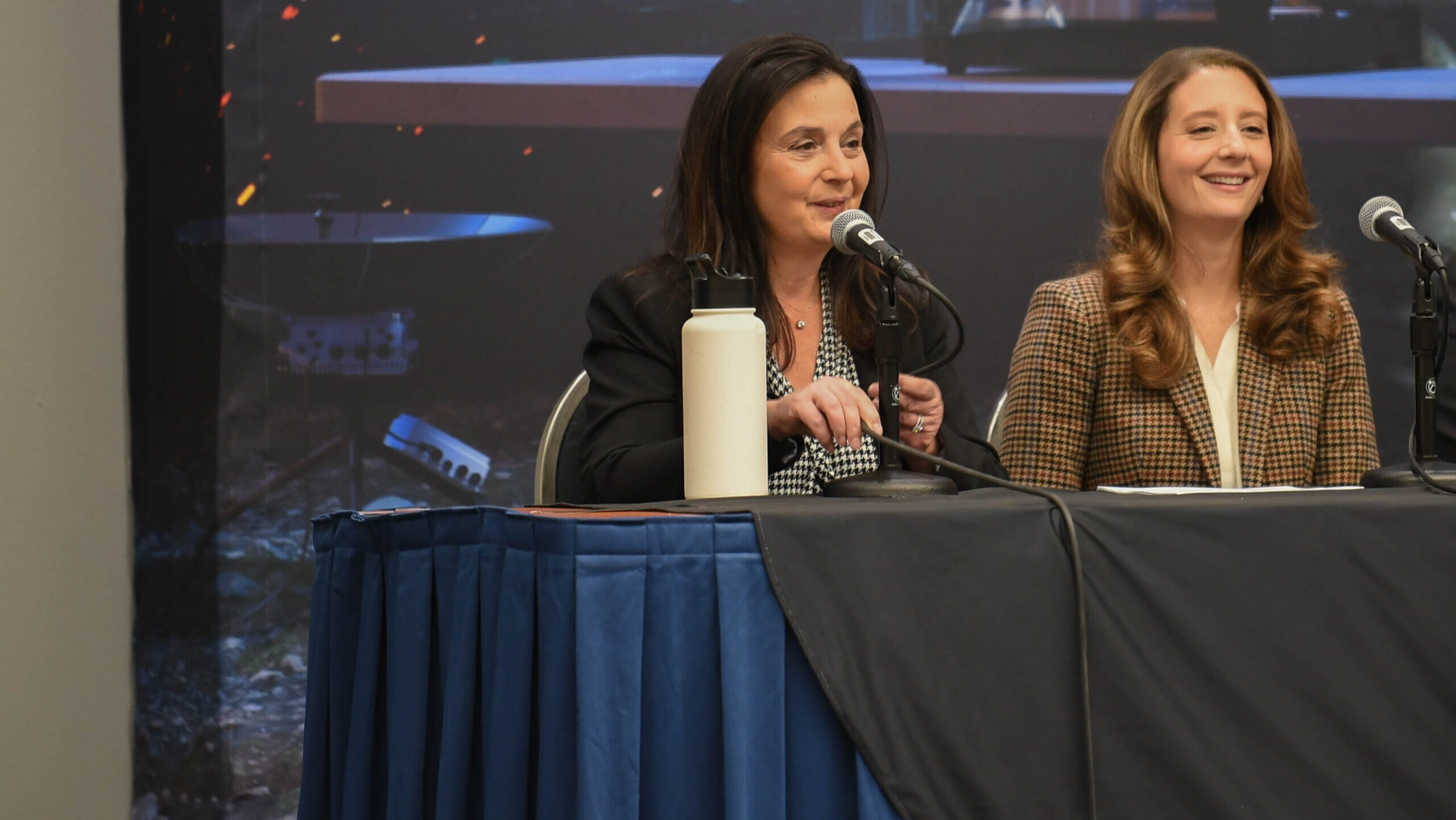
“We put out our second draft on Friday; the deadline for feedback is Oct. 25, so you have about a week and a half left,” software acquisition chief Jennifer Swanson told contractors at AUSA. “Please, please give us feedback.”


“Tactical operating system” for warfighters has evolved to provide more situational awareness of the battlefield.

"If some companies don't want to bid on a contract, it's a free country. Don't bid. Others will," Doug Bush said. "My goal is simply to get the capability for the Army, not to make everybody happy."
“Many of the right things were said publicly,” Warren Katz, chairman of the Alliance for Commercial Technology in Government, told Breaking Defense. “However, those sentiments do not seem to have translated into the RFI and directive documents.”

The service previously announced another initiative, dubbed #DefendAI, all of which are shaping its year-long dive into the cutting-edge tech.

One of the hopeful uses of the new LLM is for the government to create contracts at a quicker rate.


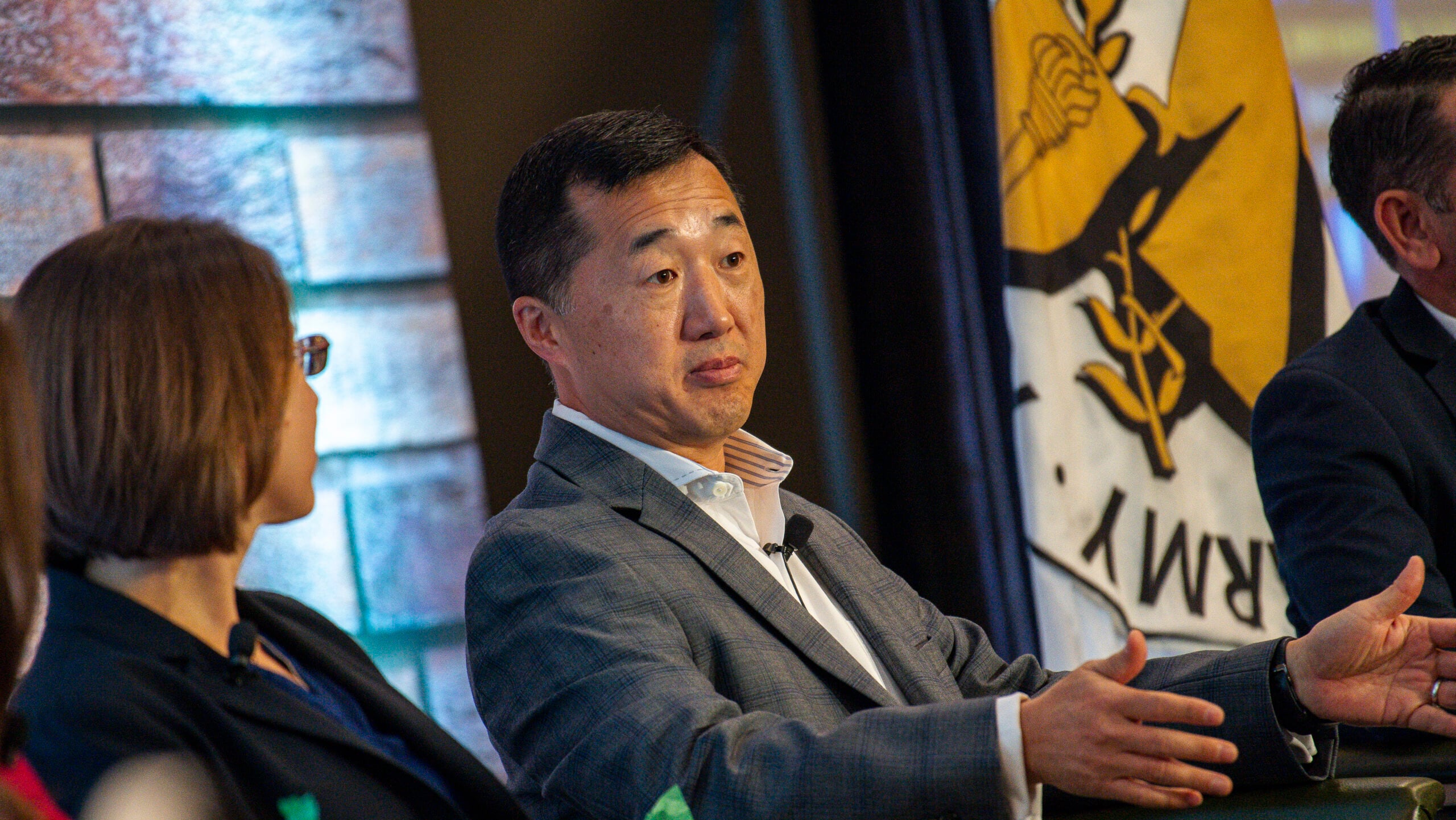
Reducing cognitive overload on warfighters while improving “time to trust” for autonomous systems is a matter of design.
The Army presented a conceptual security plan that involves layers of security for AI use, but wants help ironing out the details.

“Any commercial LLM that is out there, that is learning from the internet, is poisoned today,” Jennifer Swanson said, “but our main concern [is] those algorithms that are going to be informing battlefield decisions.”
The service is also currently developing a risk management framework for Project Linchpin, the Army’s first program of record to help build out a trusted artificial intelligence/machine learning pipeline, according to Jen Swanson, deputy assistant secretary of the Army for data, engineering and software.

Young Bang, principal deputy assistant secretary of the Army for acquisition, logistics and technology, said the effectiveness of high- and low-tech fighting was "pushing into our guiding principles."

The military space sector is evolving fast. Get the latest from Space Force and industry officials on what’s next for acquisition, policy and training in a new Breaking Defense eBook.

Through digital engineering, the Army wants to move from manual processes to an all-digital environment, so much so that deputy assistant secretary of the Army for data, engineering and software Jennifer Swanson told Breaking Defense she hopes Army projects would be "born digital" within a few years.
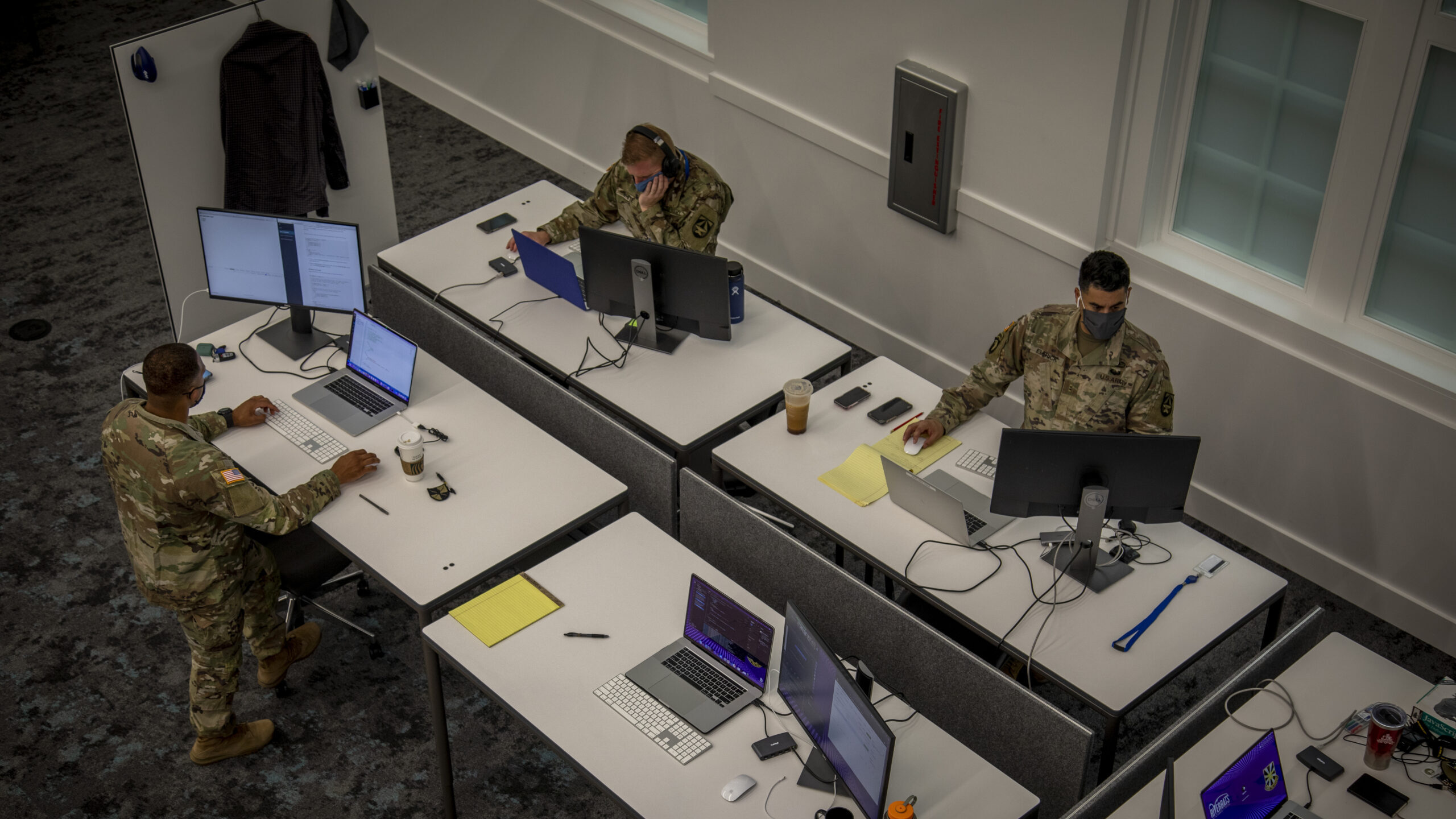
Today, just nine of the Army’s 540 acquisition programs use the streamlined Software Pathway, but senior officials told Breaking Defense in an exclusive interview they aim to "exponentially" increase that number by the end of next year.
A new “innovation exchange” is being stood up at Aberdeen Proving Ground, Md., for industry vendors to test solutions for the Army’s yet-to-be-released Unified Data Reference Architecture.