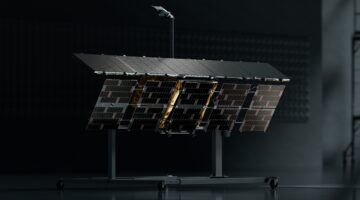
Russian satellite stalked ICEYE spacecraft in potentially dangerous on-orbit maneuvers
The Cosmos 2612 came within 500 meters (about a third of a mile) to US-flagged ICEYE-X36 believed to be supporting Ukraine, according to LeoLabs.
The Cosmos 2612 came within 500 meters (about a third of a mile) to US-flagged ICEYE-X36 believed to be supporting Ukraine, according to LeoLabs.
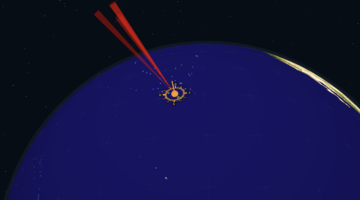
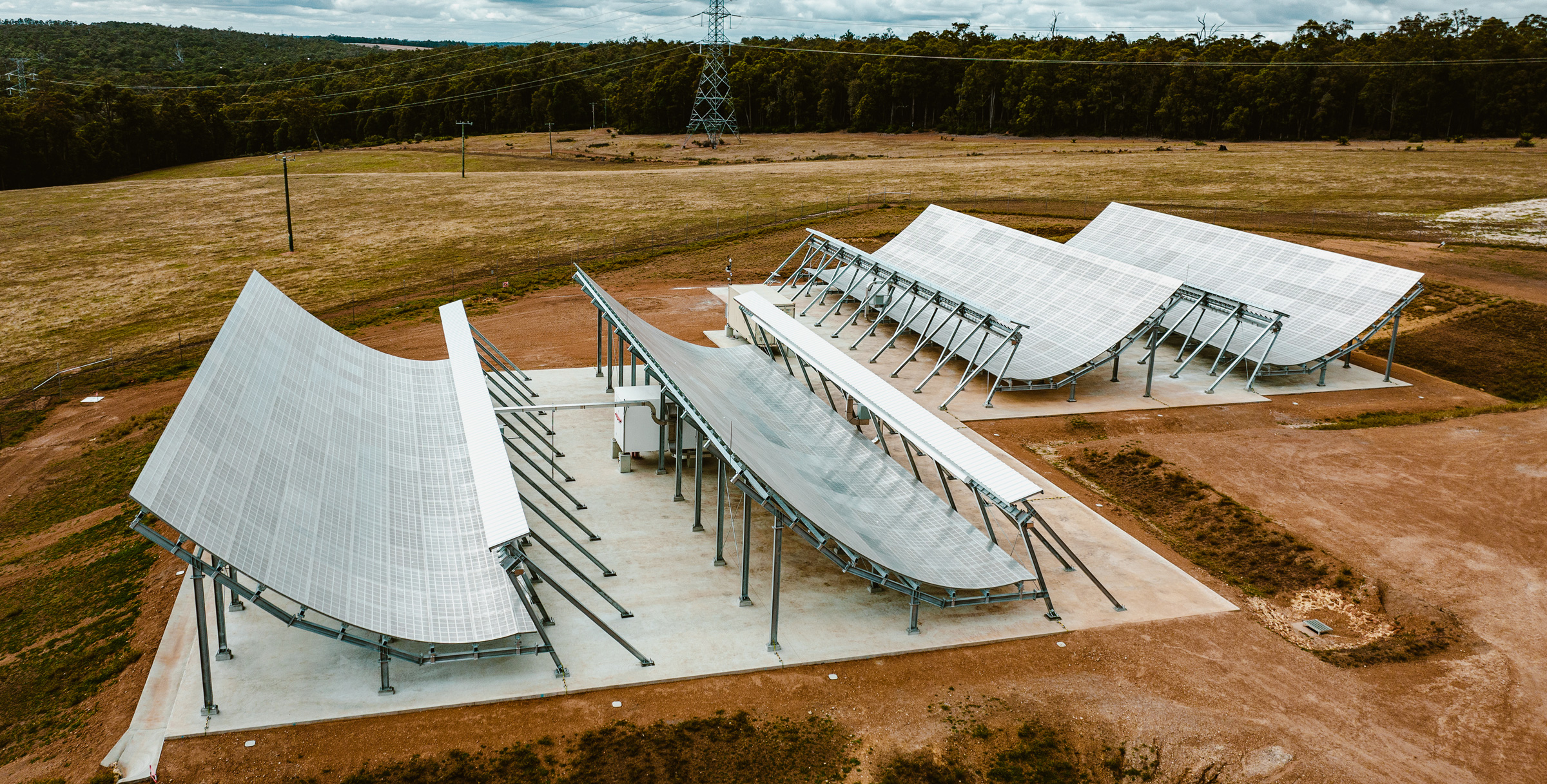
LeoLabs also intends to deploy multiple Scout-S mobile phased array radars to fill gaps in its current network of 12 larger radar facilities around the globe.

Army vehicles like Bradley need greater power at the sprocket for speed, braking, and manueverability.
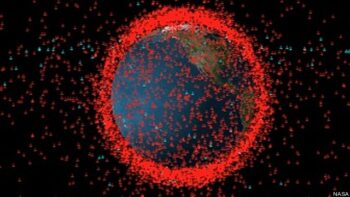
Three Chinese rocket bodies have exploded over the last four years, creating dangerous debris that "will linger for decades to centuries, potentially colliding with other space objects," LeoLabs study author Darren McKnight told Breaking Defense.
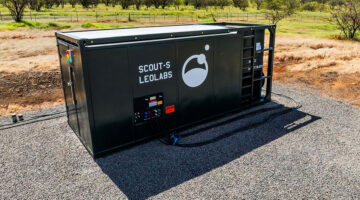
The new Scout-S radar will remain operational after Valiant Shield ends July 1, and already is contributing data to LeoLab's space monitoring network, the company said.
The goal of the collaborative effort was to show that commercial data can help close the time lag between when a satellite is released into orbit from a rocket to when the Space Force can reliably track it and put the trajectory coordinates into the military's catalog of space objects, said Kayhan CEO Siamak Hesar..
Dan Ceperley, the company's chief operating officer, told Breaking Defense that VLEO — typically defined as between 150 and 350 kilometers in altitude — is increasingly being used, including by Russia and China.

Decentralized Embodied Collaborative intelligence enables better reconnaissance, logistics and combat capabilities.

Hiding in the sun, launching mini satellites and radar absorbent materials are just some of the tricks nations are using to hide their military satellites in orbit.

"I would imagine that as Department of Commerce continues to mature this concept, we will definitely want to take advantage of what they're doing," said Vice Chief of Space Operations Gen. Michael Guetlein.
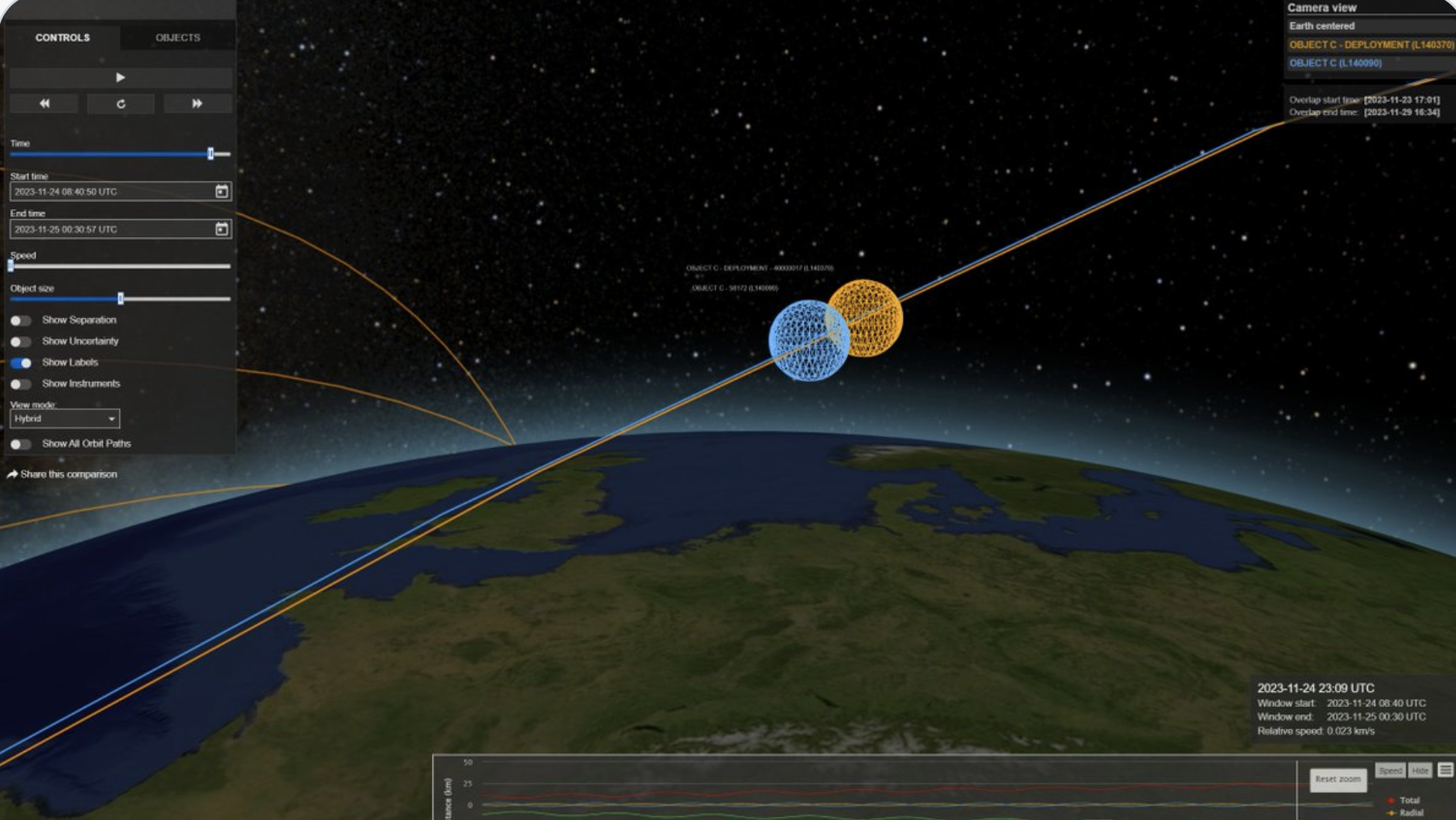
The company said that on Thanksgiving, for instance, a Russian satellite's sub-satellite — in a Matryoshka-style — released yet another satellite, in what a LeoLabs analysis said could've been timed for fewer American eyes on the sky.
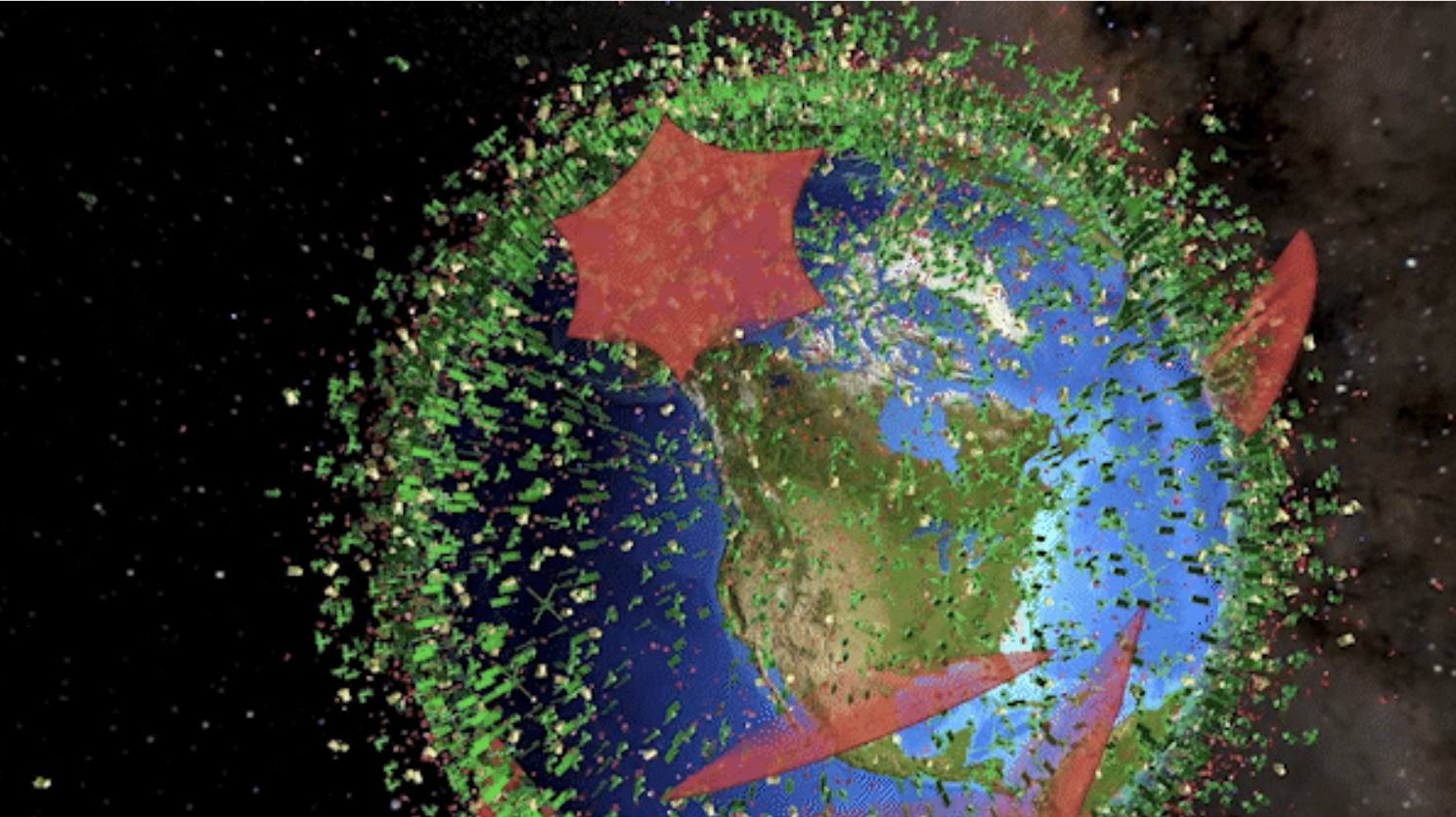
Russian and Chinese anti-satellite tests are responsible for "pretty much 20 percent" of "conjunction" warnings, that is predictions that two space objects are likely to collide, in 2022, said the State Department's Eric Desautels.

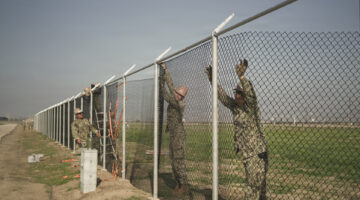
Traditional thinking about how to protect facilities must adapt to new threats such as drones or downstream attacks.
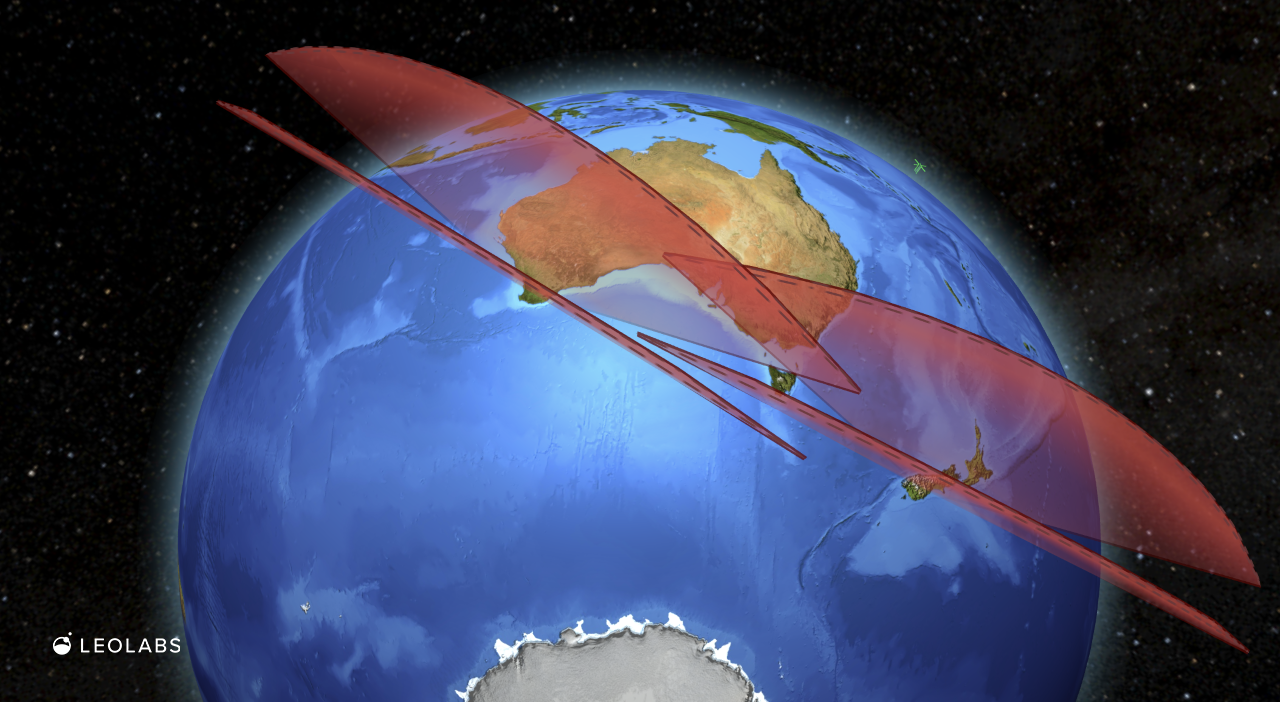
"More geographic coverage helps revisit rates, so we see satellites more frequently. Which is quite critical," LeoLabs CEO Dan Ceperley told Breaking Defense.
"It’s a new and encouraging step in the right direction in terms of space domain awareness and a welcome collaboration within the industry," said Denis Bensousan, of London-based insurance firm Beazley.
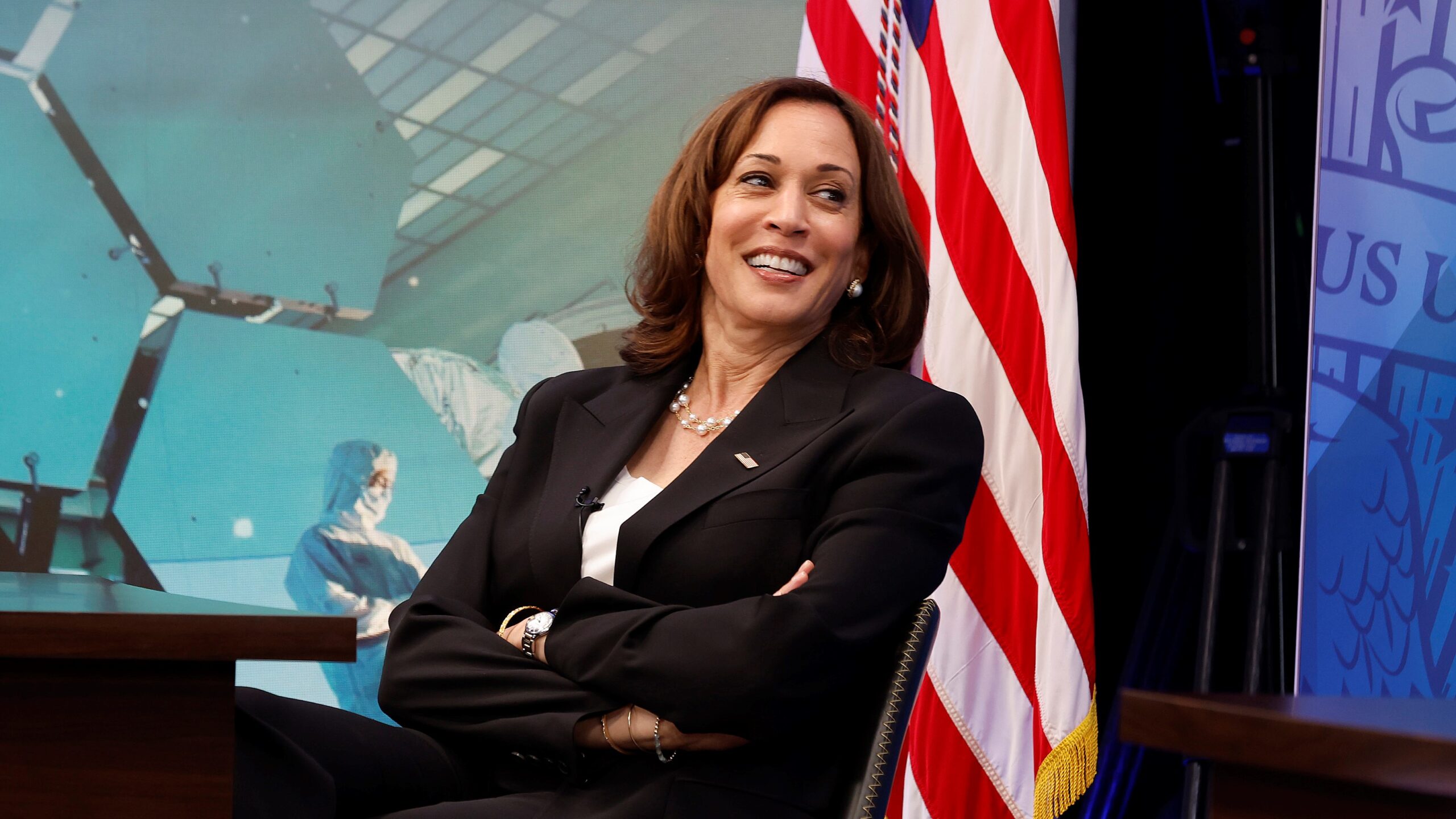
"I'm happy to announce that with our partners at the DoD, we've signed a memorandum of understanding of agreement that will drive our mutual work," Don Graves, Commerce deputy director, told the second public meeting of the National Space Council, chaired by Vice President Kamala Harris.
"It's a big acknowledgement that [Low Earth Orbit] is expanding rapidly. It's of national importance. It's of commercial importance. And there's a need to have more eyes on the sky," CEO Dan Ceperley told Breaking Defense in an interview.