
IBCS: Army Launches Massive Army Missile Defense Test
Postponed seven weeks by the pandemic, the high-stakes field test of the IBCS missile defense network is now back on, with elaborate precautions against COVID-19.
Postponed seven weeks by the pandemic, the high-stakes field test of the IBCS missile defense network is now back on, with elaborate precautions against COVID-19.

On the 22nd of April, Iran surprised the world by successfully launching the Noor satellite, using a previously unknown Satellite Launch Vehicle (SLV) which they call Qased. The US Space Force confirmed that Noor reached orbit, together with a second object, assessed as the spent upper stage. A detailed analysis of the Qased, based on […]

It's been a whirlwind of a year — and the defense establishment has plenty of thoughts on how it's unfolded and what might come next.

Skeptical senators on the Senate Armed Services Committee want to slow down bleeding-edge prototypes, while building up more traditional weapons.

“Due to considerations of cost and timing, we have stopped the process of introducing the Aegis Ashore system,” Japanese Defense Minister Toro Kono said. “For the time being, Japan will continue to counter (missile threats) with Aegis-equipped ships.”

"I have great hopes that this administration, with its bold unilateral actions on so many fronts, would take unilateral action with this regime on UAVs," says Keith Webster, former DoD head of defense cooperation.

The Army wants to do a tech demonstration in the southwestern desert – COVID permitting – of how the new weapons systems it’s developing can share data.

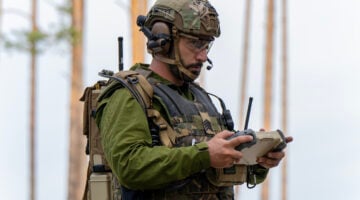
Reducing cognitive overload on warfighters while improving “time to trust” for autonomous systems is a matter of design.
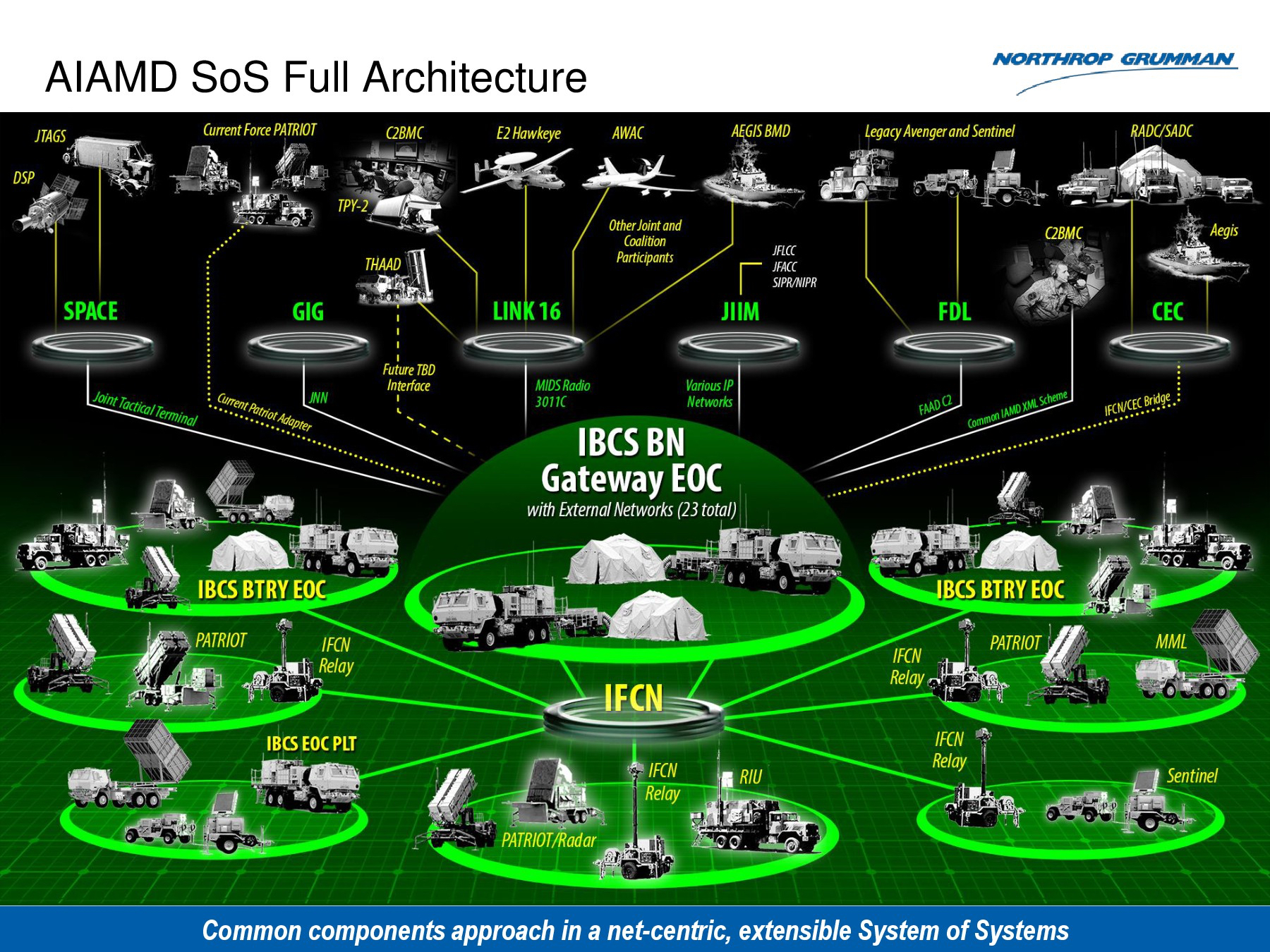
The Army’s eager to link its missile defense C2 network to the Air Force, Navy, and Marines – as long as that doesn’t slow the millisecond timing required to hit high-speed targets.
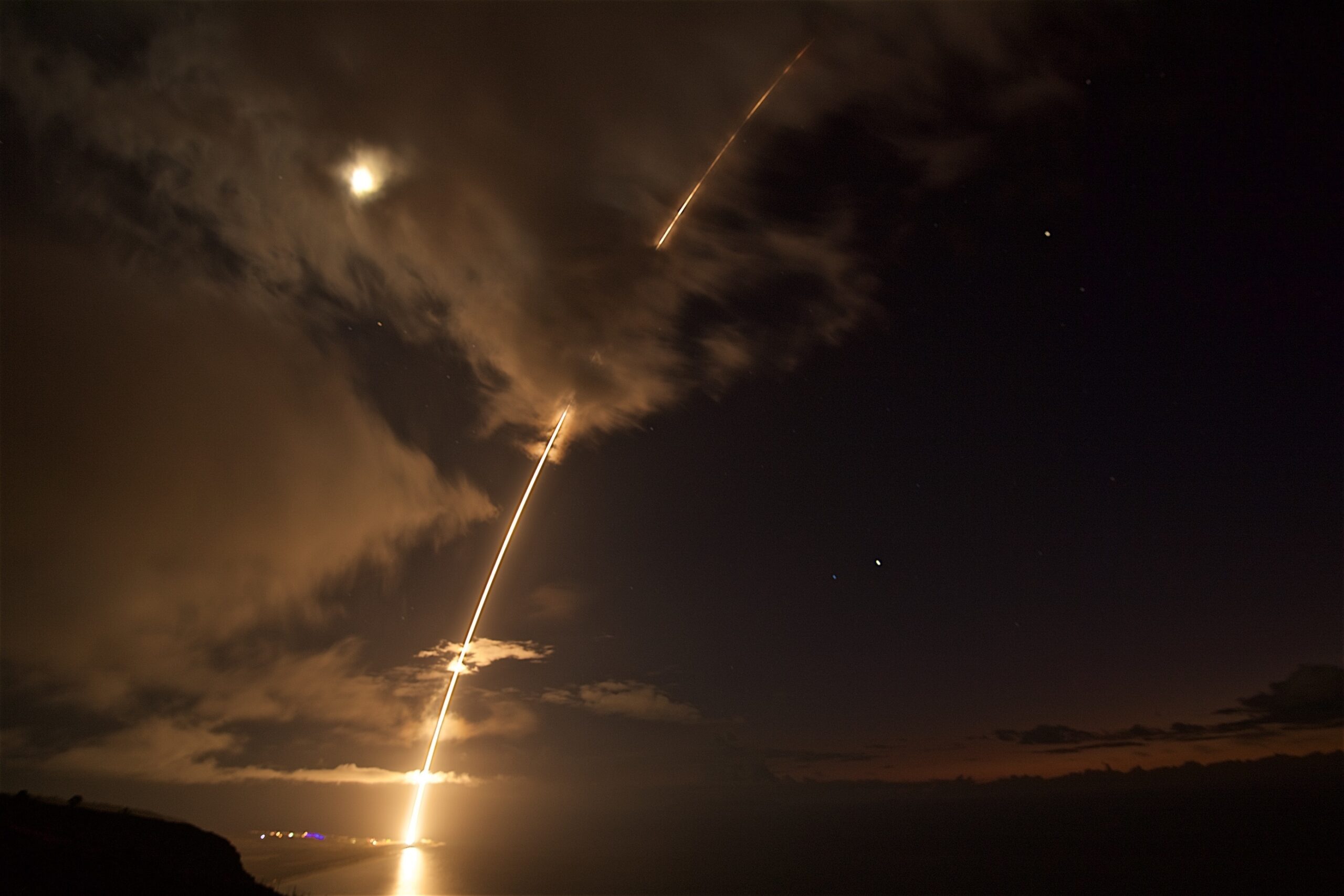
"We'll take anybody's sensors," MDA's John Bier said, "as long as it contributes to the missile warning, missile defense and space domain environment."

After a failed attempt to replace the current missile killers, the Pentagon wants to hurry and get the new technology online.
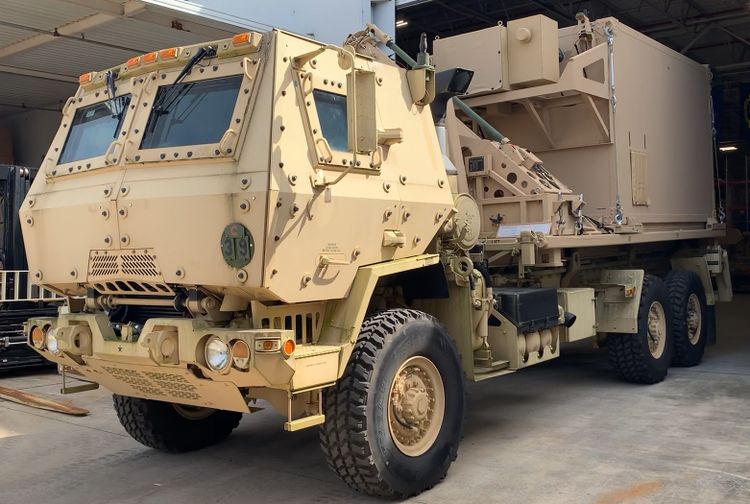
The long-awaited IBCS battle network is meant to connect a wide range of Army radars and weapons – and potentially other services’ as well – for anti-aircraft and missile defense.

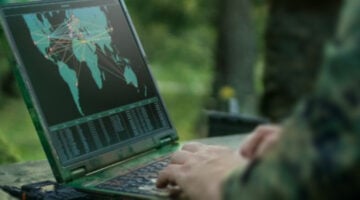
Why edge and endpoint security can’t be an afterthought.


The company is using extensive automation and a new generation of high-efficiency gallium nitride materials to accelerate development of the Lower-Tier Air & Missile Defense Sensor, LTAMDS.

"I like Dr. Griffin, but he should have come back to us and talked to us before he made that decision," complained Rep. Mike Rogers about funds for space-base sensors shifting to SDA.

US and foreign missiles alike are welcome at next year’s missile defense “shoot off,” the Army’s acquisition chief told us, as long as they can share data with the Army’s IBCS command system.
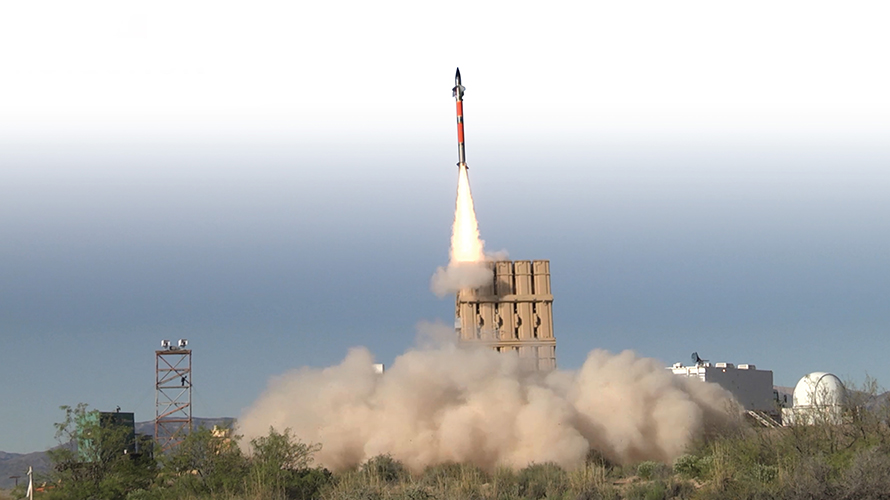
The Israeli-made system is incompatible with the US Army’s missile defense network, the head of Army Futures Command told us. So instead of buying more Iron Domes, he aims to hold a missile defense “shoot off” open to all comers.