
Peeking behind the veil: 5 revelatory space stories from 2024
This year saw evidence that a shift toward more openness about US national security space activities is coming whether those deep in the "black world" are ready or not.
This year saw evidence that a shift toward more openness about US national security space activities is coming whether those deep in the "black world" are ready or not.
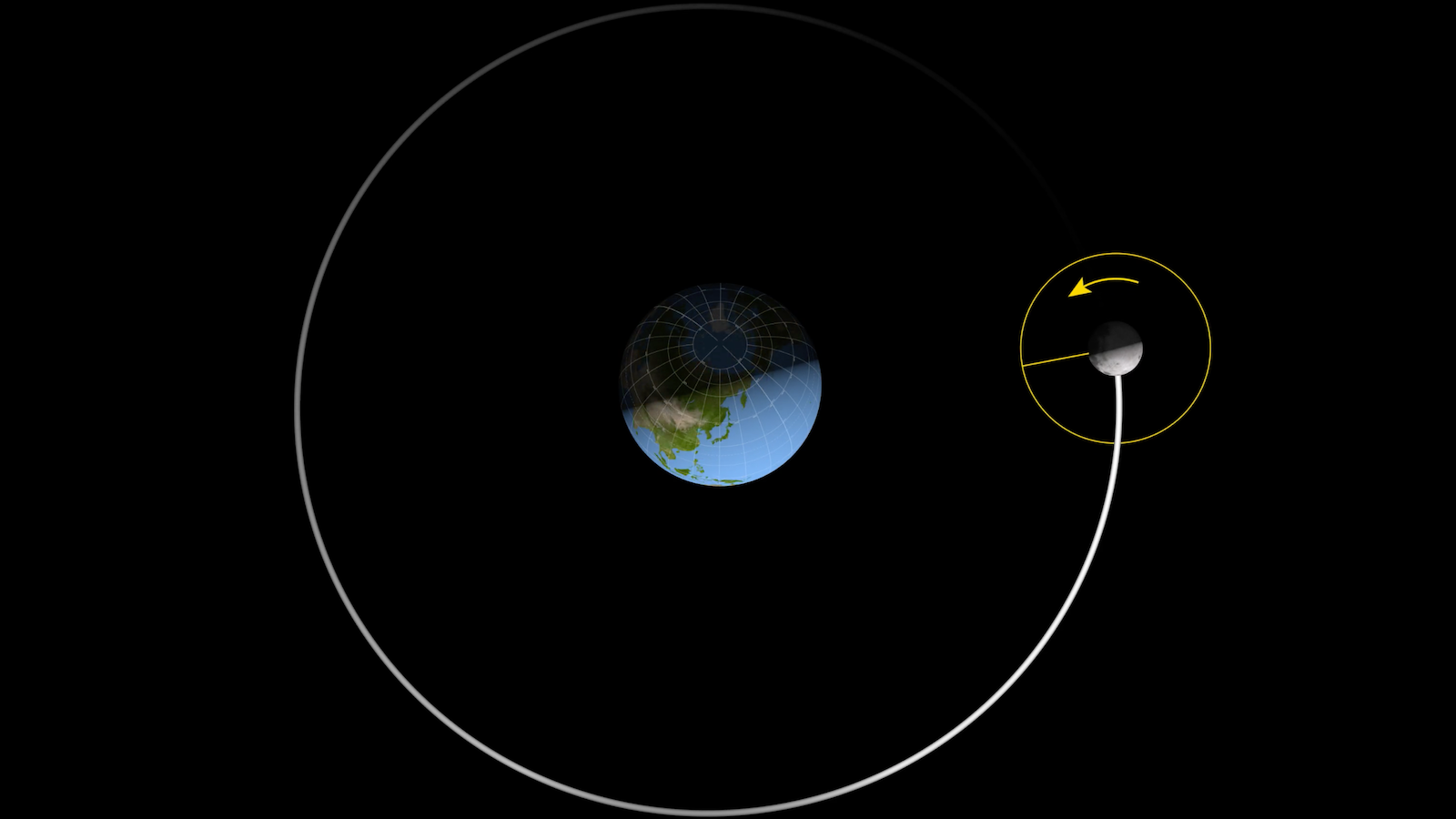
The new White House plan for cislunar S&T tasks DoD to lead development of new, and/or improvement of current, ground- and space-based sensors for monitoring the cislunar region.
Government can’t stop to update systems, so modernization has to happen without interruptions.
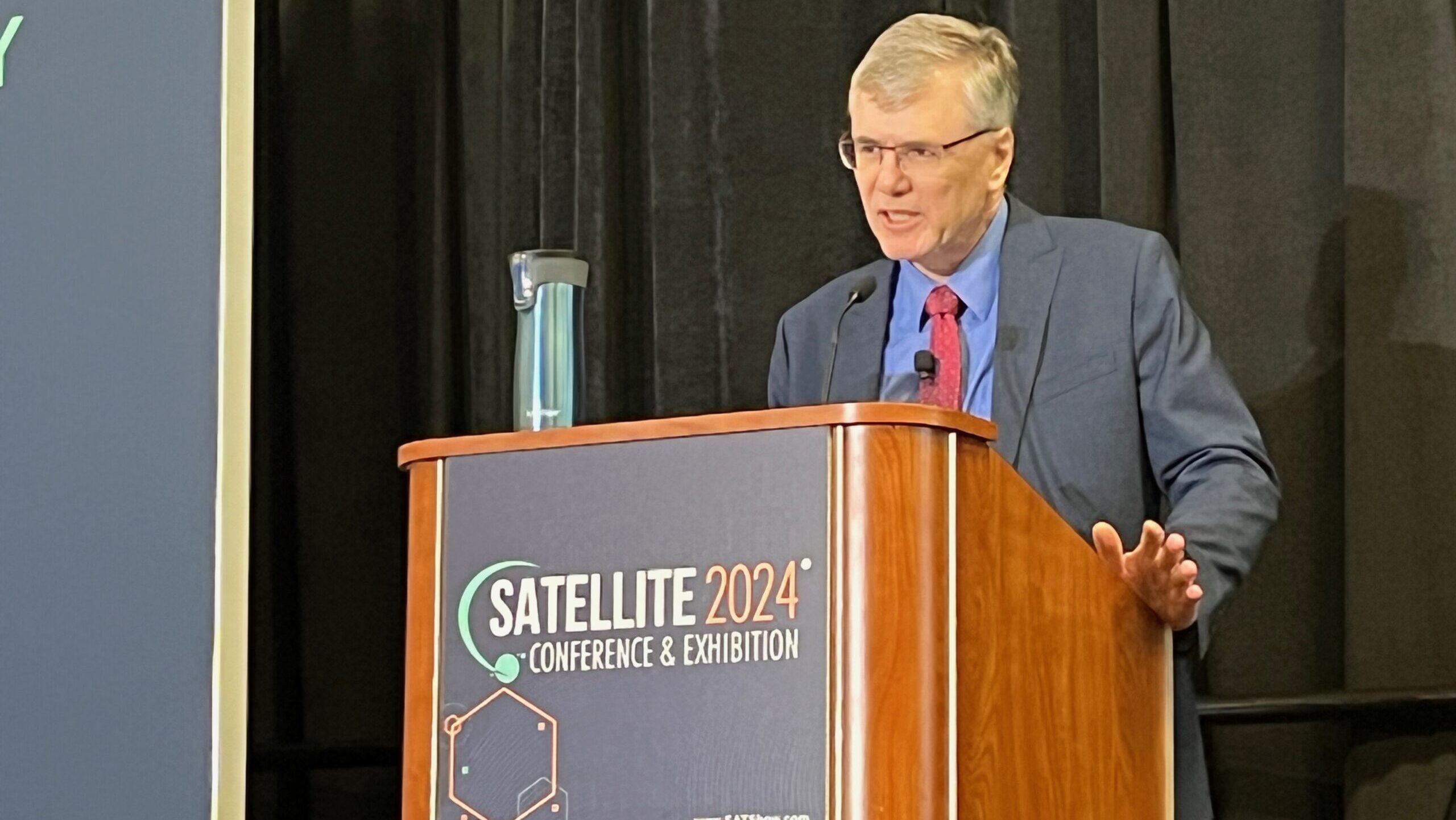
Meanwhile, Meink said the spy agency is sticking to what it sees as its primary lane in the interagency division of labor for commercial acquisition: "procuring pixels."
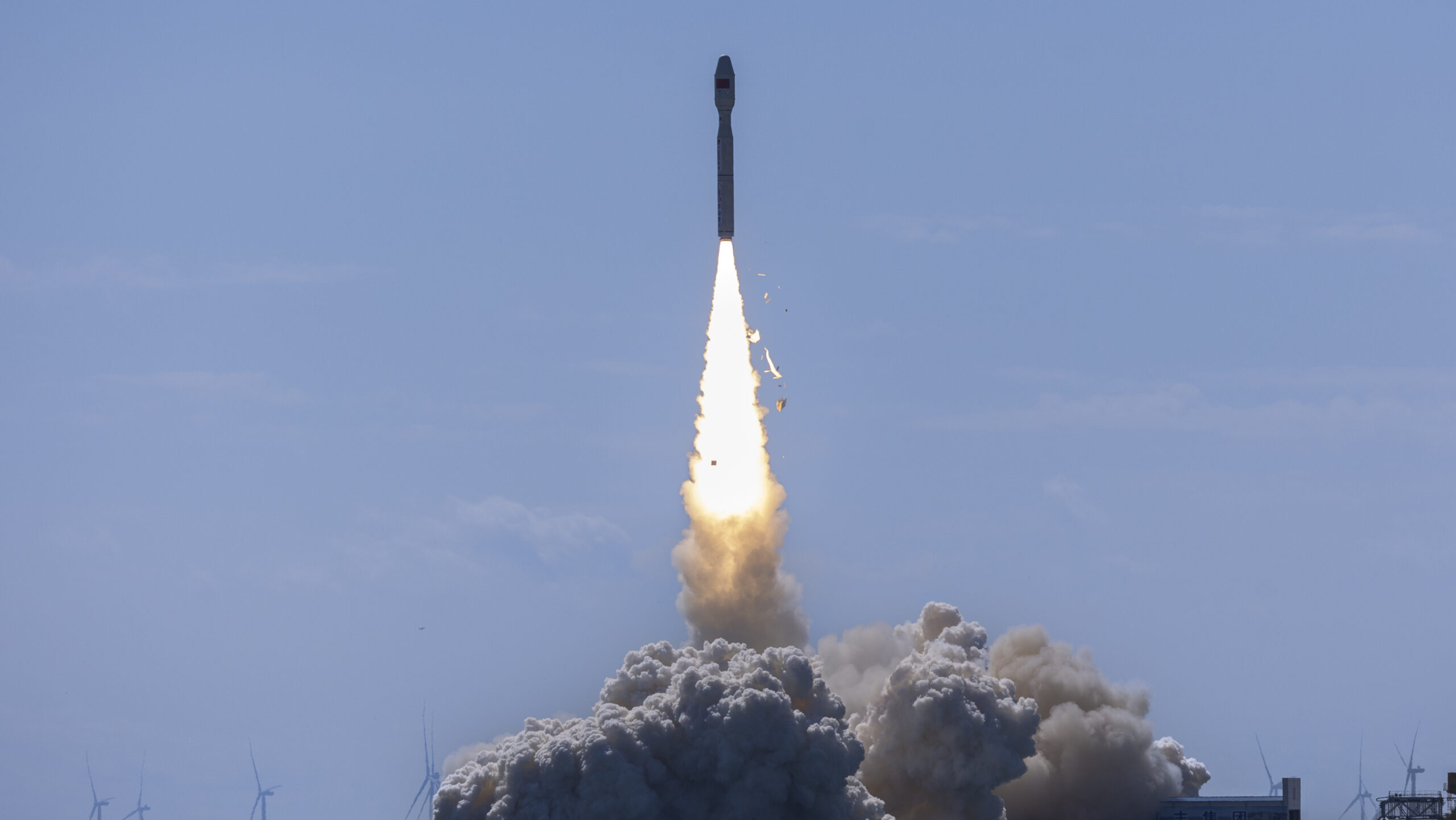
"The stakes are high. Should any one country dominate the commercial remote sensing market, not only could it gain economic advantages, but it would also control the information narrative about the entire planet, from the environment to natural resources to human conflict," the report concluded.
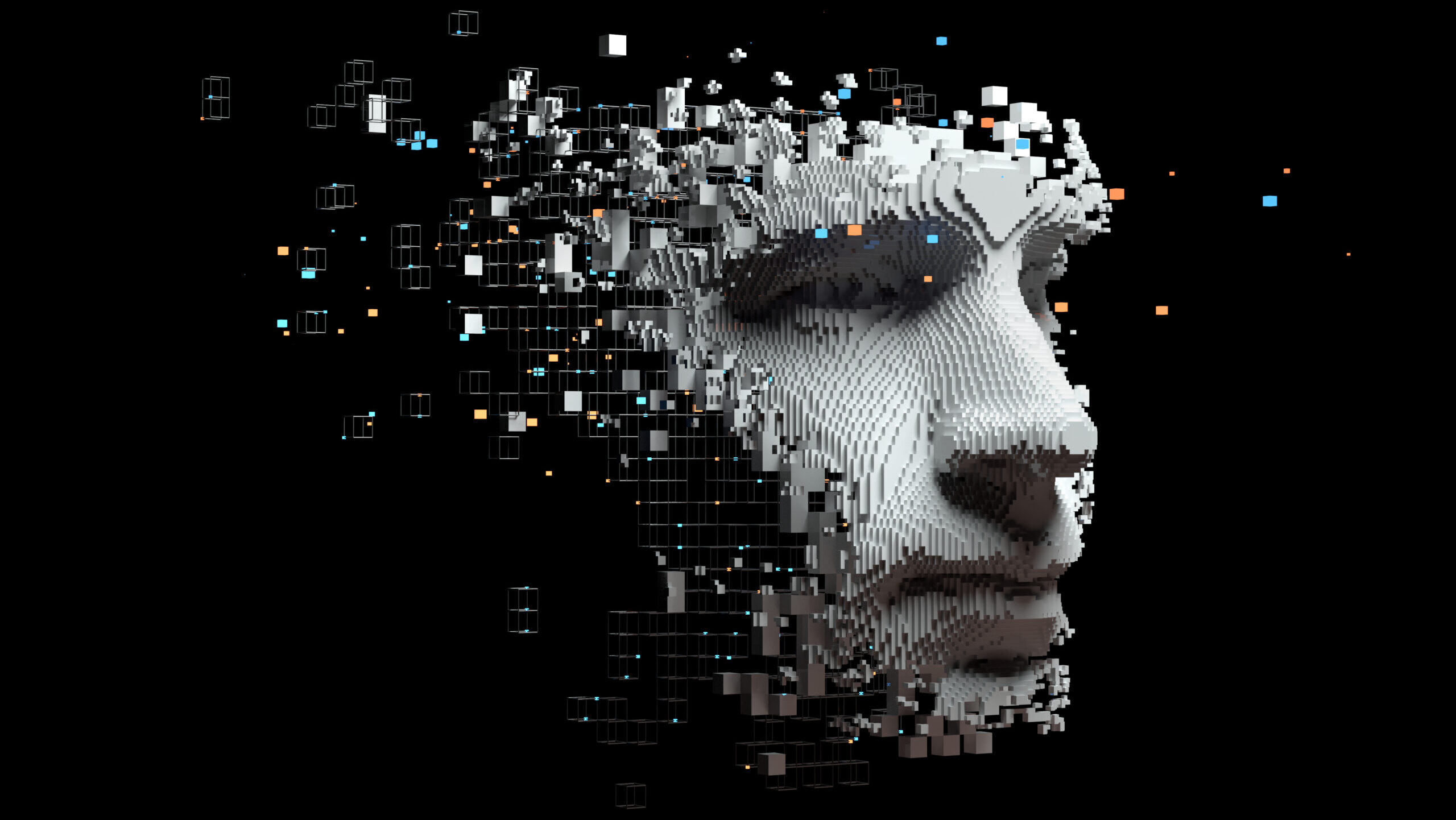
The Sequoia ID/IQ contract will support the Maven Program, "which applies AI capabilities to intelligence, surveillance and reconnaissance sensors and platforms, primarily through computer vision," the NGA announcement said.

One of the JCO's new missions will be gathering what the Space Force calls tactical surveillance, reconnaissance and tracking data from commercial remote sensing satellite operators, said JCO head Barbara Golf.


The Sixth Domain is not defined by geography. It’s a new kind of conflict in which autonomy and networked systems allow thousand-dollar consumer electronics to destroy multi-million-dollar conventional weapons systems.

“This is about providing situational awareness [and] operational planning products,” Gen. Chance Saltzman told reporters as he talked up a pet program, TacSRT -- which some in the intelligence agencies say treads on their turf.
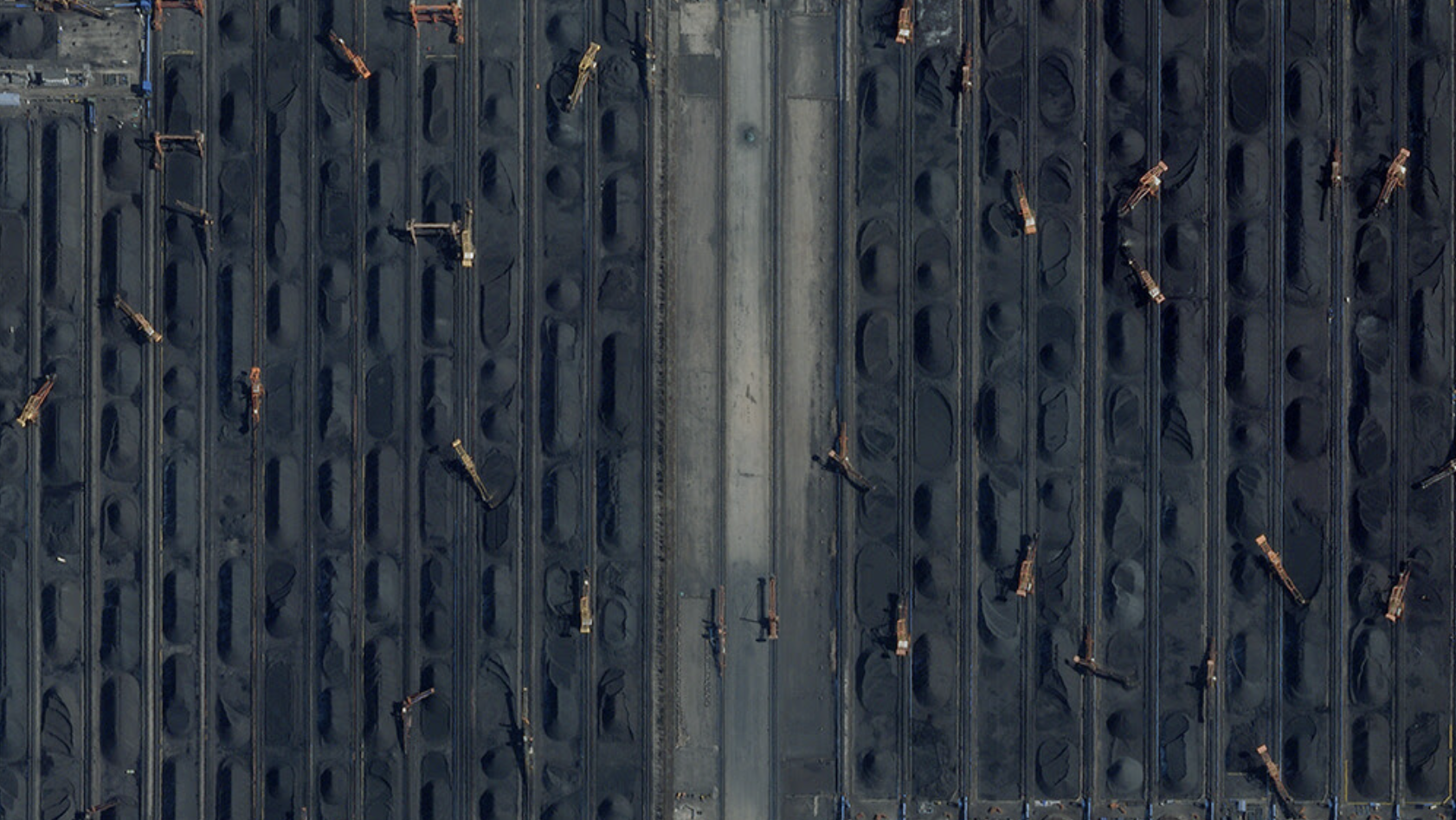
An NGA spokesperson told Breaking Defense that the agency has yet to issue any individual task orders under the Luno A program.
Data labeling is key to enabling the AI model to properly separate friend from foe, explained Vice Adm. Frank Whitworth.

“The number of detections are way up [and] the number of models that we have are way up, [but] with the same level of compute that you had in 2017,” said Vice Adm. Frank Whitworth. “It starts to slow down. We are already seeing evidence of that.”

Breaking Defense Europe will launch May 4 with Tim Martin and Elisabeth Gosselin-Malo as co-editors.

Calvelli's decision comes after a five-month delay necessary to hash out a reliable cost estimate for the NRO-Space Force development program.
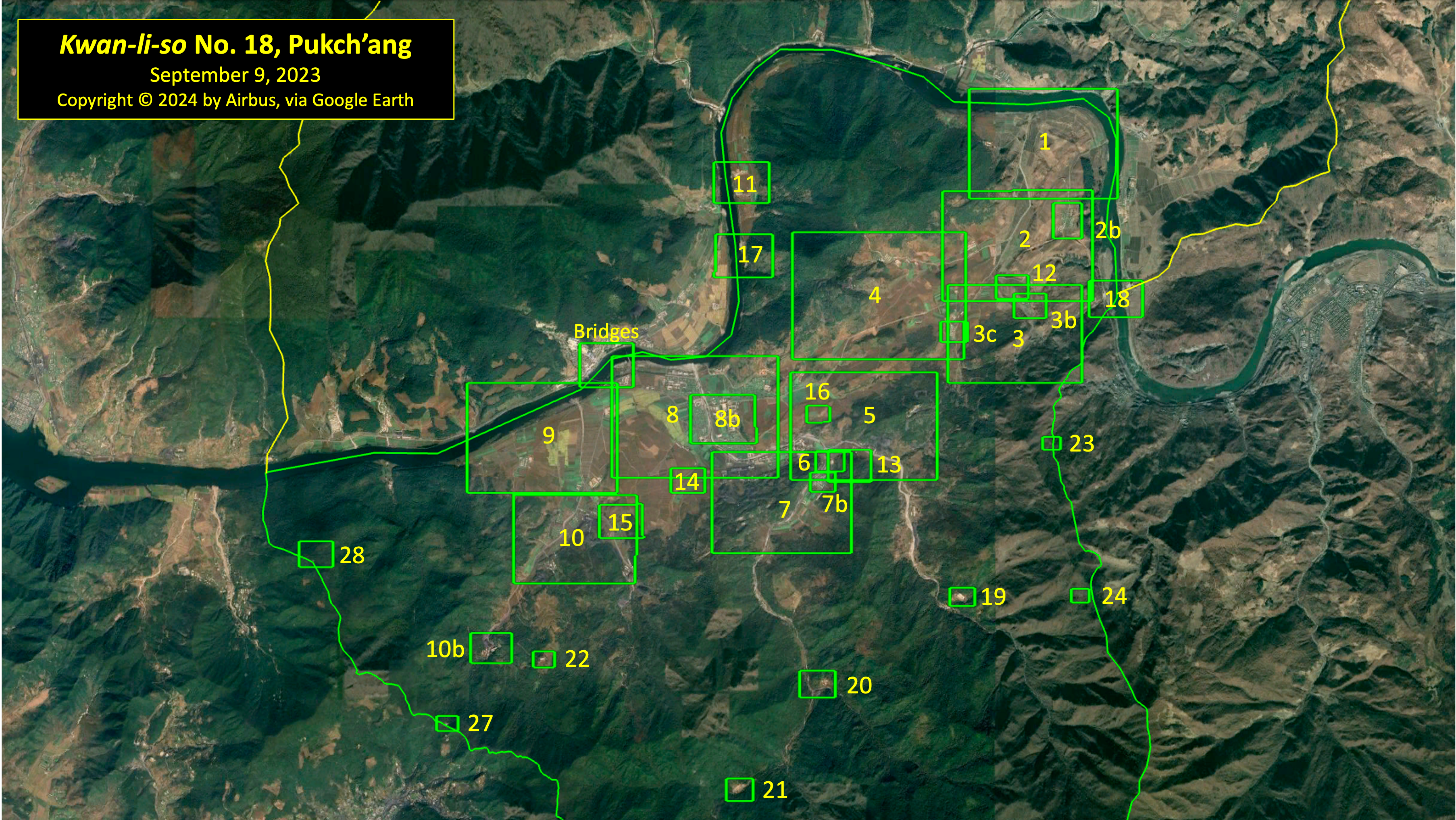
“We're sitting on two big sets of data,” said NGA’s Mark Munsell, referring to an unequalled archive of satellite imagery and all the intelligence analysts’ reports on that imagery – and they’re cross-referenced so an AI can correlate them easily.
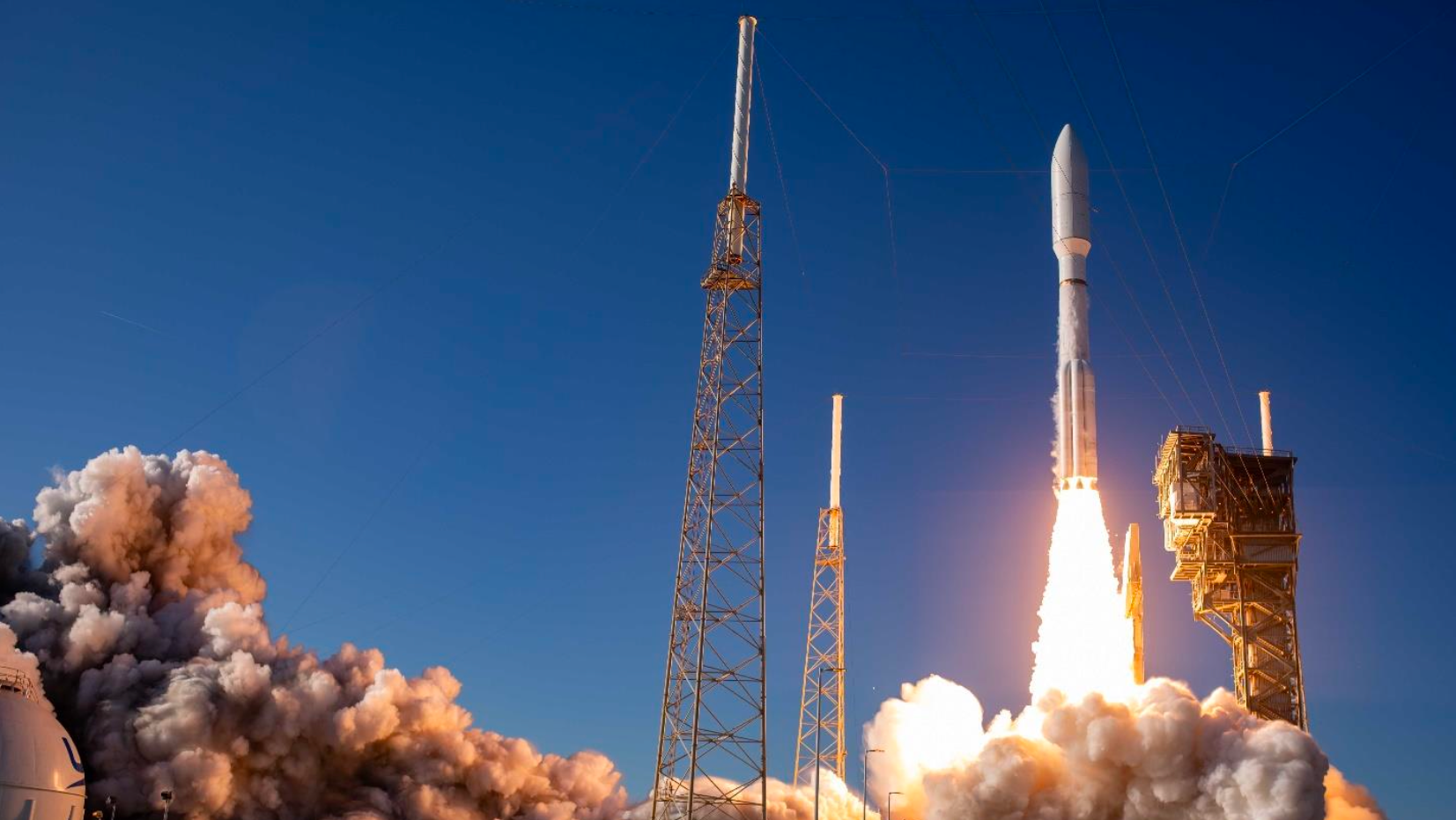
Perhaps most intriguing is legislative language that calls into question Pentagon and IC plans to declassify data from classified remote sensing satellites that are part of a newly developed joint architecture called the "High-Capacity, Find, Fix, Track, Target and Engage and Assess Constellation," or "HCF" for short.

Orbital Insight's contract, worth up to $2 million, is focused on providing data and analysis about potentially threatening maritime activity in the Indo-Pacific.