
Can Army Intel Data Feed The Kill Chain?
To find targets for its new long-range weapons, the Army is experimenting with cloud computing and AI that can bridge the gap between intelligence networks and combat units.
To find targets for its new long-range weapons, the Army is experimenting with cloud computing and AI that can bridge the gap between intelligence networks and combat units.

The Army is experimentally consolidating all kinds of data to the cloud, from unit mobilization updates to target locations – without waiting for the long-delayed JEDI program.

Government can’t stop to update systems, so modernization has to happen without interruptions.

Due out this fall, the Zero Trust Reference Architecture is about upgrading cybersecurity in existing systems, without buying all-new tech. The Army is enthusiastic – mostly.
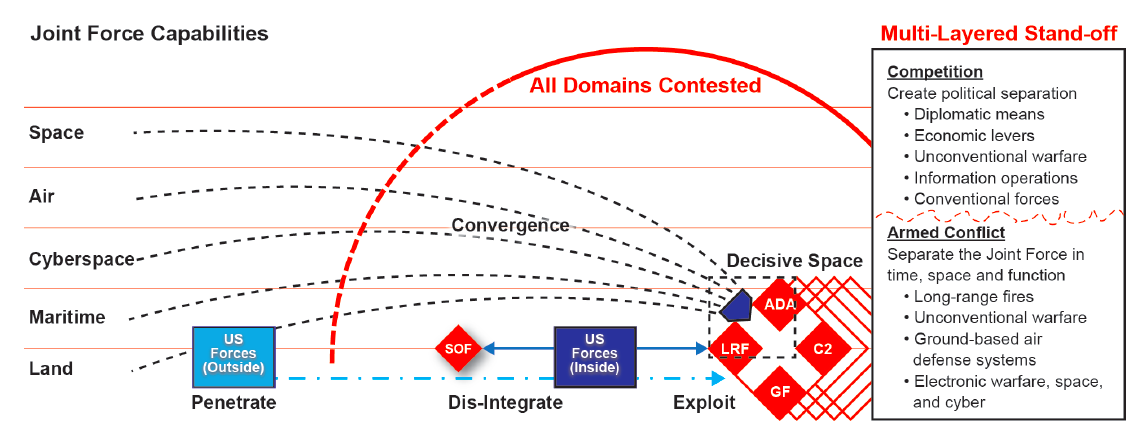
This fall’s experiment will study how the Army’s own weapons can share target data, Gen. Murray said, but in 2021 he wants to add the Air Force’s ABMS network.
The Army wants to do a tech demonstration in the southwestern desert – COVID permitting – of how the new weapons systems it’s developing can share data.

The Army pushed hard to field-test new tech with real soldiers. Then came the coronavirus. Now the service will have to rely much more on lab testing.

Breaking Defense Europe will launch May 4 with Tim Martin and Elisabeth Gosselin-Malo as co-editors.
Gary Blohm, director of the Army Geospatial Center, said 3D is important to troop training and to operational planning because it "helps us navigate, especially when we get to urban environments."
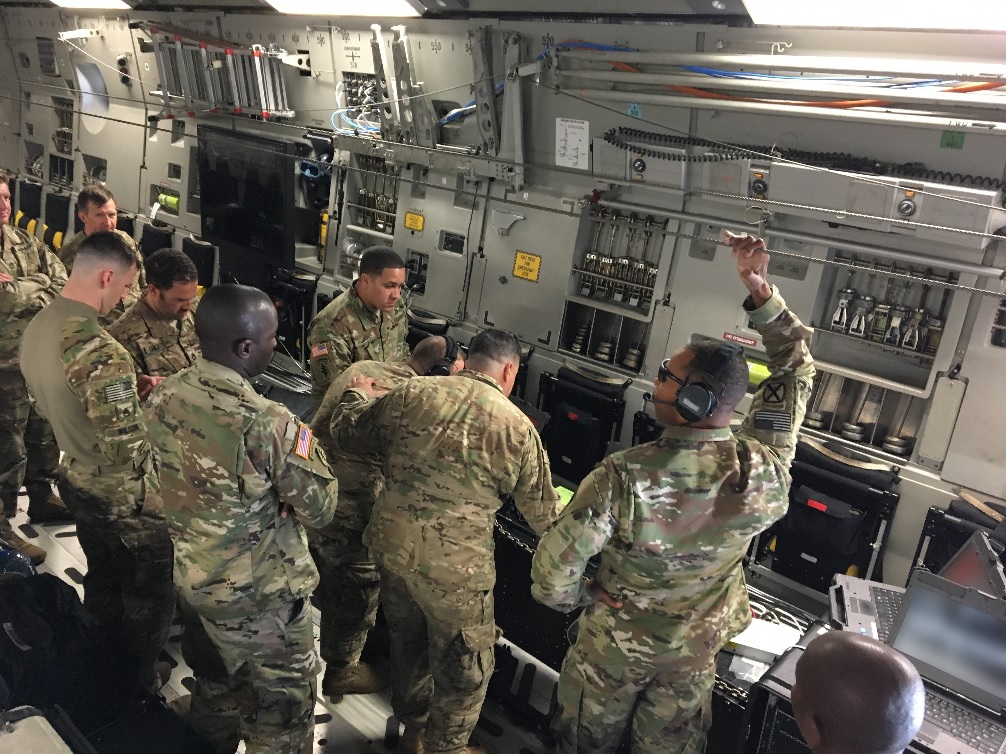
Gone are the days of a stately, deliberate, laborious acquisition process in which the Army would plan out the future in detail before going to industry. "We’d almost always guess wrong," said Maj. Gen. David Bassett. “Eventually we’d deliver yesterday’s technology tomorrow.”

At issue is not just this particular program, but the much wider question of how a Pentagon testing apparatus designed for big industrial age programs can keep up with the much faster and more fluid upgrade cycles of information technology.

Even with Australia, one of our closest allies, it can be hard to share data. And the Army's future war plans require seamless network coordination with the other US services and foreign allies.

As threats rapidly evolve, digital engineering, manufacturing capacity and robust supply chains are critical to meeting challenges.
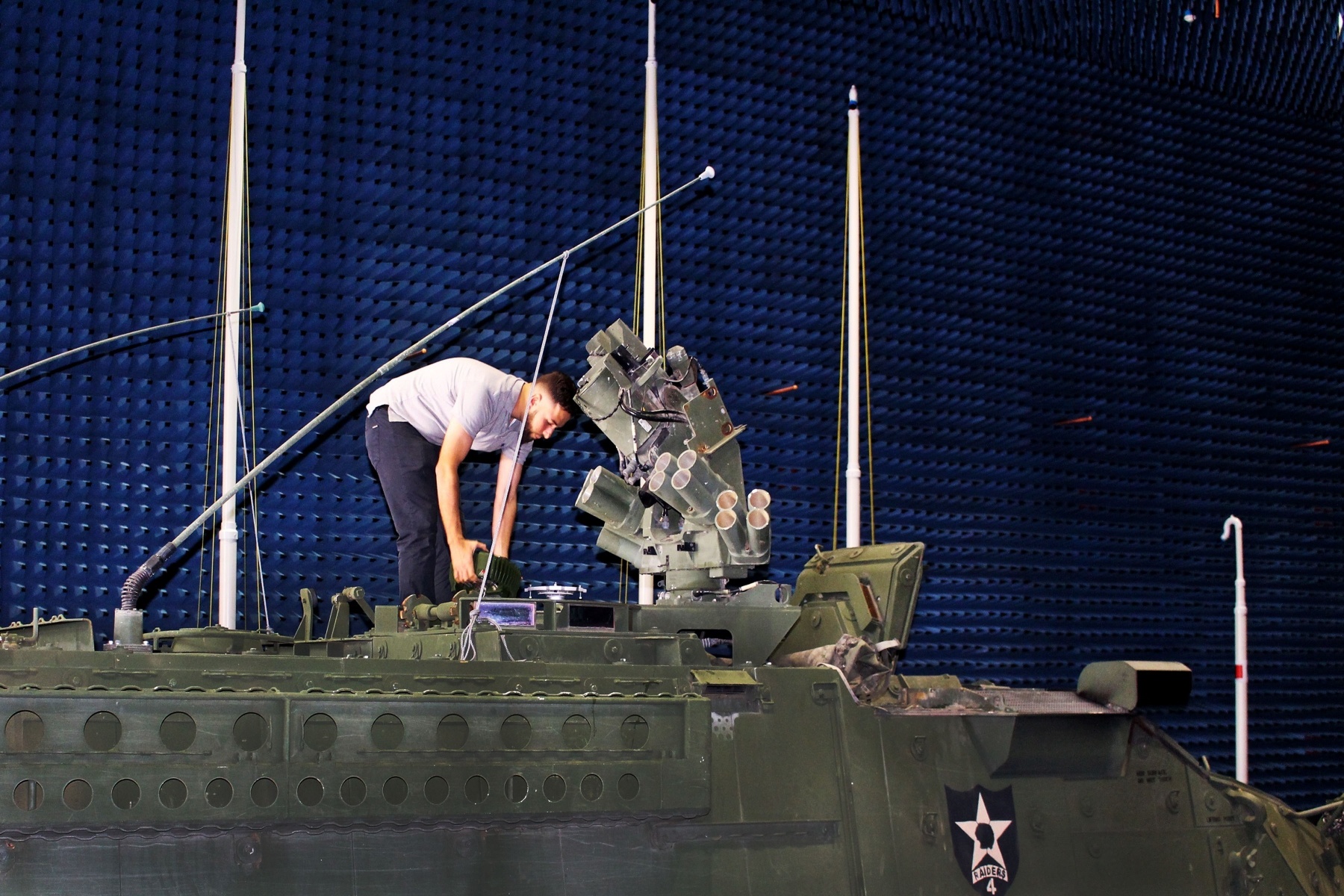
Unlike the Taliban, Russia and China can shoot down our drones, jam our transmissions, and hack our computers. So to prepare to fight them, we need a very different communications network — one the US Army is now studying how to build.
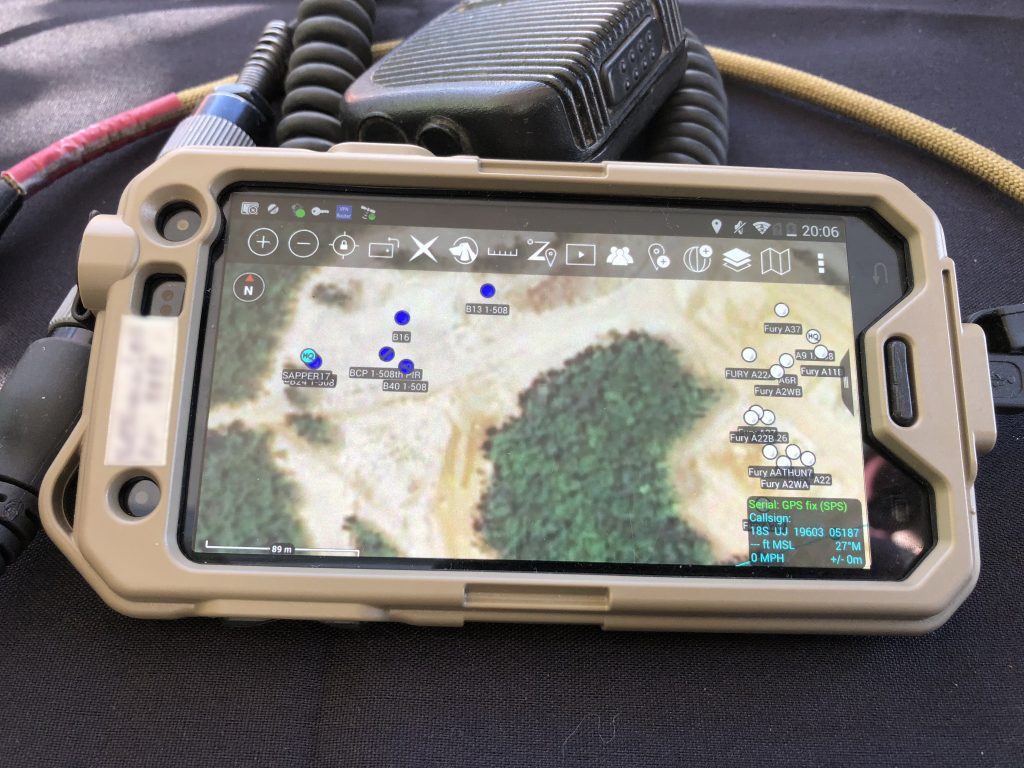
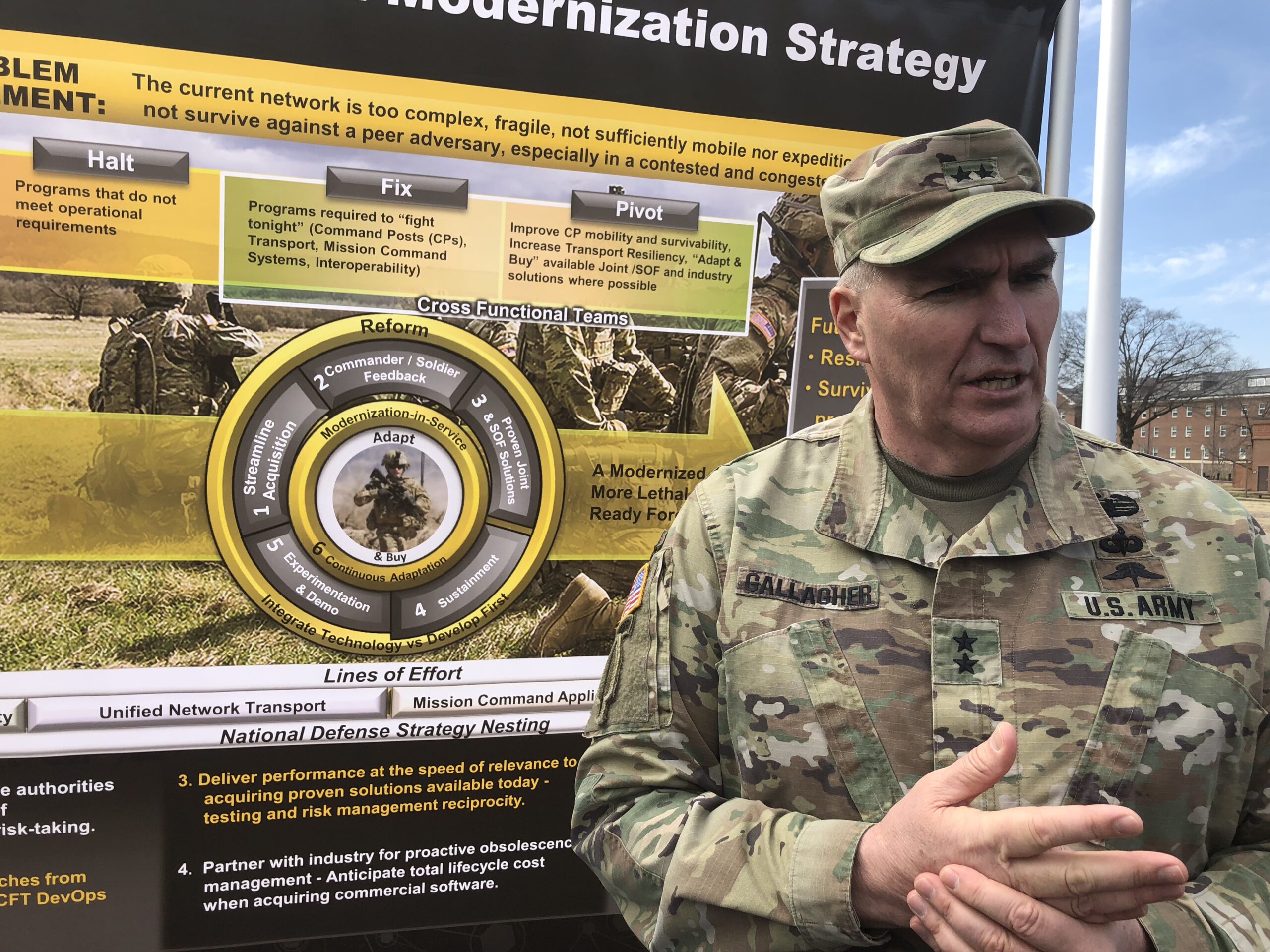
The long-term solution may take "big, leap-ahead technology," said Maj. Gen. Pete Gallagher, head of the Cross Functional Team leading the network overhaul. But short-term solutions can be as simple as replacing bulky metal antennas with inflatable ones or loading new software on an off-the-shelf Android phone.