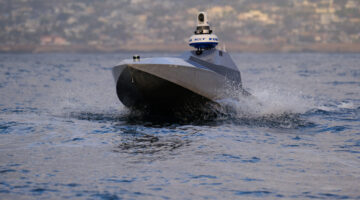
Maritime drone maker Seasats expands into AUS, NZ through deal with Elysium EPL
The companies recently worked together to get the American drone maker's USV certified by Australian authorities.
The companies recently worked together to get the American drone maker's USV certified by Australian authorities.

The acquisition would cost $2.7 billion New Zealand dollars ($1.57 billion USD), said the New Zealand Defence Force in its announcement.

Cyber resilience has become a frontline mission for the US military. Breaking Defense’s new eBook rounds up key reporting from the 2025 Alamo ACE conference with the latest developments in cyber offense and defense.
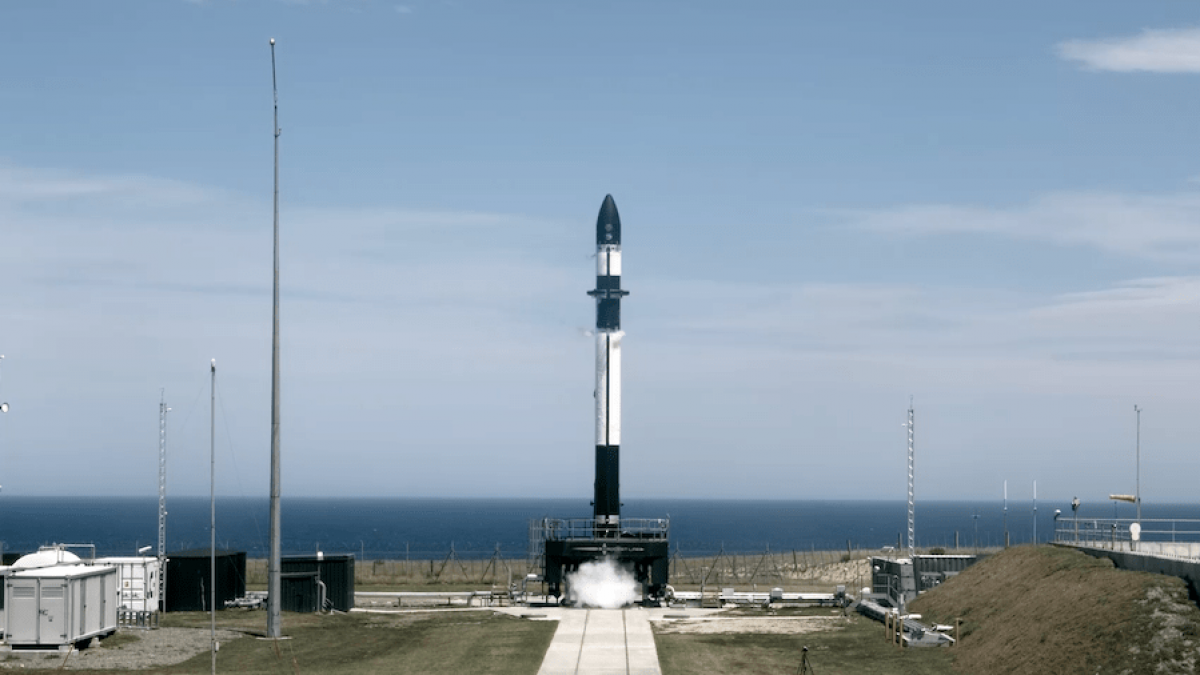
While not necessarily a near-term possibility, Brig. Gen. Kristin Panzenhagen said the Space Force is "looking at increasing the resiliency, increasing the ways that we have to get assured access to space, that's where the these initial discussions with our international partners are coming in."
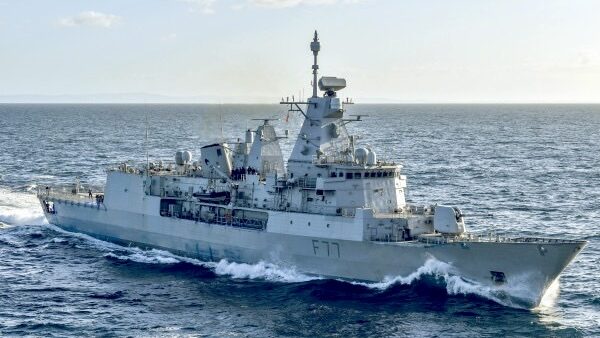
"Distance certainly is no longer any protection for New Zealand, not when we have an intercontinental ballistic missile launched in the South Pacific, not when ships with enormous strike power come into our backyard," Defense Minister Judith Collins told reporters at a Monday press conference.
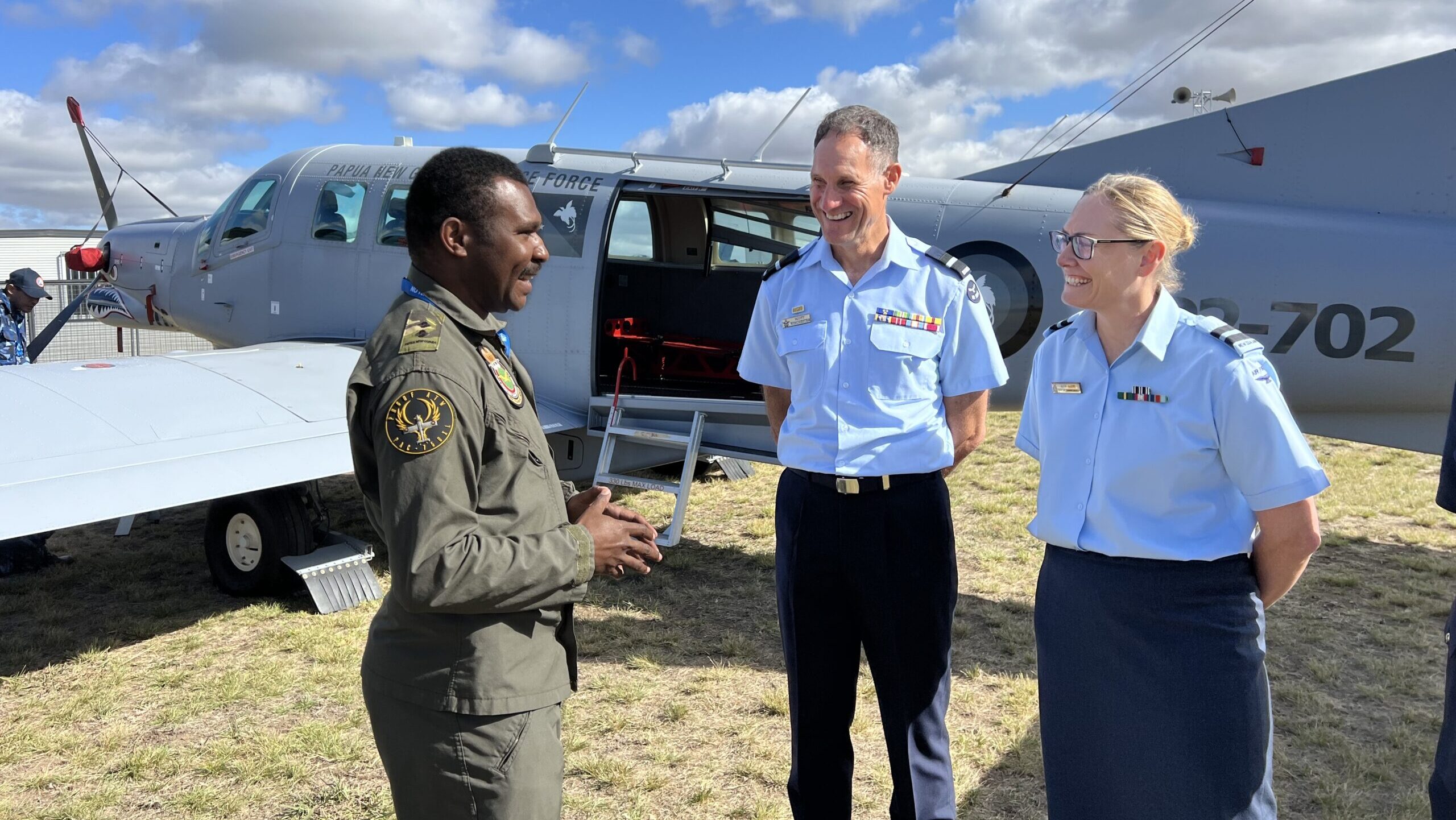
When Lt. Col. Eddie Miro, director of Papua New Guinea's tiny air force took the job, his country had one working helicopter. Today, Papua owns two PAC 750 single engine aircraft built in New Zealand.

At the same conference, US Deputy Secretary of State Kurt Campbell urged the incoming Trump administration to work closely with Australia and New Zealand to counter a "relentless" China and not to turn inward.

Reducing cognitive overload on warfighters while improving “time to trust” for autonomous systems is a matter of design.

In an interview with Breaking Defense, Andrew Hastie discussed keeping AUKUS a three-party arrangement, the housing issue it could create and the need for a new joint defense committee.
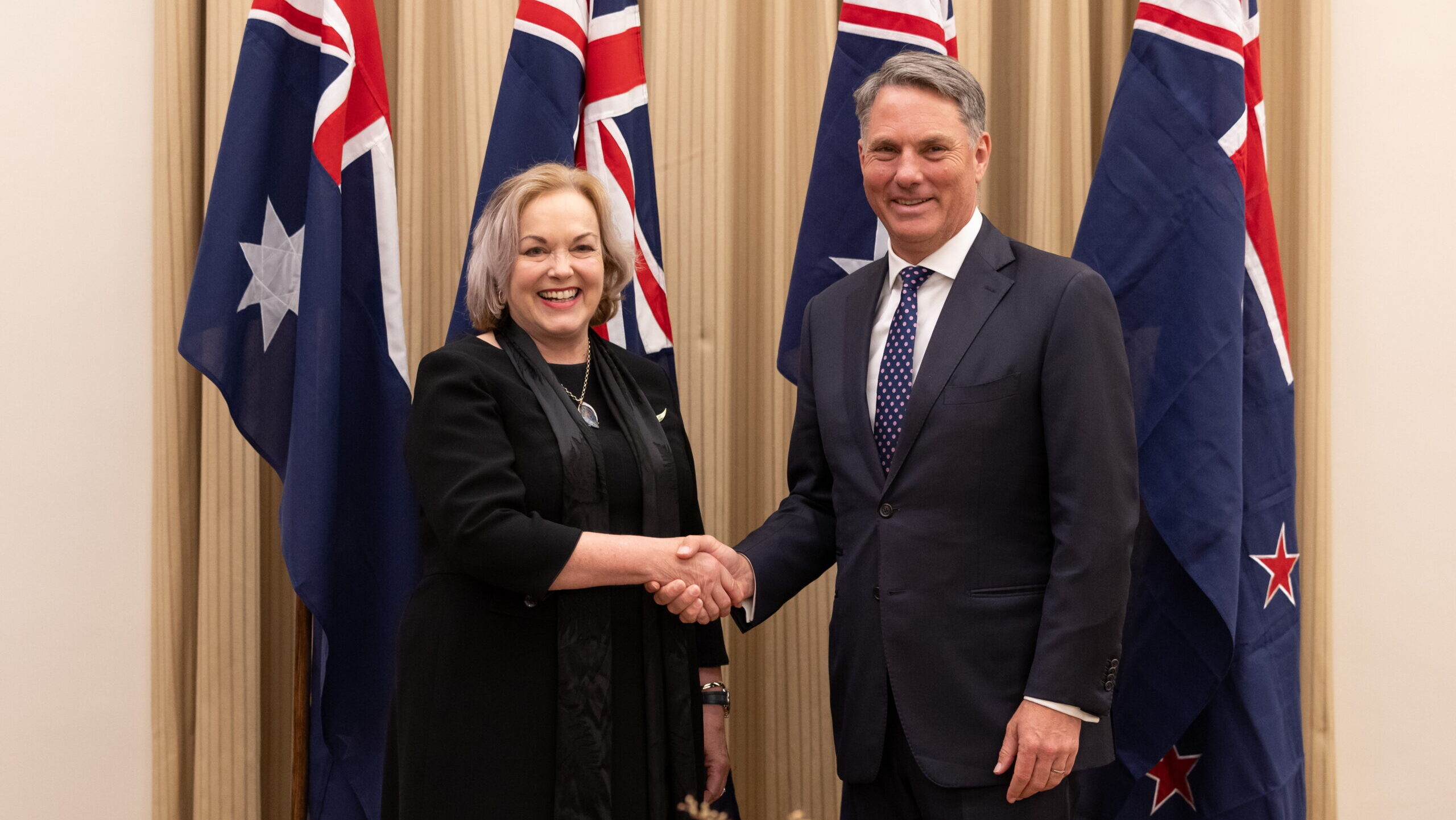
Judith Collins, New Zealand’s Minister of Defence, tells Breaking Defense that no matter what happens with AUKUS, her government is "looking at as much interoperability" as possible with Australia.

“The opportunities that are open to our space and technology sectors are actually immense," New Zealand’s Defence Minister Judith Collins said.
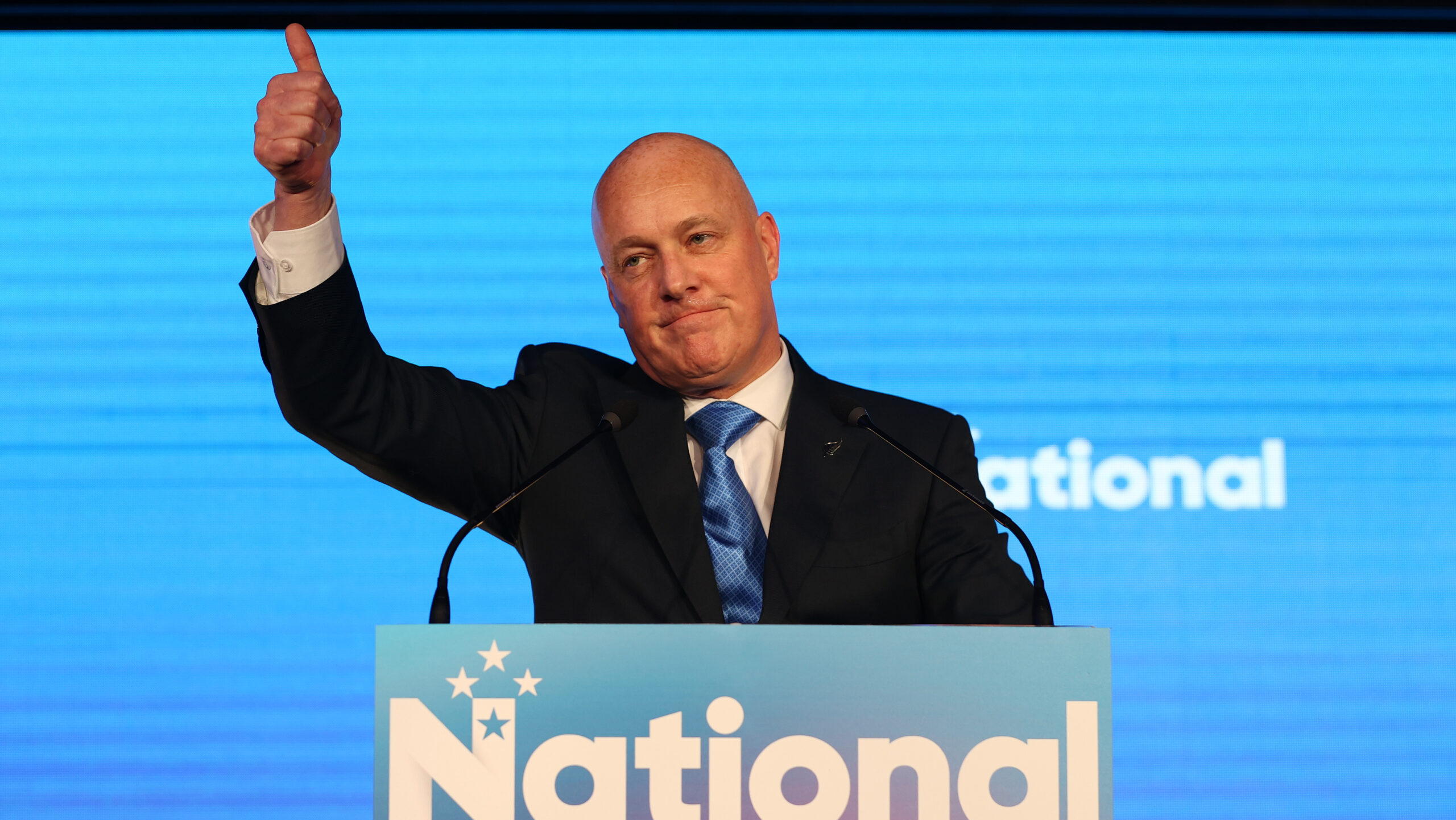
Chris Luxon, the leader of the National Party and New Zealand’s likely next prime minister, has sounded more open to joining the AUKUS Pillar 2 technology initiative than the Labour party was.


Why edge and endpoint security can’t be an afterthought.

"These documents represent a clear statement of intent by the New Zealand Government to step up its foreign policy and military efforts in the Pacific," one analyst told Breaking Defense.

The new Combined Joint Network Operations Security Center (CJ-NOSC) "gives us the ability [to] collaborate along with our partners, which hasn't existed before," US Lt. Gen. Xavier Brunson, commander of Army I Corps, told Breaking Defense.

"We've just seen an awesome demonstration of firepower here, from different weapons platforms, from different nations. But importantly, all used the same battlefield command and Strategy Center to aim for those targets," Lt. Gen. Greg Bilton, the Australian Defence Force's chief of joint operations, said.

Wellington’s overtures to the Pacific Island nations are starting to see results as its new approach to the region sees relations improve allowing for more in-depth defence engagement.