
‘Strong and clear, but quiet’: Pentagon policy head faces Senate questions over NDS
“In effect, it obfuscates the threat posed by the Chinese Communist Party, and they are our pacing threat,” Sen. Roger Wicker said today.
“In effect, it obfuscates the threat posed by the Chinese Communist Party, and they are our pacing threat,” Sen. Roger Wicker said today.

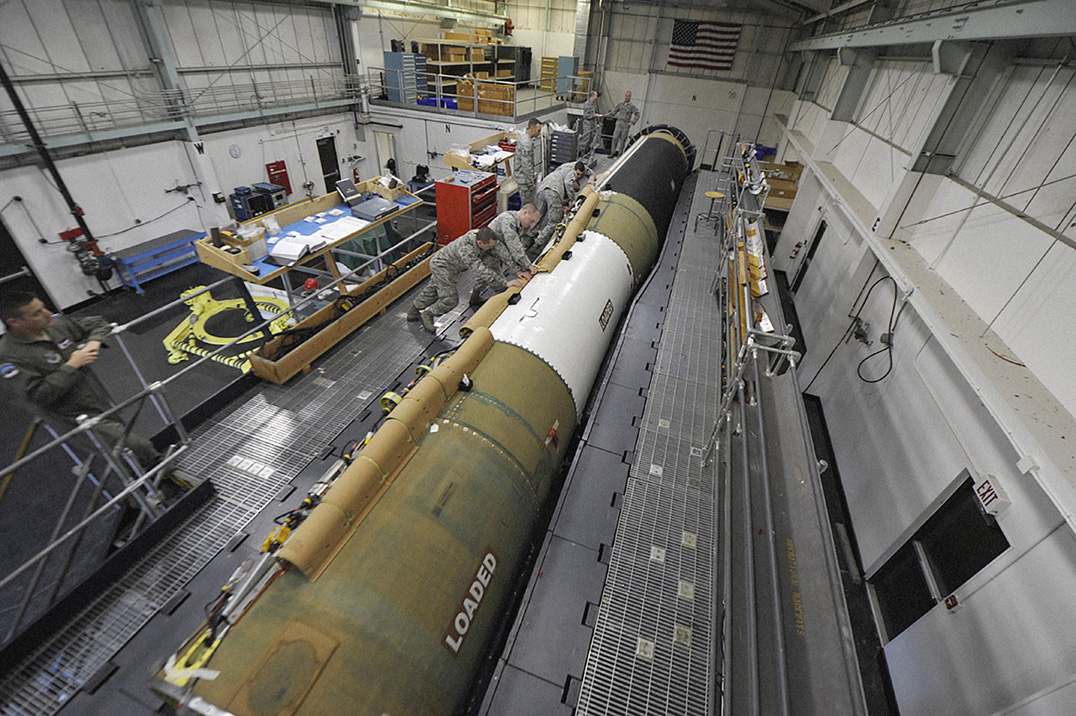
Vipin Narang, DoD's top nuclear policy official, explained that while current modernization plans — estimated by the Government Accountability Office last October to cost at least $350 billion over the next two decades — are "necessary," they "may well be insufficient" to meet current and future threats.

Breaking Defense Europe will launch May 4 with Tim Martin and Elisabeth Gosselin-Malo as co-editors.

Pentagon acquisition of space systems needs to be "faster and leaner," stressed Rep. Doug Lamborn, R-Colo., who is expected to chair the House strategic forces subcommittee next year.

"If we want deterrence to be effective, it takes three things: 1. Capabilities 2. Credible threats in the mind of the adversary and 3. The will to communicate the first two," Chris Stone, Mitchell Institute fellow, told Breaking Defense.

The two reviews were largely welcomed by more hawkish commentators and criticized by supporters of more robust approaches to nuclear arms control — with the latter lamenting that Biden has walked away from campaign promises to reduce US reliance on nuclear weapons.

Air Force Gen. Anthony Cotton, who is nominated to lead US Strategic Command, said he wants to evaluate whether SLCM-N is the right fit to meet an existing nuclear capability gap.

Do more with less: streamline workflows, reduce duplication, invest upfront to save long-term.

"No one can tell in an uncertain world what we will need, but it's important to keep this option available," said Rep. Jim Cooper, D-Tenn.
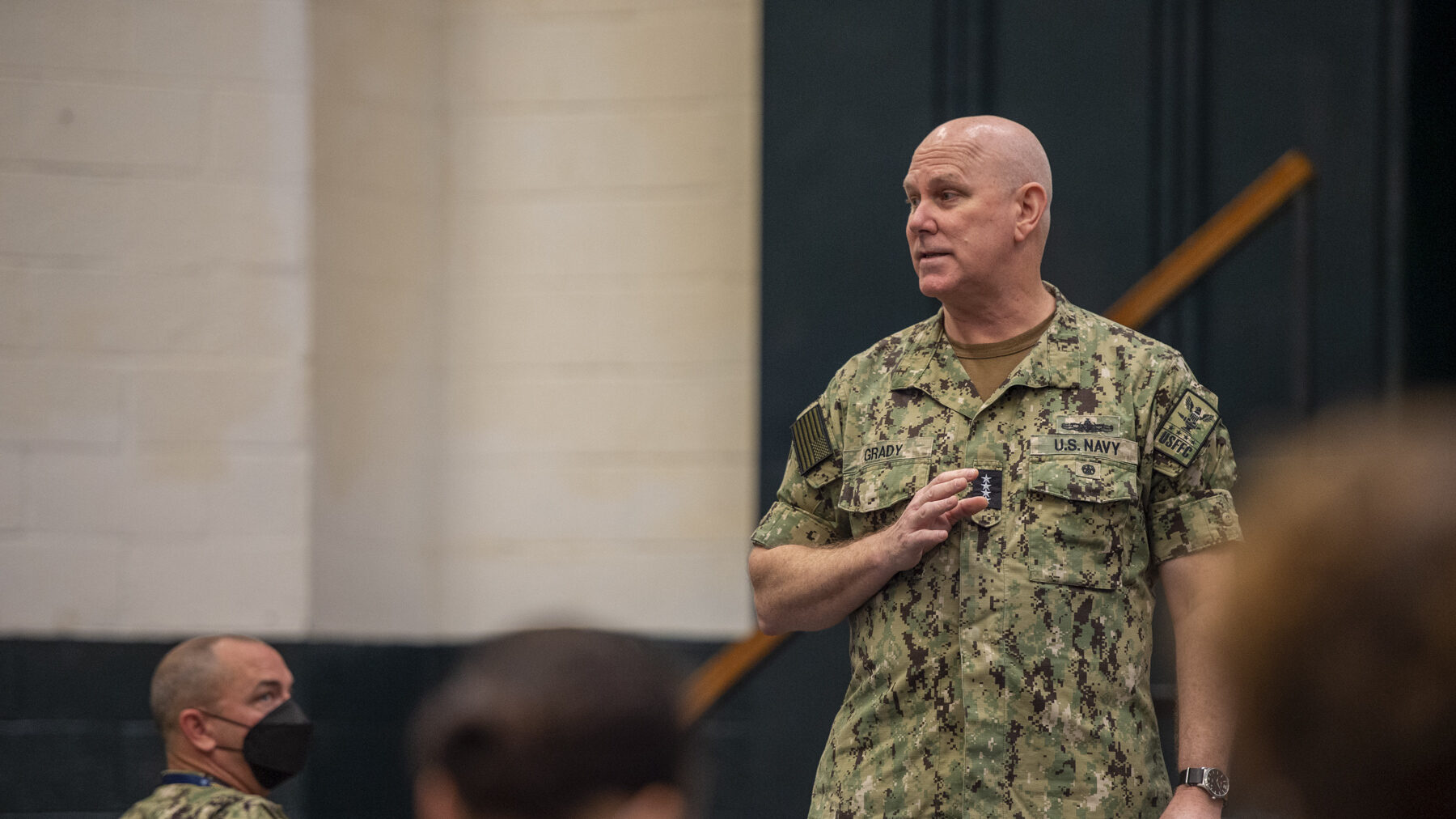
“It's all about providing the president options against a broad series of contingencies. And in this respect, I am in favor of continuing to assess and evaluate the SLCM-N," the Pentagon's No. 2 general said.

"My general view is that this president or any president deserve to have multiple options to deal with national security situations," Milley said. "And my advice is listened to. And I have an opportunity to express my voice on a continuous basis many, many times.”

After conducting the upcoming Nuclear Posture Review, the Biden administration has chosen to end the sea-launched cruise missile program, a senior Pentagon official said.


The Sixth Domain is not defined by geography. It’s a new kind of conflict in which autonomy and networked systems allow thousand-dollar consumer electronics to destroy multi-million-dollar conventional weapons systems.

"We've entered into the next big phase, what we call 'CDR season,'" Greg Manuel, vice president and general manager of Northrop Grumman's Strategic Deterrent Systems division, told Breaking Defense.
"There's no free money, right, so it has to come from somewhere," said Lt. Gen. Clinton Hinote, deputy chief of staff for strategy, integration and requirements.

"Biden is sending a clear message: he will take on nuclear issues only as long as they do not undermine his top legislative priorities," write Tom Collina and Doreen Horschig.
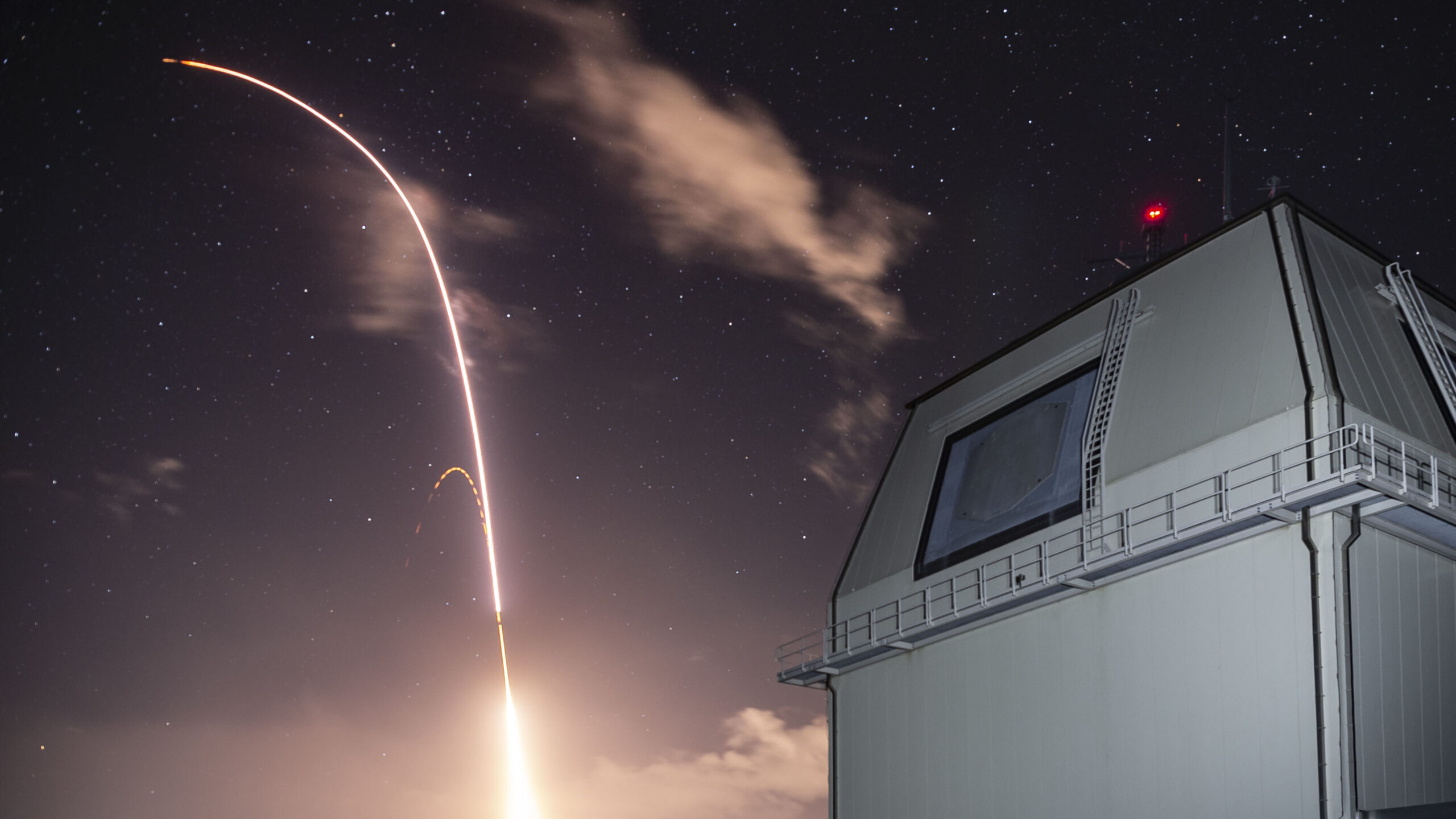
"I would like to have overhead sensors that see everything, characterize everything that goes on on this planet from a missile perspective, all the time everywhere. ... That's unobtainium right now," says VCJCS Gen. John Hyten.