
New offensive cyber operations squad standing up for Air Force Reserve
As cyber veterans exit active duty, a new Reserve offensive squadron gives them a way to keep executing missions, an officer told Breaking Defense.
As cyber veterans exit active duty, a new Reserve offensive squadron gives them a way to keep executing missions, an officer told Breaking Defense.

“We feel like this acquisition moves us in some certain sub-elements of offensive cyber about 18 months forward on what we would have been able to do with our organic investment,” President of Leidos National Security Sector Roy Stevens told Breaking Defense.

Reducing cognitive overload on warfighters while improving “time to trust” for autonomous systems is a matter of design.

The bottom line, according to DIA is that space "is being increasingly militarized" around the globe, and the threats to US military and commercial space activities continue to grow, from ground-based ASAT tests, to ISR fleets, to deep space hiding places.
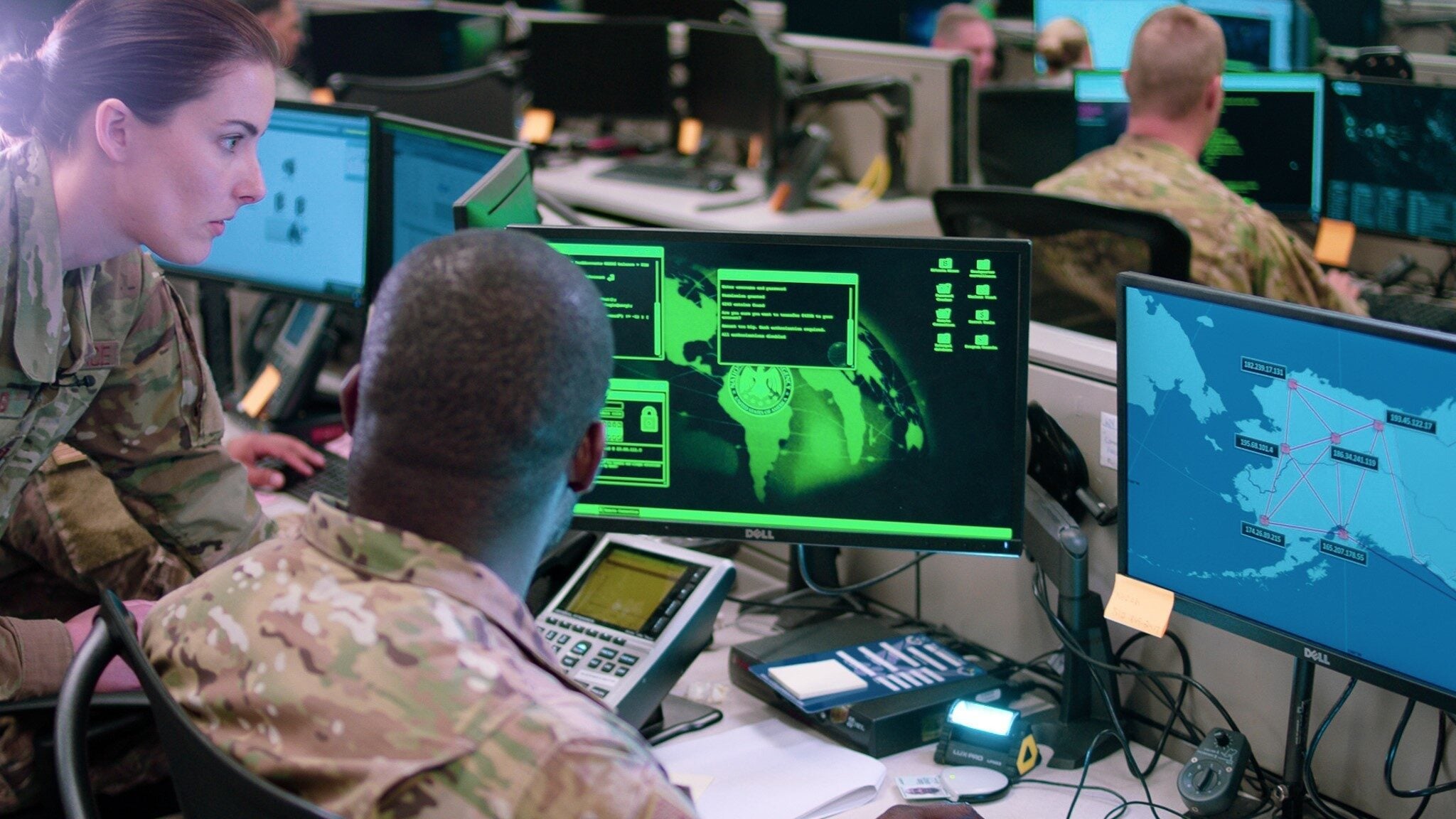
VMware's Tom Kellermann linked increasingly aggressive attacks to geopolitical tensions with Russia and Belarus.

“Wherever [Army forces] are deployed, particularly those in Europe and the Pacific, they’re under just constant, constant assault,” Lt. Gen. Stephen Fogarty, chief of Army Cyber Command, says.

Three experts gave us exclusive in-depth insights into the administration's potential menu of retaliatory options, along with U.S. cyber strategic, policy, and operations considerations.

The GPS network continues to prove its unmatched reliability, and it’s only getting stronger.
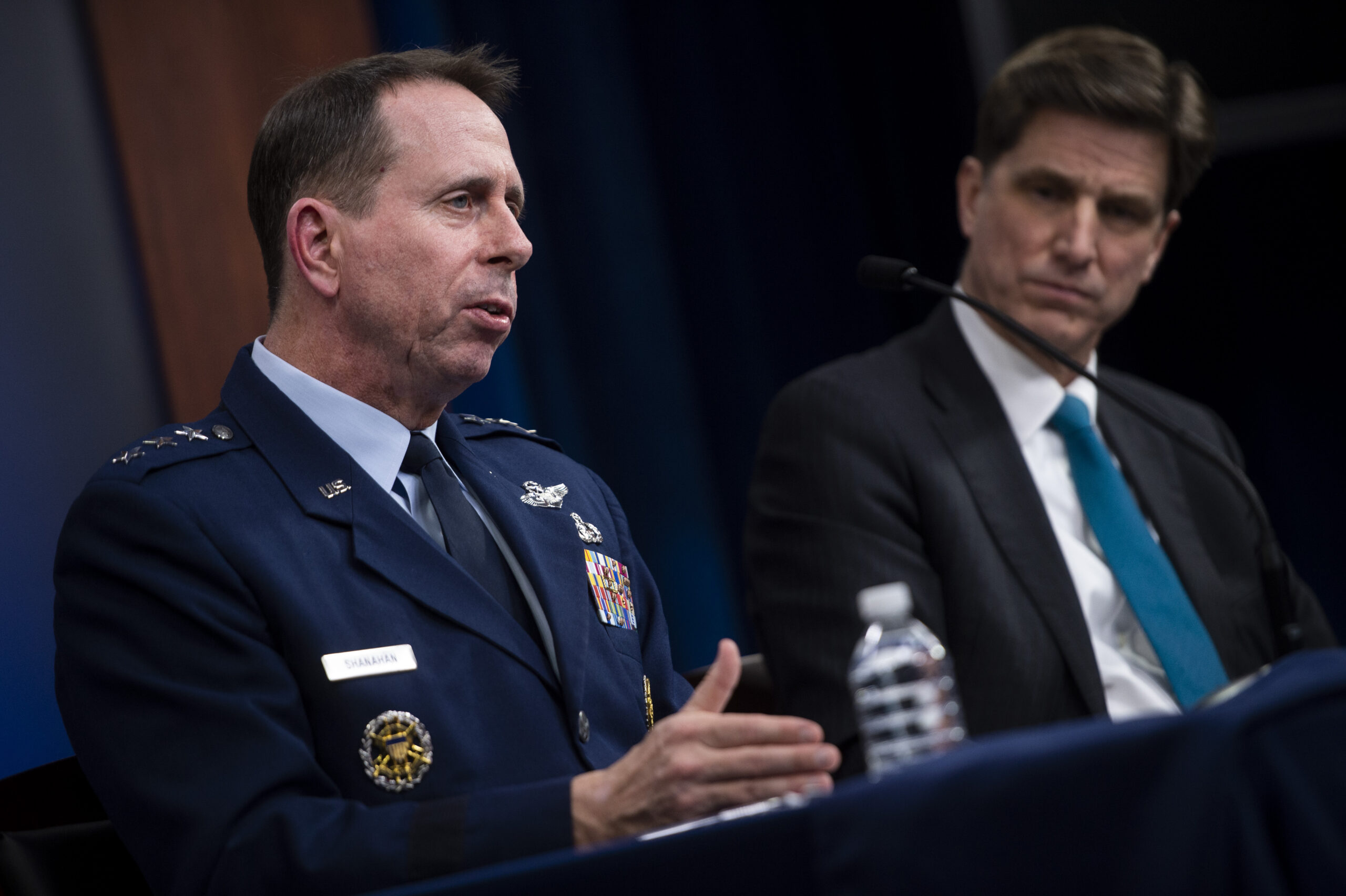
"There are a lot of autonomous systems in DoD today. There are very few, and I would say really no significant, AI enabled autonomous systems," says Shanahan, who is trying to change that.
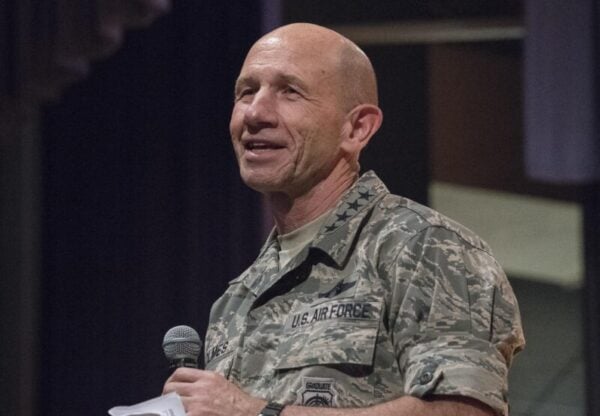
The Air Force wants to develop information warfare capabilities to "deter malign activities from [the] information warfare level all the way up to conflict," says Air Combat Command head Gen. Mike Holmes.
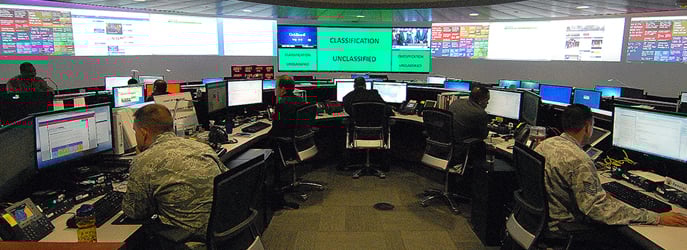
The military needs a globe-spanning network to counter threats that no single theater command can cope with. That takes more than just technology.

China is copying malware the NSA has used against them. Is this preventable or is it an inherent weakness of cyber warfare?

Why edge and endpoint security can’t be an afterthought.

"NATO is clear that we will not perform offensive cyberspace operations," said Maj. Gen. Wolfgang Renner. "However, we will integrate sovereign cyberspace effects from the allies who are willing to volunteer."
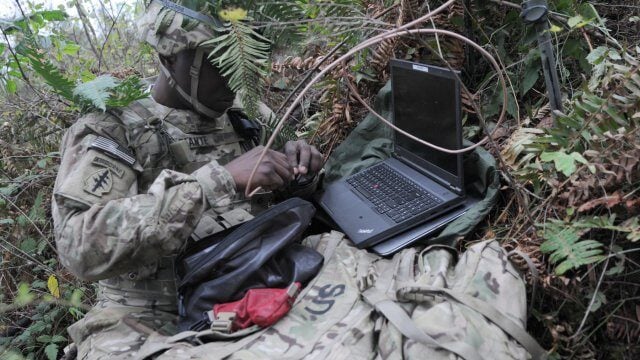
SAN DIEGO: Adm. Mike Rogers, who heads both NSA and Cyber Command, is looking past CYBERCOM’s elevation to an independent Unified Command towards a much wider reorganization of military cyber. Some reorganization is implicit in a Feb. 17 memo in which Defense Secretary Jim Mattis charges Deputy Secretary Bob Work to “develop an initial plan… […]

ARLINGTON: The Army is reinforcing its combat brigades with cyber soldiers. In 18 months of wargames with a wide range of units — tanks, Strykers, infantry, Airborne, Rangers — Army Cyber Command troops have brought hacking and jamming to bear on the (simulated) battlefield alongside guns and bombs. The exercises have already revealed cybersecurity shortfalls […]

FORT BRAGG, NC: The US is not practicing traditional counter-insurgency (COIN) warfare in Iraq and Syria. Instead, the US is providing high-tech firepower, cyber power, and other “enablers” to local allies who don’t have them, Defense Secretary Ashton Carter said here today. That approach, which ranges from stealth fighters to “cyber bombs,” has a lot in common with […]