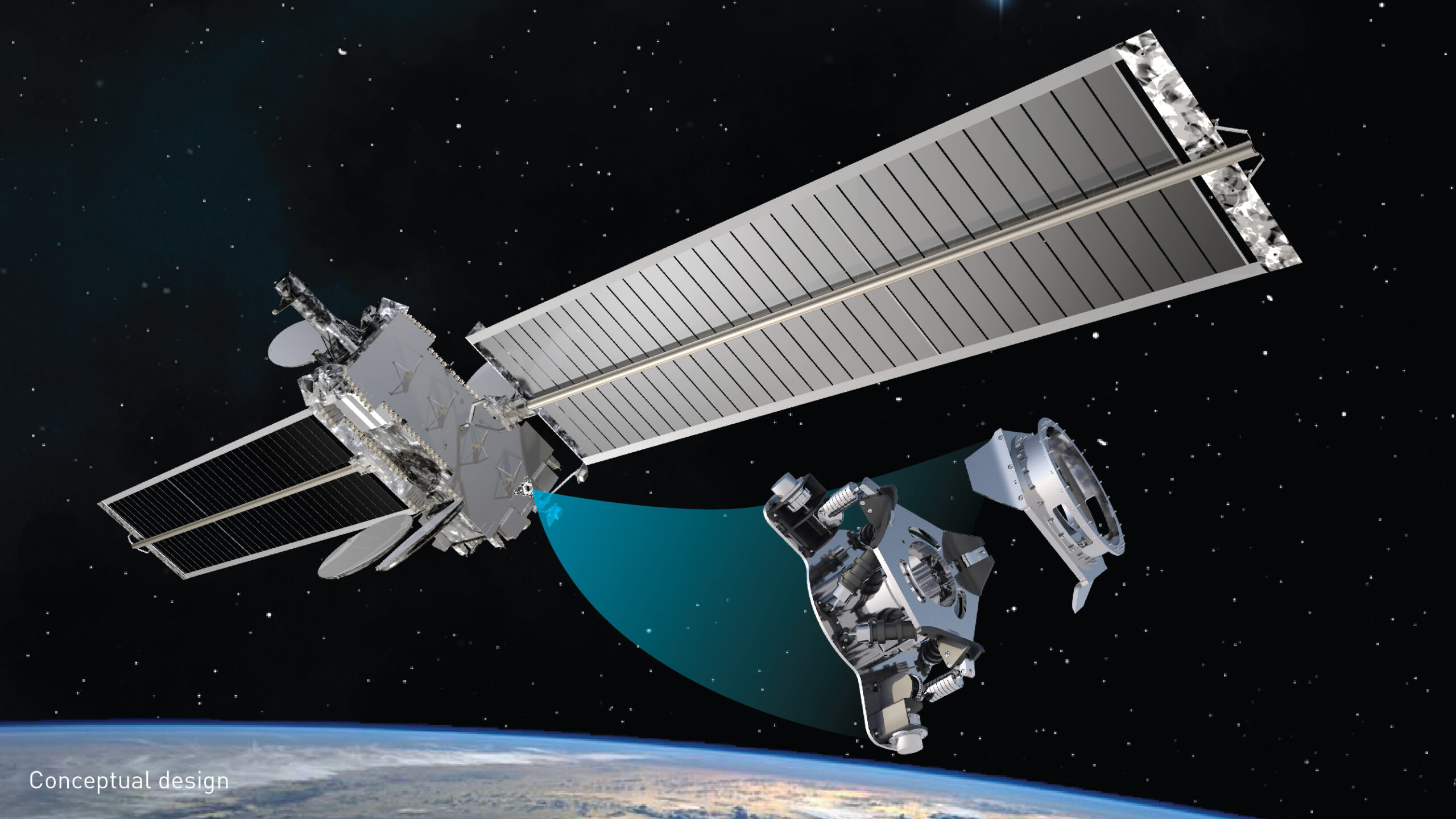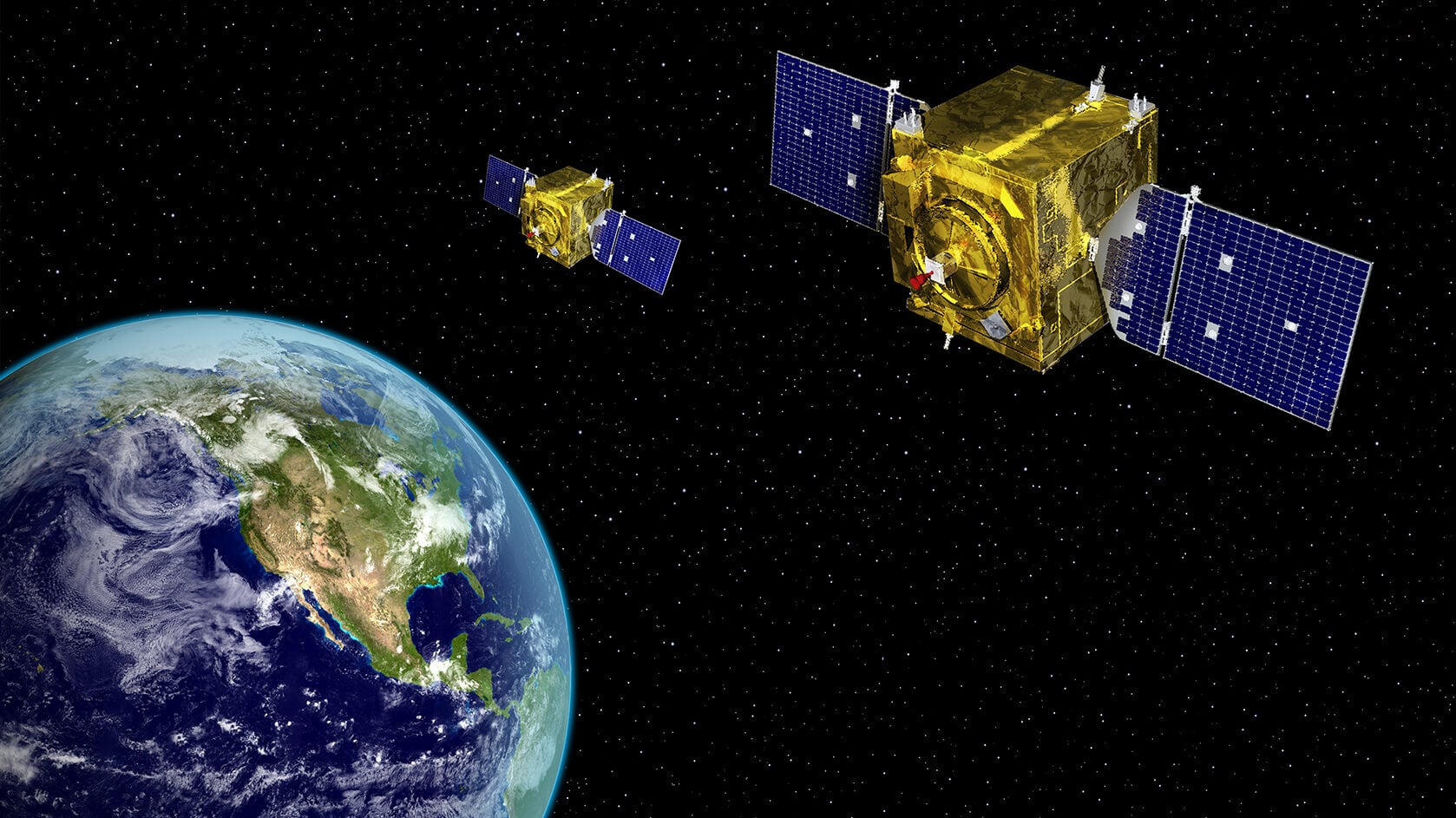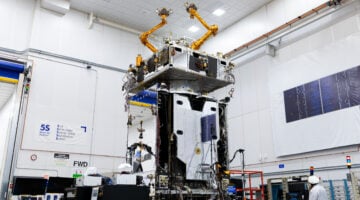
In a first, Space Force to require refueling capability for next-gen neighborhood watch sats
While the Pentagon has funded experimental re-fueling efforts, RG-XX is the first official acquisition program to have a refueling requirement.
In this op-ed, Charles Galbreath argues the Space Force should adopt in-space servicing, assembly, and manufacturing as a means to maintain space superiority over China.
"While this type of close approach activity does not automatically signify a military mission, it obviously could provide a co-orbital counterspace capability," expert Victoria Samson told Breaking Defense.
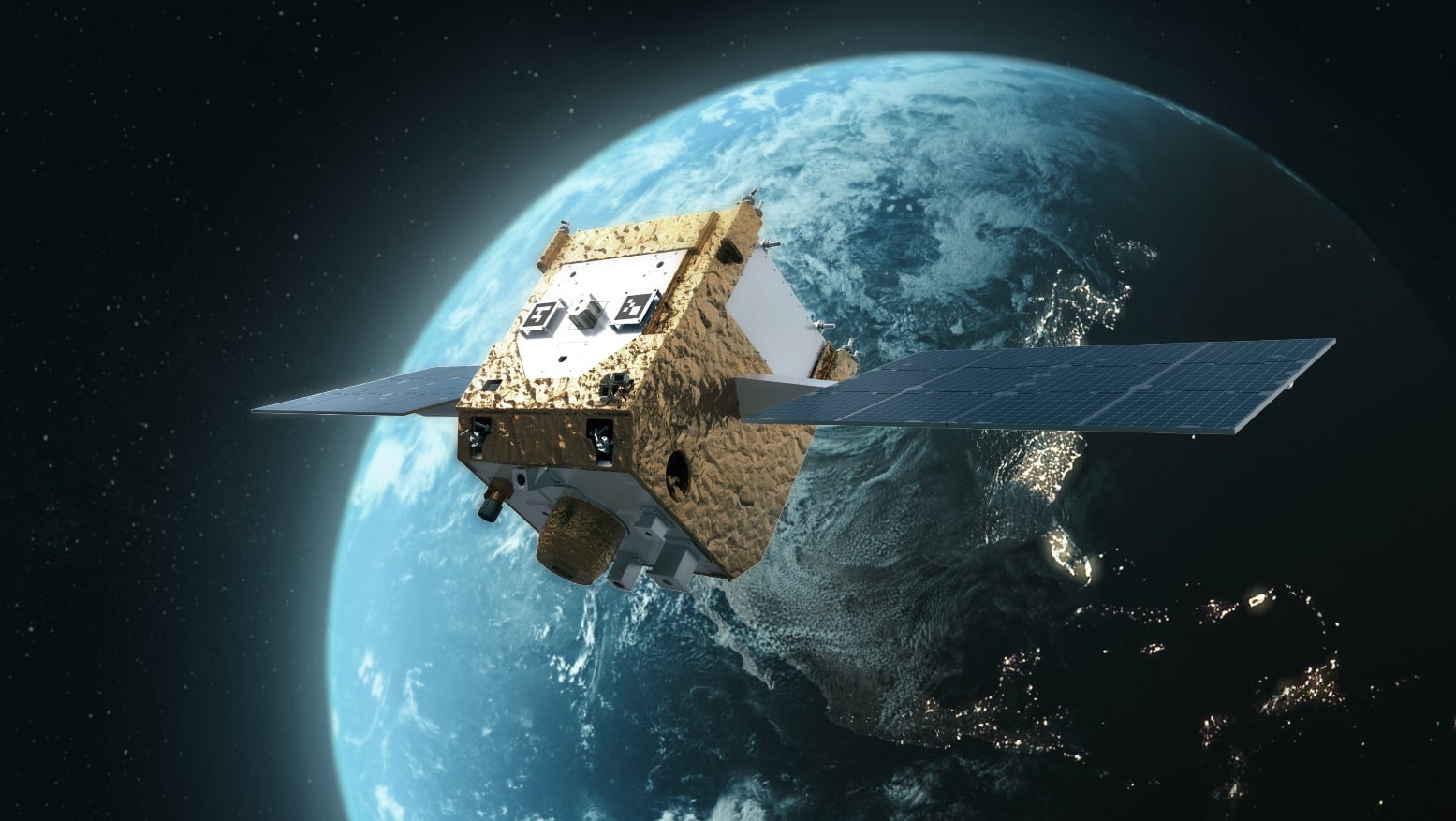
Space Systems Command is moving out with a trio of projects — contracting with Northrop Grumman for two separate experiments, and with Astroscale US for the first on-orbit refueling operation involving a military satellite.
Space domain awareness is one of the mission areas that SPACECOM Commander Gen. Stephen Whiting said currently needs improved command and control capabilities.
"This will be a modified mission from the Victus Nox mission," David Ryan, space portfolio manager at the Defense Innovation Unit said, noting that "there are two parts of the mission, and DIU is working on a single part with Space Safari."
Lars Hoffman, Blue Origin's vice president of national security sales, said that a viable commercial market for space mobility and logistics "doesn't exist right now."
"We can't expect to bridge the valley of death through S&T programs, and industry accelerator programs. ... We need to identify and prioritize resources, funding and personnel," said Diane Howard, National Space Council head of commercial space policy.
The Mitchell Institute is advocating that from now on Congress bolster the Space Force's budget by "about $250M a year" and "increase end strength by approximately 200 personnel for the new responsibilities associated with emerging national interests on the moon and the cislunar region."
"In a sense, we drive our satellites today as if we're going to church. Our adversaries drive their satellites as if they're going to combat," Lt. Gen. John Shaw, who recently retired from US Space Command, told Breaking Defense in this Q&A.