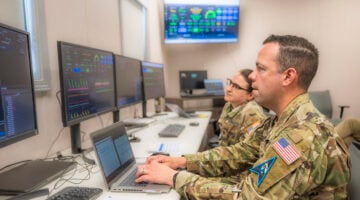
Facing a lack of kit, Space Force creates $981M pool to buy training capabilities
Gen. Greg Gagnon, head of Space Force Combat Forces Command, said a number of key mission areas face a serious lack of simulators needed for training Guardians.
Gen. Greg Gagnon, head of Space Force Combat Forces Command, said a number of key mission areas face a serious lack of simulators needed for training Guardians.

Gen. Stephen Whiting told the Mitchell Institute today that SPACECOM also plans to continue its Apollo Insights table-top exercises with commercial industry on a quarterly basis this year.


Fuel cell technology lets smaller, more versatile VTOLs handle tasks previously reserved for larger drones.
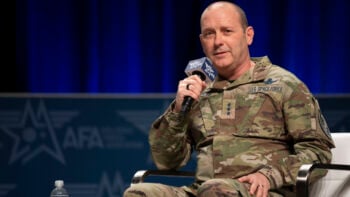
Lt. Gen. Doug Schiess will inherit a much larger Space Force, in both budget and end strength, than his predecessor Gen. Chance Saltzman.
The Space Force's projections of its needs for orbital warfare and electronic warfare are only included in the classified version of the new Objective Force plan, but Chief of Space Operations Gen. Chance Saltzman confirmed that the service wants new kit for orbital warfare.
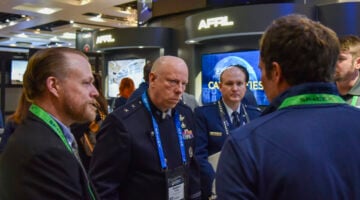
The Space Force is "serious" about integrating cislunar capabilities, with plans to work closely with NASA and the Air Force Research Laboratory on new tech, Tom Ainsworth, Air Force space acquisition officer, said today.
Space Force leaders consider orbital warfare training with live satellites a vital piece of the service's nascent Operational Test and Training Infrastructure (OTTI).

Multi-orbit mission capabilities are accelerating decision making across domains.

Slingshot's TALOS AI tool will be integrated into Space Training and Readiness Command's classified training operations, according to the company.
Gen. Gregory Gagnon, head of Space Force Combat Forces Command, said that currently "40 percent of my units do not have a realistic trainer in order to practice on them."

"I just think freedom of maneuver is going to be the enabler for every space mission going forward," said Gokul Subramanian, Anduril's senior vice president of engineering.

"If the space domain feels pain, the rest of the Joint Force will likely feel that pain as well," said Lt. Col. Shawn Green, commander of the Space Force's 527 Space Aggressor Squadron.

Predictive artificial intelligence and autonomy will reshape how forces are sustained across the Pacific.
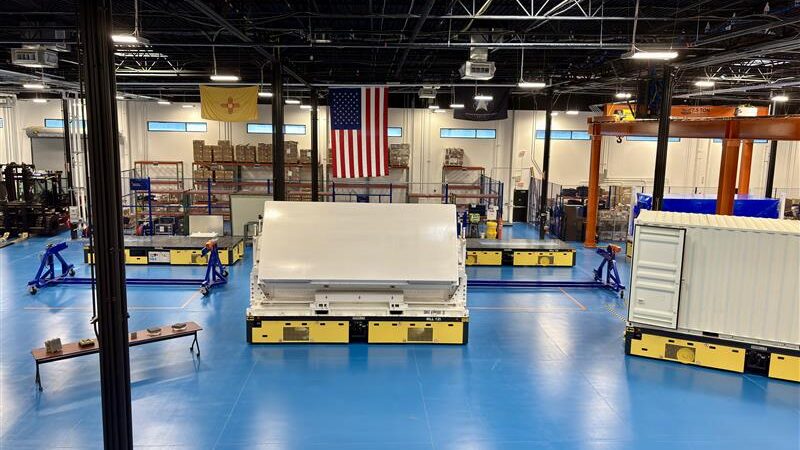
"[T]his capability is so important to where we're headed in the next couple of years, with having the capacity to make the SCN [Satellite Control Network] stand up to all the new systems that are coming and all the new mission requirements that they're going to have," Hammett told Breaking Defense.
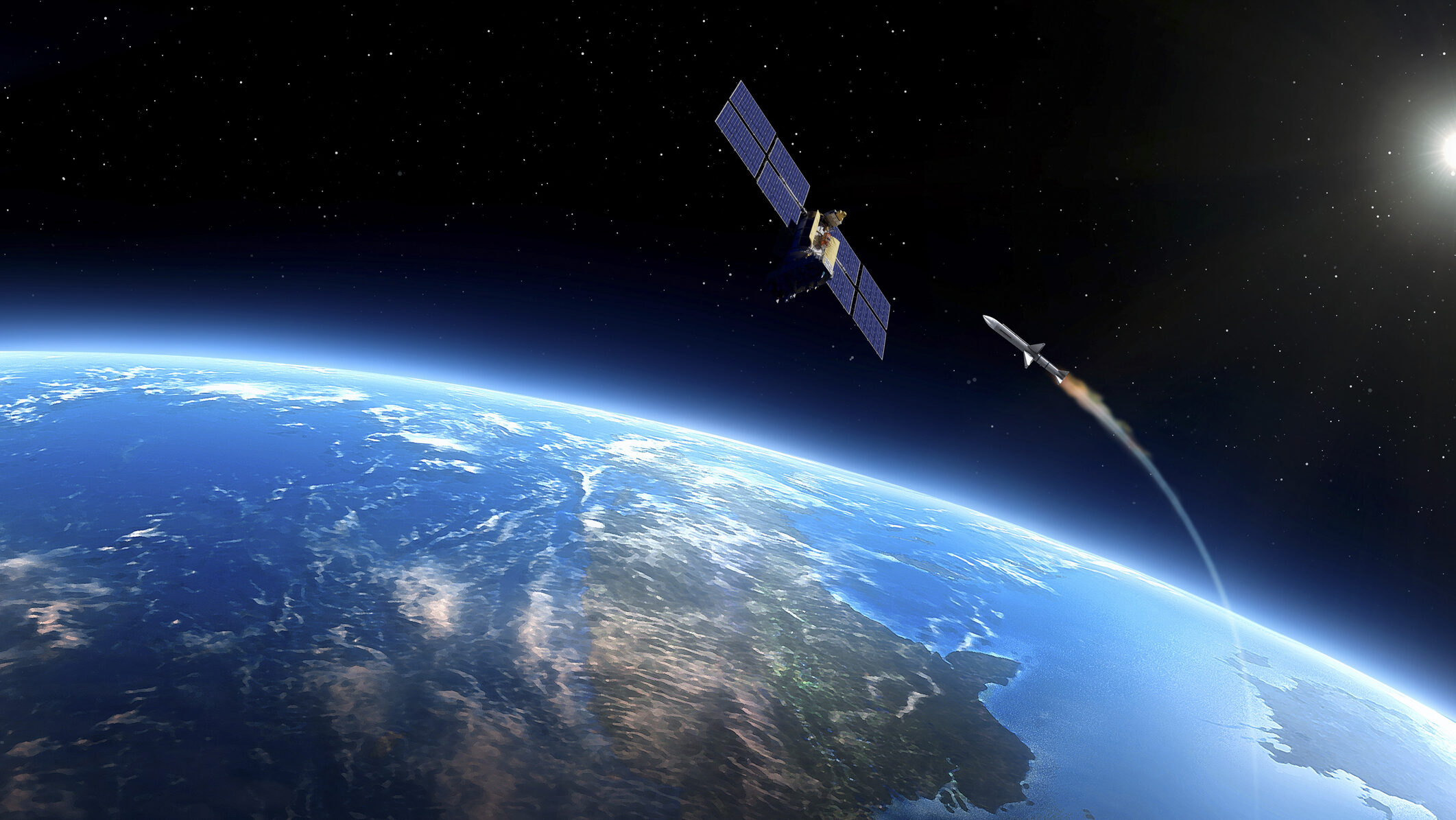
Some decision-making authorities, previously closely held by the president or secretary of defense, have been delegated to US SPACECOM, according to sources, but military space leaders want more freedom to act.
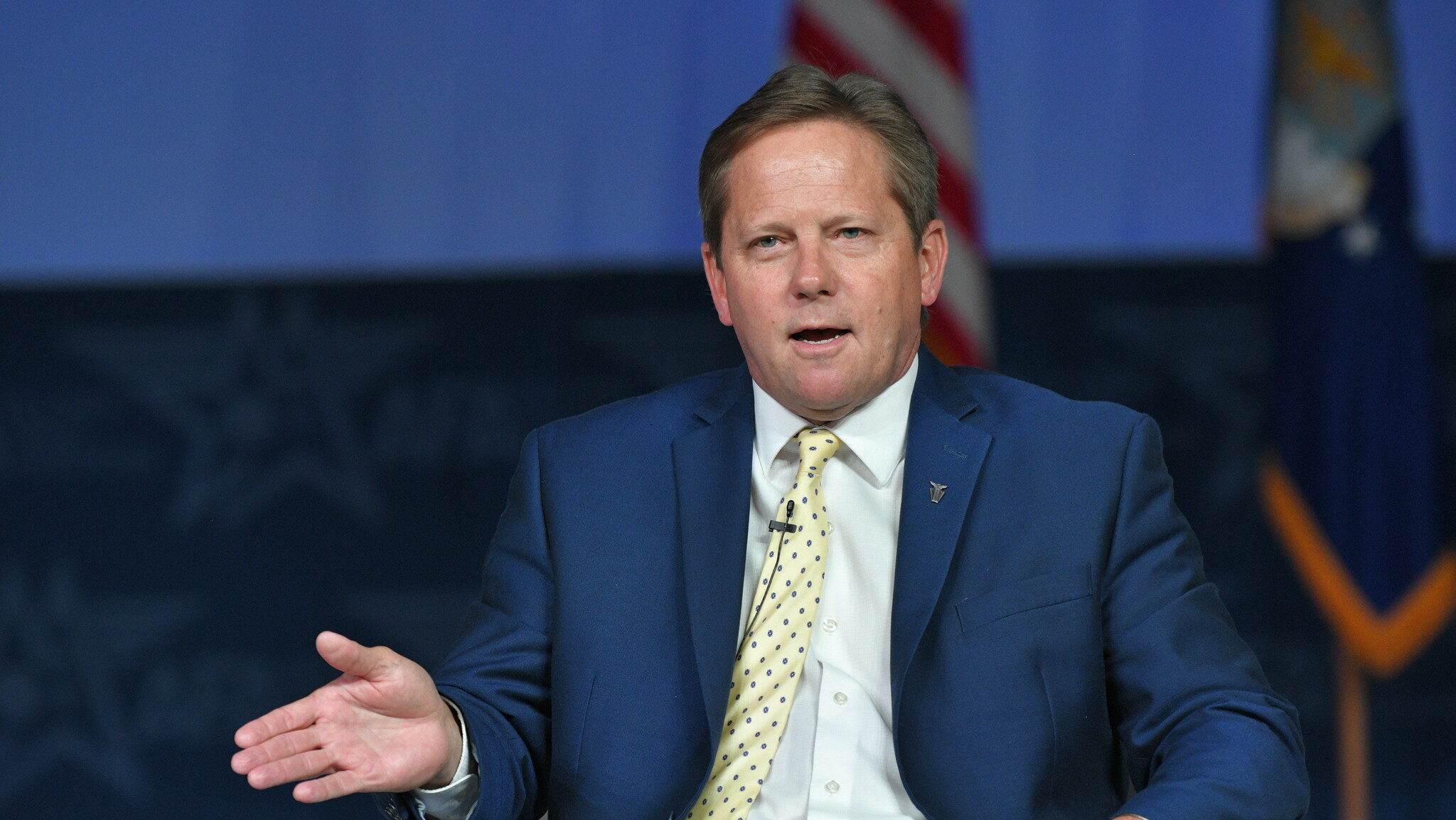
Space RCO Director Kelly Hammett envisions that his shop will feed tech into the Space Force's new effort to contract commercial firms to replace the Geosynchronous Space Situational Awareness Program (GSSAP) satellites for monitoring the heavens.

Gainey noted that the MOS 40D mission area will include operating the service's expanding ground-based electronic warfare arsenal for disrupting adversary space and counterspace systems.