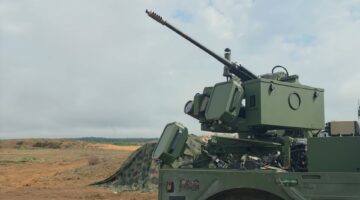
A more flexible way to defend maneuver forces from drones that doesn’t tie them down
Short-range air defense that is designed to move and adapt regardless of vehicle.

Short-range air defense that is designed to move and adapt regardless of vehicle.

Currently part of private equity firm Godspeed Capital, SilverEdge recently announced a generative AI platform designed to handle TS/SCI national security data, which it says is already operational at multiple, unnamed agencies.

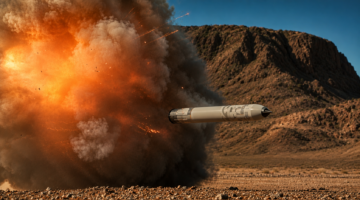
The goal of such weaponization is to tie warfighter needs to the RDT&E cycle.
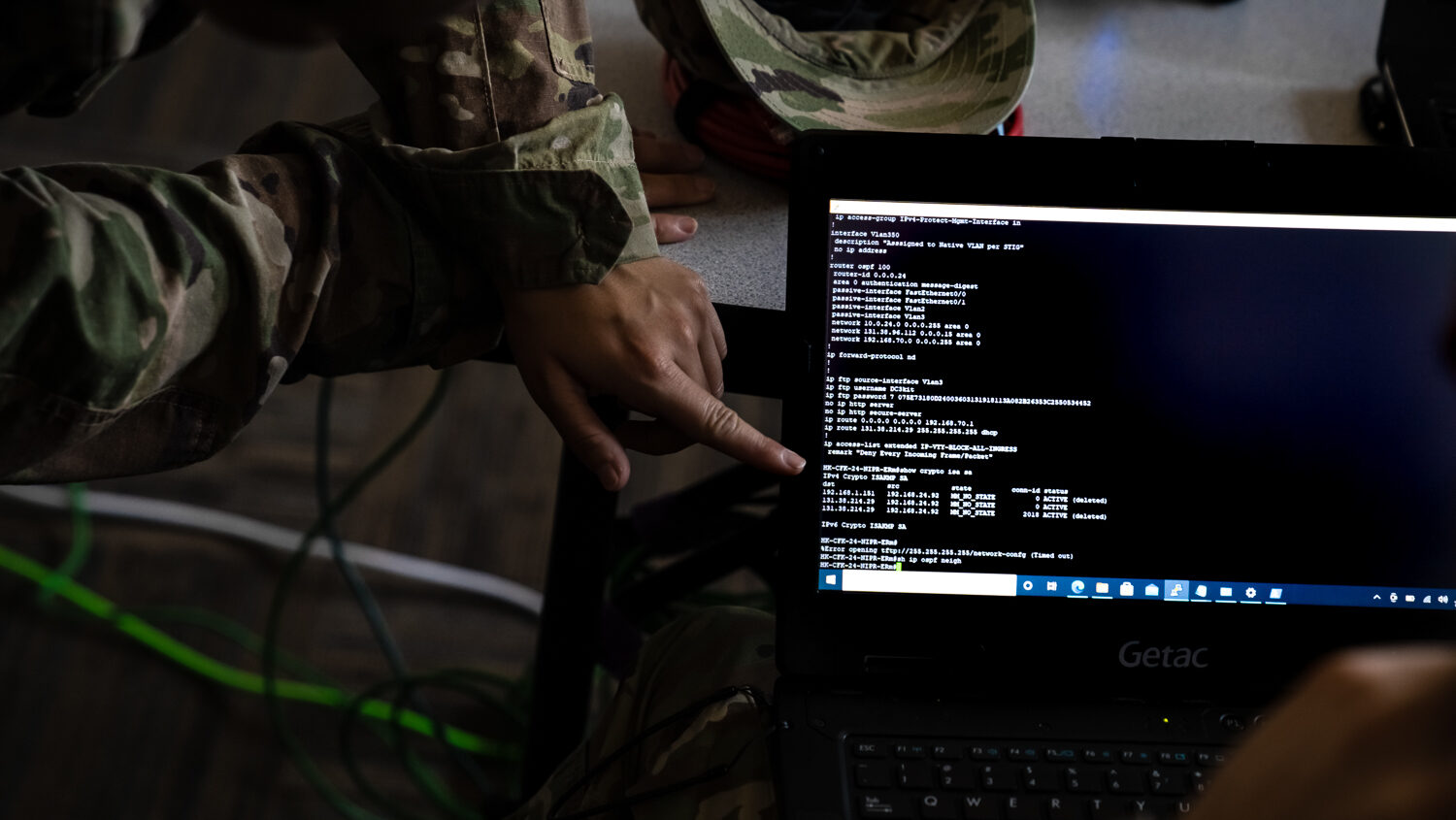
“The partnership's only like two weeks old, and it's already good to have that type of success story,” Rob Slaughter, CEO of Defense Unicorns, said.
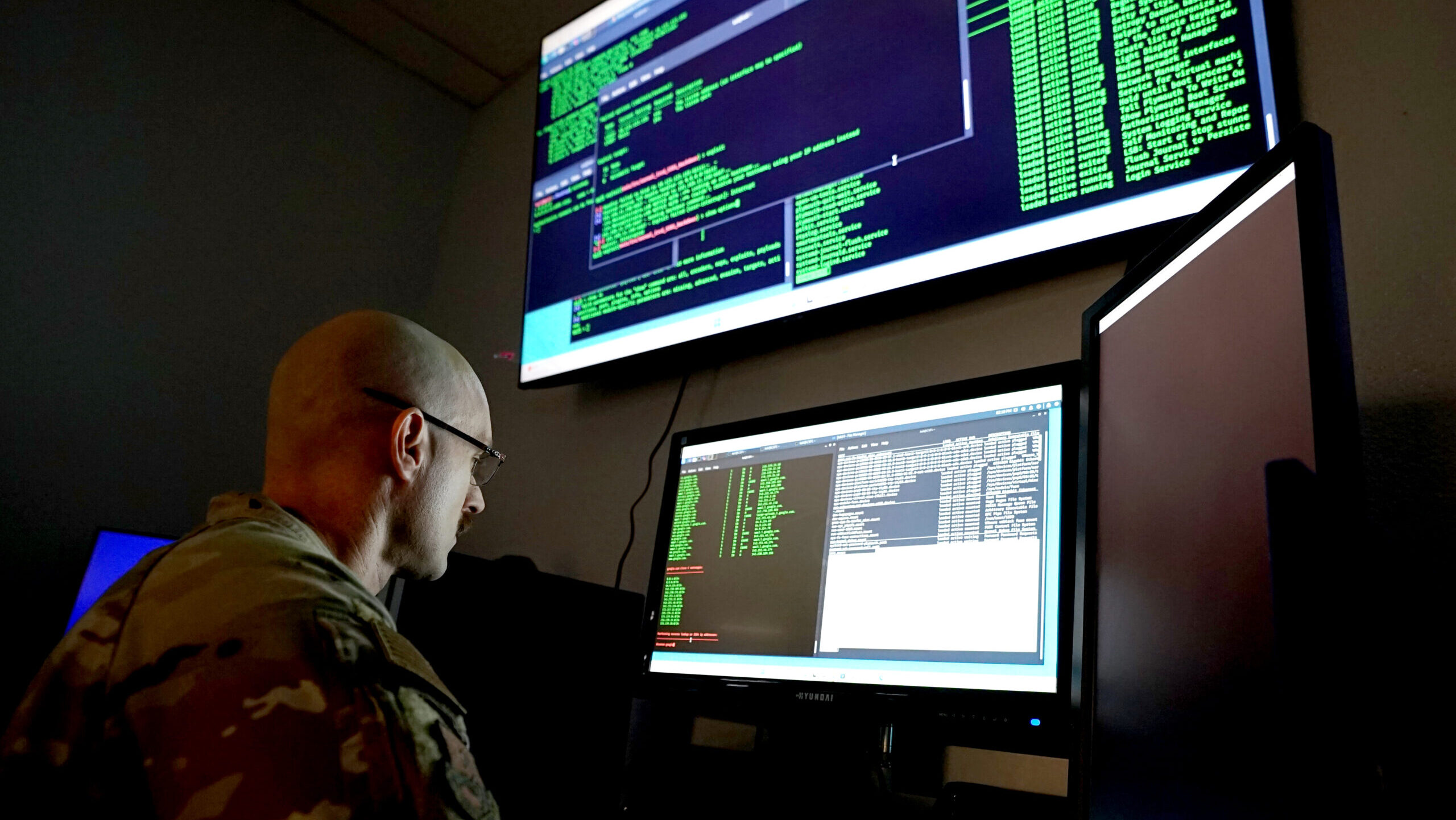
Though details are scarce, SAIC executive Vinnie DiFronzo said the work will likely include helping the organizations move to the cloud and bolster their cyber infrastructure.

The development and testing processes enabled by the new software environment will be game-changing, because in the end it will allow "satellites to be upgraded in space," SAIC's vice president for space, David Ray, told Breaking Defense.
The company will provide a several IT modernization services to support DCSA’s One IT vision of a consolidated IT environment, company VP Vinnie DiFronzo told Breaking Defense.
There is no single answer to the drone threat, pushing the Pentagon toward a broader mix of defenses.

“The purpose behind this is really to lay in the digital infrastructure to improve decision making and accelerate kill chains, kill webs…against a near peer threat,”said Vinnie DiFronzo, SAIC’s senior vice president of operations. “So it really comes down to decision superiority as an initial objective.”

"Money's going into space. There's a lot of opportunity for us to push into new areas leveraging our expertise," said David Ray, who leads SAIC's national security Space Business Unit.

Digital engineering. Open software standards. Edge processing. Connectivity. Autonomy. DevSecOps. The buzzwords are flying as defense contractors jockey to tout their respective capabilities as DoD's plans for Joint All-Domain Command and Control (JADC2) begin to manifest -- and new business opportunities.
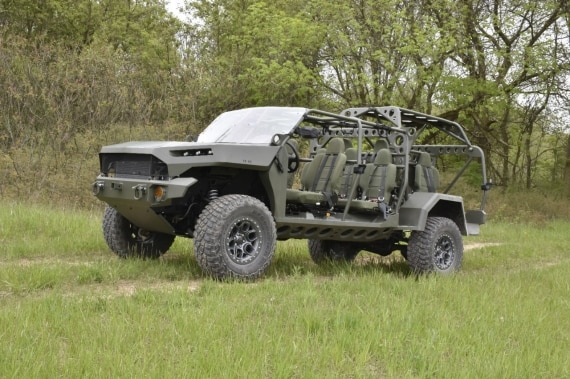
Auto giant General Motors is the outsider in a competition against two teams of companies with decades of defense experience: Oshkosh-Flyer and Polaris-SAIC.

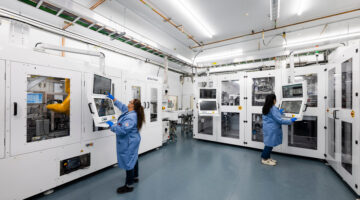
Lithium-metal batteries are one way to break the weight and endurance limits of today’s unmanned systems.

Building physical things is not SAIC’s, well, thing. But physically building stuff has become less important and less profitable than integrating all the complex high-tech components and making sure they work together.

SAIC not a traditional heavy-metal manufacturer and it shouldn't be judged like one, CEO Tony Moraco and COO Nazzic Keene told me.
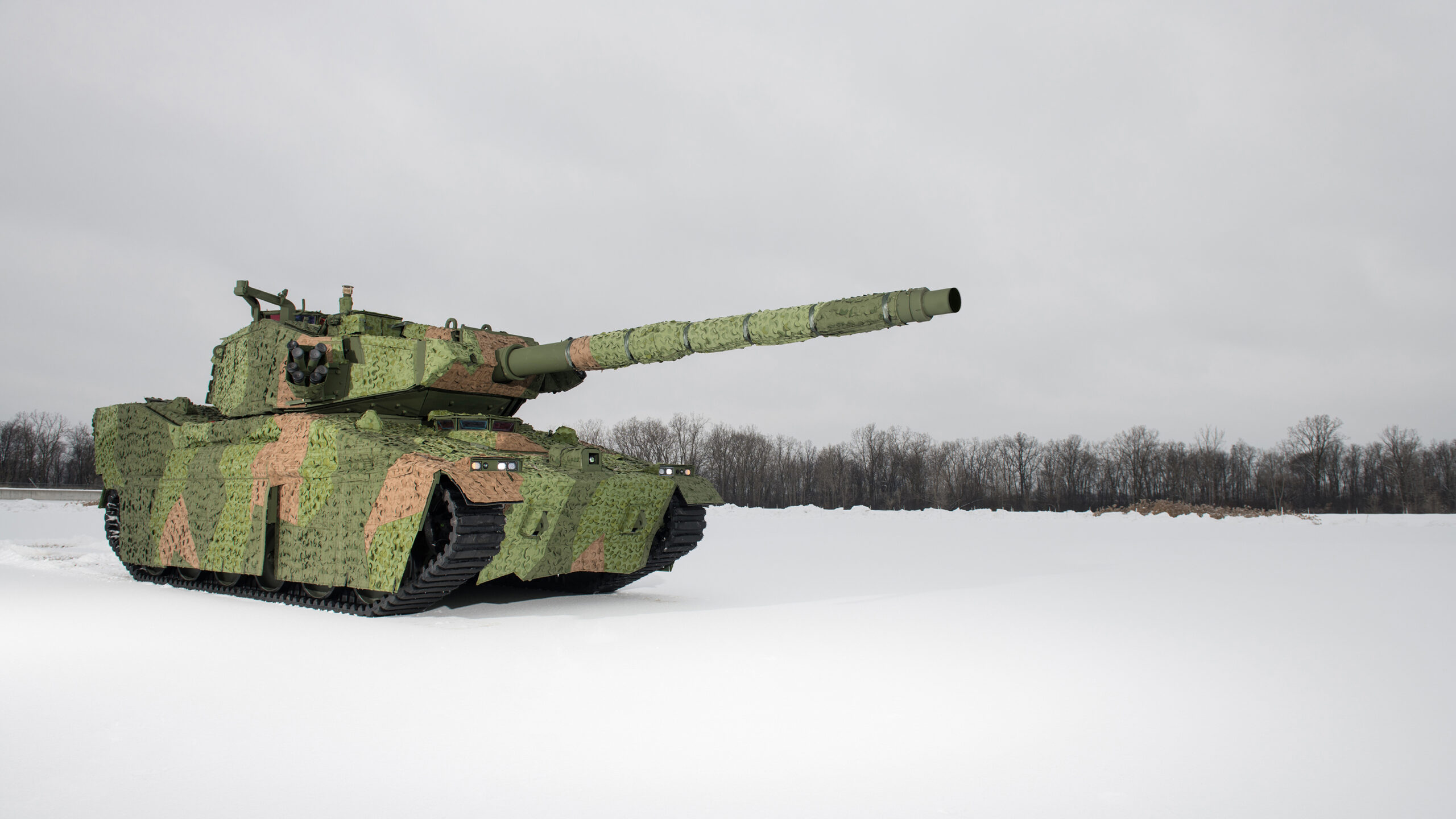
Yes, MPF is much lighter and less heavily armored than the M1 Abrams or even Russian tanks like the T-90. But MPF is going to light infantry units that currently have no armored vehicles at all, just a handful of Humvees, towed M777 howitzers, and whatever weapons the men can carry on their backs.

The initial contract announced today was just $198 million for the first 30 vehicles, to be delivered by next fall, but Marines want to replace approximately 870 existing AAVs with better-protected, more mobile ACVs "as rapidly as we can," which will take into "the mid to late '20s."