
Countering missile threats with enhanced warning and tracking payloads
Missile speed, maneuverability, and destructive power requires more capable payloads for accelerated kill chain timelines.

Missile speed, maneuverability, and destructive power requires more capable payloads for accelerated kill chain timelines.
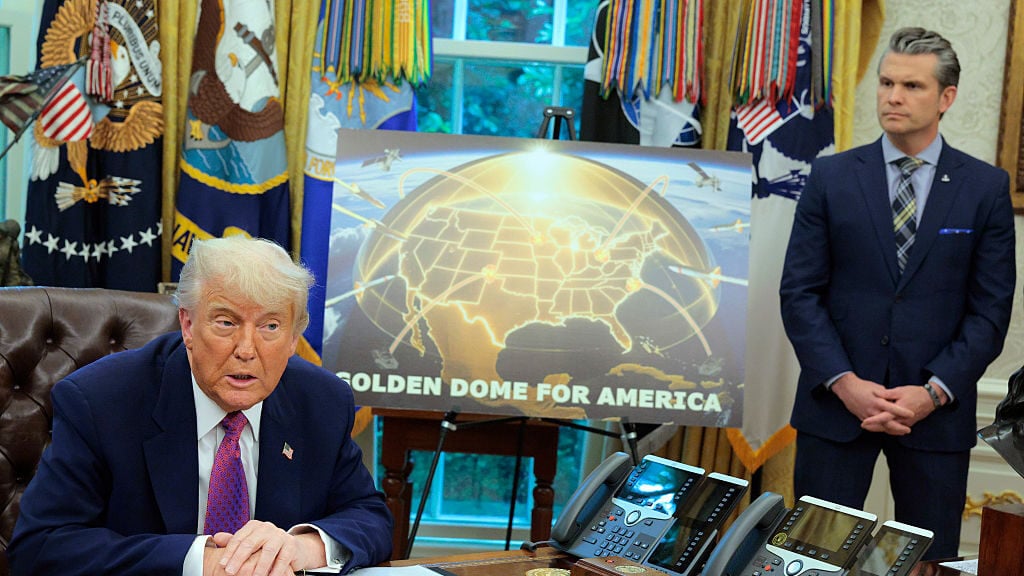
President Donald Trump said the project to develop a missile defense shield should be "fully operational" before the end of his term, and claimed Canada has asked to join the project.

Partnerships with outside industry are a cornerstone of the kingdom’s ambitious growth strategy.

The Space Force expects the multi-faceted Future Operationally Resilient Ground Evolution (FORGE) program to cost a total of $2.4 billion.

Assuming the Thursday launch goes as planned, the last of the satellites, SBIRS GEO-6, is expected to be up and running by "late spring, early summer" next year, according to Maj. Matt Blystone.

"At this point, we do not assess any impact to the schedule but continue to evaluate that day by day," said Col. Brian Denaro, SSC's program manager for Next Gen OPIR.
Space Force is actively considering whether its future missile warning and tracking satellites should be stationed in a wider range of orbits than in the past to improve the network's accuracy and resiliency, an SMC official says.


Midsized companies can offer flexibility and agility while keeping intellectual property in the hands of the government.

Two of the experiments, each involving two satellites, are focused on laser links: one between satellites themselves; the other from satellites to a MQ-9 Reaper drone on the ground.
The new SBIRS satellite, called SBIRS GEO 5, will be "the most advanced missile warning satellite" on orbit, said Lt. Col. Ryan Laughton, SMC's program manager.
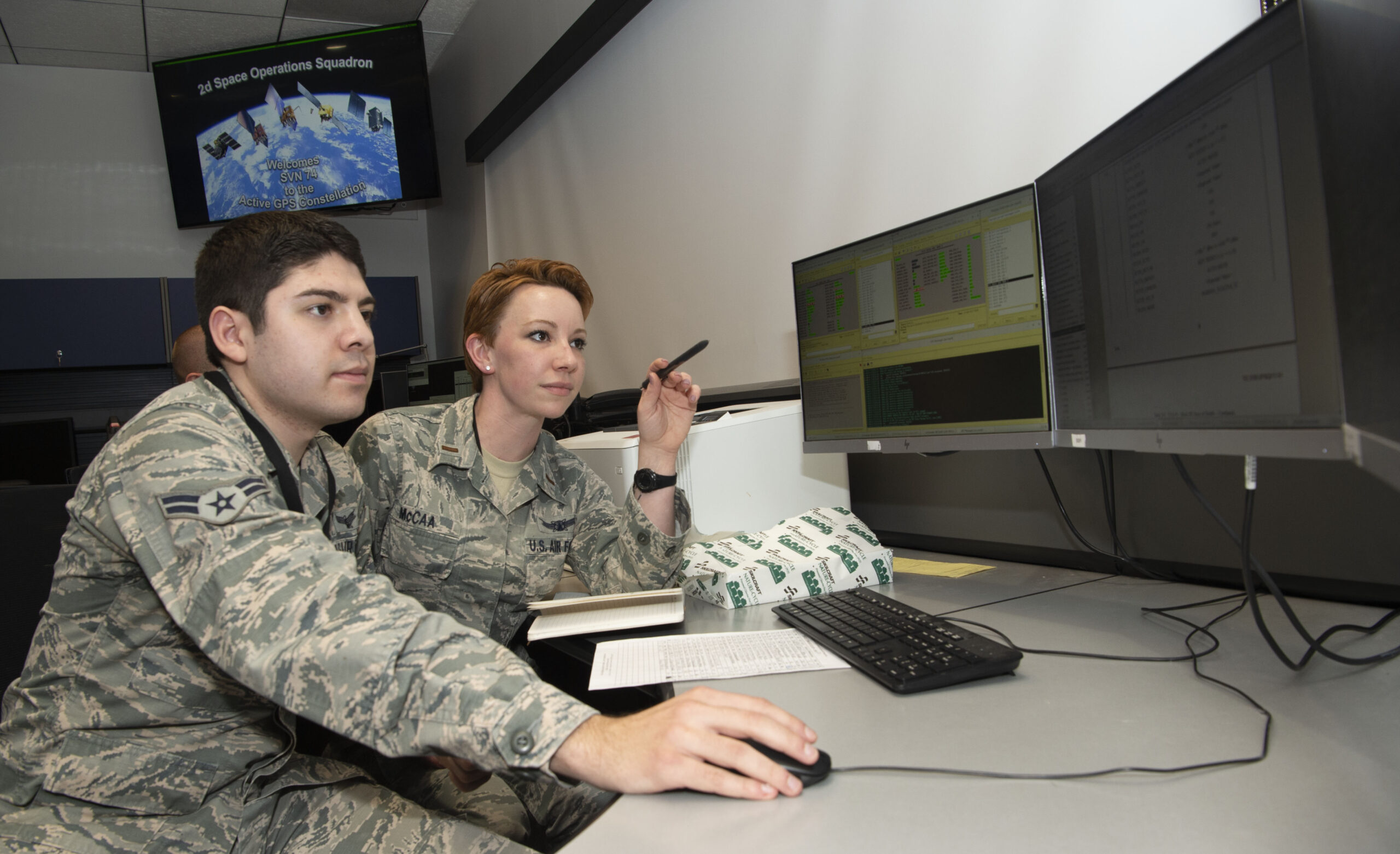
Instead of one mega-system to rule them all, the Enterprise Ground System (EGS) is building common components, from messaging standards to shared servers.
"The fiction that SDA and SMC are working together is just that," said a former senior DoD space official. "You know, they make nicey-nicey, but, the reality is that they're not working together."


On today’s battlefield, mobility isn’t optional - it’s mission-critical.

"As a new service, we have an opportunity here to really establish ourselves in a new way -- leveraging digital technologies, and leveraging digital processes and practices in a new way," says Maj. Gen. Kim Crider, Space Force acting chief technology innovation officer.

"We can't break the US Air Force, we can't break the Army, we can't break the Navy," said Lt. Gen. David Thompson, Space Force vice commander.
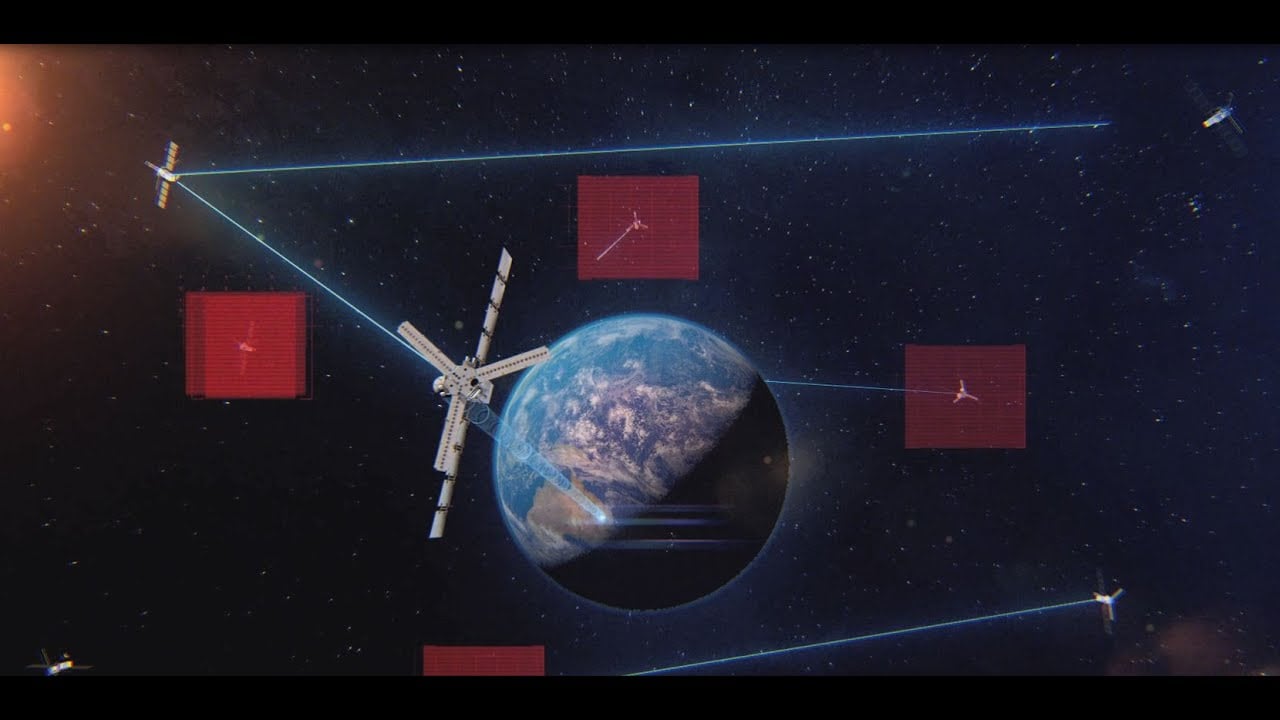
Part of the new missile warning satellite architecture will be plans for integrating commercial and allied capabilities, explains Shawn Barnes.
The SBIRS follow-on missile warning sat program is "firing on all cylinders," says Roper.