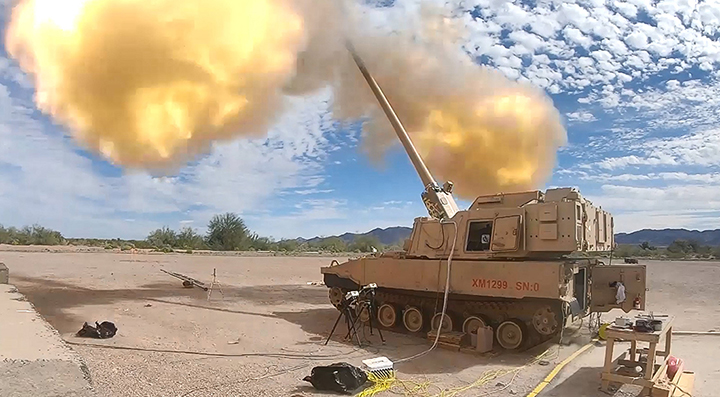
‘Unclear’ reporting guidance, ‘inaccurate’ data hamper Mid-Tier Acquisition oversight: GAO
The watchdog report in particular hones in on concerns about a lack of transparency in service and Pentagon component MTA programs.
The watchdog report in particular hones in on concerns about a lack of transparency in service and Pentagon component MTA programs.

While lawmakers worry over lack of oversight, MITRE's Pete Modigliani tells Breaking Defense, "The Middle Tier of Acquisition pathway is one of DoD’s most valuable tools to rapidly deliver capabilities ... to deter China’s threat."

Do more with less: streamline workflows, reduce duplication, invest upfront to save long-term.

An audit by the DoD Inspector General found that while federal law "allows for one of 4 conditions for a prototype OT award," Pentagon rules contain "no requirement to validate that the contractor met those conditions," an OIG spokesperson told Breaking Defense.

When it comes to MTAs, Eric Lofgren, a defense acquisition specialist at George Mason University, told Breaking Defense that "GAO and OSD seem to be struggling with how to baseline and conduct oversight of these programs."

"If the Space Systems Command is going to acquire other commercial services in the same fashion that CSCO has been acquiring commercial SATCOM, then that will not serve the warfighter well," said Rebecca Cowen-Hirsch, senior vice president for government strategy and policy at Inmarsat.

"When you can launch an austere airbase in a space capsule, that's frickin' awesome," says AF acquisition head Will Roper about the idea of suborbital transport spacecraft.

As threats rapidly evolve, digital engineering, manufacturing capacity and robust supply chains are critical to meeting challenges.
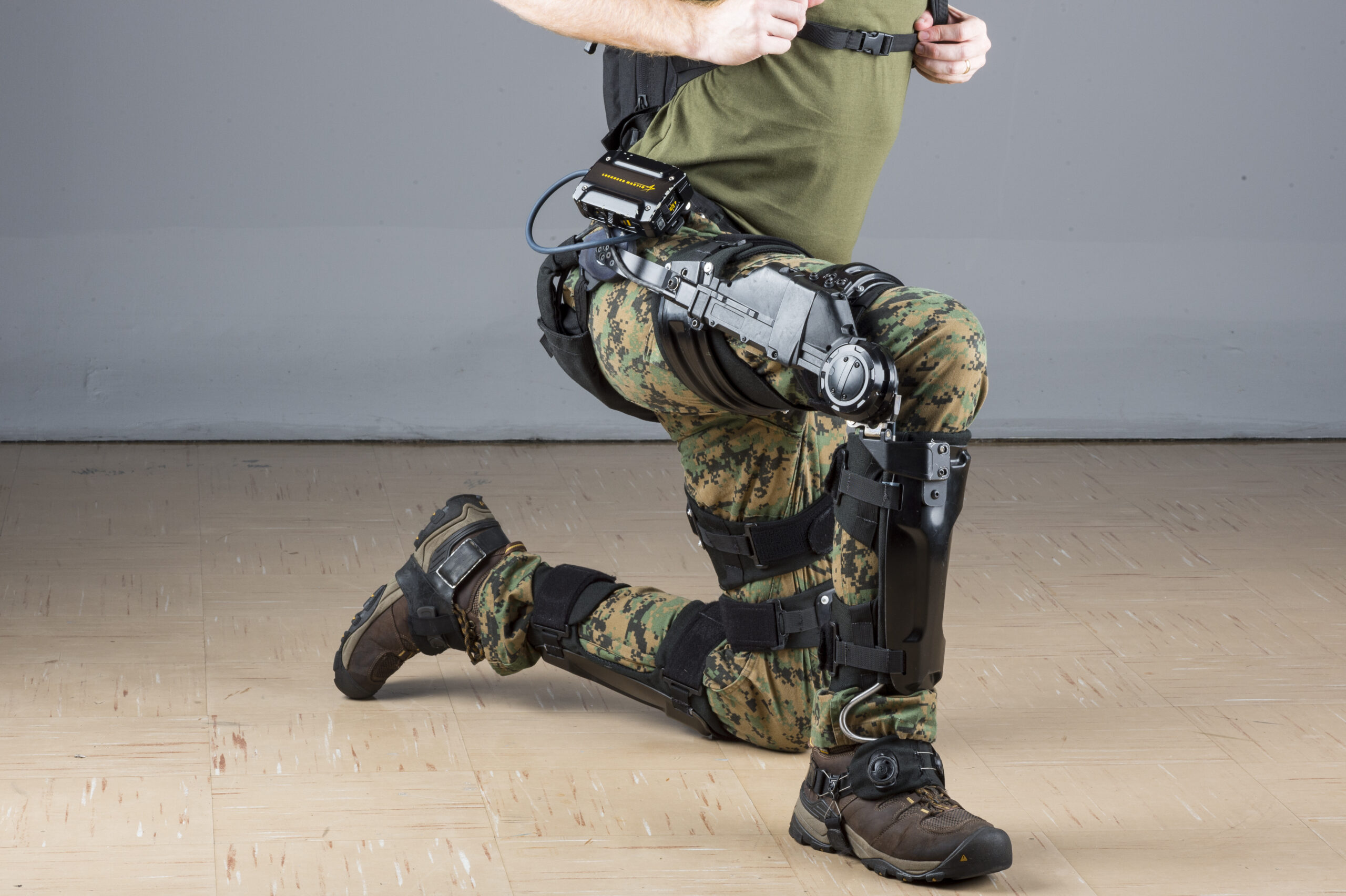
SOCOM couldn't build a bulletproof Iron Man. But Army experiments with more modest lower-body exoskeletons have shown real-world potential to help overburdened foot troops.


The company is using extensive automation and a new generation of high-efficiency gallium nitride materials to accelerate development of the Lower-Tier Air & Missile Defense Sensor, LTAMDS.

"There are some places that will have some interesting dialogue," says Shawn Barnes, the Air Force's point person on working out future space acquisition authorities under the Space Force.

PTS is not a satellite per se, rather it is envisioned as a payload that could be carried by US military, commercial or even allied satellites.

Government can’t stop to update systems, so modernization has to happen without interruptions.

After rejecting prototype vehicles built at industry’s expense, the Army is starting over with a competition for low-cost ‘digital prototypes.’ When will they physically build something? TBD.
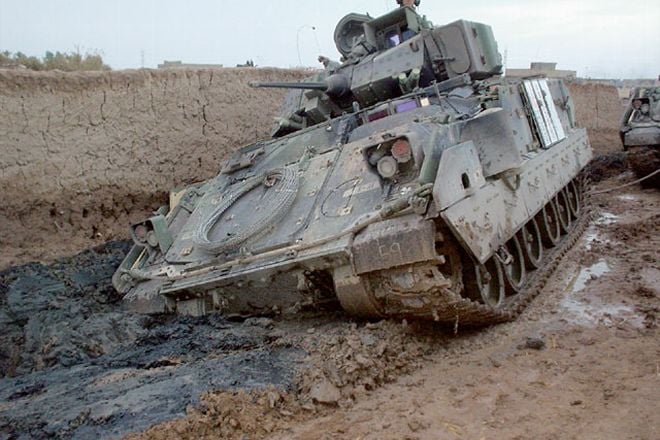
With only one company qualifying, is the Army’s decision to cancel the competition and start over a major defeat, or it is a necessary and timely course correction?

AFRL's new Air Force Explore challenge intends to make four to seven awards, each in the $1 million to $2 million range.

GAO’s own data show that the supposed cost growth at the heart of the analysis does not exist at all. The patient reader will find that the real reason for this “cost growth” is increased purchase quantities. In plain terms, the Pentagon bought more weapons.