Air Force weighs plan to cancel SDA’s next set of data relay sats in favor of SpaceX: Sources
The shift was recommended by the Space Force in order to protect the service's high-priority efforts, sources told Breaking Defense.
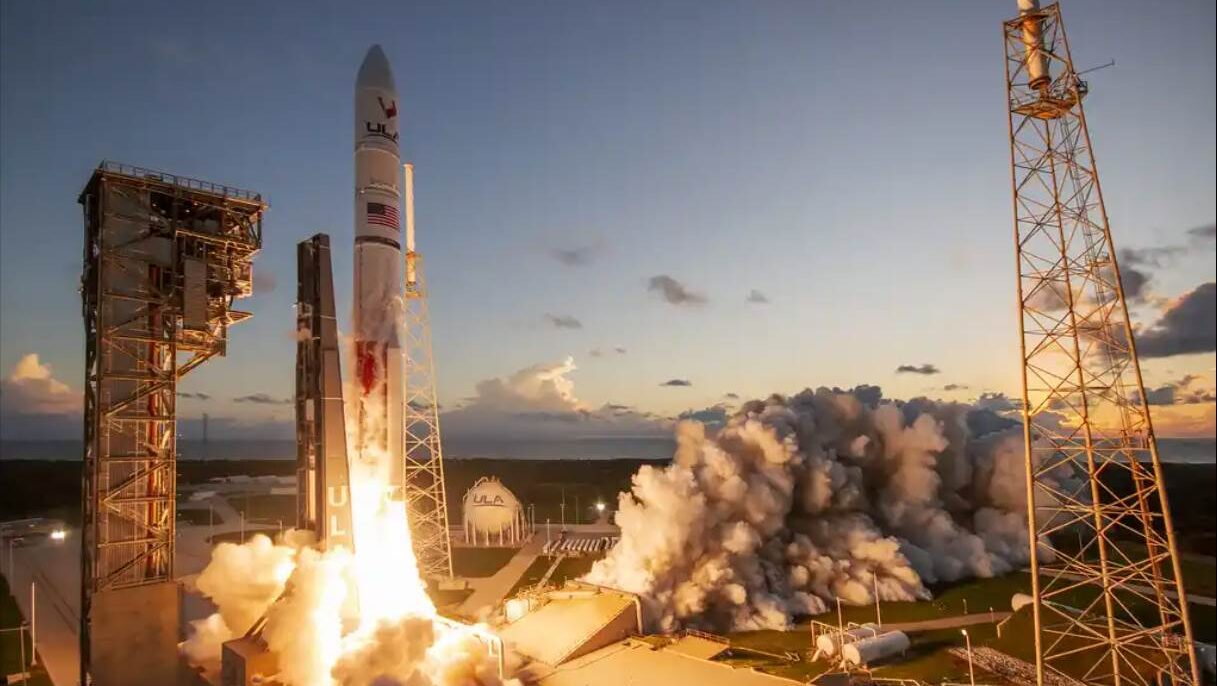
With that thumbs up from Space Systems Command’s (SSC) Assured Access to Space program office in hand, ULA now is the second fully certified launch provider, along with SpaceX, cleared under the Space Force's National Security Space Launch (NSSL) program.
Col. Rich Kniseley said the current plan is to set up a new Space Force working capital fund for buying commercial SATCOM, initially worth about $120 million, on Oct. 1.
Cutting the Advisory Committee on Excellence in Space endangers America's leadership in space by shifting away from public-private collaboration, writes Kathleen Curlee of CSET.
The goal of the collaborative effort was to show that commercial data can help close the time lag between when a satellite is released into orbit from a rocket to when the Space Force can reliably track it and put the trajectory coordinates into the military's catalog of space objects, said Kayhan CEO Siamak Hesar..
“These reports raise concerns about your ability, if confirmed as Secretary, to treat contractors fairly and prioritize the Air Force’s mission over Elon Musk’s business interests,” wrote Democratic Sens. Tammy Duckworth and Elizabeth Warren.
Lt. Gen. Philip Garrant, chief of the Space Force’s Space Systems Command, stated that the service will not move forward with awards for the newest round of the National Security Space Launch program until Congress approves the fiscal 2025 budget.
While Pentagon launches are not covered by FAA rules, a healthy and, importantly, diverse rocket industry base is important to the Space Force for keeping its launch costs down.
Should Vulcan get the Space Force go-ahead, both planned NSSL missions are expected to fly by the end of the year as planned.
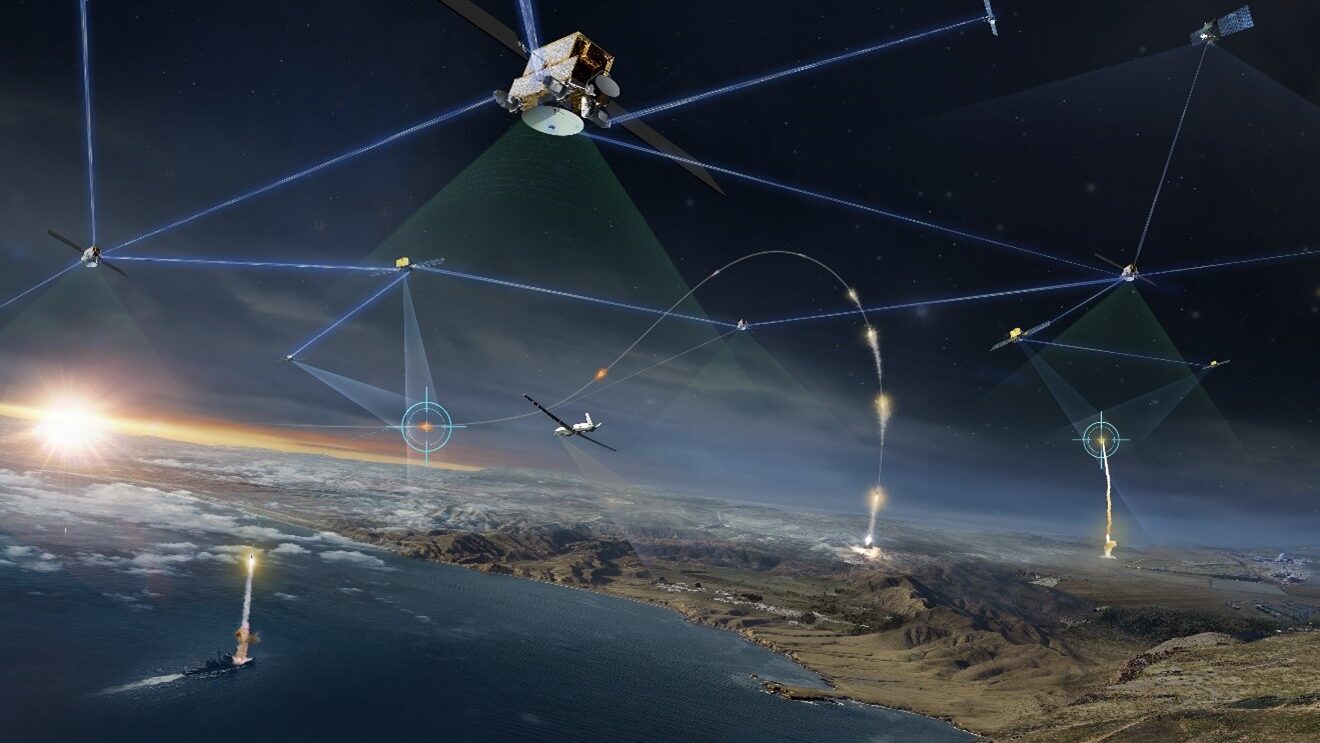
“I describe PWSA, the Proliferated Warfighter Space Architecture, as the Android model,” said Space Development Agency director Derek Tournear. “If we get vendor lock, if only one works, or if they can't talk to each other, that falls apart pretty quickly.”
“I don't have reservations about affordability of CCA, because I think just by their very nature, they want to be much less expensive,” Rep. Rob Wittman told Breaking Defense. “What I want to make sure of is that we don't try to take a CCA that's a basic platform and add a bunch of cost to it, because we have this requirement creep."
The Tyche satellite is the lead system from the wider £968 million ($1.2 billion) ISTARI programme, aimed at delivering a multi-satellite ISR constellation, together with future ground systems, by 2031.
In this op-ed, Olivia Letts of George Mason University discusses the incompatibilities of PPBE with advancing space technologies and how to address these challenges.
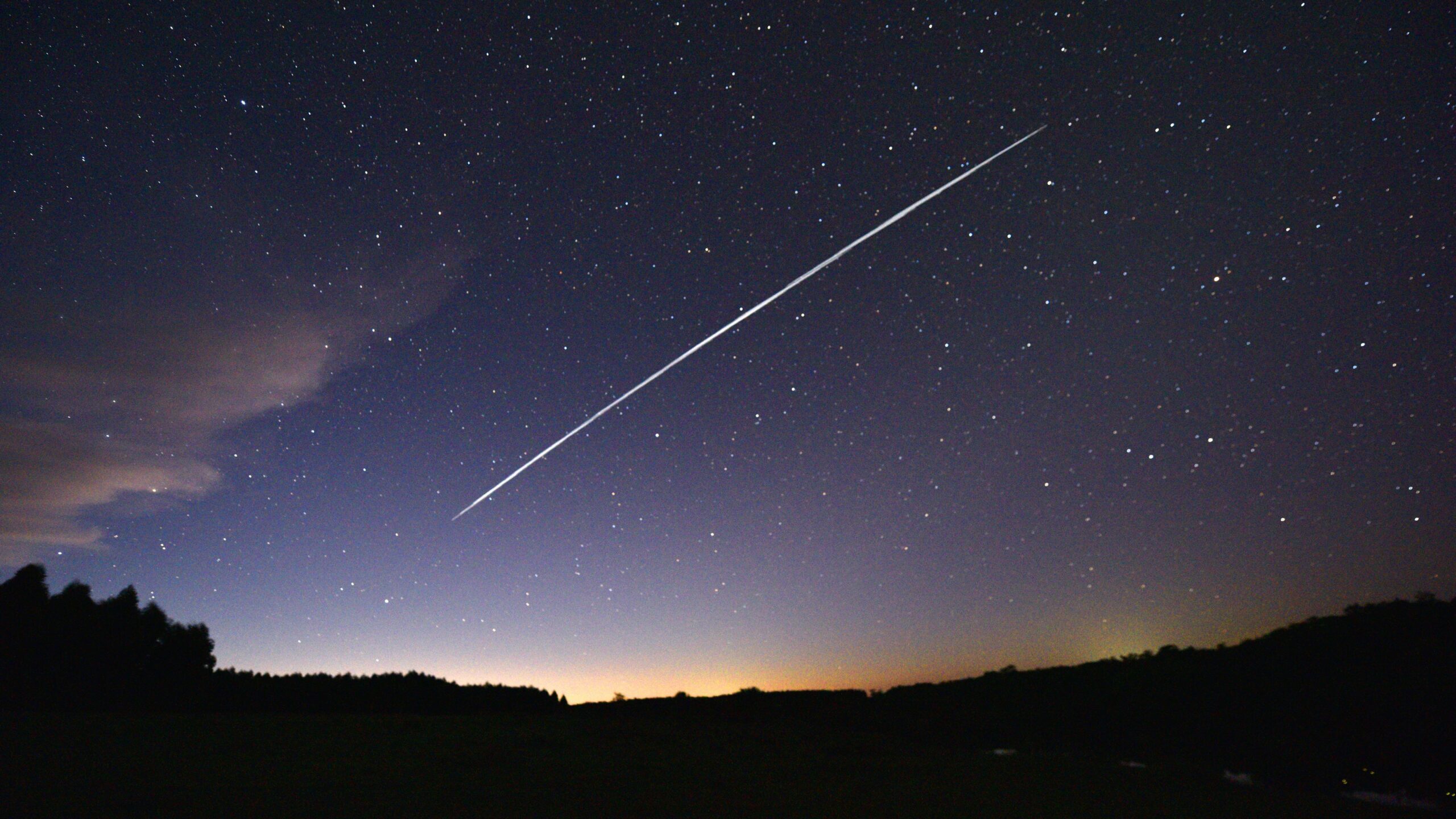
The Space Force today circulated a fact sheet explaining what the service called a "proactive" and "collaborative" effort to keep tabs on Starlink re-entries as SpaceX begins to de-orbit some 100 early variants.