
Pentagon Plans ‘Plug & Play’ Drone-Killing Tech
The military will consolidate from dozens of different, often-incompatible counter-drone defenses to just seven — with a single common standard for command & control.
The military will consolidate from dozens of different, often-incompatible counter-drone defenses to just seven — with a single common standard for command & control.

"Our ability to apply AI and other emerging technologies faster than our adversaries will allow us to maintain our competitive edge over Russia and China," Rep. Elise Stefanik, ranking of the HASC emerging threats subcommittee, said.

From emerging data networks to missile tracking and cyber resilience, Breaking Defense’s latest eBook brings together essential reporting on the evolving role of satellites in national security.
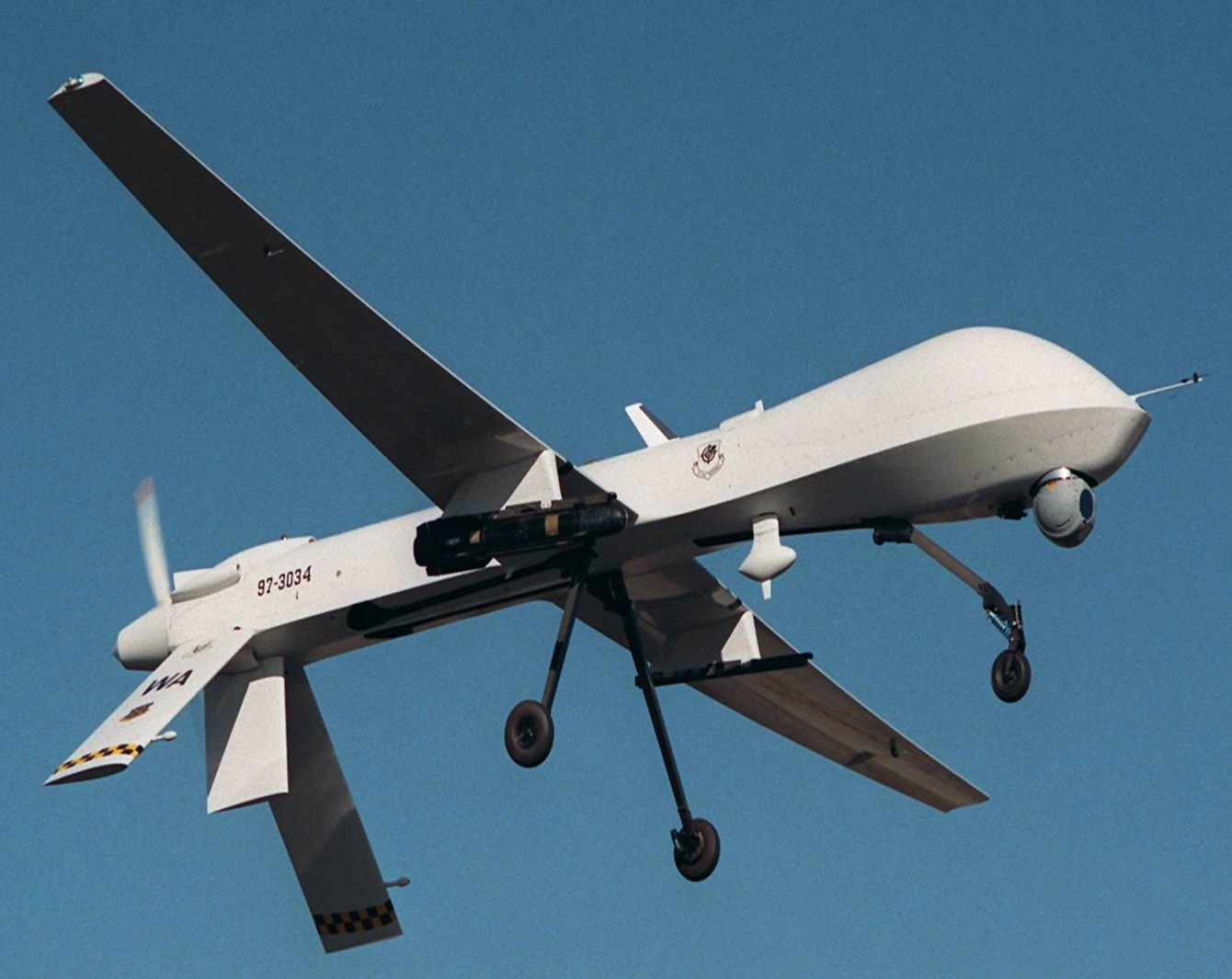
"I have great hopes that this administration, with its bold unilateral actions on so many fronts, would take unilateral action with this regime on UAVs," says Keith Webster, former DoD head of defense cooperation.

The Army’s urgently developing new air-launched drones, long-range missiles, and electronic architecture to go on the Future Attack Reconnaissance Aircraft that Bell and Sikorsky are vying to build.
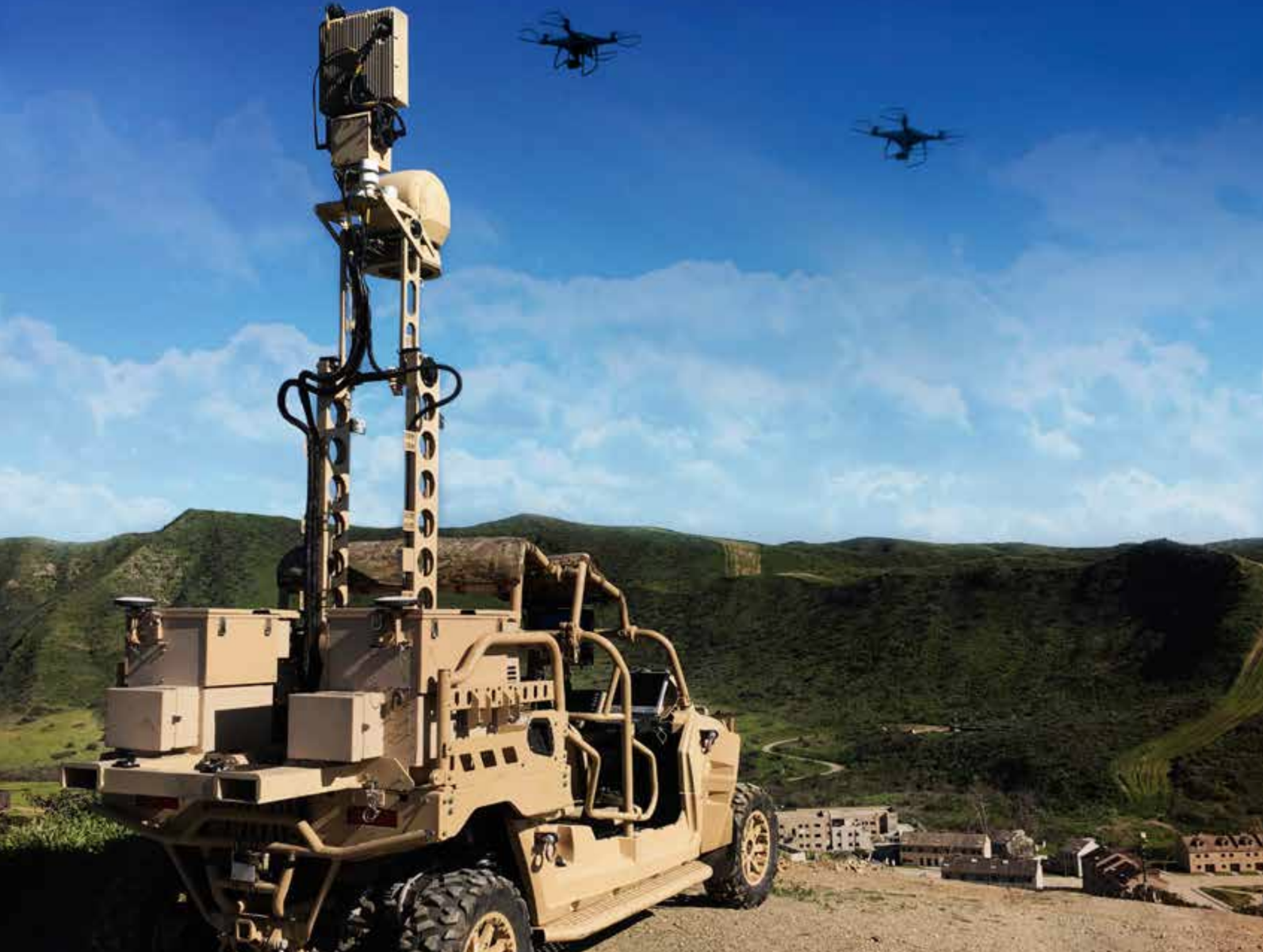
The emergence of drone warfare leads to new anti-drone technologies to detect, identify, and defeat unmanned threats.

Before manned aircraft enter hostile airspace, three different types of drones – long-range, tactical, and miniaturized – will rip open the seams in the enemy’s defenses.


The challenge for Western democratic institutions is not a lack of capability — it is a structural one.

The Army isn’t just replacing old helicopters. It’s building a networked "ecosystem" of mutually supporting manned and unmanned weapons that can drive a flying wedge into Russian and Chinese air defenses.

In an "unfunded priorities" list sent to Congress, the Centcom chief points in the direction of an expanding US footprint in the region.

The Pentagon’s digital elite wants to rapidly develop new techniques and technologies to detect, hack, and jam enemy drones – with wide potential applications for Joint All-Domain Command & Control.

Rep. Thornberry, the senior Republican on the House Armed Services Committee, said the White House move to repurpose military procurement money “is in violation of the separation of powers within the Constitution... and I believe that it requires Congress to take action.”
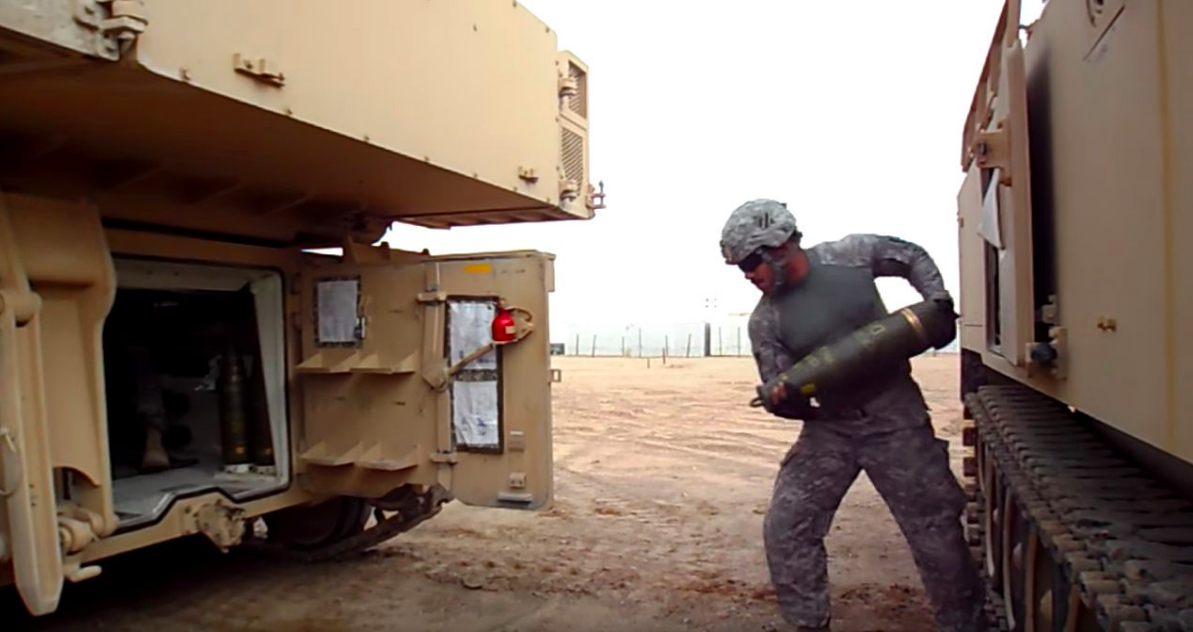
Six companies got $150,000 Field Artillery Autonomous Resupply contracts to study everything from exoskeletons that strengthen human ammo handlers to robots that might replace them.
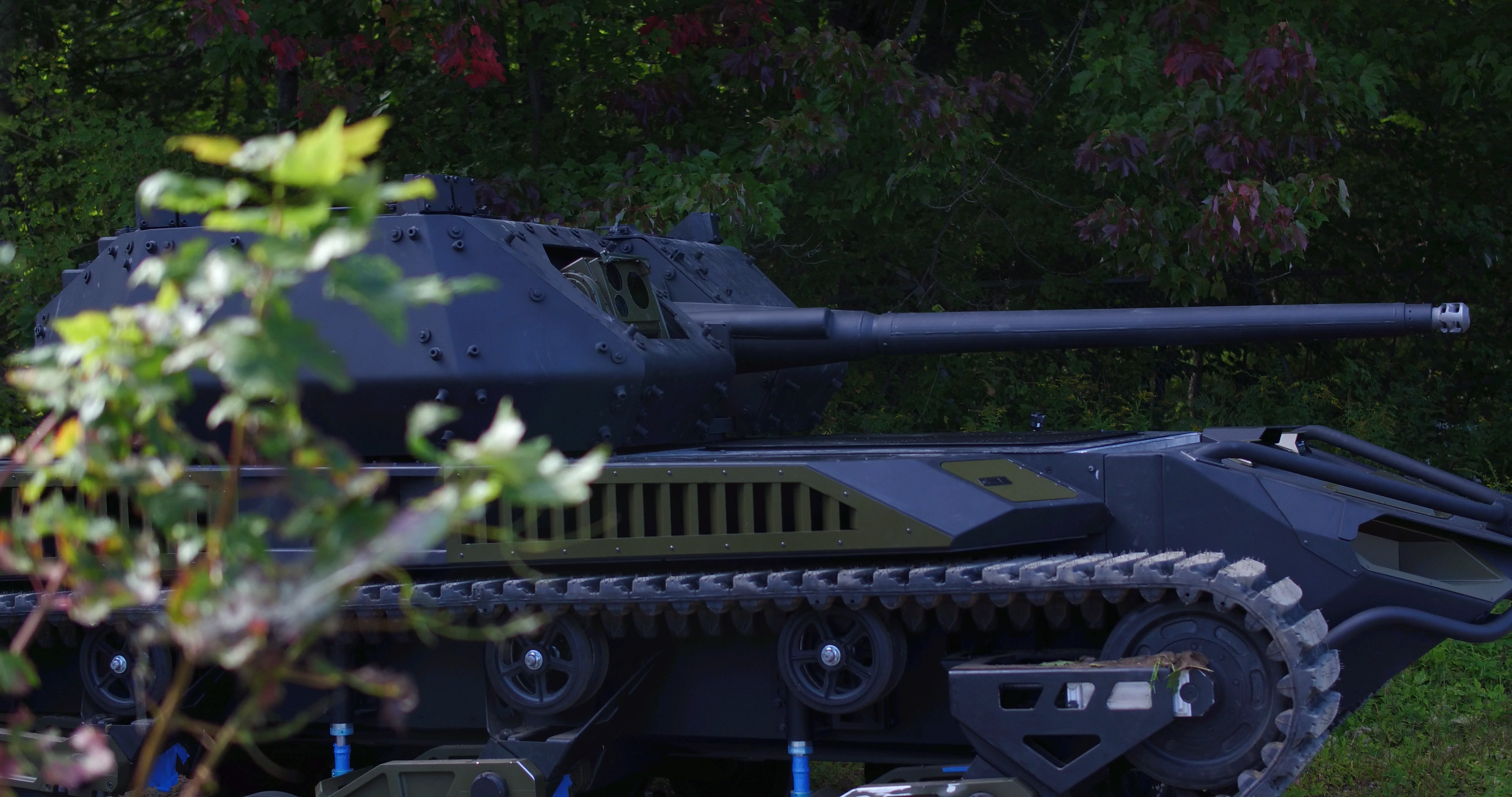
A simulated infantry platoon, reinforced with drones and ground robots, repeatedly routed defending forces three times its size — without losing a single human soldier. Would this work in real life?
The Army aims to replace its RQ-7 Shadow with a new, more nimble drone that doesn’t require a runway, to better scout and survive in fast-moving conflicts with great powers.
A senior Israeli defense source who spoke on condition of anonymity said: "Washington has not realized that the Hezbollah is Iran's very strong proxy and that supplying weapons to such an organization that actually is calling the shots in Lebanon is sheer stupidity."