
Pentagon partners with CIA’s In-Q-Tel for ‘technology scouting’
The CIA-funded investment firm, which has helped finance startups from Anduril to Palantir, is now formally coordinating with the Pentagon’s Critical Technologies office.
The CIA-funded investment firm, which has helped finance startups from Anduril to Palantir, is now formally coordinating with the Pentagon’s Critical Technologies office.
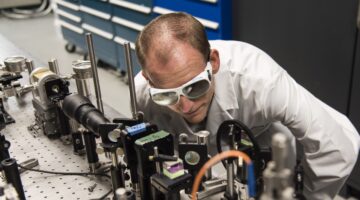
The armed services raid lab funding for more urgent needs like barrack repairs, the study says, leaving researchers in aging, outdated labs “that pose documented safety risks.”


Decentralized Embodied Collaborative intelligence enables better reconnaissance, logistics and combat capabilities.
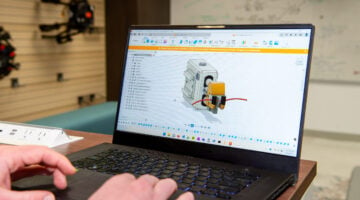
The first 400 patents are “the freebie, the door buster” to get industry excited about an in-progress, unprecedented database linking all 216 DoD labs, Emil Michael told reporters.

Defense Secretary Pete Hegseth consolidates tech offices under Pentagon CTO Emil Michael, launches new AI initiatives from swarms to sims to GenAI, and breaks up the sprawling Advana database.

While the National Security Strategy has a strong focus on the Western Hemisphere, the undersecretary for research and engineering said, "I am focused much more on other parts of the world.”

Renamed the Defense Autonomous Working Group, the drone initiative is now conducting wargames and working on larger, longer-ranged attack drones, Adm. Sam Paparo and Pentagon CTO Emil Michael said.


As threats continue to evolve, speed will increasingly depend on what is already available when the need emerges.
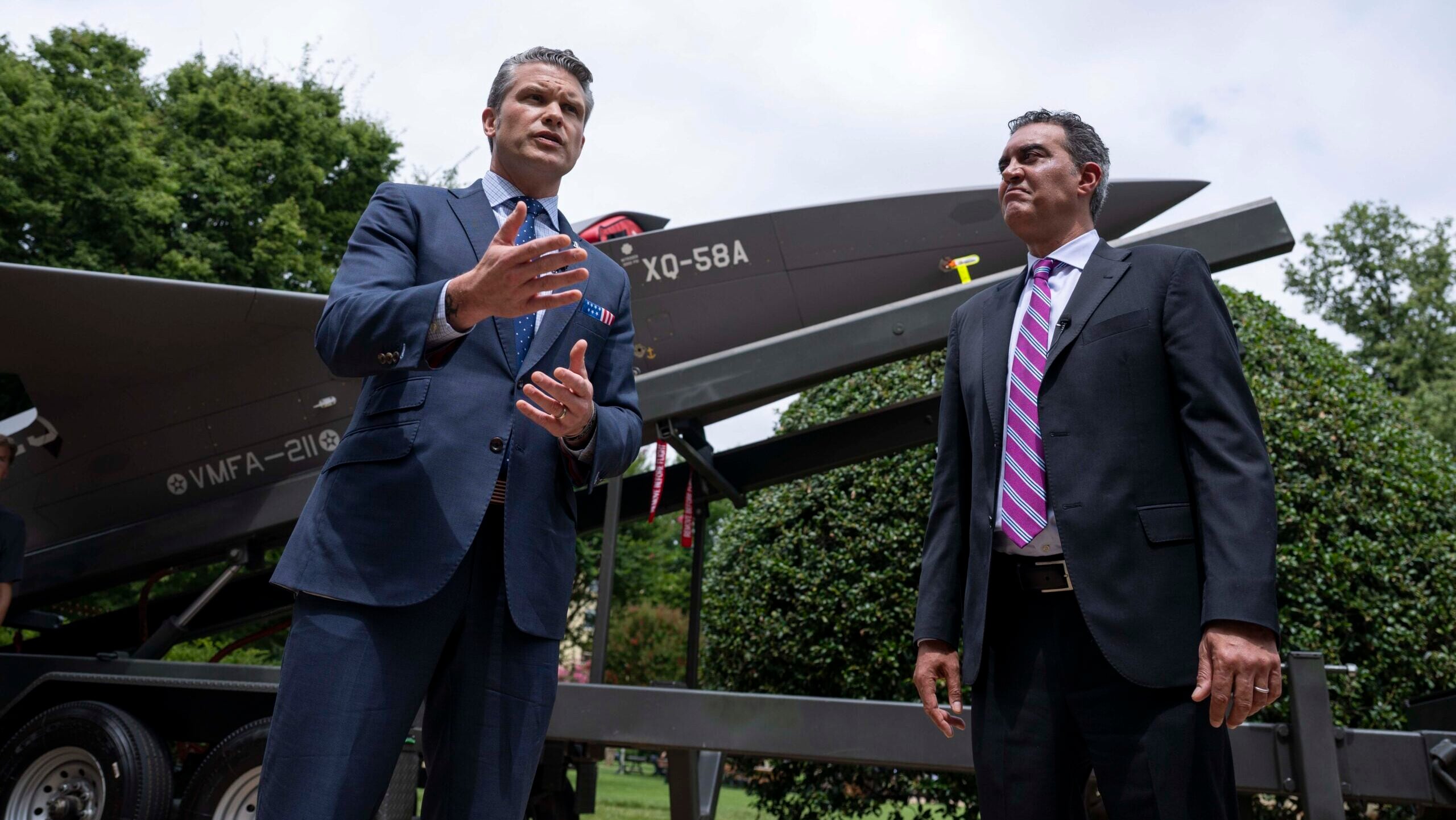
Under Secretary for Research & Engineering Emil Michael pruned a sprawling list of “critical technology areas” down from 14 to just six: AI, quantum, biomanufacturing, contested logistics, directed energy (lasers, microwave weapons, et al), and hypersonics. His aim: “deliver capabilities” in three years or less.

“When you pull an organization that was a direct report to the deputy secretary or secretary and move it somewhere else…the message to the force is loud and clear: This isn’t a priority,” said retired Lt. Gen. Jack Shanahan, who founded the predecessor to the current Chief Digital & AI Office (CDAO).
“At this next T-REX [Technology Readiness Experimentation exercise], we’ll be starting to host TOPGUN school,” said prototyping & experimentation director Alex Lovett. “We’re going to be playing Red versus Blue, their best [offense] coming after our best defense.”

In written testimony from March, Michael indicated he would look to review the structure of the R&E office, while pushing to shift a culture he described as “overly risk adverse.”

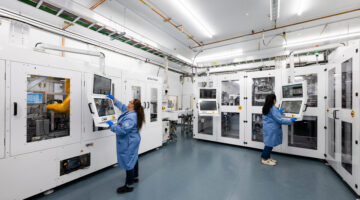
Lithium-metal batteries are one way to break the weight and endurance limits of today’s unmanned systems.
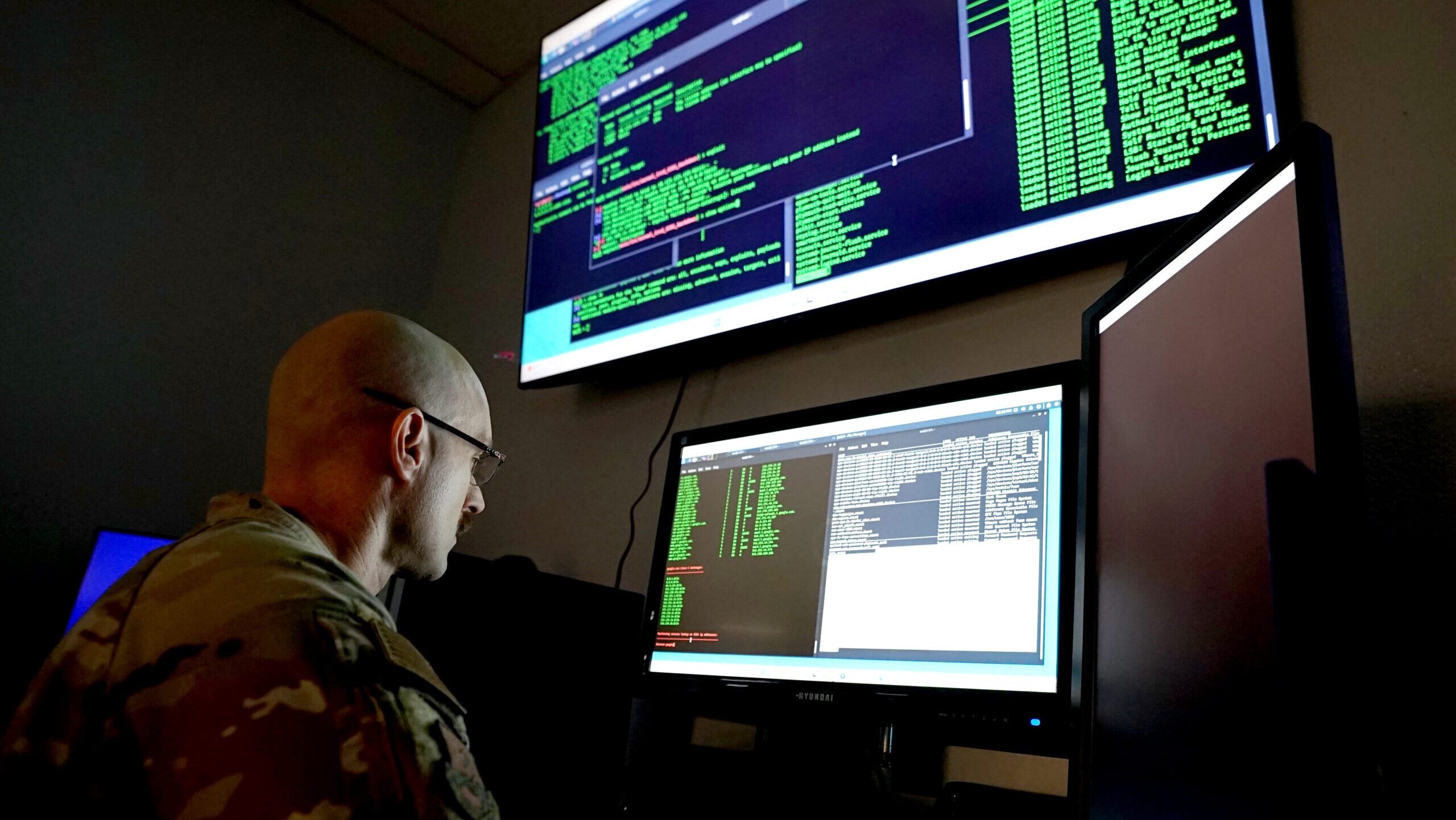
“We really don’t have … the in-house capabilities to answer all the questions,” the Pentagon’s deputy director for advanced computing, Roy Campbell, told Breaking Defense. “We’re really going to have to ‘phone out’ to all these assets” that the private sector plans to build.

The US is still great at designing chips but has offshored the ability to build prototypes, which slows innovation and risks IP theft, said OSD’s Dev Shenoy.
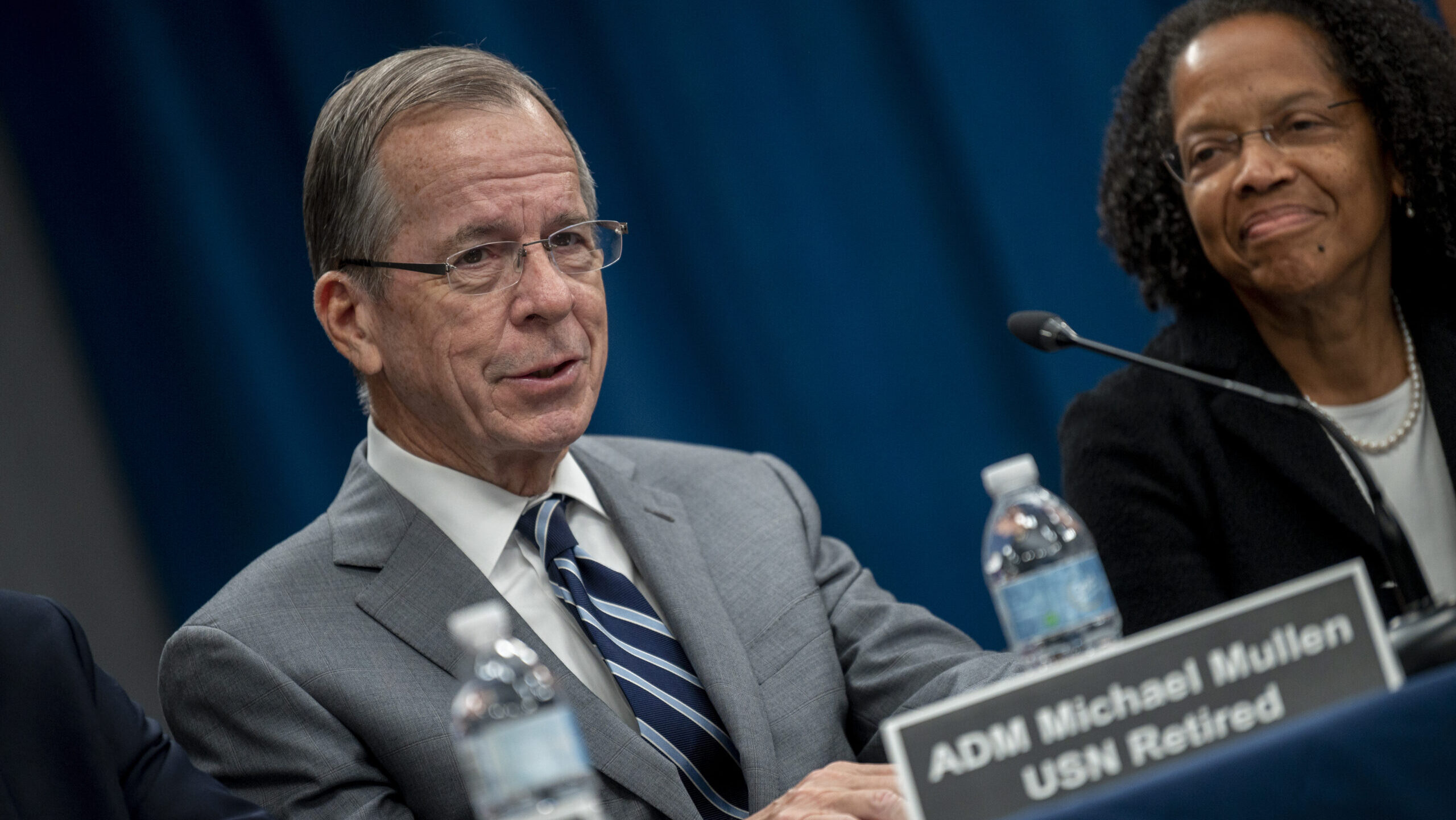
DIB member Charles Phillips said the DIB should recombine AT&L because the DoD “need[s] integrated designs, we need integrated manufacturing capacity around the world. It’s hard to do that in separate organizations."

The Joint Fires Network, meant to match weapons to targets across a theater of war, is a crucial pillar of the Pentagon's nascent global command system, CJADC2.