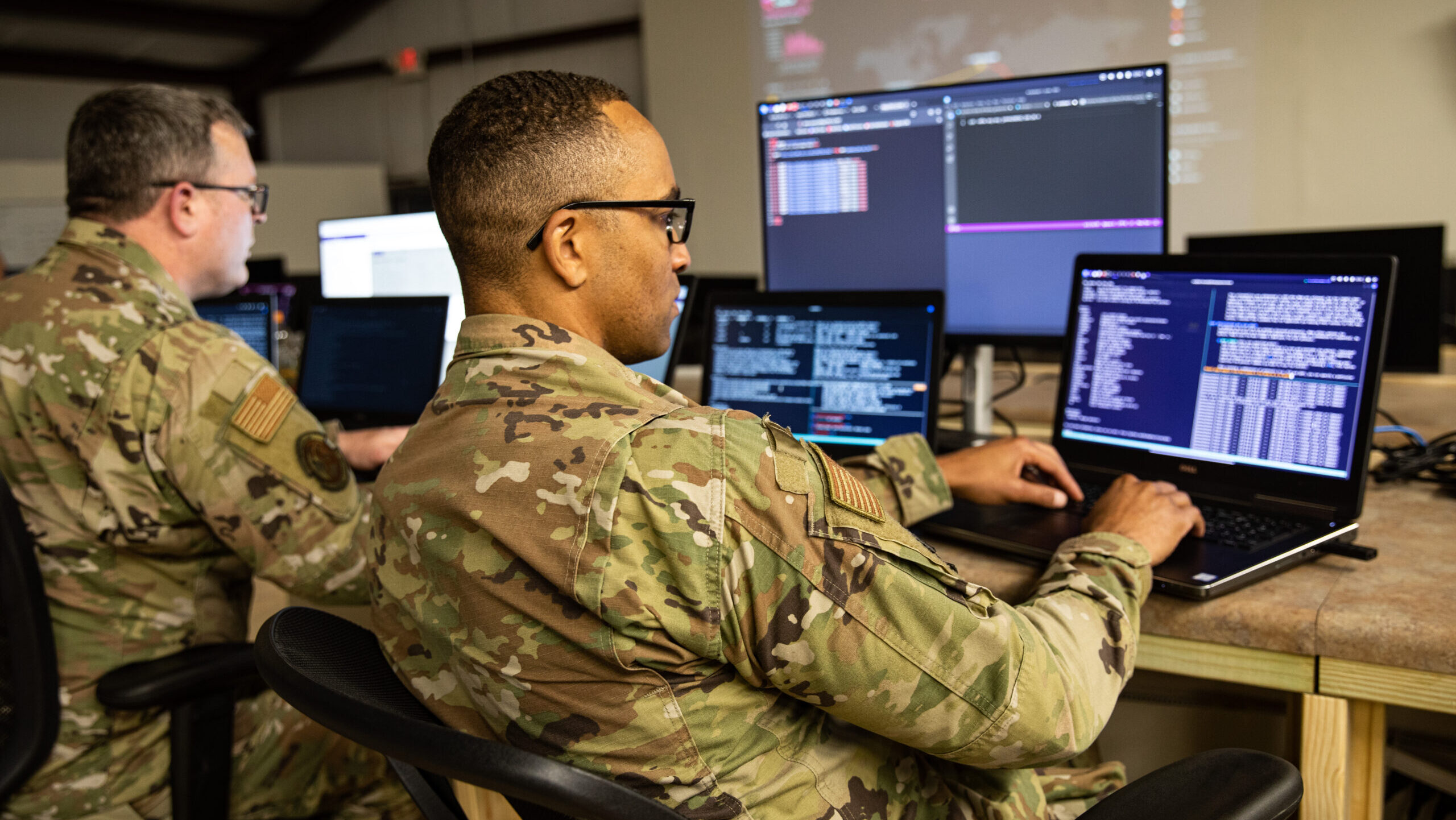
DISA: DoD to achieve federated ICAM connection across all military services by end of fiscal year
DISA plans to first achieve federated ICAM connection within the Army, followed by the Department of the Navy and Department of the Air Force.
DISA plans to first achieve federated ICAM connection within the Army, followed by the Department of the Navy and Department of the Air Force.

"We're not the only target that damn communists are trying to overcome,” Col. Gary Kipe said Wednesday. “They're trying to overcome freedom loving people around the world, and all of us are using the same data.”

Partnerships with outside industry are a cornerstone of the kingdom’s ambitious growth strategy.

“This constrained, highly dynamic, and adversarial-susceptible tactical environment will be a challenge to implement ZT solutions that meet mission needs,” the RFI stated.
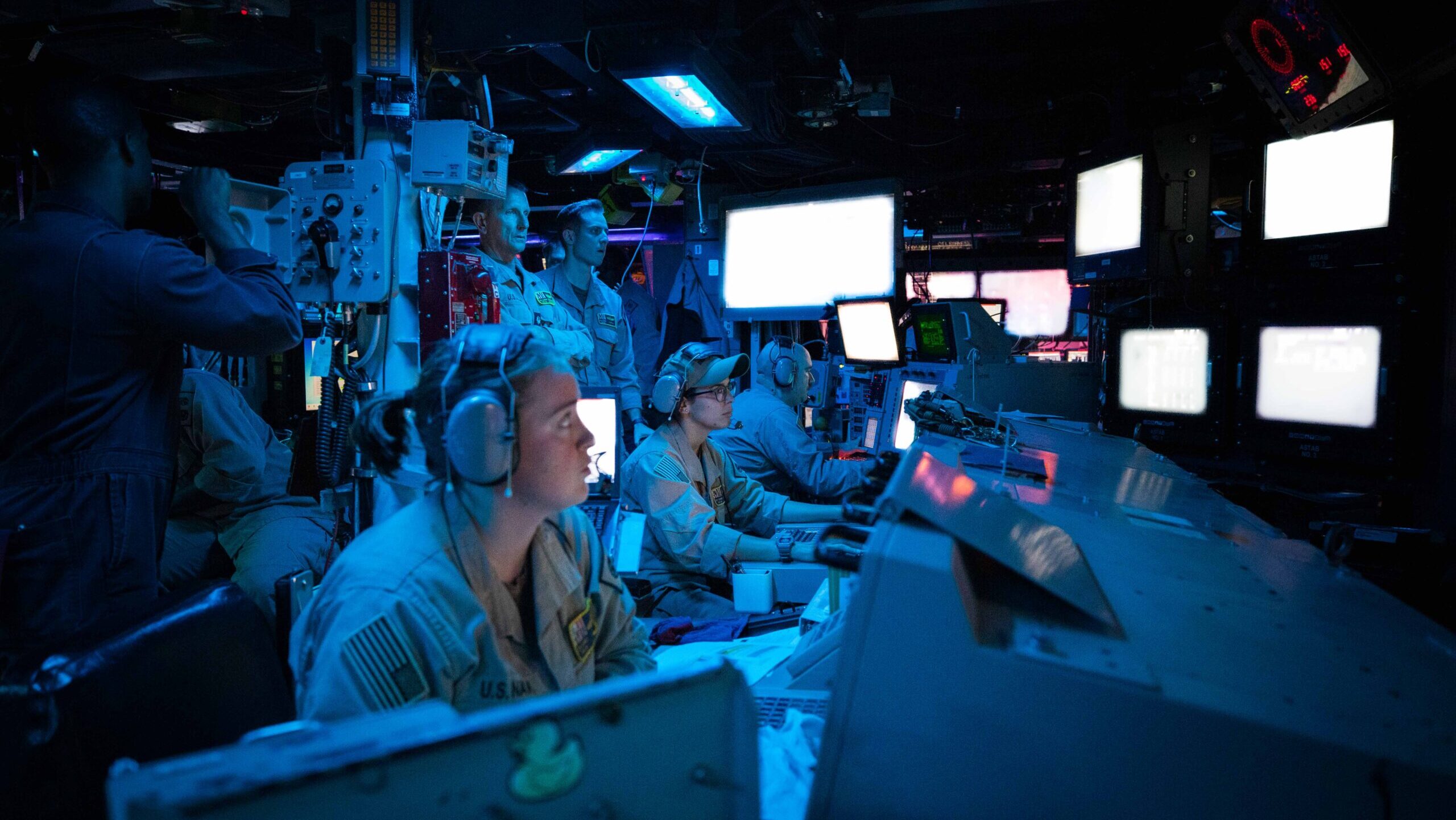
From both a top level approach and a service-level approach, this year the DoD released new IT strategies focused on supporting the evolving nature of warfare.

“For OT and weapon systems, we are coming out with initial zero trust guidance. Why? Because the adversary is attacking," Randy Resnick, director of the Pentagon's Zero Trust Office, told Breaking Defense.

The move will “not only deliver that network, but everything that's going through that network, and then making sure everything that goes through that network is protected,” Gen. Jacqueline McPhail, commanding general of NETCOM, said.

Balancing security and access to data are critical to providing users with trustworthy, reliable data for real-time decisions.
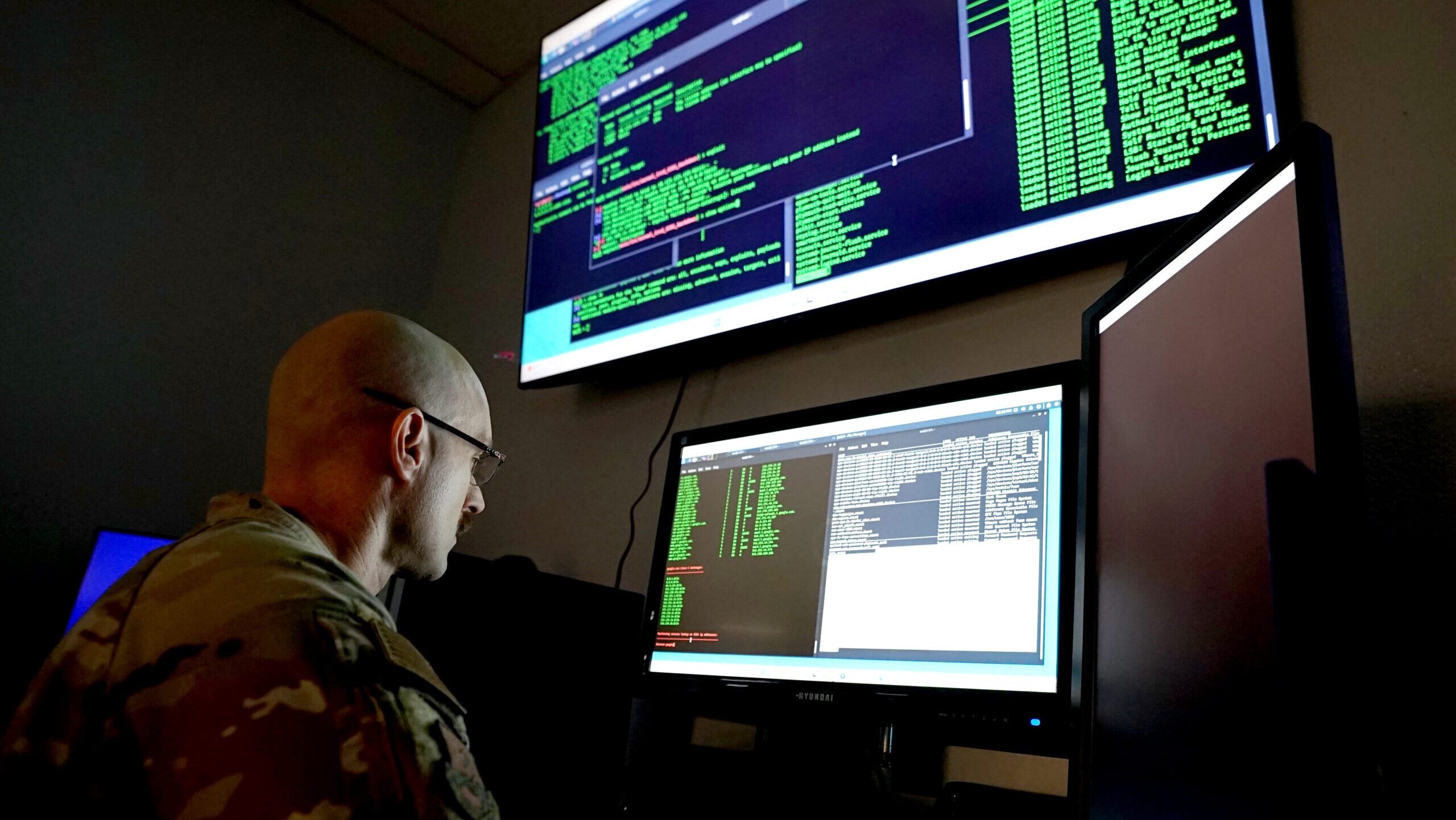
Though details are scarce, SAIC executive Vinnie DiFronzo said the work will likely include helping the organizations move to the cloud and bolster their cyber infrastructure.

Hypori will grant 10,000 virtual licenses across the Air Force and Space Force, after helping the Army with a somewhat bumpy IT transition of its own.
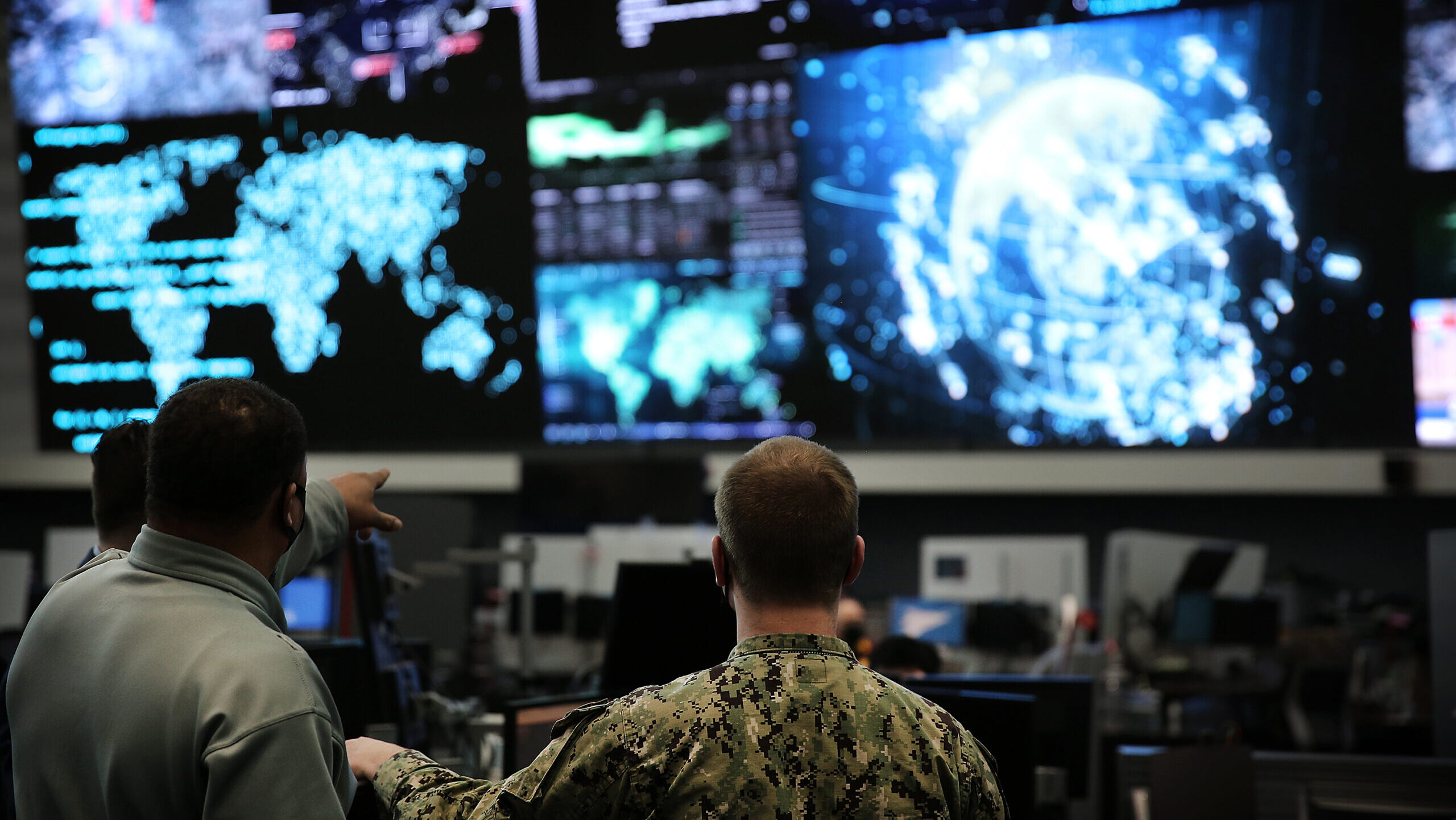
“The only way that we can actually do our job with the pacing threat of China is to actually add that automation capability," said Brian Hermann, cybersecurity and analytics director at DISA.
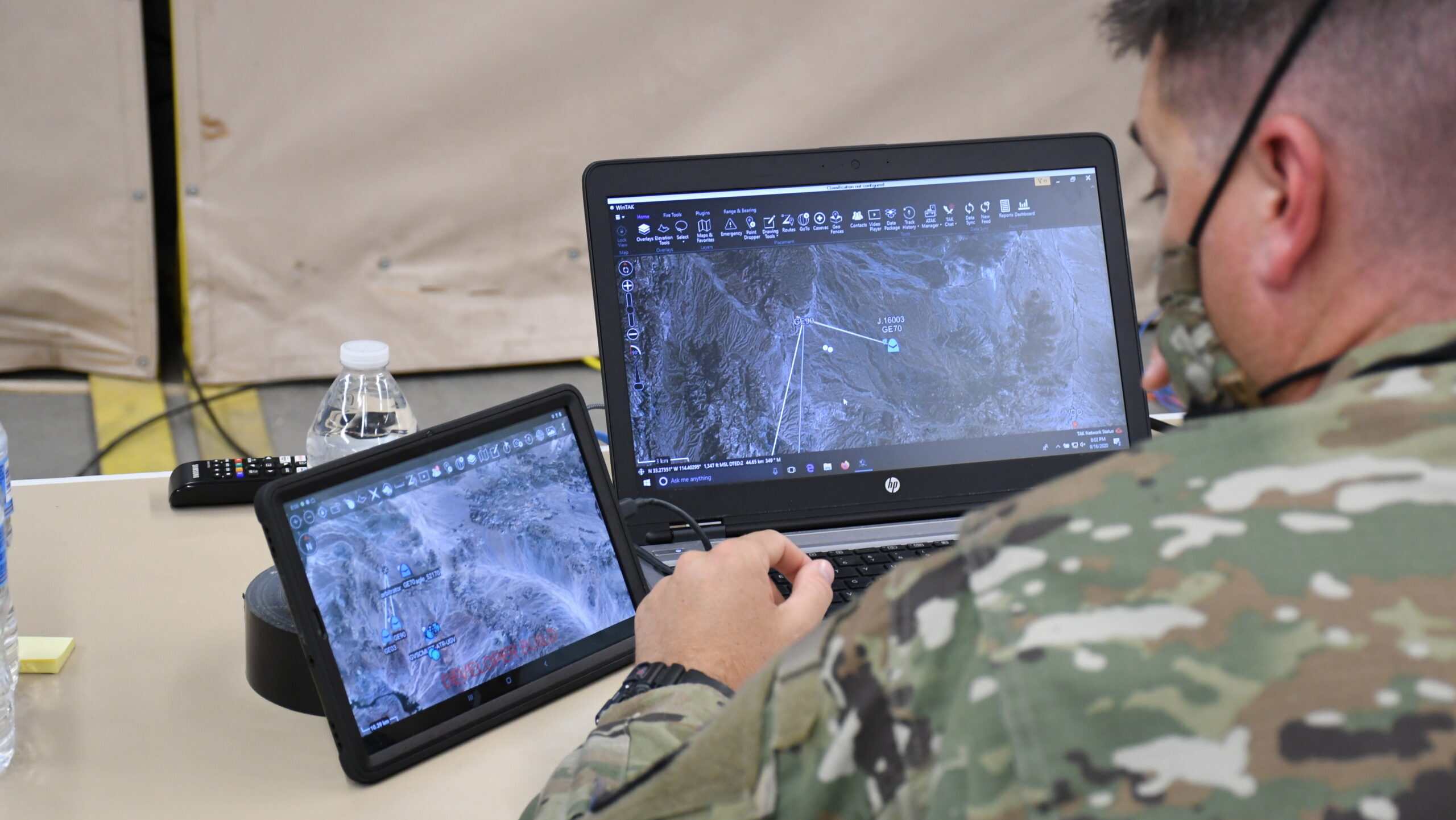
The civilian internet firm will build prototype software for Tactical Identity Credential & Access Management, a critical step in bringing “zero trust” cybersecurity to battlefield networks.


On today’s battlefield, mobility isn’t optional - it’s mission-critical.
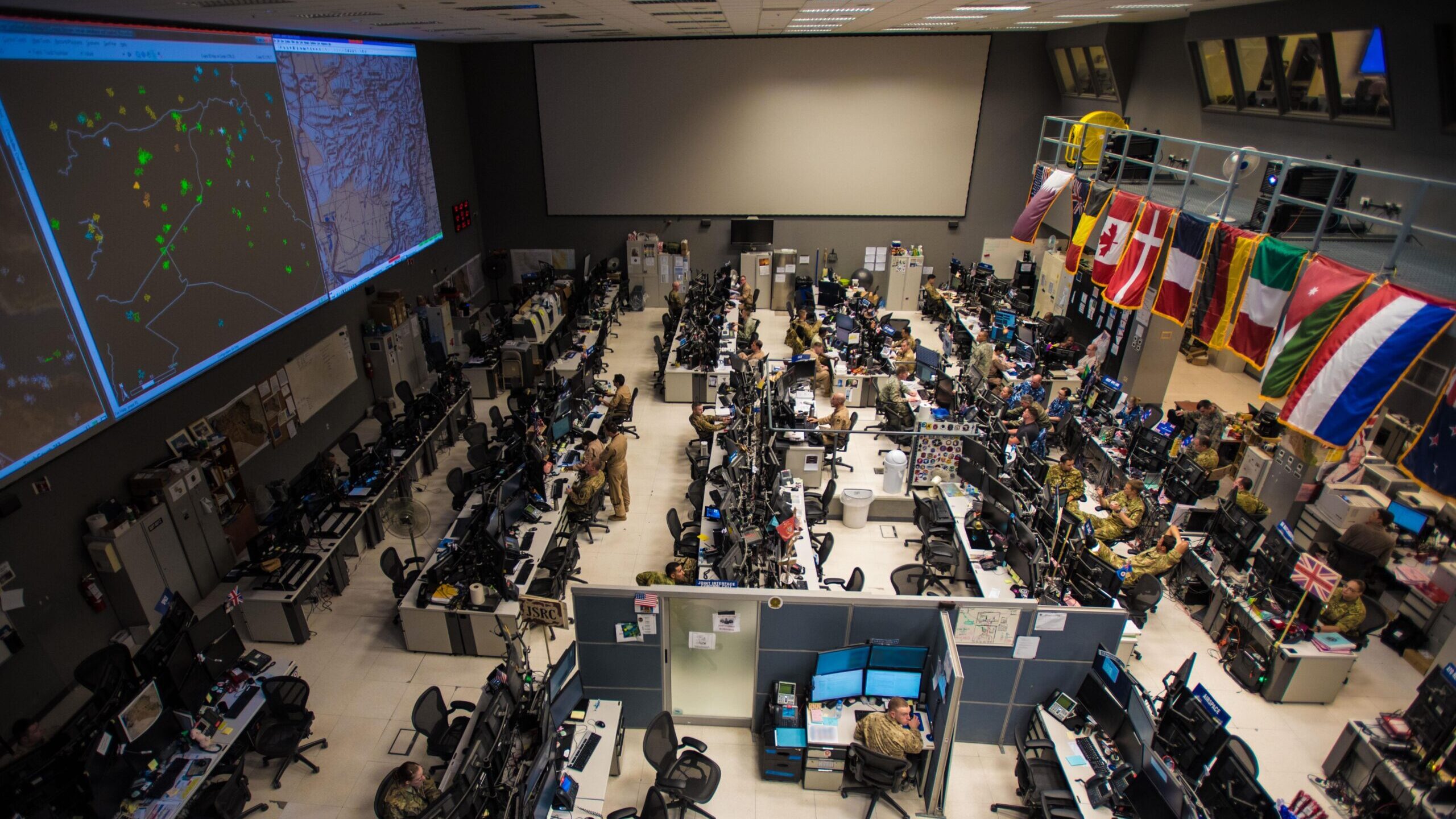
The new contract has a one-year based period and five option years.


‘Store Now, Decrypt Later’ attacks must be thwarted now with Zero Trust cybersecurity.

“I love AI. I want lots of AI,” Dave McKeown told Breaking Defense. But, so far, neither government nor industry has developed artificial intelligence that can really help with cybersecurity.

GDIT President Amy Gilliland sat down with Breaking Defense to talk digital engineering, zero trust and the firm's strategy for 2024.