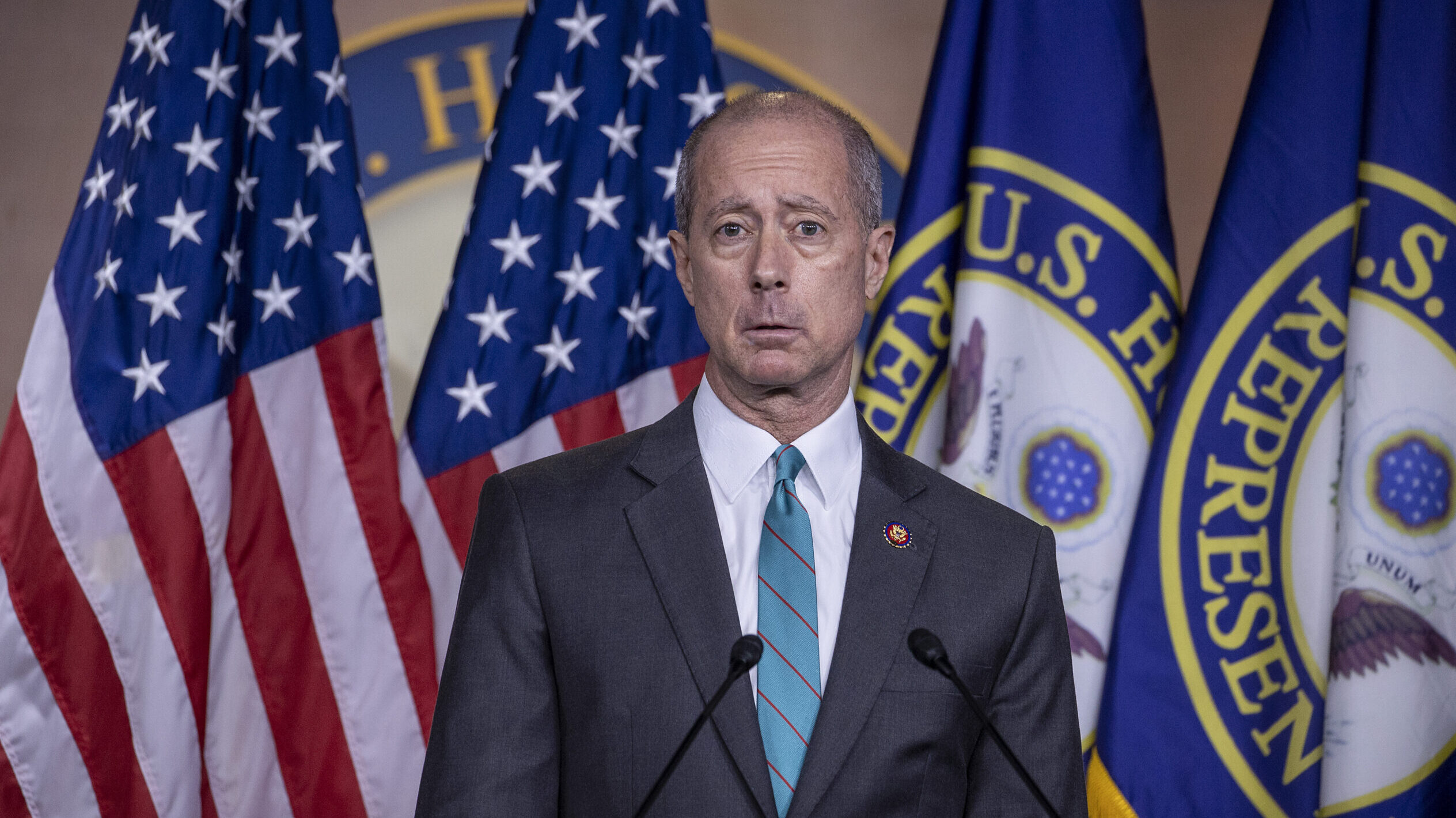
Mac Thornberry spent 26 years as a member of the House of Representatives, including four years as chairman of the House Armed Services Committee. In the following op-ed, Thornberry lays out what he thinks are four key points American leaders need to acknowledge if the country is to stay dominant on the world stage.
“The more things change, the more they stay the same,” wrote the French journalist and novelist Jean-Baptiste Karr more than a century and a half ago. That statement is profoundly true when applied to the many challenges faced by the United States since our founding. Our past trials have included wars, economic depressions, and social upheavals. Through them all, however, a defining characteristic of the United States has been adaptability, which has given us the resiliency needed to withstand the storms of history.
Our ability to adapt is grounded in our Constitution and in our free market system. Those freedoms and the practical, innovative problem-solving abilities that they have unleashed in the American people enabled us to persevere and, since the end of World War II, to lead the world in its greatest period of human flourishing ever.
Today, America is again facing a plethora of challenges, and there are doubts about whether we are up to the moment. Some argue that decline is inevitable. But that American spirit of adaptability that has played such a central role in our past success is even more necessary today if we are to remain a globally competitive country and economy. The players, the location, the technology, and the circumstances are different, but the qualities needed to surmount them are largely the same.
While there is plenty of uncertainty, there are four clear, key points about the near-future that need to be acknowledged.
First, we know that the world will not get any calmer or quieter anytime soon. China presents a more complicated challenge than any we have met before. Yet, we still must be able to deter or, if necessary, defeat the belligerence of Russia, as well as the threats posed by Iran, North Korea and terrorist organizations. While many are quick to dismiss the possibility of a new Cold War, a process of separation into opposing camps—one of authoritarianism and one of democracy—may well be occurring around the world. Only the U.S. can provide the leadership necessary for democracies to succeed.


Winning the information war is as much about ideas and perception as it is about data
"Being able to tell the commander you don't need to do something is actually a pretty powerful message, as well."
Second, the central battle in this world-wide struggle may well be in the cognitive space. Technology now allows for instant communication, not only with one’s own citizens but with populations around the world. Authoritarian regimes are quick to use technology to block outside voices, as well as inside voices of dissent. Democracies have to tread carefully to remain consistent with our laws and values. There is ample evidence to show, however, that Russia, China, and others use their resources to create and exploit political differences within the United States and Europe. They also promote messages that support their policies and criticize those which run counter to their interests. Of course, a nation and economy subject to a relentless barrage of falsehoods cannot make good decisions. Even more significantly, if authoritarians can undermine the will of democratic populations to resist, they may triumph without ever firing a shot.
RELATED: How AI became ‘the autocrat’s new toolkit’ [BOOK EXCERPT]
Third, the infrastructure on which we all depend, both domestically and globally, is at increasing risk. At home, we are still playing catchup for decades of neglect in building and modernizing infrastructure. Both neglect and malicious cyber-attacks reveal vulnerabilities in everything from the electric grid and fuel pipelines to air traffic control and water treatment. And global economic integration means we are dependent on those outside our borders for much, as became evident during the COVID pandemic. Our economic competitiveness, as well as our safety and security, depend on a crash effort to understand our exposure and place safeguards and reduce exposures where necessary.
Finally, the rise of protectionism and populist nationalism risks isolationism in both the economic and political spheres. When it comes to the economy, history has proven isolationism as one of the biggest impediments to economic development, innovation, productivity and, ultimately, a country’s competitive status. Isolationism also contributes to rising extremism and reduced trust in a nation’s political institutions. We too easily forget our own history in which isolationist sentiment after World War I helped bring about World War II, the greatest calamity in human history measured by total deaths.
Taking meaningful action to address these and other conditions requires a serious commitment by the United States. Clearly, we should not seek to imitate China but should build upon our own considerable strengths. So while China pursues a 21st century version of mercantilism, an approach with a deep history of failures, our free market economic system and democratic institutions remain the envy of the world and give us a significant advantage.
While we must defend our companies and industries from unfair practices, especially from our adversaries, we must resist excessive government intervention, repeating the past errors of others. Those approaches to industrial policy only weaken our ability to adapt. We must strongly counter the forces—domestic or international—that strive to weaken trust in our government and ourselves. And we must resist the temptations of nativism with an immigration policy that works and contributes to our national strength and well-being.
We must also shore up our weaknesses. Our educational system lags behind many other countries, both allies and adversaries. Our short-term focus in both government and financial systems undermine our ability to invest for the long run. National leaders who focus more on attacking political adversaries than on offering a positive, hopeful vision for the future fuel our domestic tensions. The siloed nature of our government, lack of leadership, and short-term focus combine to create an aversion to innovation, out-of-the-box thinking, and compromise. On the other hand, partnerships, whether between government and business or among allied nations, offer enormous potential.
Global competition in all domains is as heated as it has ever been. Whether from our adversaries or from our friends, the competition for resources, human and physical, will only get tougher over the coming years. America’s historic resiliency stemming from our adaptability in a challenging and ever-changing world must remain strong if we are to meet our obligations at home and abroad and provide the leadership necessary for future success.
The Honorable Mac Thornberry is a Board of Regents member at the Potomac Institute for Policy Studies, supporting their Global Competition Project. Mac is a former chairman of the House Armed Services Committee, and was also a member of the House Intelligence Committee for more than a decade