Pentagon’s Cyber Defense Command drafting plan to defend critical infrastructure
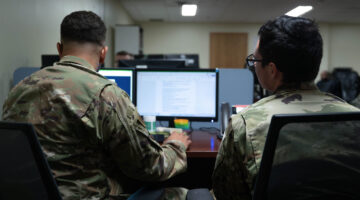
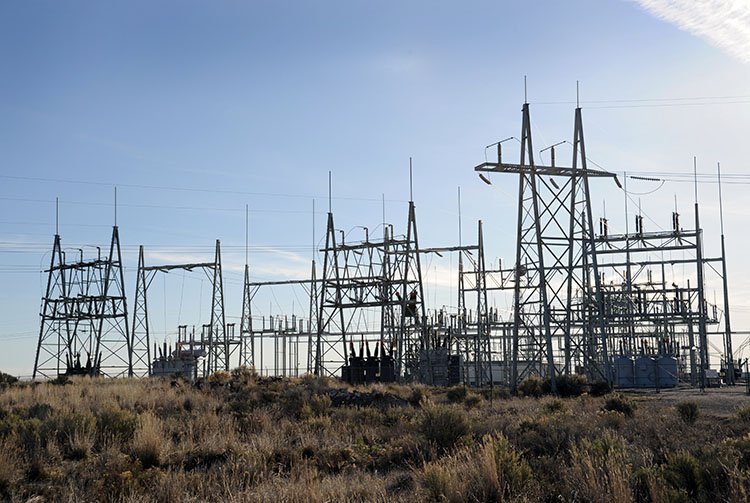
DoD Cyber Defense Command is working to develop a joint task force for defense of critical infrastructure.
Funded by the EU’s European Defense Fund and led by Spanish-based multinational GMV, PRECISE will use AI to analyze satellite imagery and recreate 3D models of critical sites.
The GAO said the MTS “faces significant and increasing cybersecurity risks” from China, Iran, North Korea and Russia and other “transnational criminal organizations.”
"The world really is looking to us on this," said Lauryn Williams, former chief of staff in the Office of the Assistant Secretary of Defense for Industrial Base Policy.
In this op-ed, Nadia Schadlow calls for an end to the "mind-numbing cycle of far too many studies coming out of the Pentagon and the US government as a whole — with little progress on implementation."
“The PRC’s goal is developing capabilities to disrupt critical infrastructure in the event of a future conflict,” NSA Cybersecurity Director Rob Joyce told Breaking Defense in a statement.
Cyber authorities "urge critical infrastructure network defenders to prepare for and mitigate potential cyber threats — including destructive malware, ransomware, DDoS attacks, and cyber espionage — by hardening their cyber defenses and performing due diligence in identifying indicators of malicious activity,” the advisory states.
"We shouldn’t be relying on voluntary reporting to protect our critical infrastructure," Sen. Warner said.
The bad practices are aimed especially at -- though not limited to -- educating critical infrastructure owners and operators. This includes, of course, the defense industrial base and many who support its supply chain -- from communications equipment and high-tech capabilities to electrical and mechanical components for military hardware, such as tanks, planes, and ships.
Today's pipeline directive is likely just the next in a series of actions to shore up national cybersecurity across the private sector, especially those deemed critical infrastructure. "I know there are a number of discussions on the Hill... of a broader data breach notification," Deputy National Security Advisor Anne Neuberger said today.
Breaking Defense’s latest eBook brings together reporting from GEOINT 2026 on how intelligence leaders are shaping the future of space-based geospatial intelligence.
Operational technologies, or OT, are prevalent in critical infrastructure environments. "Without direct action to harden OT networks and control systems against vulnerabilities... owners and operators will remain at indefensible levels of risk," NSA says.
Some of the tech built to quickly restore power after a cyberattack is now operational on parts of the U.S. grid, with more deployments to follow. This week's news of RedEcho shows, yet again, it can't happen soon enough.
“One thing the pandemic has taught us is the unthinkable can happen,” said Sen. Angus King, co-chair of the Cyberspace Solarium Commission.
Experts warn that Iran almost certainly now has the cyber tools to inflict physical damage on US critical infrastructure.