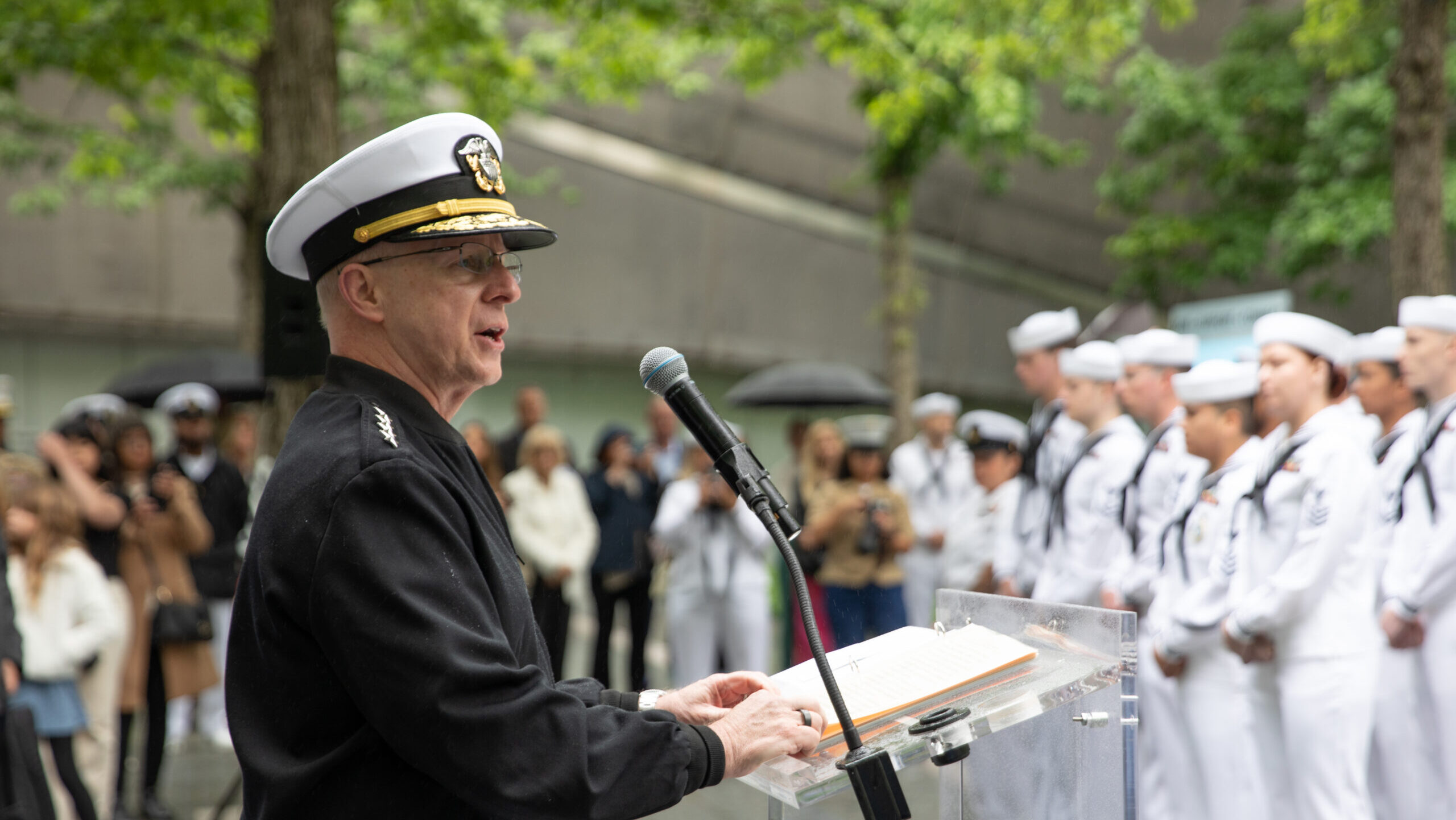
WASHINGTON — Adm. Daryl Caudle, the White House’s nominee to become the 34th chief of naval operations, said today he would consider pulling the plug on the Los Angeles-class attack submarine USS Boise (SSN-764), the US Navy submarine so beset with maintenance problems that it has been sitting dockside for the better part of a decade.
“Working with the Secretary of the Navy, I want to take that on, if I’m confirmed, and look at that hard,” Caudle told Senate lawmakers during his confirmation hearing today. “The decision whether or not to actually walk away from Boise is a big one, and I want to make sure I clearly understand the trajectory and trends, but I hear you loud and clear, senator, on how unacceptable it is, how long she’s been in the yards.”
The remarks were in response to a question from Sen. Mike Rounds, R-S.D., who noted the Boise’s troubled history. The sub was originally launched in 1991, and conducted operations for roughly 25 years, but has been unable to dive since 2017 due to a series of maintenance delays that denied it a timely availability at one of the nation’s four public shipyards, which are primarily responsible for the maintenance of nuclear-powered submarines and aircraft carriers.
Caudle, whose career includes a tour as the Navy’s most senior operational submariner, called Boise’s delays “unacceptable” and “a dagger in my heart as a submarine officer.” He ascribed blame for the delays subs like Boise have faced due to the public shipyards being overworked, combined with a Pentagon decision in the 1990s and 2000s to “walk away” from investing in private shipyards’ capacity to do in-service maintenance.
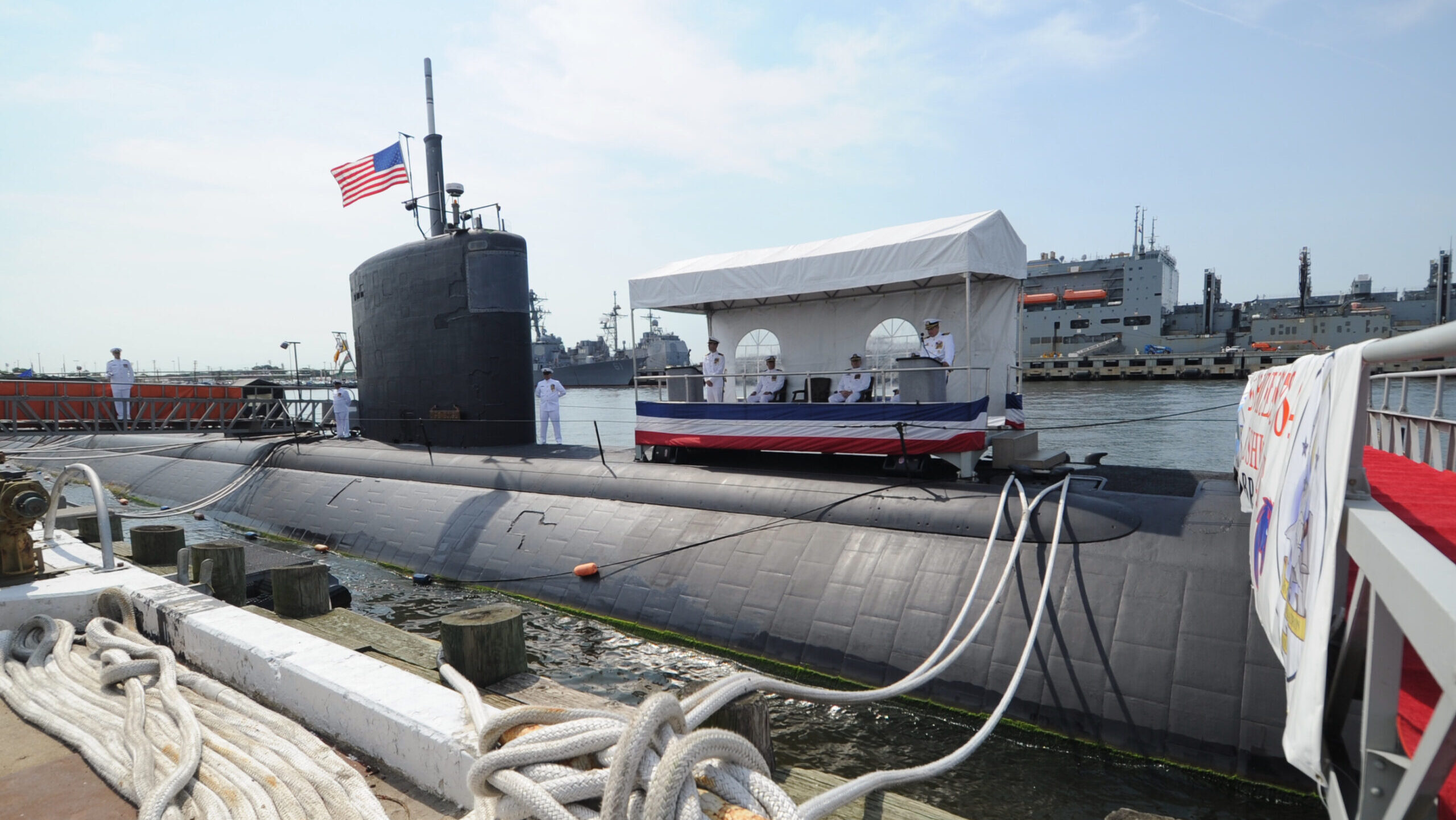
Although nuclear submarine maintenance is traditionally handled by one of the public shipyards, the Navy in February 2024 awarded HII a $1.2 billion contract to begin the engineering overhaul on Boise. Even if the service allows work at HII to continue, it is still not expected to be ready for operations until September 2029.


Voyager is accelerating access to space
After manifesting 1,400 payloads aboard the ISS, Voyager is applying its mission management expertise to the next generation of space stations, ensuring uninterrupted mission readiness and success from the ground to space.
Referring to HII and the Navy’s other submarine prime contractor General Dynamics Electric Boat, Caudle said he thought “both of those yards had some learning to do before they were able to get up on the step. And that learning has not been quick, and it’s not been effective, and without a clear demand signal of what unit is coming after Boise, I worry that that effort won’t be applied to Boise to get her completed.”
HII did not immediately respond to Breaking Defense’s request for comment. EB declined to comment for this report.
The step of decommissioning a warship prematurely is almost never received well by lawmakers.
The service has spent the past several budget cycles requesting — and often being denied — permission to decommission or sell certain Littoral Combat Ships and cruisers. During the first Trump administration, the White House briefly supported retiring the aircraft carrier Harry Truman (CVN-75) decades earlier than planned, an idea that was quickly shot down by lawmakers and eventually reversed when then-Vice President Mike Pence visited the ship in 2019.
RELATED: Trump Taps Caudle As Navy’s Next Leader, USMC’s Mahoney As Joint Chiefs No. 2
Brent Sadler, a fellow at the Heritage Foundation, said decommissioning the boat “should be a last option given the deficit in ships today.”
“That said, it’s important to focus on root causes of this situation [with respect to] Boise — too little shipyard nuclear maintenance and repair capacity. The Navy has cut too deep in the post Cold War era and needs more public shipyards for nuclear ship maintenance,” he added.
The Hudson Institute’s Bryan Clark said decommissioning the Boise is “probably the right decision” given the current capacity of the public and private shipyards. He noted that even while the sub is sitting at dock, the service still must devote a crew of sailors to stand watch and ensure the boat’s safety around the clock.
“Do you want to keep this liability in the submarine service that you have to crew, that’s going to be a really terrible duty station for some group of submariners to always have to go to?” he said. “It just seems like we’re at the point now where we need to focus the attention on the ships that are operational and able to be operational within the next few years.”