Space

In a first, Space Force to require refueling capability for next-gen neighborhood watch sats

While the Pentagon has funded experimental re-fueling efforts, RG-XX is the first official acquisition program to have a refueling requirement.

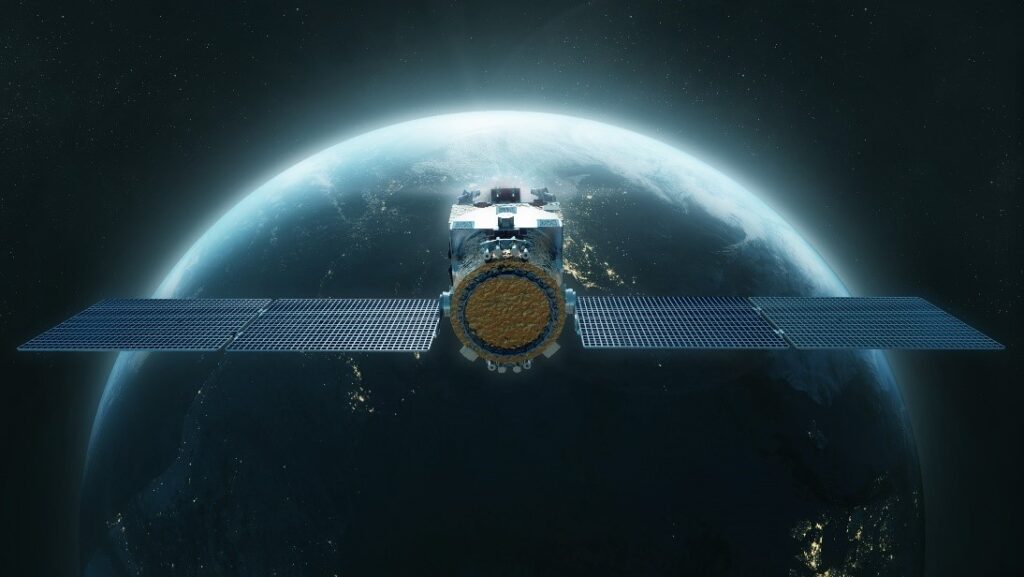
Astroscale US is building a prototype satellite for refueling other satellites on orbit under a Space Force contract worth $25.5M. (Graphic: Astroscale US)

AFA 2025 — The Space Force’s next-generation space domain awareness satellites will be equipped with a capability to be refueled on orbit — the first time the service has put such a requirement in an official acquisition program.

“I mandated that, and was very militant about that,” Maj. Gen. Stephen Purdy, acting Air Force assistant secretary for acquisition and integration, said today.

Space Systems Command is gearing up a draft request for proposal for the RG-XX program to replace the current Geosynchronous Space Situational Awareness Program (GSSAP) constellation, in hopes of issuing it by the end of the year. While the plan is for there to be multiple providers, the Space Force intends to own and operate the new satellites.

While the GSSAP birds have some capability to maneuver, they are constrained in how far and how fast they can move by the fact that them carry a limited amount of fuel. Being equipped to allow refueling will give the Space Force more freedom to undertake what is known as rendezvous and proximity operations to keep tabs on adversary satellites.

“To be blunt, US Space Command has been very open about that desire [for] on-orbit servicing and mobility. Given our funding situation, it’s been difficult to stand up an … actual program. So, we’re looking at this one to kind of get our foot in the door,” Purdy told reporters during the annual Air and Space Forces Association conference in National Harbor, Maryland.

He noted that one complication is that the Space Force intends to make multiple contract awards for the RG-XX constellation, there is a strong likelihood that satellites from different vendors will use different fuels.

“And so now we’re thinking through that, okay, what does that mean? Well, I might ask them to bring their own refueler,” Purdy said. On the other hand, he said, the Space Force could simply buy services from “contractor-owned, contractor-operated” re-fueling spacecraft.

The Space Force currently has two contractors working to demonstrate re-fueling capabilities: Northrop Grumman and Astroscale US.

In addition, the Pentagon’s Defense Innovation Unit is funding Orbit Fab to place a fuel depot in orbit. Under the Space Force’s Tetra 5 demonstration project slated for launch in 2026, a small satellite will be equipped with Orbit Fab’s fuel port, called the Rapidly Attachable Fluid Transfer Interface, to dock with the DIU funded depot.

In addition, Orbit Fab is a subcontractor to Astroscale, providing refueling hardware for that company’s Space Force mission (also as part of Tetra 5).

“So that’s a subject of rapid, active debate that we’re working on right now,” Purdy said.

This story was updated 09/25/25 at 9:50 am ET to reflect additional Pentagon refueling experimentation.

PHOTOS: AFA 2025

PHOTOS: AFA 2025

Space Force Chief of Space Operations Gen. B. Chance Saltzman delivers his keynote address, Sept. 23, 2025. (Jud McCrehin/Air & Space Forces Association)
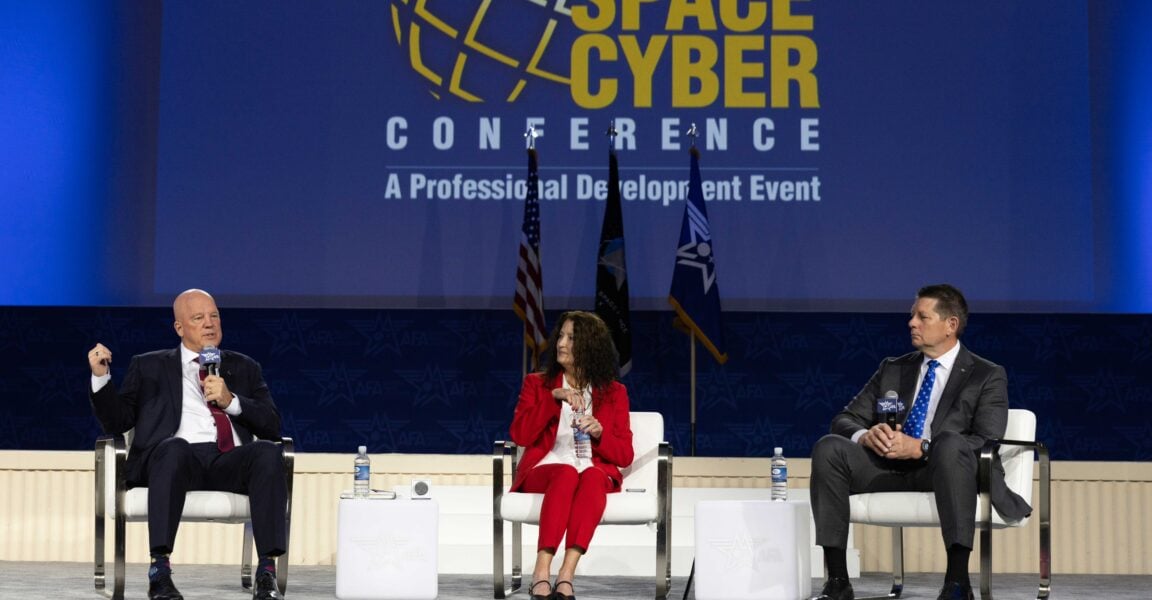
Jay Raymond (left), former Space Force chief of space operations, and David Thompson, former vice chief of space operations, speak on a panel moderated by Nina Armagno, former Space Force staff director, Sept. 23, 2025. (Jud McCrehin/Air & Space Forces Association)
Griffon Aerospace displays its Valiant vertical takeoff-and-landing drone, designed for field reconnaissance on the go, Sept. 23, 2025. (Aaron Mehta/Breaking Defense)
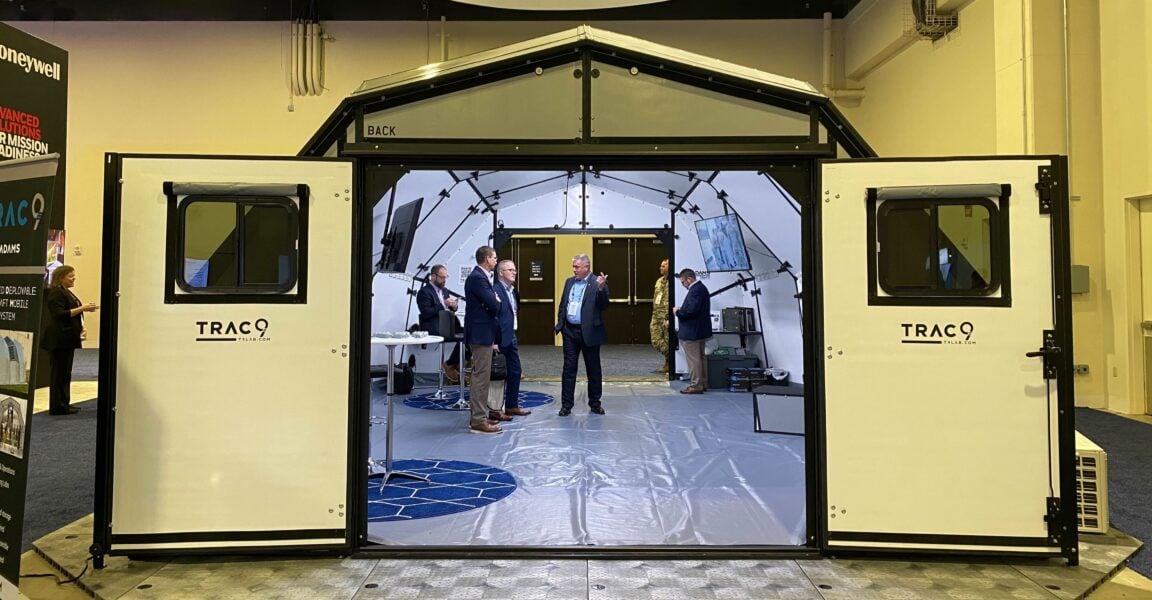
Trac9 shows its Advanced Deployable Aircraft Mobile System, a portable hangar, Sept. 23, 2025. (Aaron Mehta/Breaking Defense)
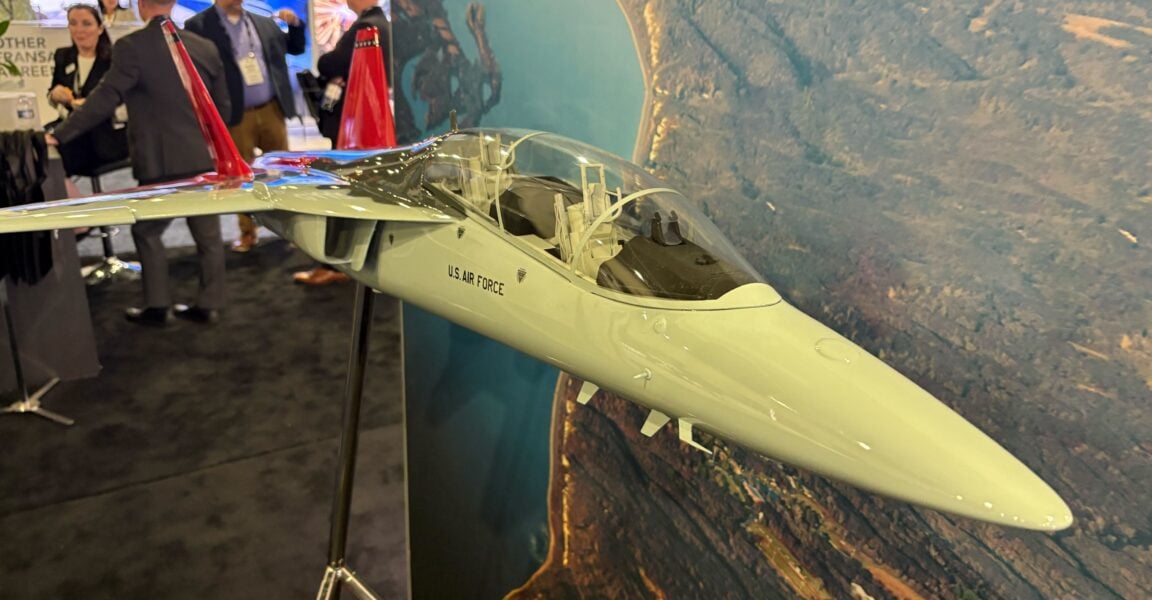
A model of Saab-Boeing's T-7 Red Hawk jet trainer, Sept. 23, 2025. (Daniel Woolfolk/Breaking Defense)
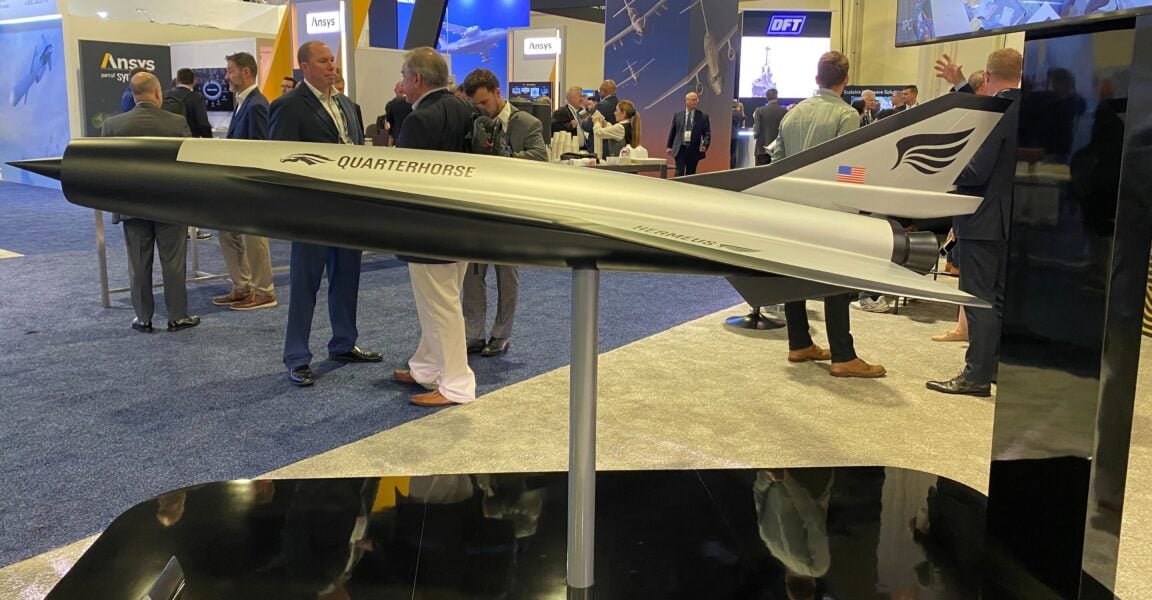
A 1/6th-size model of the Hermeus supersonic jet sits below a live feed of the company's production line in Atlanta, Ga., Sept. 23, 2025. (Aaron Mehta/Breaking Defense)
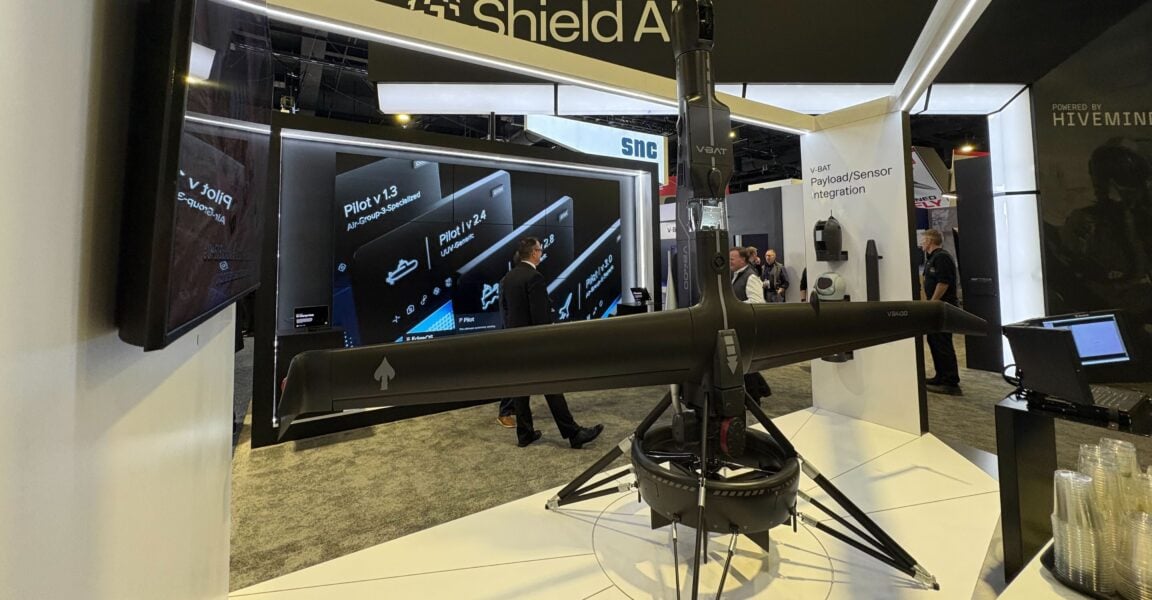
Shield AI's V-BAT vertical takeoff-and-landing drone, sits on display, Sept. 23, 2025. (Daniel Woolfolk/Breaking Defense)
The Air Force Research Laboratory displays a missile designed under its "Angry Tortoise" program, a partnership with Ursa Major, that looks to develop hypersonic missiles that can be deployed en masse for millions of dollars less than more traditional munitions, Sept. 22, 2025. (Rachel Cohen/Breaking Defense)
Anduril’s YFQ-44A Fury drone, an entrant in the Collaborative Combat Aircraft drone wingman program, sits on display, Sept. 22, 2025. (Daniel Woolfolk/Breaking Defense)
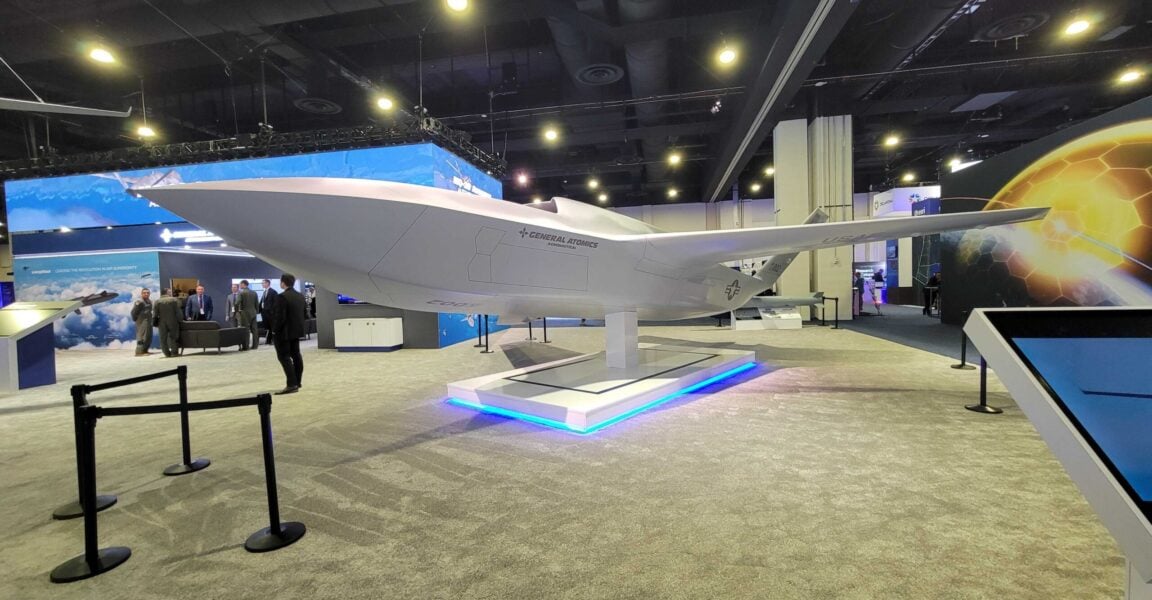
General Atomics’ YFQ-42A, another CCA entrant, sits on display, Sept. 22, 2025. (Rachel Cohen/Breaking Defense)
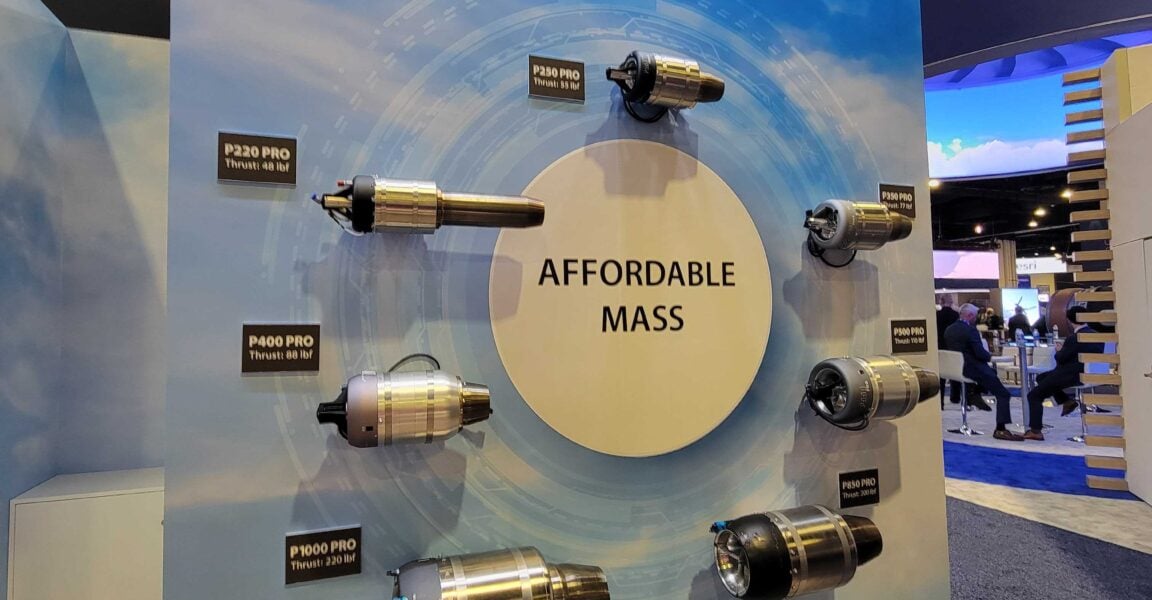
JetCat shows several small jet engines designed to power munitions or kamikaze drones at a fraction of the cost of larger engines, Sept. 22, 2025. (Rachel Cohen/Breaking Defense)
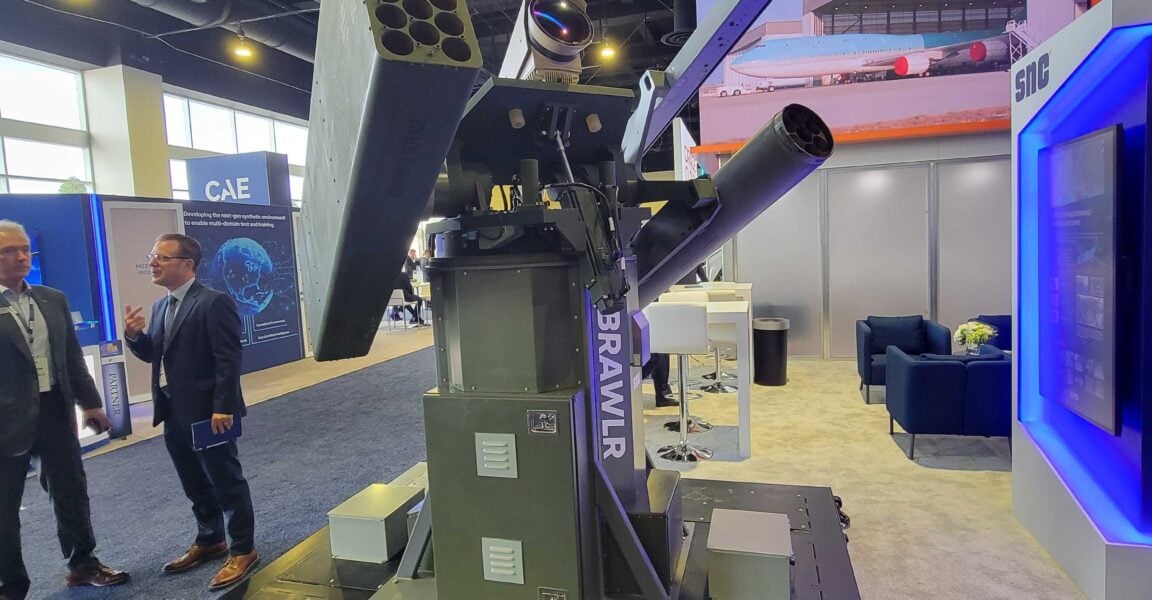
Sierra Nevada Corp.’s Battery Revolving Adaptive Weapons Launcher (BRAWLR), a reconfigurable counter-drone system in use by at least one classified foreign customer, makes its defense trade show debut, Sept. 22, 2025. (Rachel Cohen/Breaking Defense)
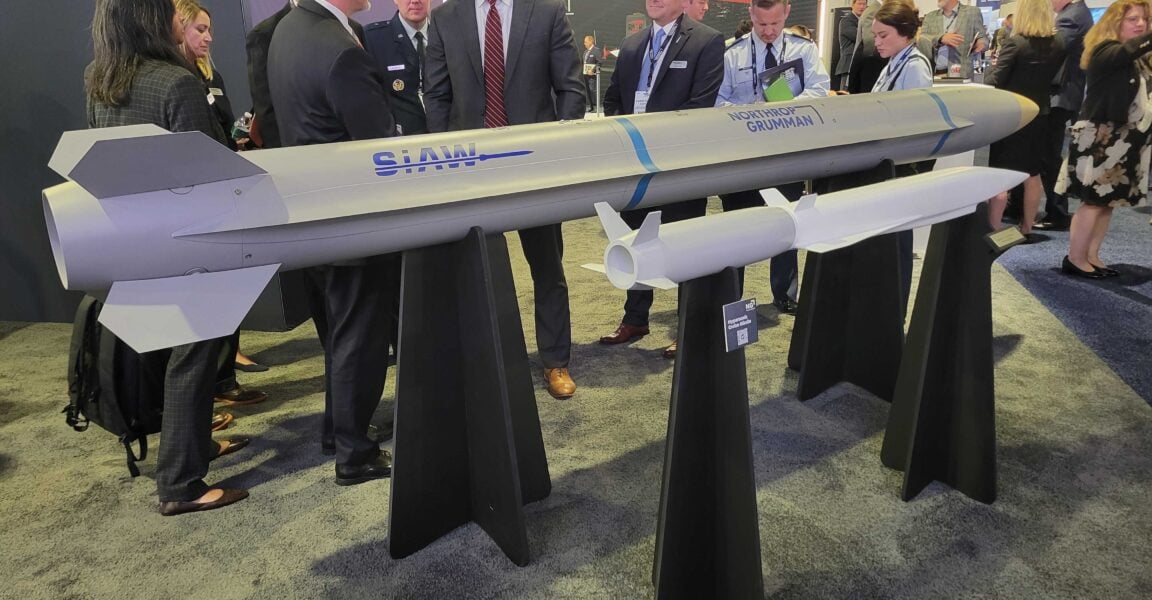
Air Force Undersecretary Matt Lohmeier visits the Northrop Grumman booth, where the Stand-In Attack Weapon and Hypersonic Cruise Missile are on display, Sept. 22, 2025. (Rachel Cohen/Breaking Defense)
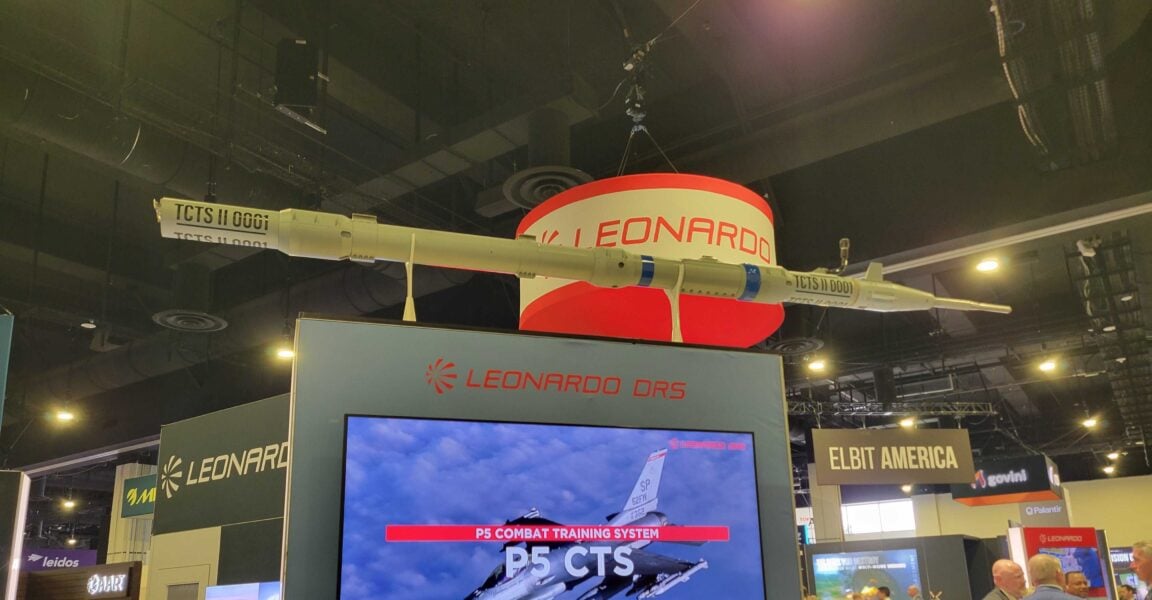
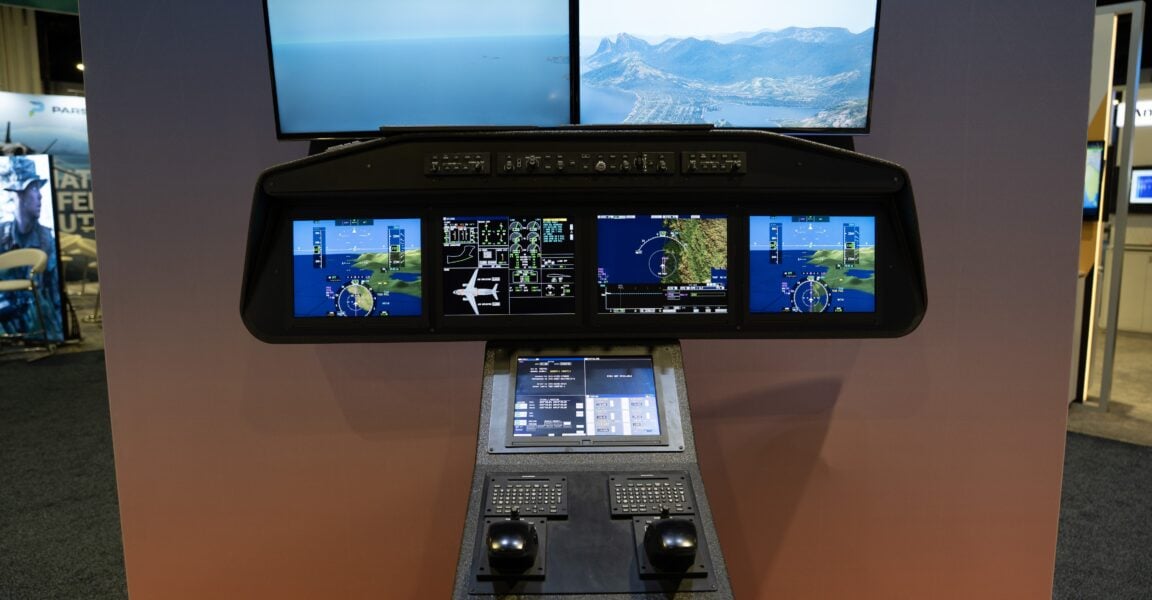
The Tactical Combat Training System Increment II connects live aircraft to a simulator in training, allowing remote troops to practice in real-world conditions. (Rachel Cohen/Breaking Defense)

Could you fly Embraer’s C-390? (Daniel Woolfolk/Breaking Defense)

Embraer aims to convince the Air Force that its C-390, shown in miniature on Sept. 24, 2025, could be a boon to the service’s airlift fleet. (Daniel Woolfolk/Breaking Defense)
J.P. Nauseef, president and chief executive officer of JobsOhio speaks during ASC, Sept. 24, 2025. (Jud McCrehin/Air & Space Forces Association)
Attendees traverse the show floor on the final day of the conference, Sept. 24, 2025. (Daniel Woolfolk/Breaking Defense)
Attendees mill about near the main show floor doors at the Gaylord National Resort & Convention Center, Oxon Hill, Md., Sept. 24, 2025. (Daniel Woolfolk/Breaking Defense)
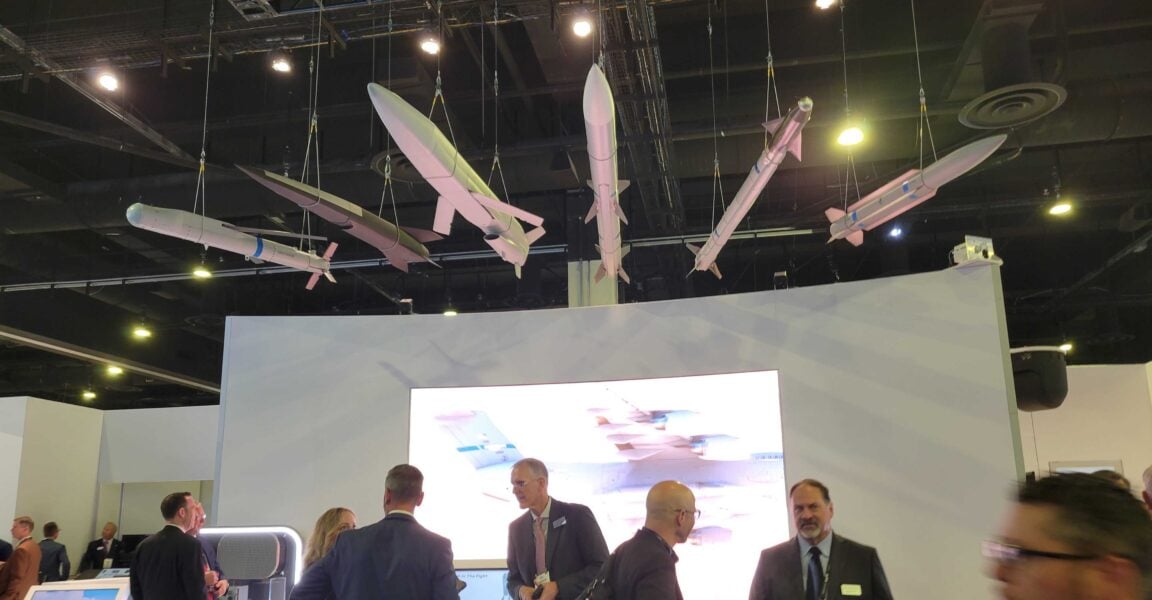
RTX shows off munitions at its booth on the show floor, Sept. 22, 2025. (Rachel Cohen/Breaking Defense)