Innovations and open systems pace FVL and the current fleet
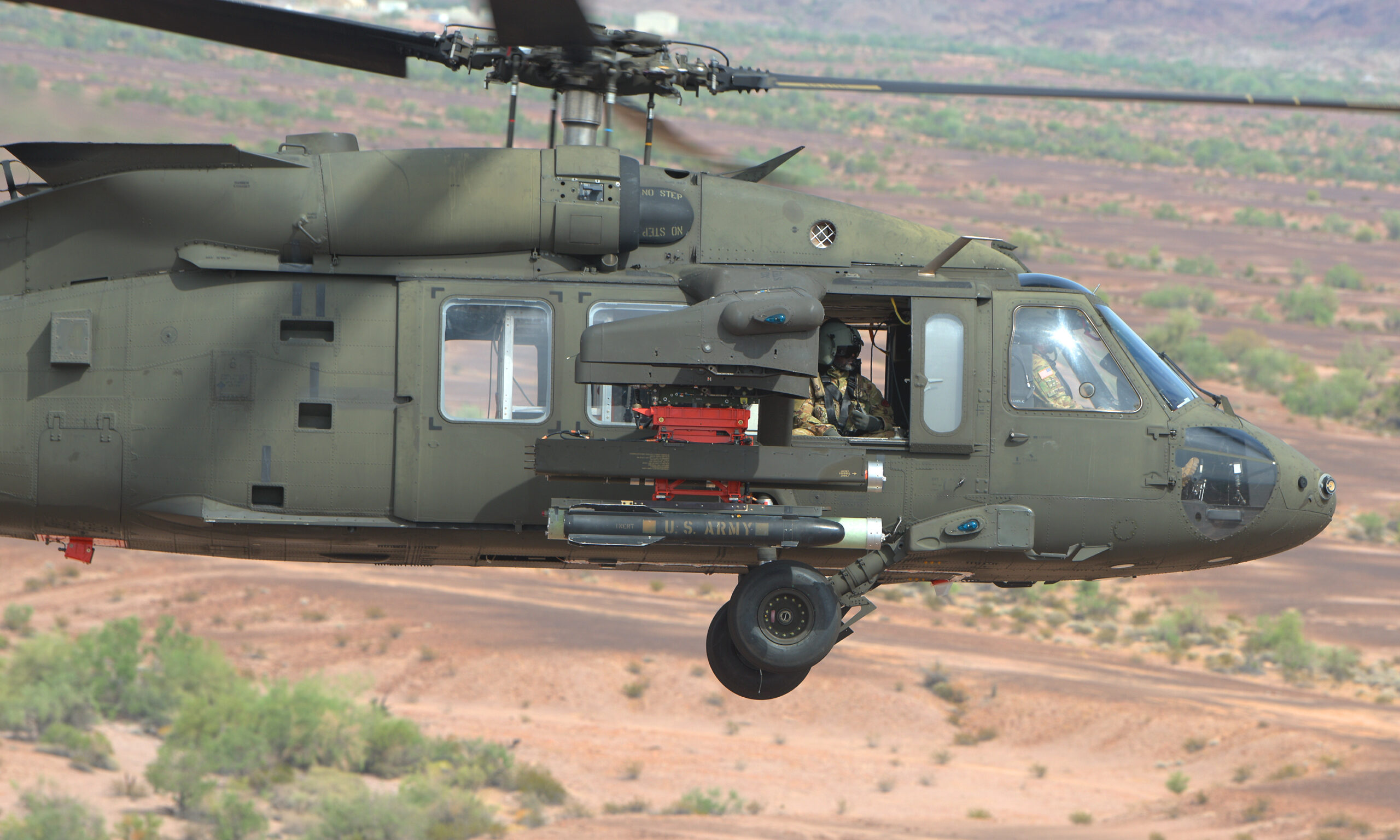
Innovative integration approaches and open systems architecture can bring revolutionary improvements to the performance of FLRAA and FARA, as well as the current fleet.
The new ICBM and B-21 bomber will be a “stabilizing force” for strategic deterrence that is born digital to meet evolving threats.
The question of whether the Defense Department or the primes should own all the data rights to various elements of the FVL program is a simplistic, false choice, says a CSBA senior fellow.
If the Army heeds industry's emphasis on protecting intellectual property than a dependence on proprietary technology will hamstring FVL’s ability to address evolving threats.
C2 will be particularly important in scenarios where US forces are met with anti-access/area denial countermeasures potentially more suitable for autonomous aerial and ground systems.
The Afghanistan withdrawal and the consolidation of all in-country military networks to one base at Hamid Karzai International Airport illustrated unique challenges with direct applicability to Joint All Domain Command and Control and future Project Convergences.
With the Army focused on FLRAA and FARA, the question of heavy lift under the Future Vertical Lift program won’t be answered for a decade or more. In the meantime, here’s what the Army is thinking.
The US Navy answers questions about its roadmap for employing electric and battery power for lasers, radars, and propulsion over the next two decades.
DoD Satcom Chief Mike Dean discusses how new, disruptive capabilities for SATCOM in LEO, MEO, and GEO are creating novel mission sets for all-domain operations and new ways of paying for it. He also provides a status report on developing enterprise SATCOM command and control.
An Army senior research scientist offers his suggestions on what to look for in a security orchestration, automation and response (SOAR) tool.