
Army Wrestles With ‘Information Advantage’
A host of high-tech specialties will have to work together, Lt. Gen. Stephen Fogarty said, so “stop fighting and start figuring out how to integrate the capability.”

Sydney J. Freedberg Jr. has written for Breaking Defense since 2011 and served as deputy editor for the site's first decade, covering technology, strategy, and policy with a particular focus on the US Army. He’s now a contributing editor focused on cyber, robotics, AI, and other critical technologies and policies that will shape the future of warfare. Sydney began covering defense at National Journal magazine in 1997 and holds degrees from Harvard, Cambridge, and Georgetown.
A host of high-tech specialties will have to work together, Lt. Gen. Stephen Fogarty said, so “stop fighting and start figuring out how to integrate the capability.”

The pair of unmanned scout vehicles had enough AI smarts aboard to navigate cross-country, identify “enemy” forces, and open fire – but a human still decides whether to shoot.


As threats continue to evolve, speed will increasingly depend on what is already available when the need emerges.

Next fall, the Army aims to test a new artificial intelligence for artillery and fire the prototype PrSM missile to its full 300-plus-mile range -- once they find a venue that's big enough.

The Army’s future-warfare exercise overcame a host of technical glitches to link systems ranging from NRO and NGA spy satellites to Marine Corps fighter jets.

“I have never in my life seen the cooperation between the agencies…the services…[and] across the Army” that’s happening in this fall’s wargames, Army space expert Willie Nelson told me.

A worker died in 2017 scooping up explosive tetrazene by hand with a spatula. The Army and Congress agree an upgrade is long overdue — but it won't be cheap.


Decentralized Embodied Collaborative intelligence enables better reconnaissance, logistics and combat capabilities.
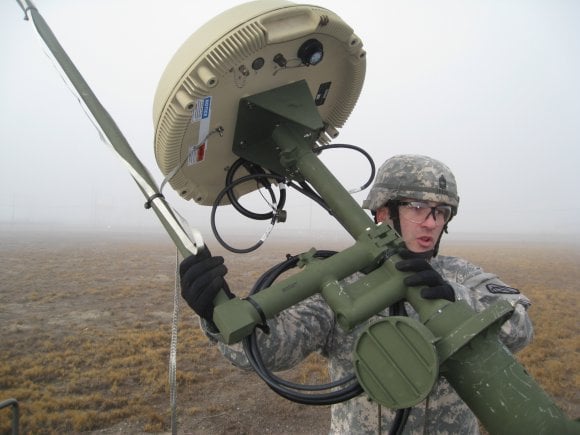
How do you get targeting data from satellite to howitzer in less than 20 seconds, on a tactical network that was never designed to do that? You improvise, Maj. Gen. Peter Gallagher told me.
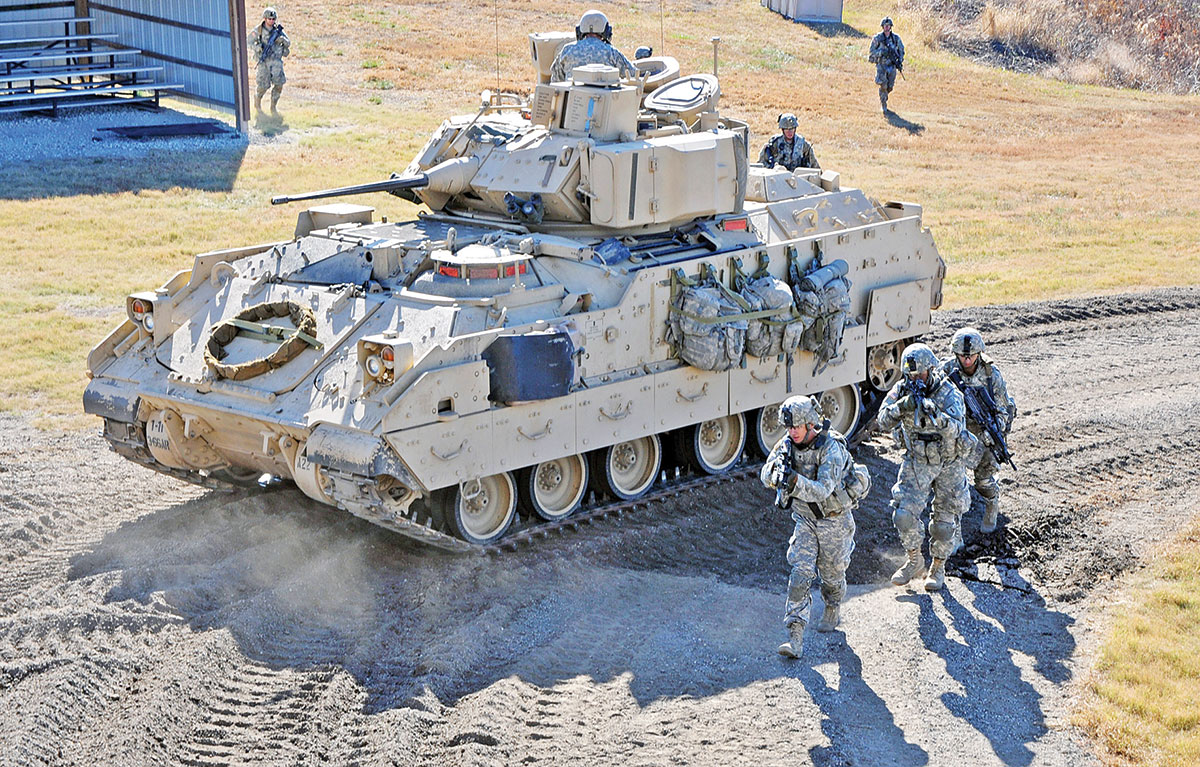
Industry and Congress were deeply skeptical of the Army’s suggestion to enter a government design team in the OMFV competition. Now the Army has backed off.
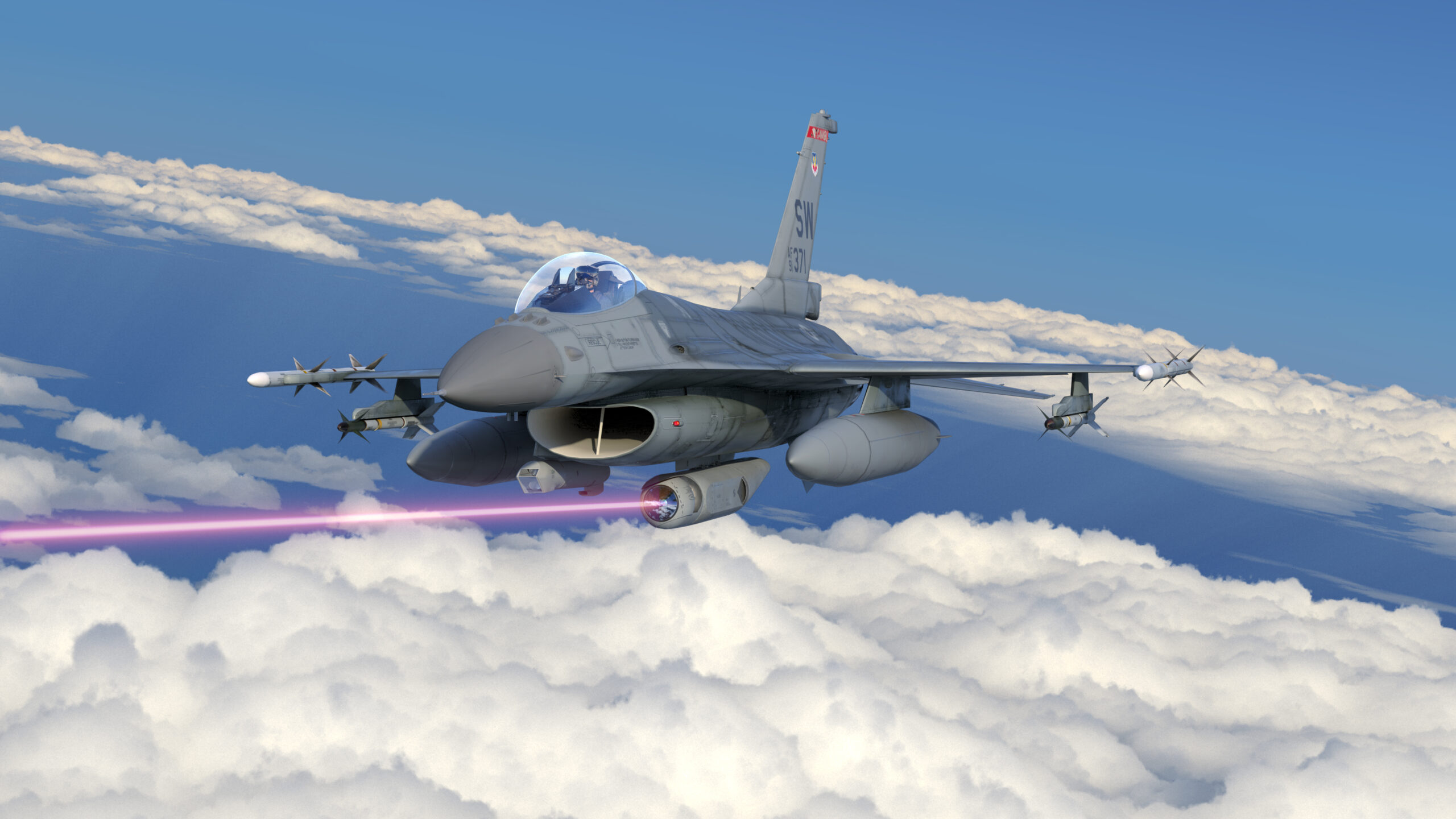
How do you keep a laser focused on a target moving at hundreds of miles per hour? The answer is crucial to Lockheed lasers being fitted on Army trucks and Air Force fighters over the next few years.
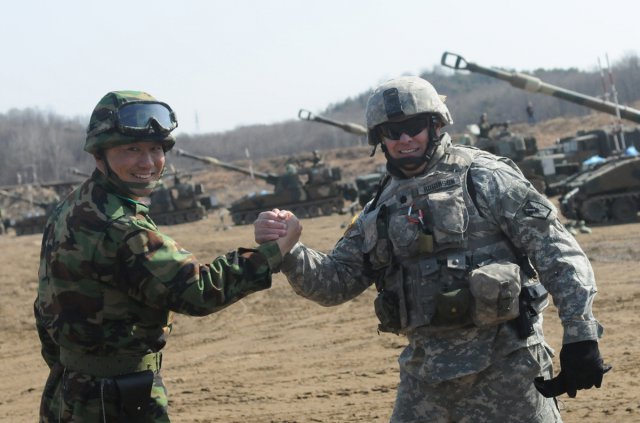
The Pentagon’s Joint Artificial Intelligence Center convened a dozen foreign partners, ranging from NATO allies to Israel, Japan, Korea, and neutral Finland & Sweden.


A commitment to long-term operational value.
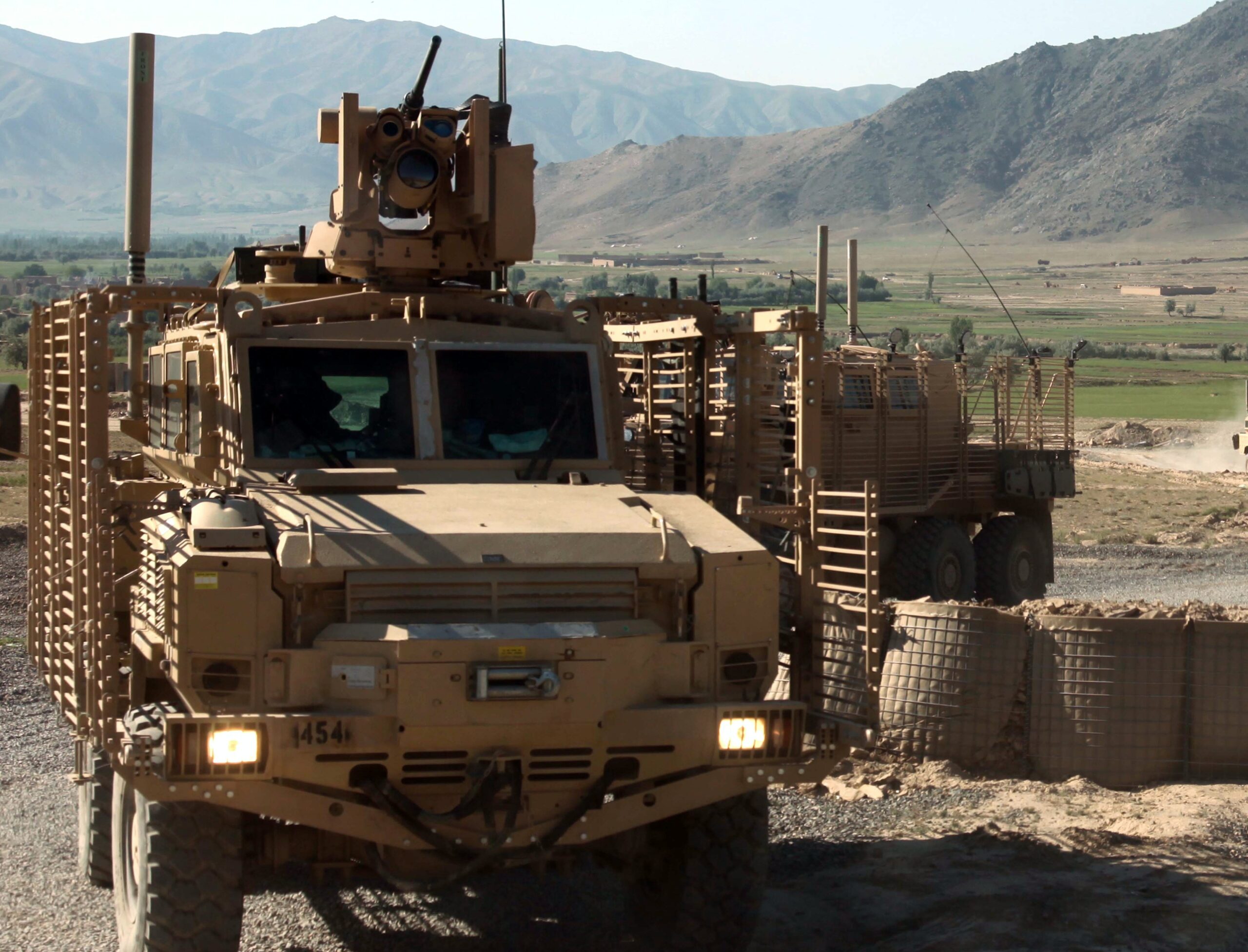
Instead of a single centralized Skynet trying to mastermind (or micromanage) operations, the Army is looking at a federation of more specialized, less ambitious AIs, each assisting humans in different ways.
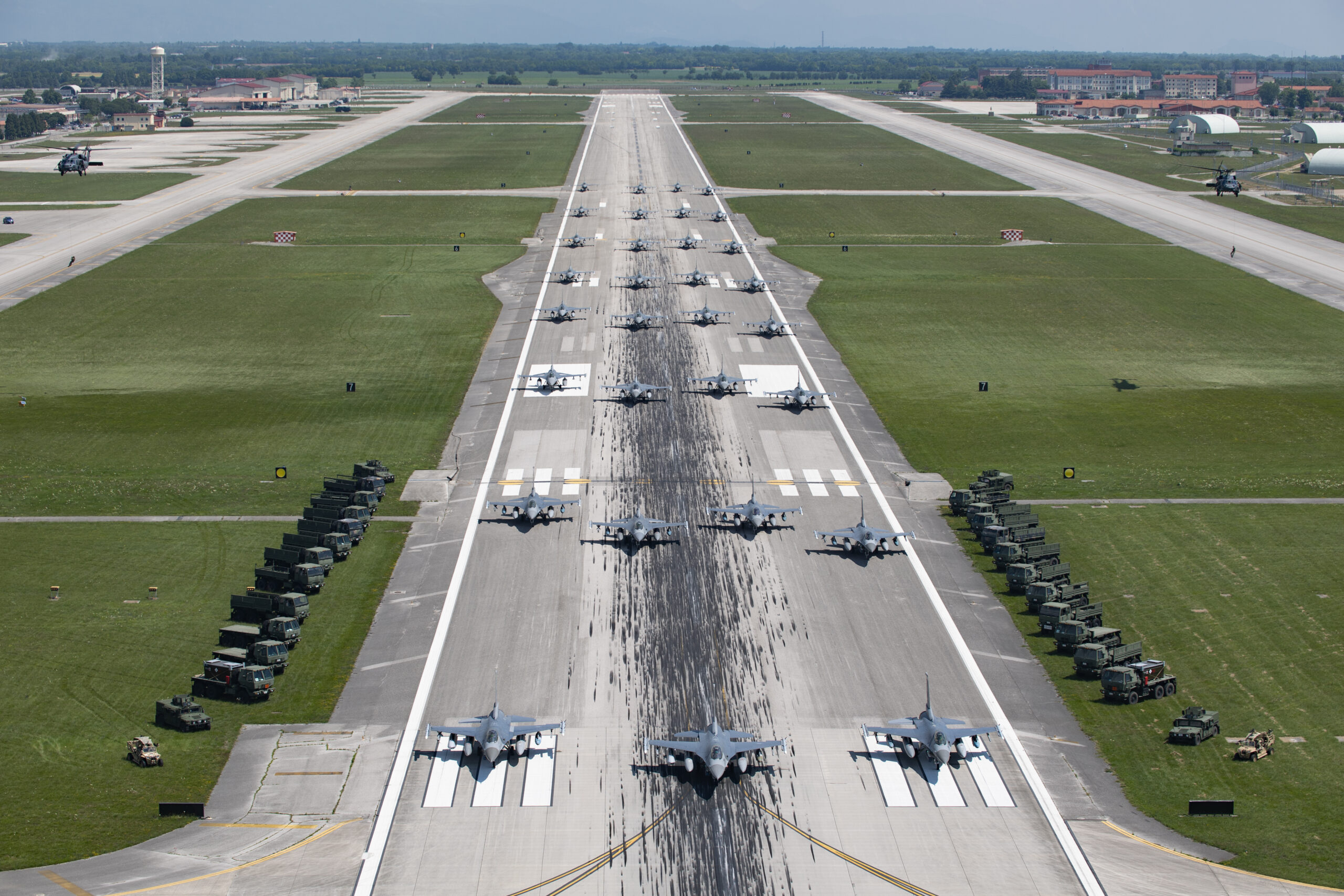
Instead of sending individual squadrons to the Middle East, the newly created 15th Air Force wants to train entire wings together for rapid deployment against Russia, China and other “near peers.”
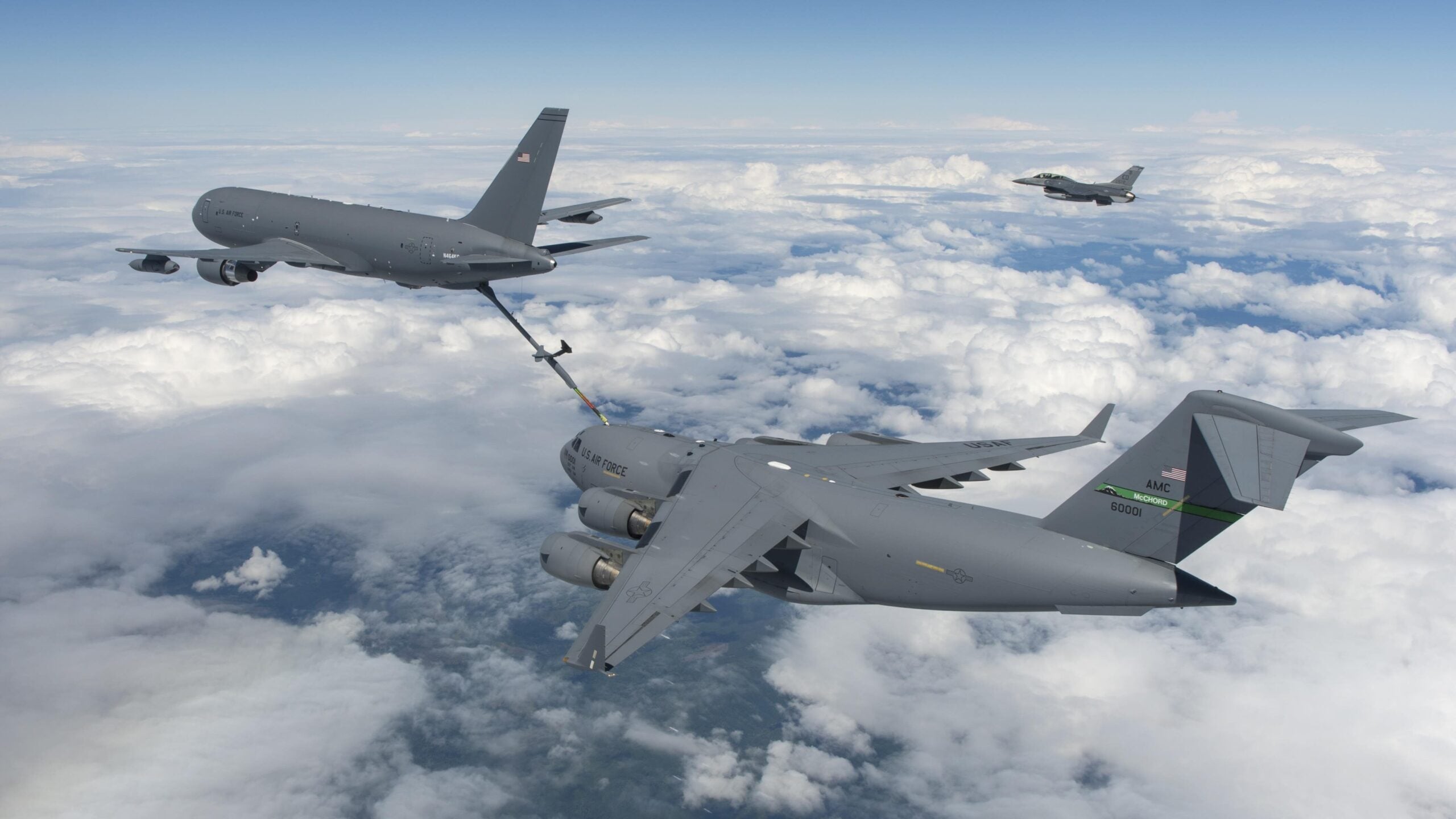
As Air Mobility Command looks to connect its aircraft to high-speed battle networks like ABMS, it is still struggling to get its KC-46 tankers working properly.

Over the southwest desert, drones large and small are autonomously avoiding anti-aircraft threats while feeding real-time targeting data over an AI network to troops on the ground.