
Air, Space Forces pick up research pace for orbital cargo delivery
The current focus is on low cost, high volume commercial cargo reentry pods, an Air Force Research Laboratory spokesperson told Breaking Defense.

Theresa Hitchens is the Senior reporter, Space at Breaking Defense. The former Defense News editor was a senior research associate at the University of Maryland’s Center for International and Security Studies at Maryland (CISSM). Before that, she spent six years in Geneva, Switzerland as director of the United Nations Institute for Disarmament Research (UNIDIR).
A sci-fi geek, voracious reader, enthusiastic cook, dabbler in poetry, Theresa is also the proud mom of a wonderful young man by the name of Nicholas.
The current focus is on low cost, high volume commercial cargo reentry pods, an Air Force Research Laboratory spokesperson told Breaking Defense.

Our number one priority right now is: How do we improve support to space control operations?" Col. Barry Crocker, head of Space Force Mission Delta 2 responsible for keeping tabs on on-orbit threats, told Breaking Defense


A commitment to long-term operational value.

The European Union also is funding a series of grant making projects designed to bring innovative technologies into the EU SST program, and support startups to strengthen the industrial base.

SPACECOM also is focusing on developing the baseline capabilities, such as space domain awareness and satellite communications, to undertake cislunar operations, said Gen. Stephen Whiting.

LeoLabs also intends to deploy multiple Scout-S mobile phased array radars to fill gaps in its current network of 12 larger radar facilities around the globe.

The big question facing DoD is what happens if the Traffic Coordination System for Space program is scrapped: is US Space Command left holding the space safety bag in perpetuity?

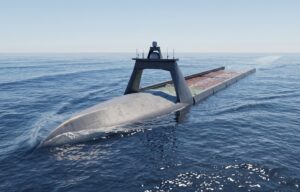
Systems that can work independently while still being part of a unit are critical to carrying out multi-domain operations.

The Space Force expects the US site, the third and final one in the multi-nation DARC network, to complete civil construction in 2029, and begin operations in 2030.

The largest MoD investment detailed in the new strategy is a planned £880 million between 2026/2027 and 2029/2030 for intelligence, surveillance and reconnaissance, and space control "activities."

The space industry lauded a new Trump administration 1,000-launches-a-year space policy, but experts told Breaking Defense that the current space infrastructure doesn’t have enough capacity and someone’s going to have to pay, potentially a lot, to change that.
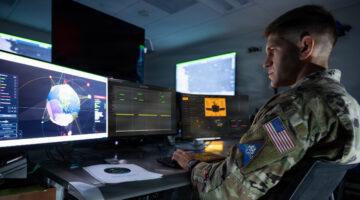
"We have to have a better linkage between our acquisitions officers, or staff, and our operators," Col. Tim Trimailo, head of the Space Systems Command's Commercial Space Office, told Breaking Defense.


Avoiding vendor lock and providing more room for sensors and upgrades are critical considerations.
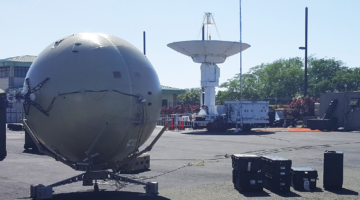
The Space Warfighting Environment 2040 is unique because it "was deliberately written to be warfighter-first, not technology-first," an official at SPACECOM's Joint Forces Development and Training team told Breaking Defense.

David Mosher, head of the Congressional Budget Office's National Security Directorate, stressed that the watchdog office was tasked with estimating the price tag for implementing Trump's January 2025 executive order, not any DoD plans.
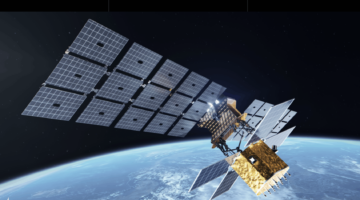
The stated goal is to clean out obsolete satellites, though the capabilities could also be used in weapons that move a target bird to an orbit where it no longer can perform its function, disable it in some manner or simply smash it.

The data from the hosted payloads on QZS-7 and its predecessor QZS-6 will feed into the US Space Surveillance Network operated by the 18th Space Defense Squadron.