Northrop Grumman says first DARC test validates radar tracking capability
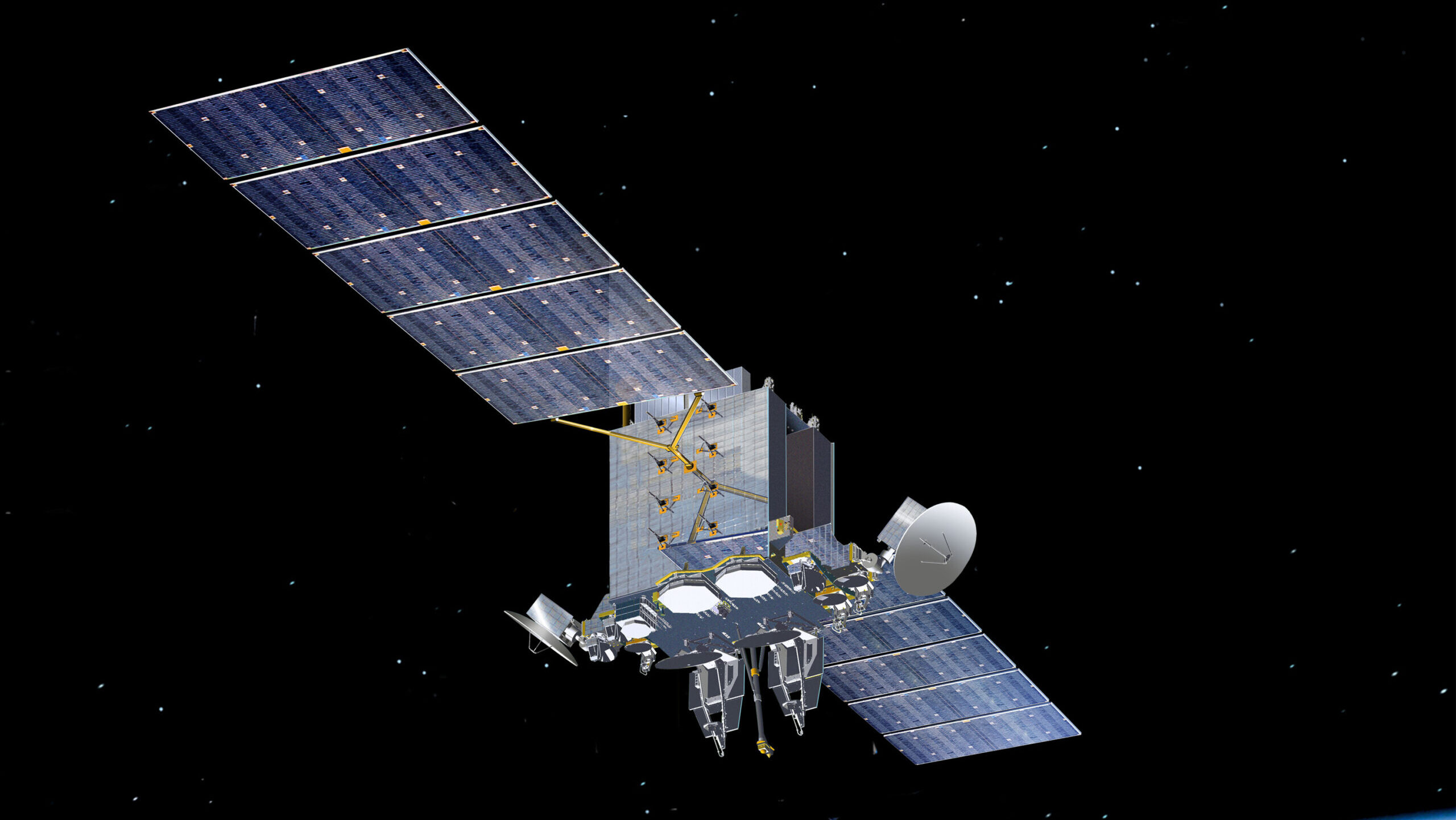
DARC has been plagued with delays almost since its inception, according to a series of annual studies by the Government Accountability Office.
"Proficiency with missile-warning sensors is one of the hottest capabilities to have today, and positions the company extremely well for Golden Dome work," Caleb Henry, research director at Quilty Space, told Breaking Defense.

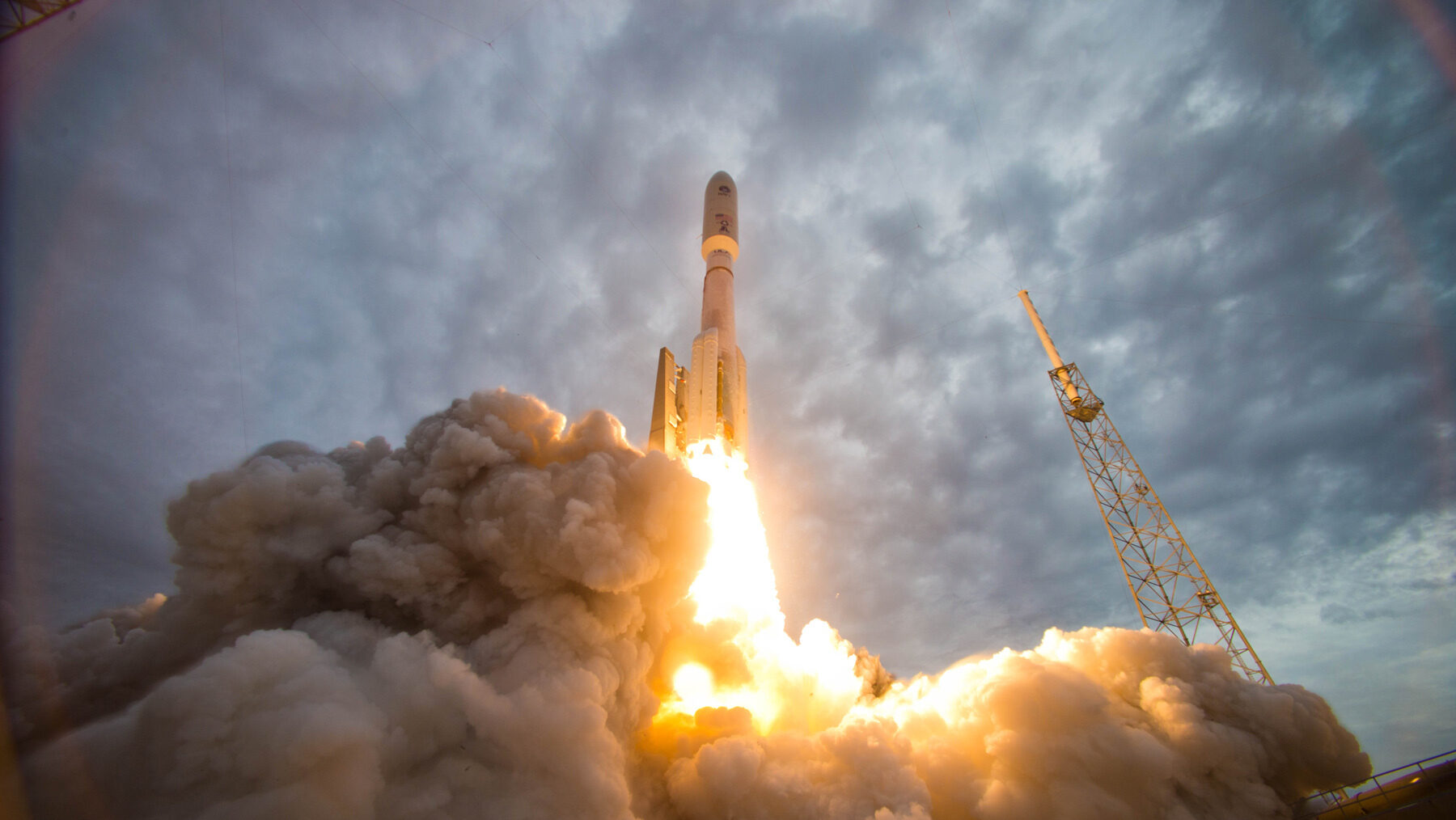
Vulcan's heaviest version, which will use six solid rocket motors, still awaits Space Force certification.
While big primes appear to be positioning themselves for leadership roles, Leidos CEO Tom Bell told reporters the company doesn't need to be "Mr. Golden Dome."
High-power microwave weapons, however, require more research, according to the head of the Space and Missile Defense Command's Technical Center.
The Army's emphasis currently is "on the counterspace piece for space control, electronic warfare, really doing counter-communications," said Brig. Gen. Donald Brooks, deputy commanding general for operations at Army Space and Missile Defense Command.
The Space and Missile Defense Symposium organizer said the Pentagon asked them to shift discussion about the Golden Dome project to another event.
The Space Force, however, has been lukewarm on funding support for what it calls "Space Access, Mobility and Logistics."
SES's American arm, SES Space & Defense, was awarded a five-year "Sustainment Tactical Network (STN) contract" to provide the US Army with satellite communications services.
The draft EO would eliminate, waive and/or loosen federal environmental protection reviews required for launch licenses, including for those from Space Force ranges.
The Pentagon has until Aug. 22 to provide its own implementation plan laying out whether it will follow the committees’ recommendations, according to a Congressional notice.
Quantum sensors hold promise to serve as the core for new systems for positioning, timing and navigation (PNT) that could provide an alternative, or even replace, today's Global Positioning System satellites.
After a drastic reduction proposed by the White House, the Senate Appropriations Committee would fund the Office of Space Commerce at $60 million in FY26 to continue with TraCSS.
The move is part of a long-running effort by Space Systems Command to reorganize acquisition programs along mission area lines, syncing up with the structure of the service's main operational arm, Space Operations Command.