
NATO allies oppose US peace deal for Ukraine as FCAS falters: 2025 review
From spikes in European military spending to the push for a virtual wall to protect NATO countries from Russian drones, the continent faces a new era in defense.
From spikes in European military spending to the push for a virtual wall to protect NATO countries from Russian drones, the continent faces a new era in defense.

The bilateral rendezvous and proximity operation "illustrates France's ability to conduct dynamic and responsible operations to deter adversaries from acting against its space interests," according to France's Space Command.


Knowing when to build on commercial systems and when to develop something new can be the difference between parity and information dominance.

The new strategy calls on German MoD to develop a number of new space-based capabilities, including "effectors" to counter adversary threats on orbit such as agile spaceplanes and "bodyguard" satellites with shoot-back systems.

The new strategy strongly echoes the US Space Force's Commercial Space Strategy published in April 2024, and copies some of the implementation tools the service has put into place.

“For both economic and strategic reasons, China may hope to use the opportunity presented by the political transition in the US to stabilize ties with Japan," Bonnie Glaser, China expert at the German Marshall Fund, told Breaking Defense.

The contract with Rome follows hard on the heels of a deal with Spain for 25 Eurofighter Typhoon fourth-generation fighter jets under the country's Halcon II program.

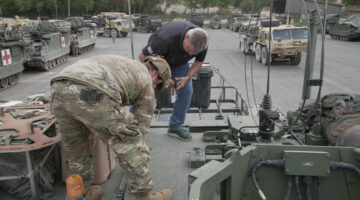
The network transport architecture for NGC2 could be a hybrid approach that combines high assurance communications with 5G, WiFi, and multi-orbit satellites.

Japan seeks to buy another 11 F-35 joint strike fighters, develop a new military small satellite constellation and invest in new signals intelligence aircraft.

This US ITAR reform would reduce by "close to, or slightly over 900 export permits required under our export controls from Australia to the US and the UK, with a value of around $5 billion AUD a year," an Australian defense official said.

"Nothing in this treaty has changed the known level of risk for what is an ambitious project. In some respects, the agreement of the treaty-level document between the three countries can be interpreted as a risk reduction measure," Australian naval expert Jennifer Parker said.
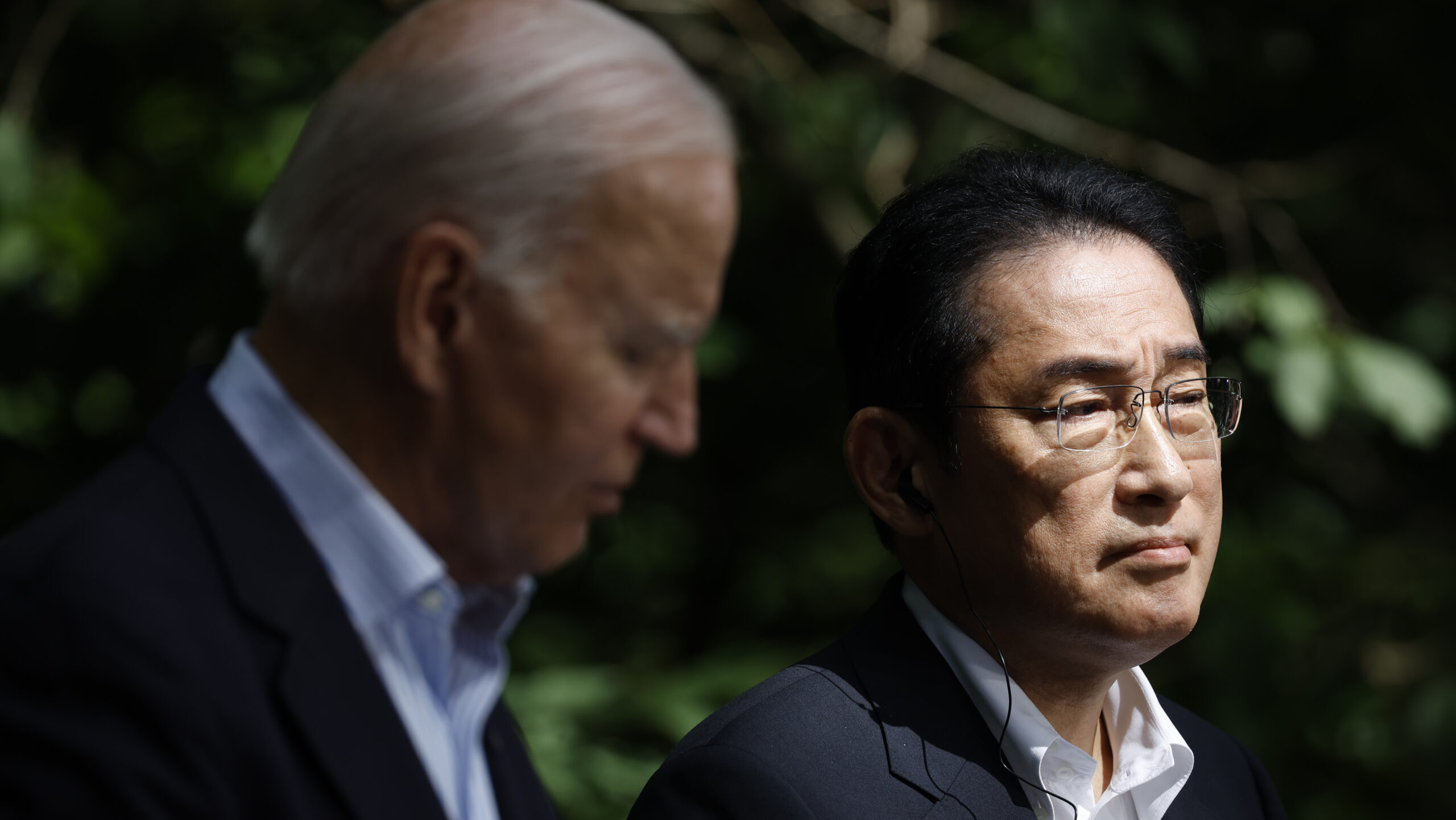
"Japan is basically signaling both to the Philippines and the US, and beyond that, [to] Southeast Asia and others in the region, that they should look to Japan as a leader in this space," John Blaxland, of the Australian National University, told Breaking Defense.


Why edge and endpoint security can’t be an afterthought.

Under the new approach, there must be a technical rationale for stamping a space program as special access, not simply because of a service policy decision, said DoD space policy czar John Plumb.
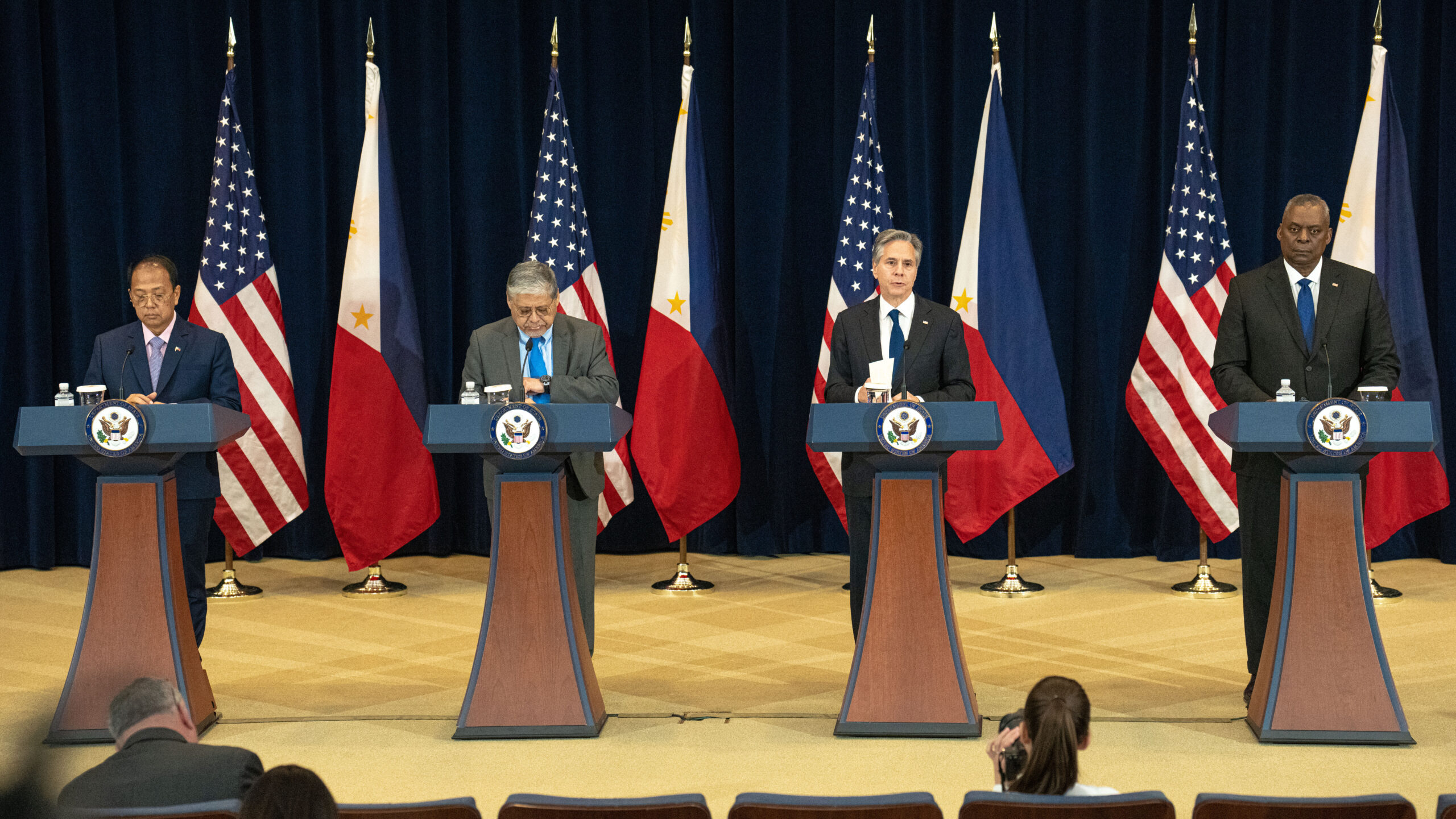
Leaders discussed what US Defense Secretary Lloyd Austin called "a security-sector assistance roadmap to support the delivery of priority defense platforms over the next five to 10 years, including radar, unmanned aerial systems, military transport aircraft and coastal- and air-defense systems."

"So the measure that we undertook of the flight limit bulletin, I think, probably is best summed up as that will allow us to not only to stop this increase in the rate of occurrence, but reduce it by 99 percent," a senior official told Breaking Defense.

John Plumb, DoD assistant secretary for space policy, suggested overuse of SAPs is hindering information sharing across programs and, more importantly, to allies.