Liquid propulsion for hypersonics provides flight capabilities not seen before
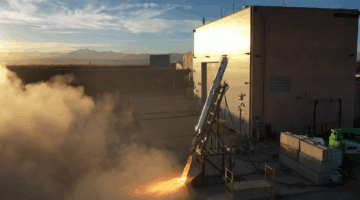
Ursa Major's American-made storable liquid rocket engine technology offers advantages over traditional liquid and solid rocket propulsion.
Get up to speed on the technologies reshaping US strategy in the Indo-Pacific, from networked warfare to artificial intelligence and 3D-printed drones.
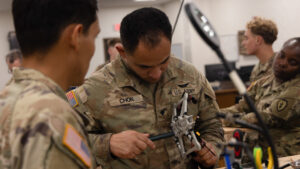
The deployment of 3D printers and other additive manufacturing tools will be needed in the INDOPACOM theater given the "tyranny of distance," said Gen. Ronald Clark, commanding general of Army Pacific.
“I acknowledge that their intellectual property is their intellectual property,” Lt. Gen. Christopher Mohan, said of the vendors. “It is a shame on us for not buying it up front, which is foolish, a fool's errand."
“[We’re] empowering our generals to take on that risk where we have the right to repair so that they can make these very small parts to get things back on and get them back into the hands of our soldiers," Secretary Driscoll said.
From printing thousands of drone “bodies” to hundreds of vehicle components, the land service sees a host of opportunities from additive manufacturing.
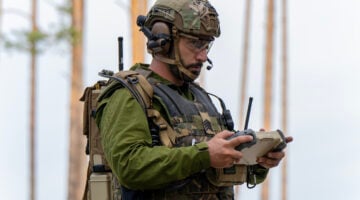
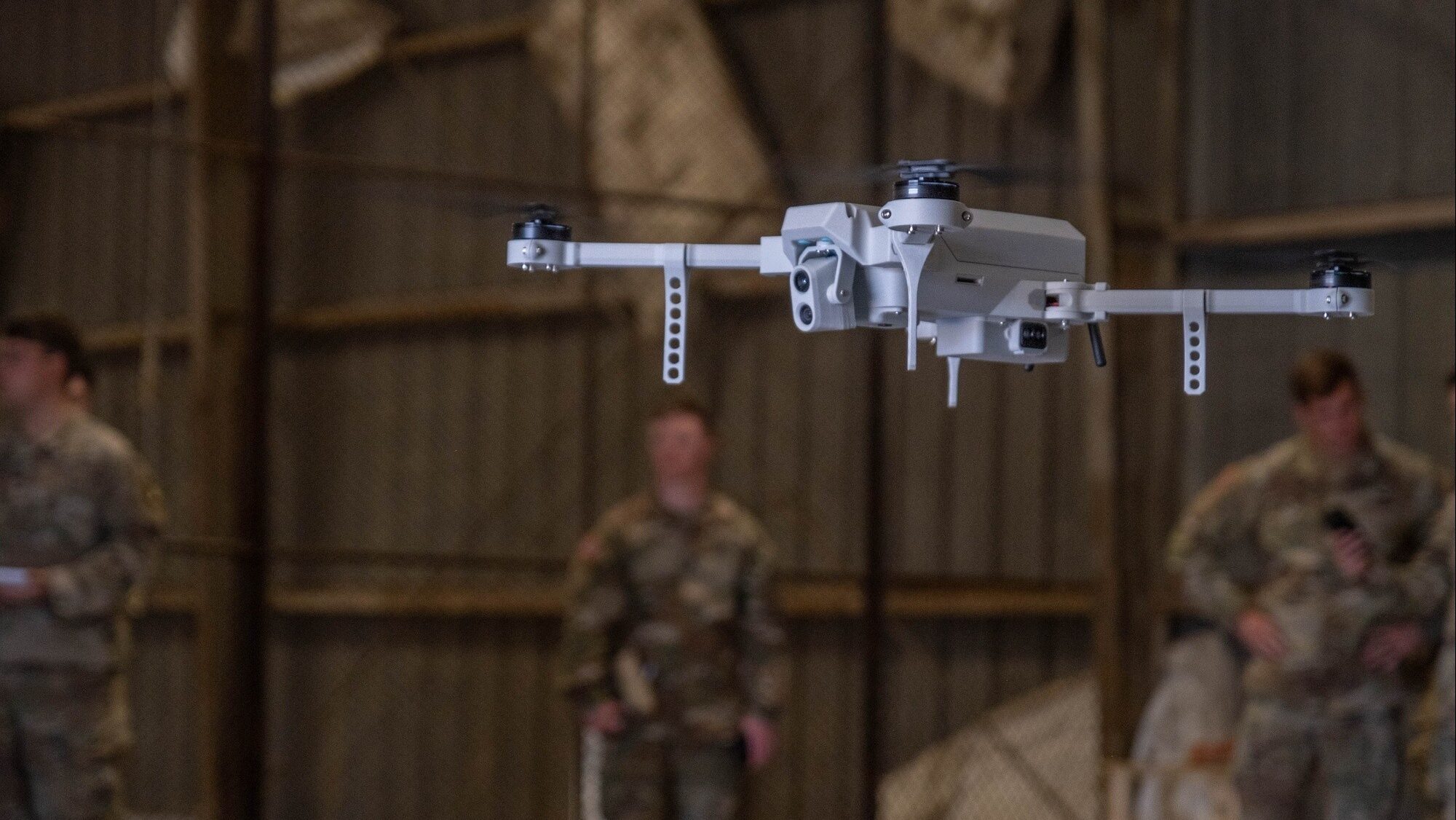
“Is it really the right answer to have a brigade carrying around 3D printers in the back of a truck trying to print 100, 400, 500 of these things at a time, and fabricate them while on the move so they don't get targeted by the enemy?” asked Col. Nick Ryan, director of the Army Capability Manager for Unmanned Aircraft Systems.
“We need to do it at a price point that is ridiculously low: We don't need the Gucci cameras and everything else,” said Army Futures Command head Gen. James Rainey.
“If you are a supplier, and your lead time is too long, and you refuse to work with us” on 3D printing alternative spare parts, said Rear Adm. Jon Rucker, “we're going to figure it out. Not a threat – a fact of life.”
The service has produced a battery bracket but is seeking manufacturing partners to design other components.
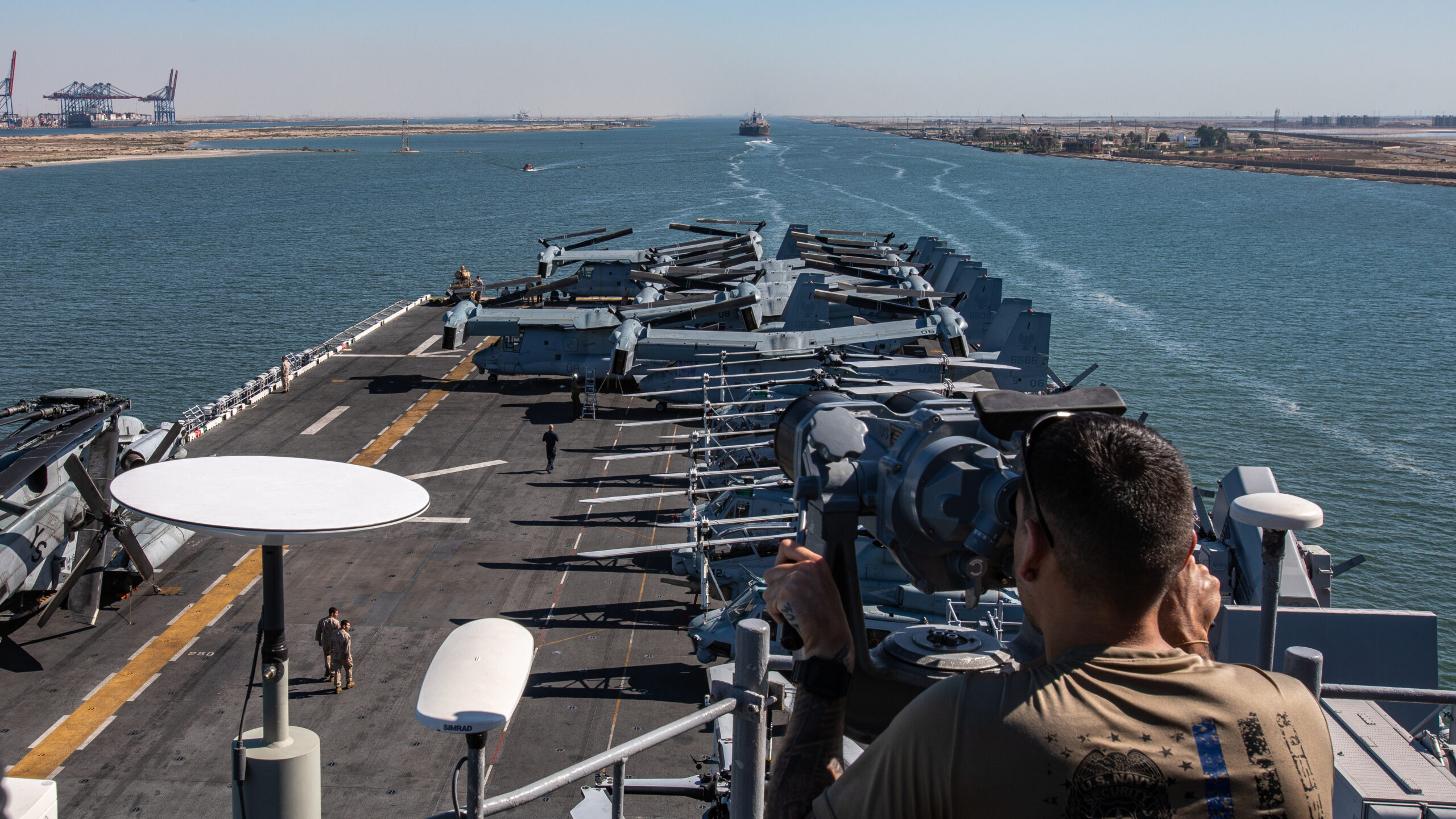
The proliferation of 3D printers, combined with loosened rules on using them, could change the way the Navy fixes its ships at sea, a top officer tells Breaking Defense.
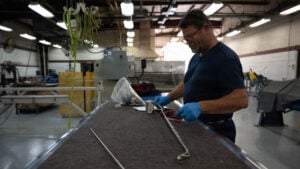
The company, just 55 employees strong, boasts a unique approach to additive manufacturing of lightweight, versatile composites well-suited to aerospace applications from fighter aircraft and drones to hypersonics.
An HII executive told Breaking Defense the NAVSEA certification will open the door for other alloys to be approved for use.
For something like a small UAS, “instead of taking years to develop [a design] it takes months, and instead of taking weeks to manufacture by laying out carbon fiber, we take hours to assemble," Divergent CEO Kevin Czinger told Breaking Defense.