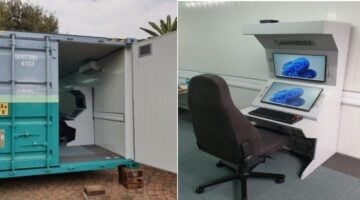
US reveals seizure of purported anti-submarine mission trainers en route to China
The Department of Justice alleges the equipment was made and shipped contrary to export law, but the South African company involved maintains it did nothing wrong.
The Department of Justice alleges the equipment was made and shipped contrary to export law, but the South African company involved maintains it did nothing wrong.


With new-but-proven technologies, the Navy can maintain its undersea dominance even as the strategic landscape grows more complex.

On today’s battlefield, mobility isn’t optional - it’s mission-critical.

Distributed anti-submarine warfare leverages autonomy and advanced comms and networked sensors that already exist.
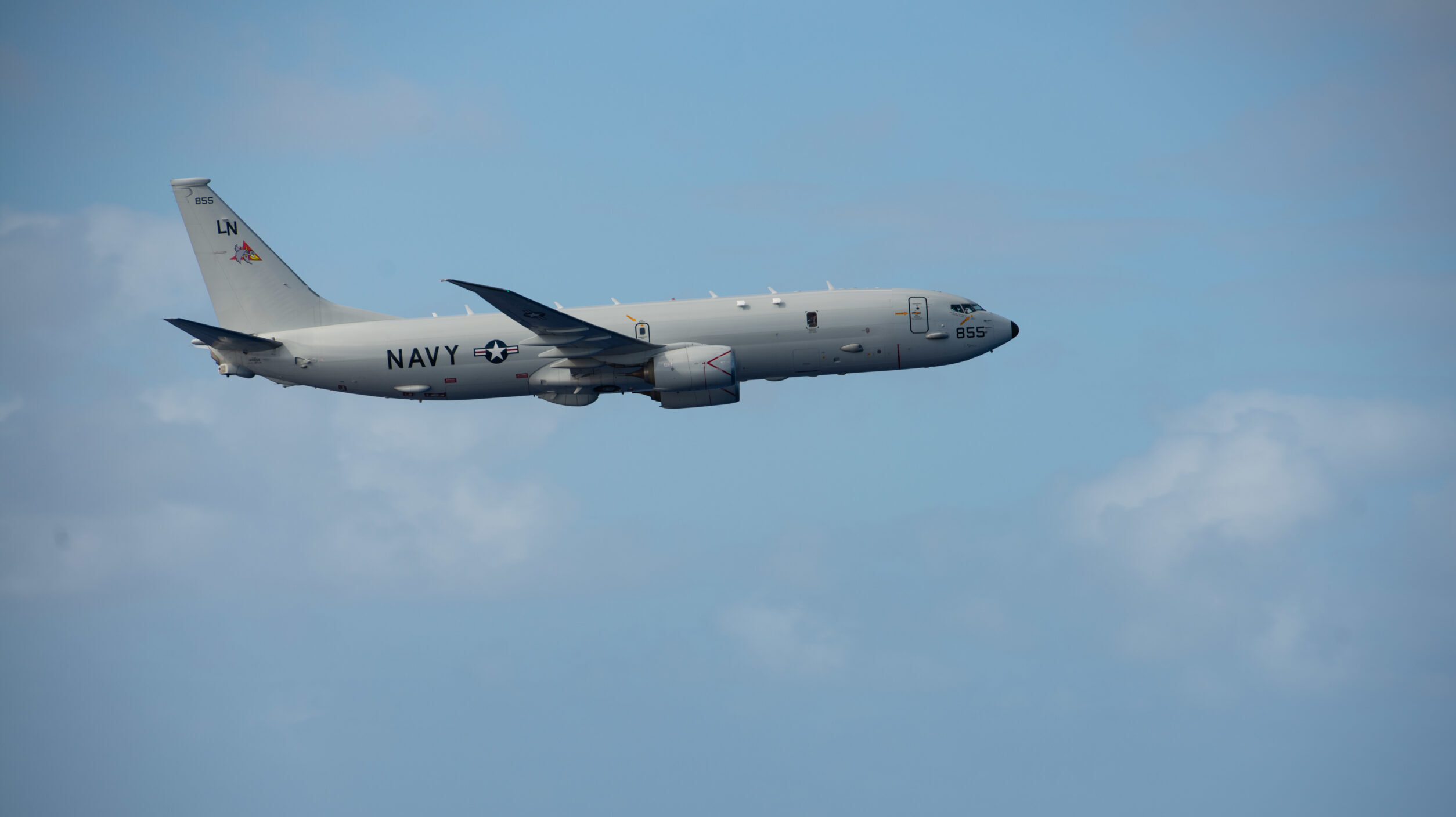
Boeing will also soon begin flight testing a multimission pod developed with internal funds, according to company official Jon Spore.


Unmanned aircraft in development by GA-ASI and its partners will be part of the discussion at the Singapore Airshow to ensure responsible world powers have the tools to keep ahead of security challenges.
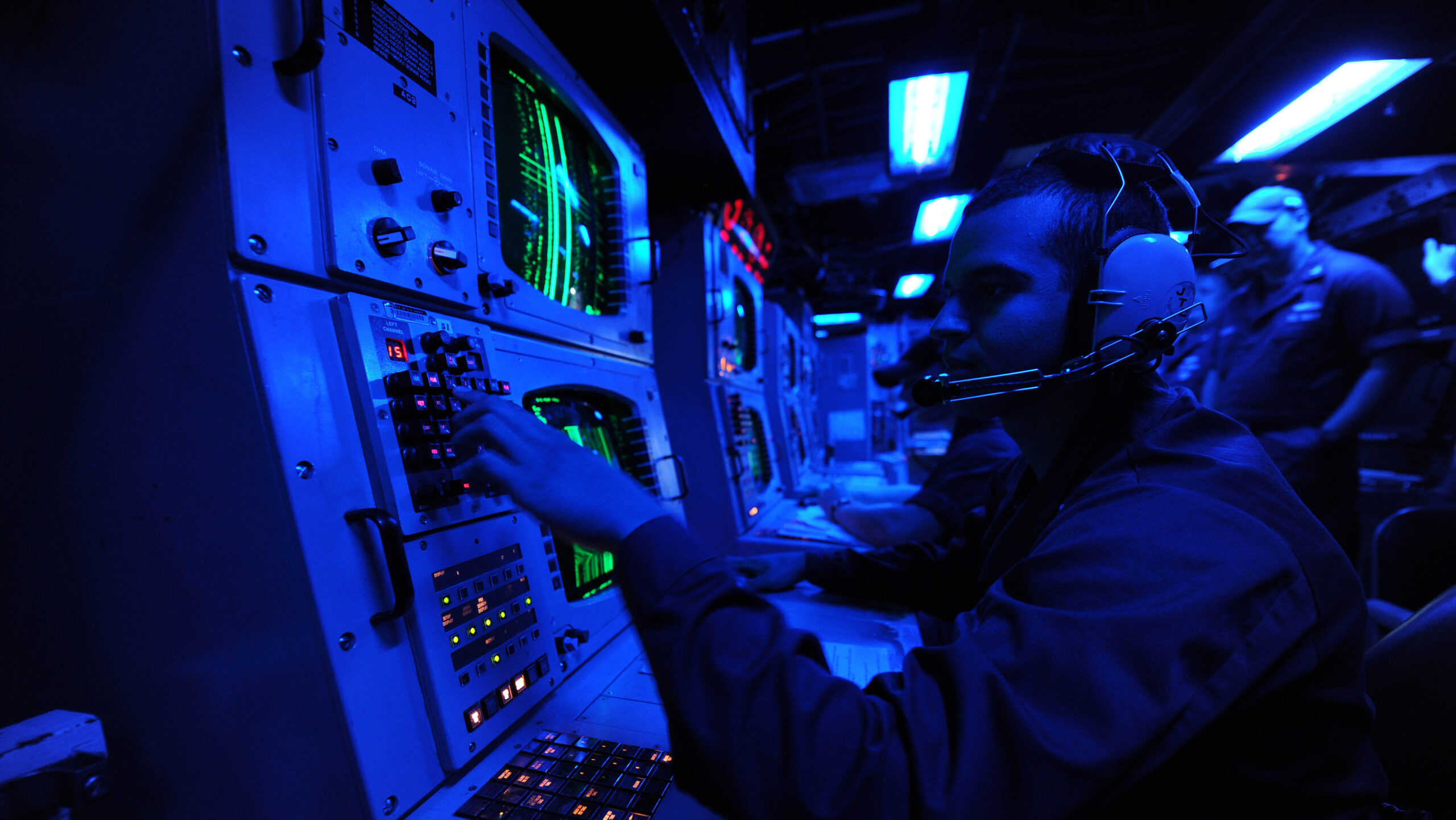
AI analysis of sensor data, including new kinds of quantum-based detection, could give a lethal edge in undersea warfare — to either the Australia-UK-US alliance or to China.


Midsized companies can offer flexibility and agility while keeping intellectual property in the hands of the government.

"There's no more cost that gets added to the program outside that one design zone change, therefore when you consider that as a value for money, it avoids having to complete a brand-new design from ground up," Craig Lockhart of BAE Systems Australia said.

“The purchase of an additional Triton will enhance operations from Australia’s northern bases, a priority under the Defence Strategic Review," Pat Conroy, minister for defense industry, said in a statement.

While the priority is to support anti-submarine warfare missions, the MoD also suggested potential use cases for ship-to-ship resupply and casualty evacuation.

The cost breach is one in a series of public missteps the Navy has had in recent years with the Littoral Combat Ships and the associated mission packages.

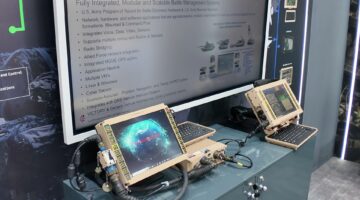
Partnerships with outside industry are a cornerstone of the kingdom’s ambitious growth strategy.

The first unmanned aerial system of its kind that can search the ocean surface and the depths in support of naval intelligence, surveillance and reconnaissance.

The US government will pay for all facilities it builds on Norwegian soil, and will not permanently base any troops there, officials in Oslo were quick to point out.

The Navy is standing up its first operational unmanned ship command, a big moment in the Pentagon's move toward autonomy

The Hammerhead mine would be delivered to sites by underwater drones, and “detect, classify, and defeat” manned or unmanned submarines, the Navy says.