
No THAADs ’til 2027: Missile defense experts warn of interceptor ‘gap’
CSIS says the delivery gap in THAAD ground-based interceptors comes after the Army used scores to help defend Israel during the June 2025 Israel-Iran conflict.
CSIS says the delivery gap in THAAD ground-based interceptors comes after the Army used scores to help defend Israel during the June 2025 Israel-Iran conflict.

The Commission on Cyber Force Generation said it will not have a hand in evaluating if the DoD needs a Cyber Force, but rather how to implement one if that decision is ever made.

Government can’t stop to update systems, so modernization has to happen without interruptions.

Passive sensors do not need to emit energy to find and fix targets, thus, they are harder for adversaries to find, track and target.

Selling off the low S-band "is a terrible, horrible, no good, very bad idea," Tom Karako, director of the CSIS Missile Defense Project, told Breaking Defense today.


The American-made Teal 2 quadcopter and Edge 130 Blue, a VTOL fixed-wing system, are both on the Defense Innovation Unit’s Blue List for acquisition by U.S. forces.

A new study by the Center for Strategic and International Studies details a number of serious obstacles to cislunar operations, from a lack of robust business cases to the literal fabric of time.


As global navies adapt to evolving underwater threats, ASELSAN’s integrated sonar, countermeasure, and sonobuoy solutions offer a scalable, future-ready approach.

"The stakes are high. Should any one country dominate the commercial remote sensing market, not only could it gain economic advantages, but it would also control the information narrative about the entire planet, from the environment to natural resources to human conflict," the report concluded.

"The United States has been aware of Russia's pursuit of this sort of capability dating back years, but only recently have we been able to make a more precise assessment of their progress," said Mallory Stewart, State Department assistant secretary for the Bureau of Arms Control, Deterrence, and Stability.
"The key word here is persistence," study author Masao Dahlgren told Breaking Defense. "How do we get persistence over the regions we care about? That hasn't been as explicitly put into prior work until now. This report puts into sharp relief."

“We’re cognizant of the fact Russia is retaking a lot of positions that they used to have in the Arctic,” said Pål Jonson, Sweden's defense minister. “There is a degree of militarization…and we have to respond to that.”

Discover how unmanned systems and emerging technologies are shaping the future of U.S. naval power in Breaking Defense’s new eBook.
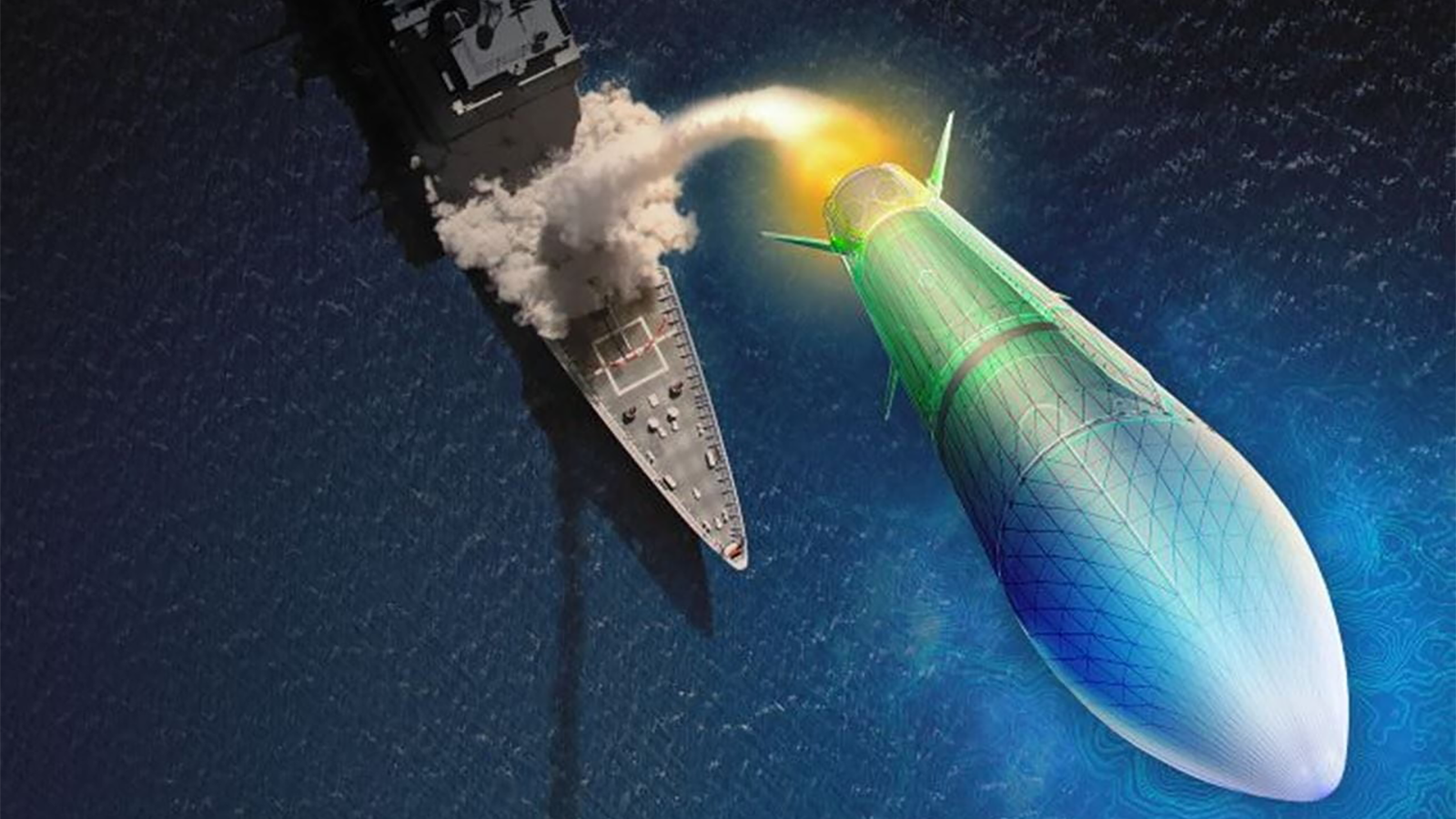
"We're ready to transition over to technology development," MDA Director Vice Adm. Jon Hill told the Center for Strategic and International Studies today.

"I would say the United States should prove to ourselves that we can shoot something down before we buy more of a thing," said DoD Assistant Secretary for Space Policy John Plumb. "So, fly before you buy, if fly includes shooting a missile down to prove that it works."

One of the most worrisome trends reported by the Secure World Foundation and Center for Strategic and International Studies is the increase in the number of countries seeking to develop counterspace capabilities.
"I think there are more questions than answers right now when it comes to SJ-21," Todd Harrison, director of CSIS's Aerospace Project, told Breaking Defense.