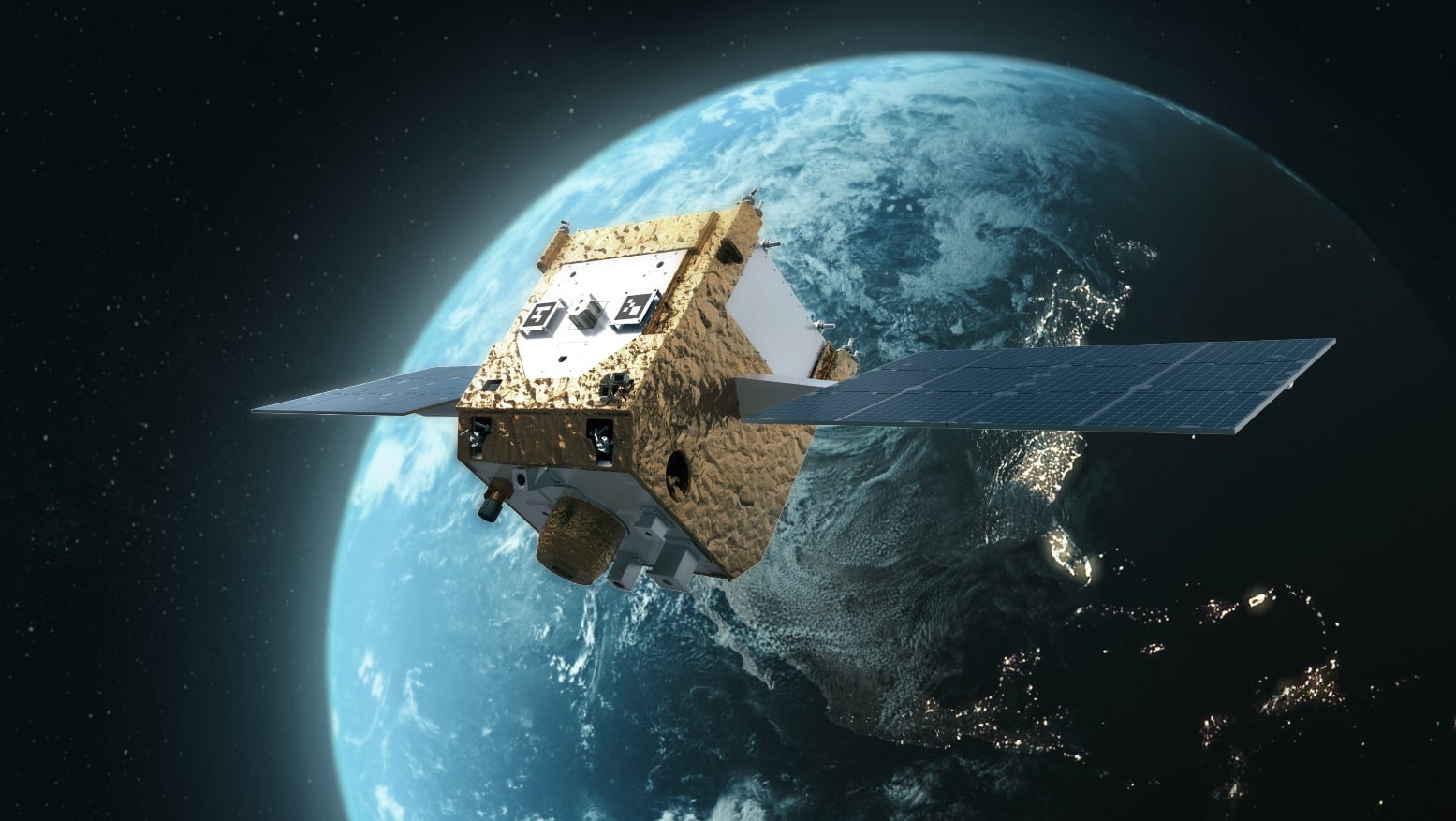
Despite ‘peak hype,’ orbital data centers for AI not yet ready for NatSec prime time
One expert summed up the defense market viewpoint of AI data centers in space as: "If they build it, we might come."
Lt. Gen. David Miller, Space Force deputy for Strategy, Plans, Programs and Requirements, said on Tuesday that the service alone is looking at some 1,000 launches between fiscal 2027 and 2031.
Watch experts discuss foreign influence risks, evolving DoD policy, and strategies for balancing security with scientific collaboration.
The Office of Space Commerce certification process would be voluntary for industry, due to the fact that congressional authorization would be required for the imposition of any new regulations.
The study by the Aerospace Industries Association and PricewaterhouseCoopers found that in the case of some critical components, only three or fewer qualified domestic suppliers exist.
"Budget permitting, NRO anticipates issuing additional awards later this year to expand these multi-phenomenology capabilities," the spy-sat agency said in a press release today.
Marcia Holmes, DoD deputy director for Golden Dome, said AI and autonomy will "change how we deploy and use our weapons."
Drawing on Breaking Defense's TechNet Cyber 2026 coverage, this eBook examines how the Pentagon is advancing AI, cybersecurity, and cyber strategy to strengthen the future force.
The State Department's damning critique argues that, if enacted, the draft law would imperil cooperation on "space weather, remote sensing, space exploration, spaceflight safety, space debris mitigation and remediation, [and] communications."
The defense sector is projected to account for only nine percent of the satellites going up between 2024 and 2035, but at the same time representing a whopping 48 percent of total market value.
Space Systems Command expects to issue a draft request for proposal by the end of the calendar year, a Space Force spokesperson told Breaking Defense.
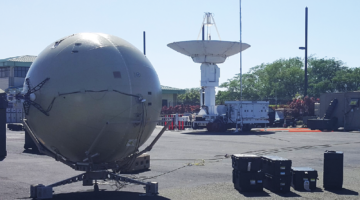
Space Systems Command is prototyping a Joint Antenna Marketplace to offload some of the SCN's burden and expand its capacity by using existing commercial and non-DoD agency antennas, rather than building costly new ones for the network.
The service needs to better detect and track on-orbit activity, and find objects that have been "lost" to its surveillance network, Chief of Space Operations Gen. Chance Saltzman said.
The reorganization of the JCO will involve two elements: setting up processes for JCO to provide commercial space monitoring data directly to operators and establishing an acquisition pathway for that data.
The draft EO would eliminate, waive and/or loosen federal environmental protection reviews required for launch licenses, including for those from Space Force ranges.
While US spending on national security space continues to dwarf that of the rest of world, non-US military space spending has jumped a whopping 76.5 percent over the last five years.