How the Army could spend nearly $19 billion in RDT&E funding
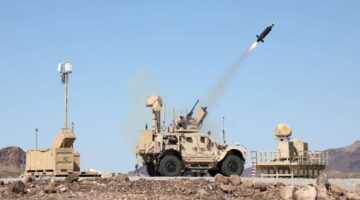
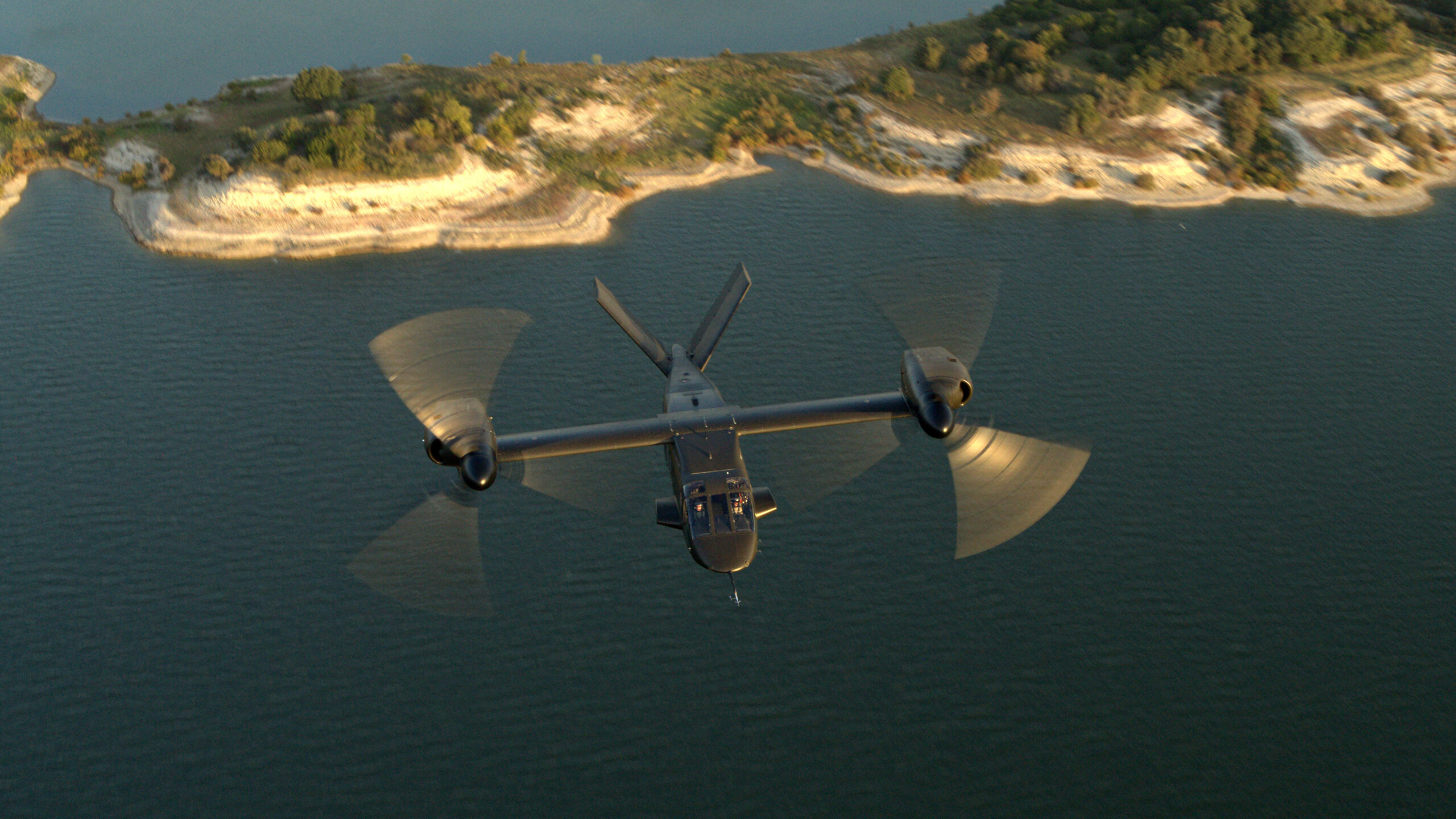
The programs taking up the majority of the Army’s RDT&E funding include FLRAA, THAAD, UAS launched effects, artillery systems, hypersonic weapons, counter drone tech and M-SHORAD.
“Ukraine has been countering [Iranian drones] for years [and] all features of this defense are of interest to the Gulf,” Samuel Bendett, adviser at Center for New America Security, told Breaking Defense.
“To counter these [Iran’s] asymmetric threats, Gulf states are compelled to accelerate military modernization, prioritizing advanced air defenses like Patriot and THAAD upgrades,” said a retired Kuwaiti air force officer.
The new guidance also grants service secretaries the power to designate what facilities should have special protections against drone threats.
The Army secretary said the “end state” of such arrangements would make the US and its allies "stronger" in a future conflict where they would have to fight together.
Separately, American soldiers also trained with Polish and Romanian allies on the Merops c-UAS system, already in use in Ukraine.
The Enduring-High Energy Laser (E-HEL) program is the Army’s first program of record for a new family of high-energy lasers.
“We have about 12 vendors out there showing us their kit,” Army Col. Guy Yelverton said of an ongoing competition for soldier common equipment. “And if they're all good, we'll select all 12, because we need a lot of capability in the counter UAS [unmanned aerial systems] environment.”