
Largest military buildup in the Pacific since World War II means network transport must keep up
The demand for space, terrestrial, and surface/subsurface data at the edge requires networks to scale with fiber optics.

The demand for space, terrestrial, and surface/subsurface data at the edge requires networks to scale with fiber optics.
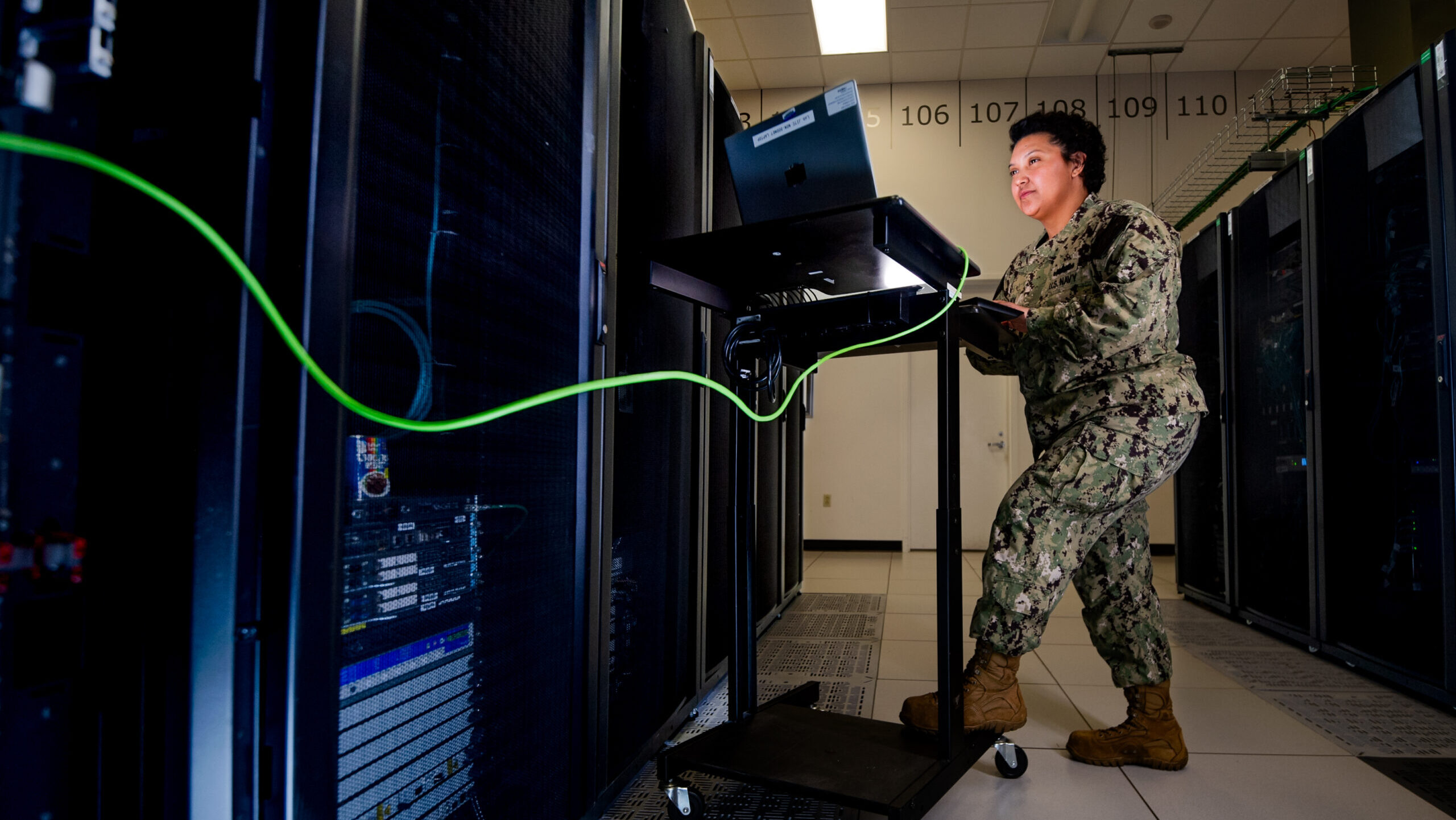
JFHQ-DODIN will now be known as the sub-unified command Department of Defense Cyber Defense Command.

The GPS network continues to prove its unmatched reliability, and it’s only getting stronger.
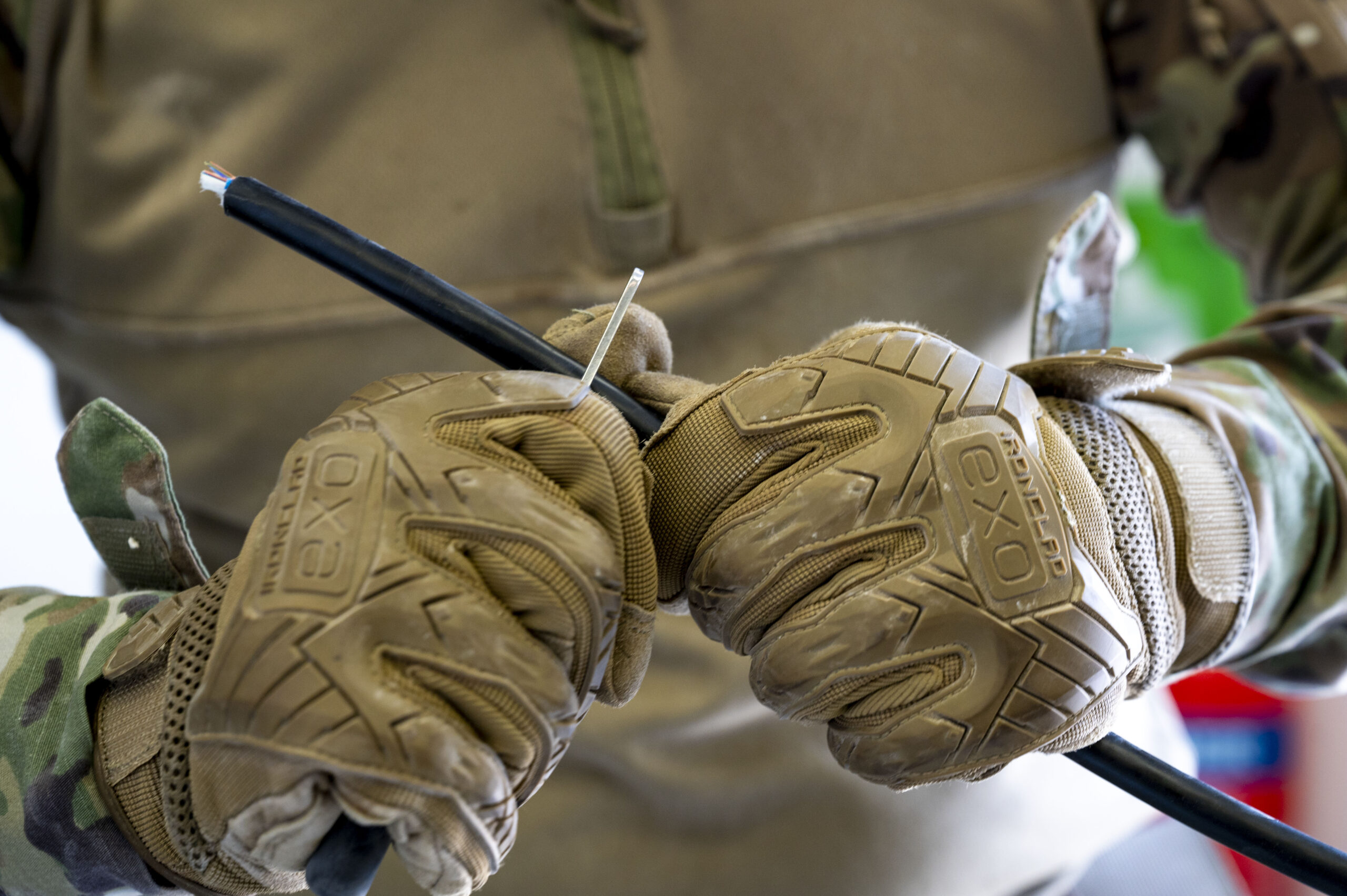
“Data needs to find fiber” is the only way to achieve secure ultra-low latency security for GovCloud applications and AI demand.

The move will “not only deliver that network, but everything that's going through that network, and then making sure everything that goes through that network is protected,” Gen. Jacqueline McPhail, commanding general of NETCOM, said.

Gen. Paul Stanton acknowledged that he's taking over at an "unprecedented period of significant change in an unsettled word," one that has an "insatiable appetite for data."
“We need to make sure that technical debt is not pre-framed as just cost. There's a lot more that comes with technical debt. There's people, there's operational aspect, there's efficiencies," warned Caroline Bean, director of joint enterprise services at DISA.

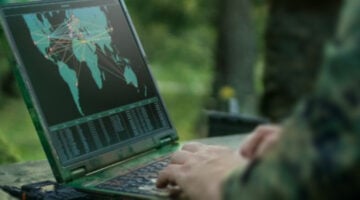
Why edge and endpoint security can’t be an afterthought.


In this Game Changer article, we discuss how Internet Operations Management addresses the issue of centralized visibility and operational control.

The unclassified summary is short and vague, but we estimate 38 percent could be for offensive cyber warfare, 49 percent is undoubtedly defensive, and 13 percent is for forward defense in allied nations’ cyberspace.
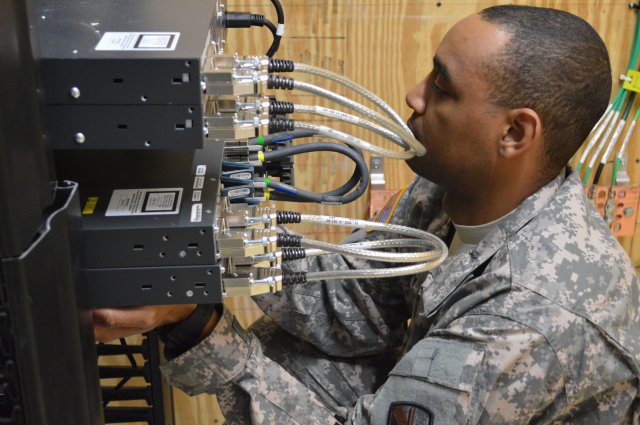
JRSS is not secure enough so DoD data is at risk. Operators don’t have the tools they need to properly monitor and troubleshoot the system and the training to run it properly.

DISA has identified 46 factors that could be used to help it get rid of passwords on your mobile device, including gait, the way you swipe, and how you hold your phone or tablet.

The network transport architecture for NGC2 could be a hybrid approach that combines high assurance communications with 5G, WiFi, and multi-orbit satellites.
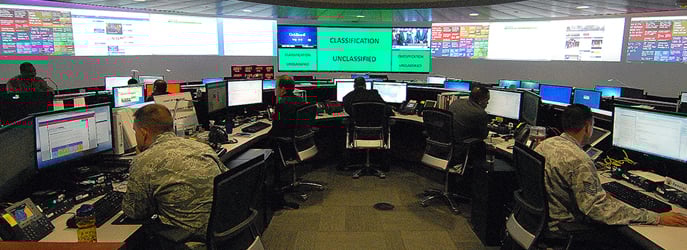
The military needs a globe-spanning network to counter threats that no single theater command can cope with. That takes more than just technology.

This year promises to be a year of big changes in how the Defense Department does Cyber -- and leaders are warning staffers that it's not going to be business as usual.
AFA: The Air Force wants artificial intelligence to track and react to cyber and electronic threats, to update countermeasures against enemy hackers, radars, and missiles faster than human minds can manage. But first you have to fix the basics. Today, the Department Of Defense Information Network (DODIN) is really not a single network, but a […]

TYSON’S CORNER: “Unity of command” is a classic principle of war. As the US military struggles to improve cybersecurity against relentless Russian, Chinese, and other attacks, however, it’s finding the complex interconnectedness of computer networks complicate the chain of command. If the tech guys urgently need to shut a system down — say, because it’s […]