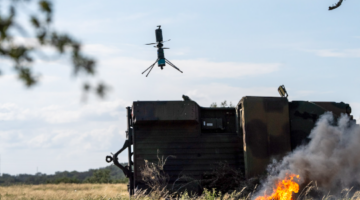
The drone war will be won on the factory floor, not just the front line
From FPV drones to autonomous rotorcraft, scale and repeatability are becoming as important as innovation.

From FPV drones to autonomous rotorcraft, scale and repeatability are becoming as important as innovation.
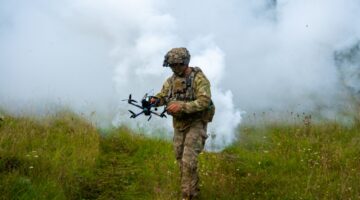
“Where we still have some work to do candidly is getting everybody trained at the appropriate level," Col. Gregory Merkl, Drone Dominance director for the Army, said.

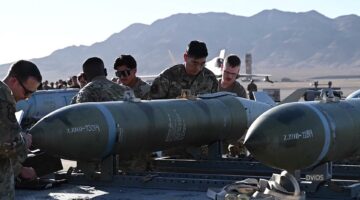
Threats have changed the range, seeking and attack capabilities necessary to ensure effectiveness.

“The cavalry arrived here to meet your cavalry in private industry to make sure that we are not drone sufficient, from parity, but drone dominant,” Pentagon R&E chief Emil Michaels said.
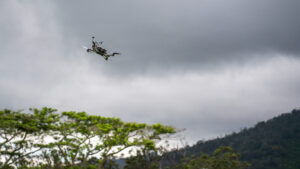
So far, the department has ordered 20,000 small, FPV-style drones from 10 vendors.
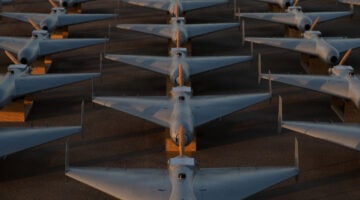
The company says it will integrate its Hivemind software on the drones, with plans to demo its swarming capability later this year.
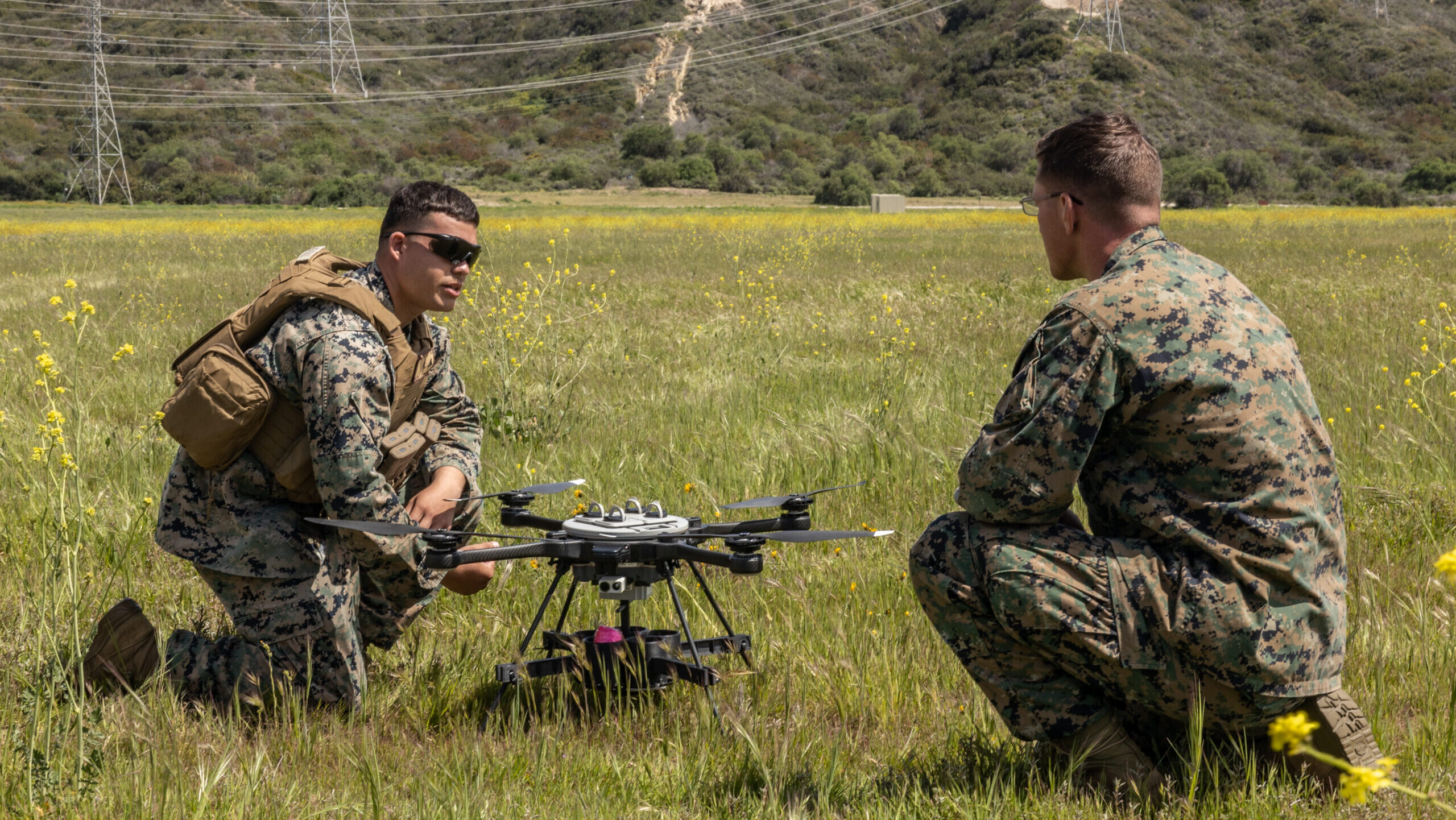
"[The] Lethality Challenge selection gives us a rail-locked pathway to thousands or tens of thousands of unit orders for this product, which has absolutely changed the caliber of discussion we’re having with investors, suppliers, other customers/partners, etc," drone-maker Bravo's Kevin Landtroop told Breaking Defense.

Demand signals from leadership are shaping investments in design, engineering and manufacturing.
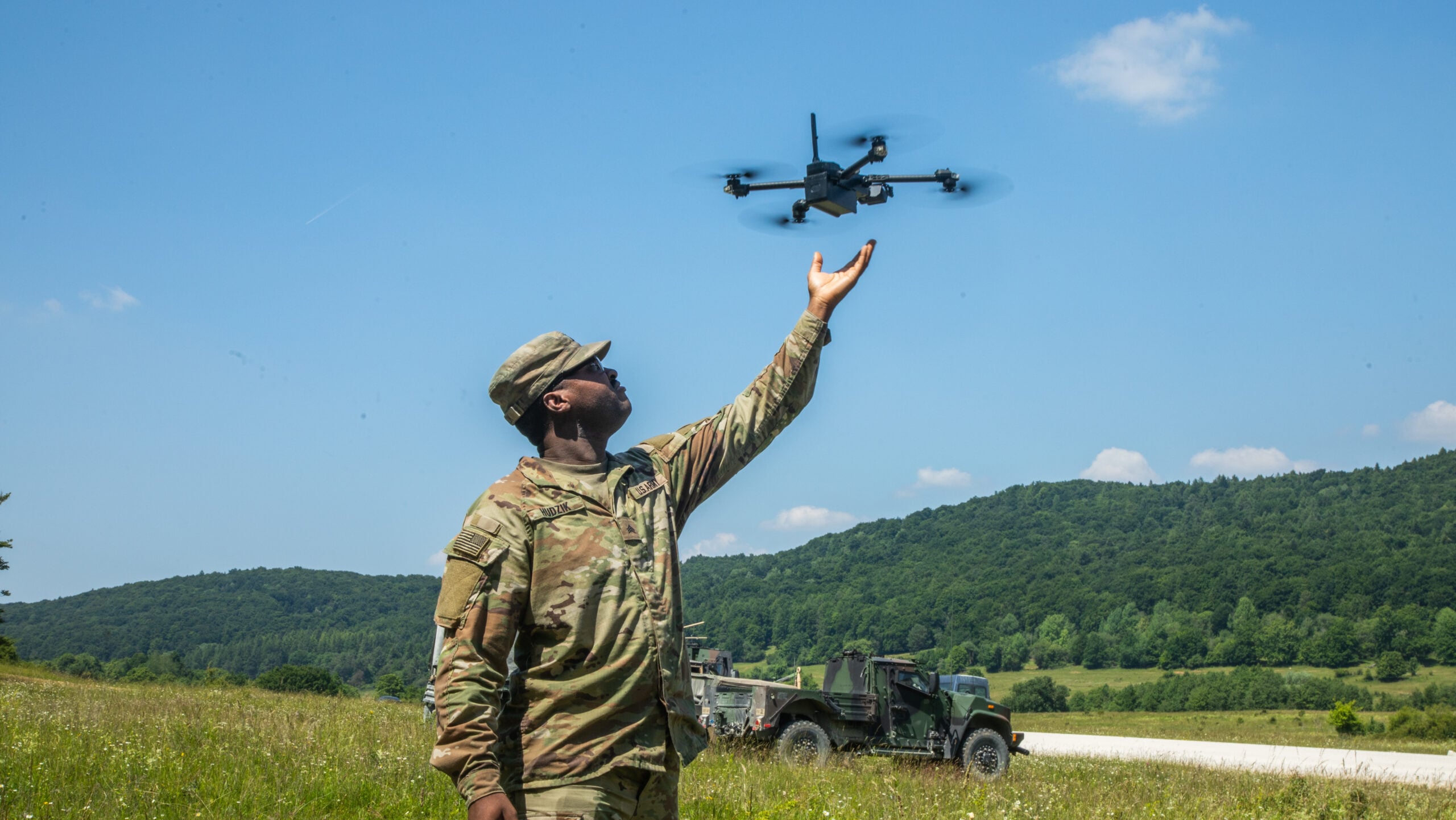
"Traditionally it takes a long time to fill a requirement, and we have this protracted competition, and maybe you only choose one or two. Now it's you tell us when you're ready," Col. Danielle Medaglia, head of the Army’s project management office for UAS, told reporters here in Huntsville, Ala.
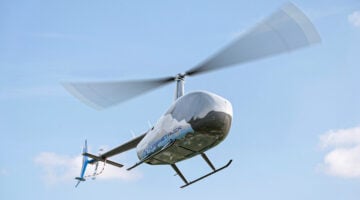
The company will absorb Ascent Aerosystems, maker of small drones already invovled in a DoD competition.
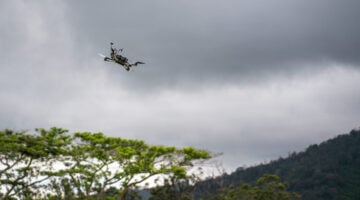
The DoD is about to choose the winners from its "Gauntlet" unmanned exercise and provide successful systems to military units "over the next five months," a DoD official said.

After military operators fly the drones, the department plans to award deals totaling $150 million.

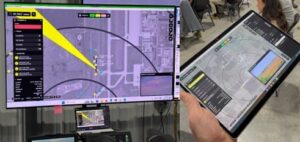
Architecture that linked sensors, C2, RF effects, and lasers into a distributed c-UAS kill chain.