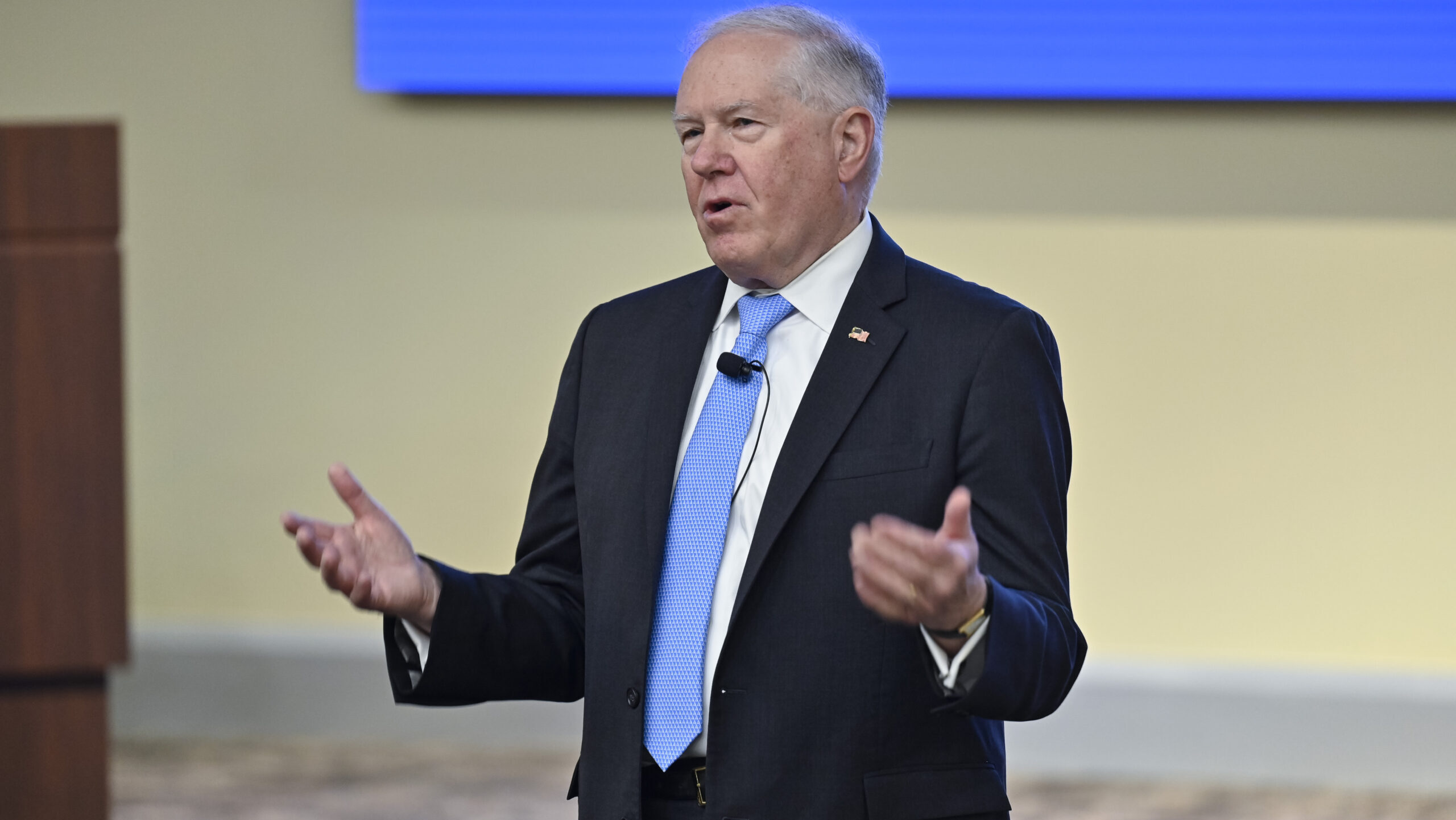
Air Force ‘having a hard time’ on E-7 Wedgetail price negotiations with Boeing: Kendall
Development of the Air Force’s first two rapid prototype radar planes proved more difficult than expected, according to acquisition chief Andrew Hunter.
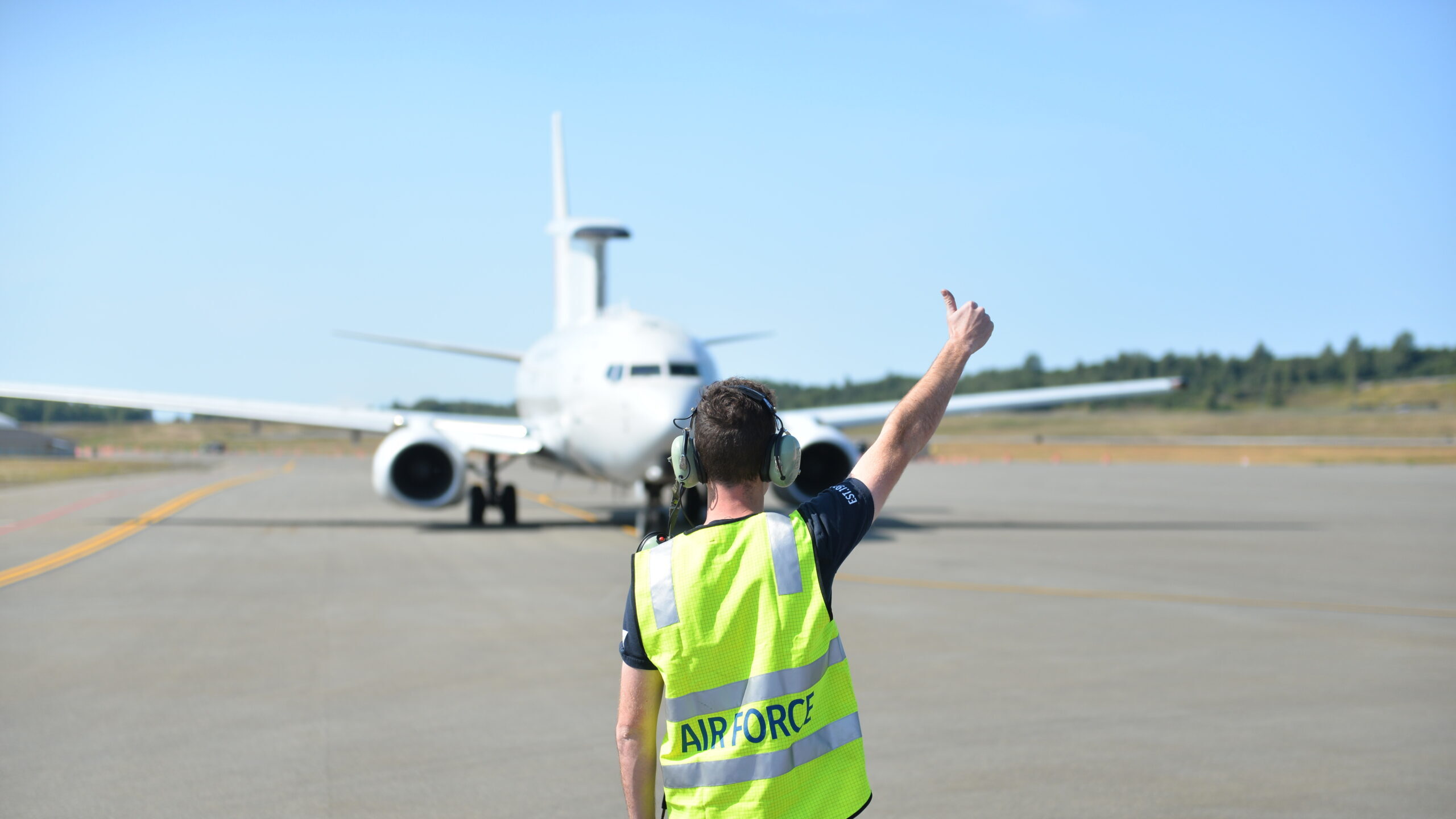
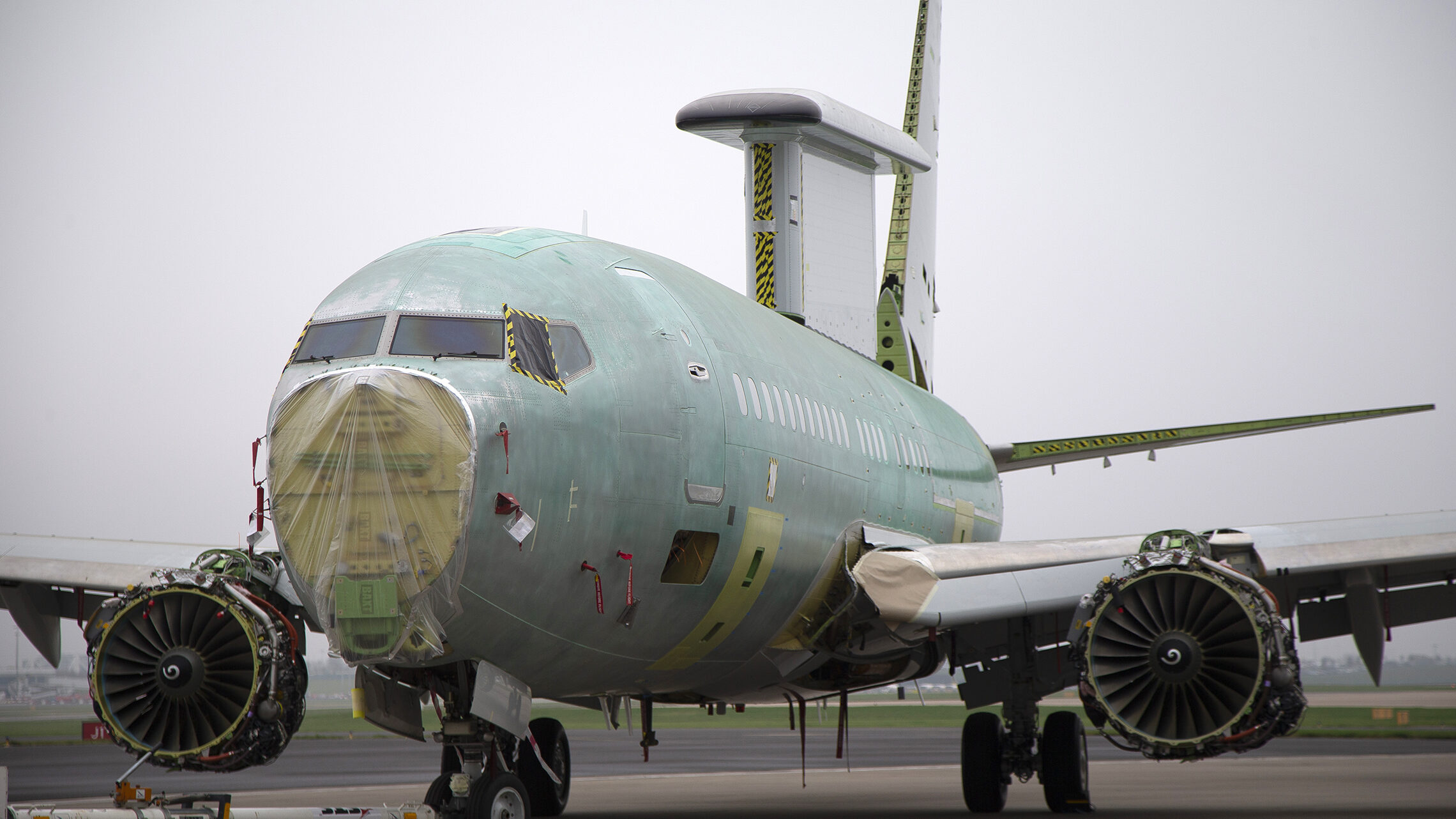
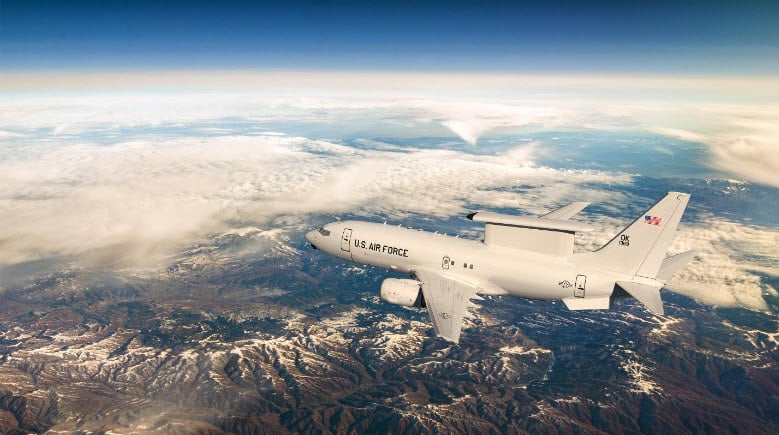
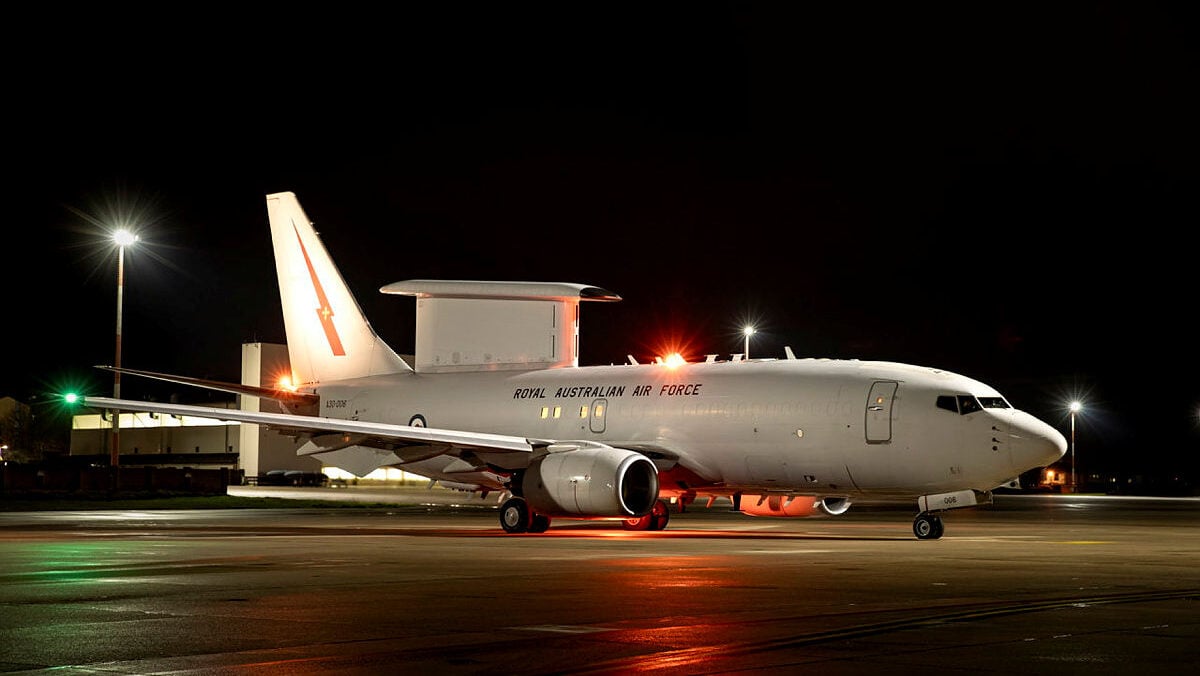
As Breaking Defense toured Boeing's Seattle area facilities where the E-7 radar plane will take shape, company officials talked about getting the bird in the air — and their vision for what it can do.
Asked about the timeline floated by an L3Harris official, a NATO spokesperson told Breaking Defense the alliance is still assessing "the way ahead."
Though the UK will get three planes instead of five, the procurement report estimates that the E-7 program will cost $2.5 billion, only marginally less costly than the $2.7 billion agreed in the original order.
In an interview with Breaking Defense, chairman of the House Armed Services Tactical Air and Land Forces subcommittee Rep. Rob Wittman explains the committee’s thinking behind keeping AETP going, as well as the reason for slashing funds from NGAD.
The Air Force previously provided notice it would award the contract to Boeing in a sole-source acquisition. The first aircraft is scheduled to arrive in fiscal 2027.
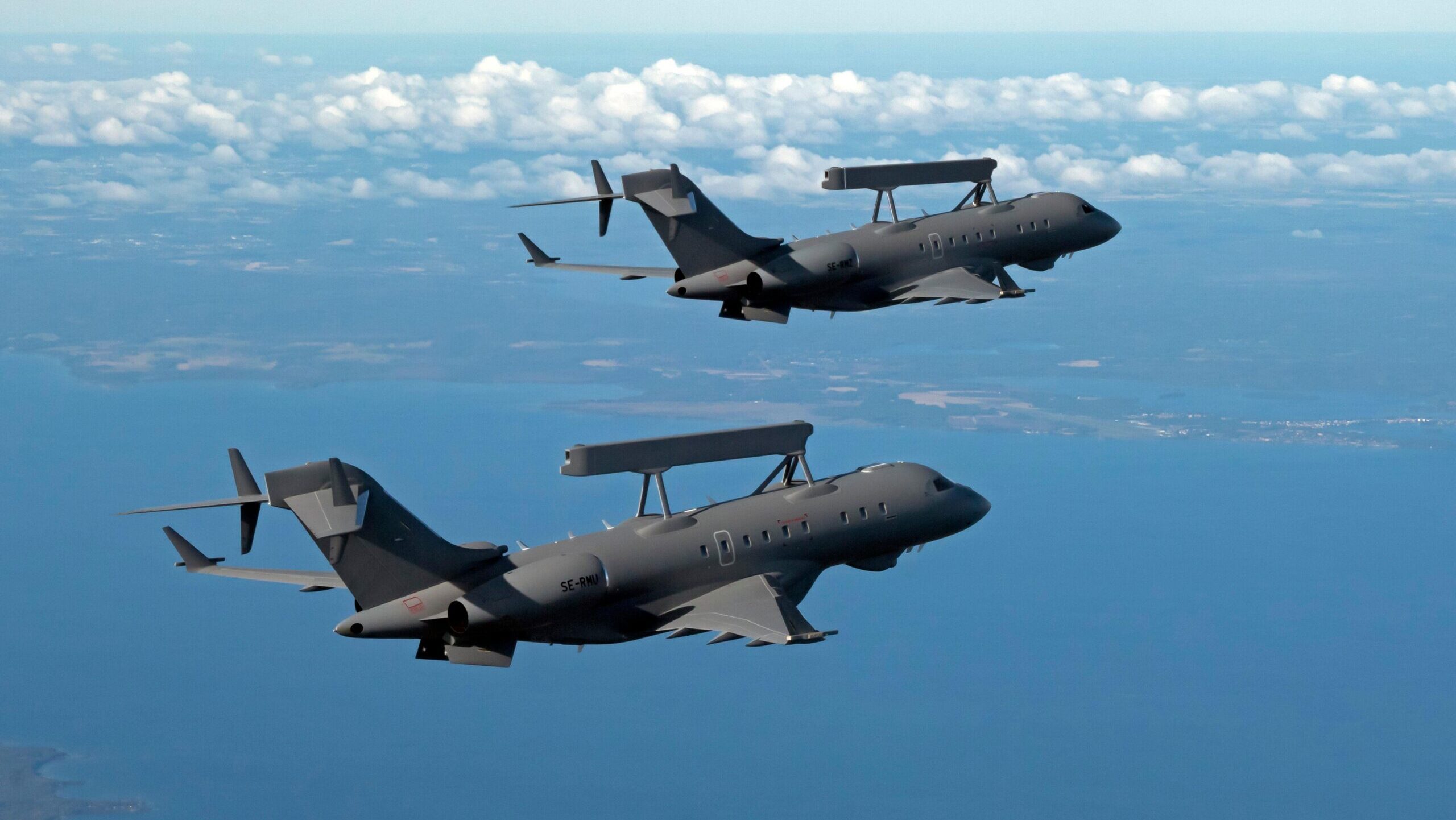
The AFSC capability program aims to define “a new generation of surveillance and control capabilities” underpinned by a systems of systems architecture approach, intended to integrate “multiple capabilities and platforms” for future multidomain operations, according to the RfI.
“While the Plan continues to serve a useful purpose in reporting to Parliament on planned expenditure, the volatile external environment means this year’s Plan is already out of date,” said the NAO.
A tranche of F-35s will be delayed, as will the E-7 Wedgetail, while the Atlas transport has overcome a "regrettable collection of discoveries."
“That new start reprogramming would give us the flexibility to potentially speed it up somewhat,” said Steven Wert, who leads the Air Force's Program Executive Office Digital. “It's not going to be a dramatic speed up, but we're doing everything we can.”
"Getting the airplanes is about a two-year process, and then modifying them is another two year process," Air Force Secretary Frank Kendall said Tuesday. "There are things that we could do, however, to maybe get access to aircraft earlier one way or another.”
The decision had seemed an inevitability for months, but the timing of the announcement was a surprise.
In a new solicitation, the Air Force states it could put a company under contract in fiscal 2023 to make the first two prototype E-3 replacement airplanes.