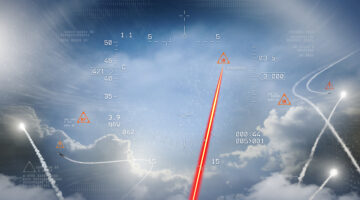
Threat warning and survivability in the modern battlespace
Protecting warfighters requires fast, accurate, and dependable systems that work flawlessly to military standards.

Protecting warfighters requires fast, accurate, and dependable systems that work flawlessly to military standards.
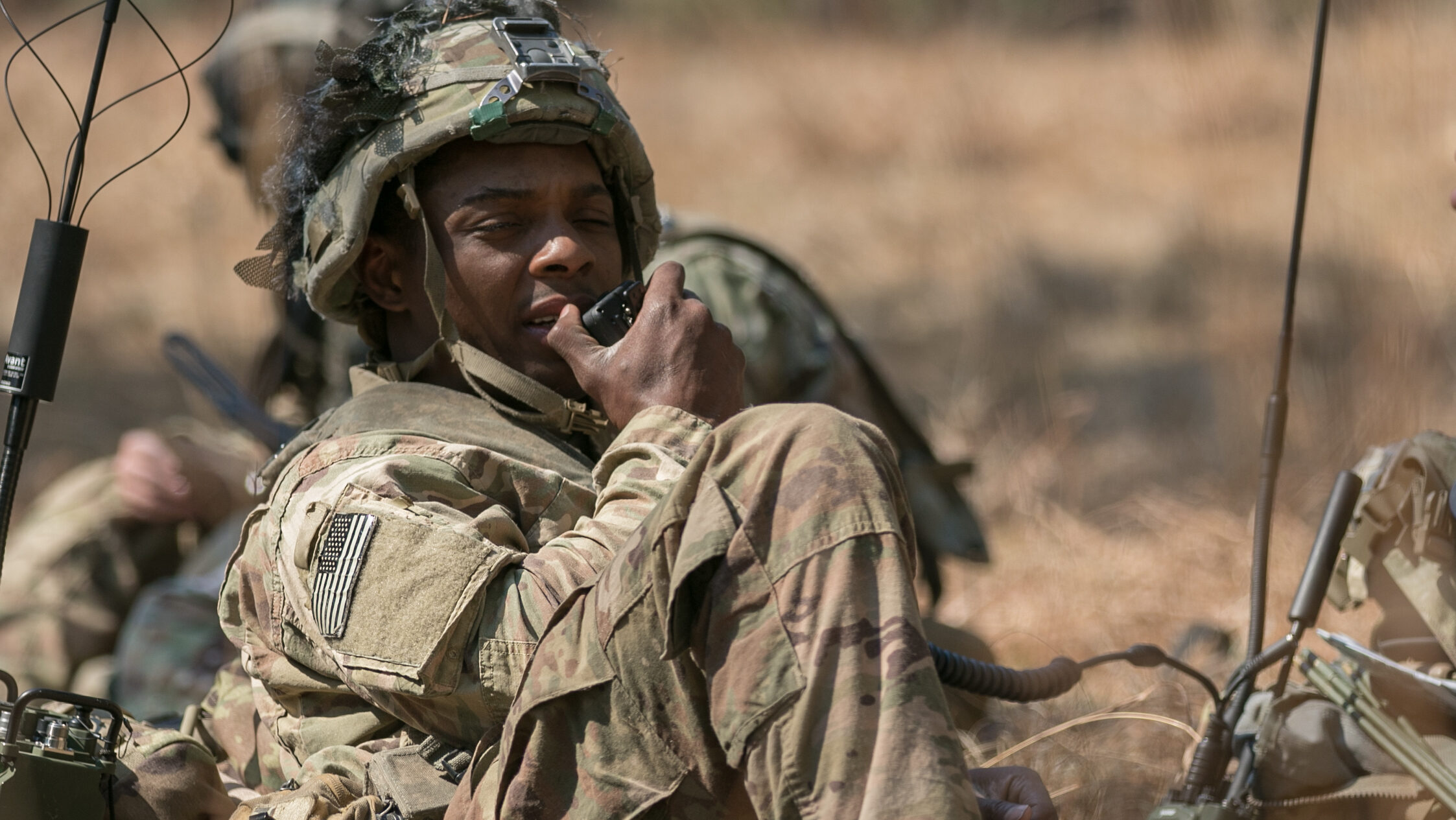
“The intent behind this is to provide for a deployed soldier an enhanced capability so that they can easily provide an RF [radio frequency] waveform and provide some of that reprogramming at the edge," Eric Bowes, the program officer of ARAT, told Breaking Defense.


On today’s battlefield, mobility isn’t optional - it’s mission-critical.

Following a decision by Swedish political leadership in 2019 to improve the country’s military capabilities, weapons procurement has surged, said Brig. Gen. Lars Helmrich.

“We feel like this acquisition moves us in some certain sub-elements of offensive cyber about 18 months forward on what we would have been able to do with our organic investment,” President of Leidos National Security Sector Roy Stevens told Breaking Defense.

“NATO relies heavily on US EW capabilities,” said Bas Nieuwenhuijse, chair of the NATO maritime EW organization. “This is a luxury we can and may no longer [be able to] rely on."


Today's battlefield is fraught with complex threats like drones and missiles. IAI ELTA's Scorpius technology offers unmatched detection and jamming, ensuring electromagnetic superiority.

Partnerships with outside industry are a cornerstone of the kingdom’s ambitious growth strategy.


The creator of the world’s most mission-versatile sUAS, the C100, is now revolutionizing small drones from a first-person view.

In light of unprecedented changes in conflict, to the extent that “we have never seen things before like you see now,” Nico Scharfe, Plath managing director urged industry and military decisionmakers to “change faster” and find a “new chain” of “intelligence and acquisition possibilities.”

Gainey noted that the MOS 40D mission area will include operating the service's expanding ground-based electronic warfare arsenal for disrupting adversary space and counterspace systems.


AUKUS Pillar 2 is driving supply chain innovation and resiliency for non-submarine technologies that are key to the three-way industrial partnership.

Balancing security and access to data are critical to providing users with trustworthy, reliable data for real-time decisions.
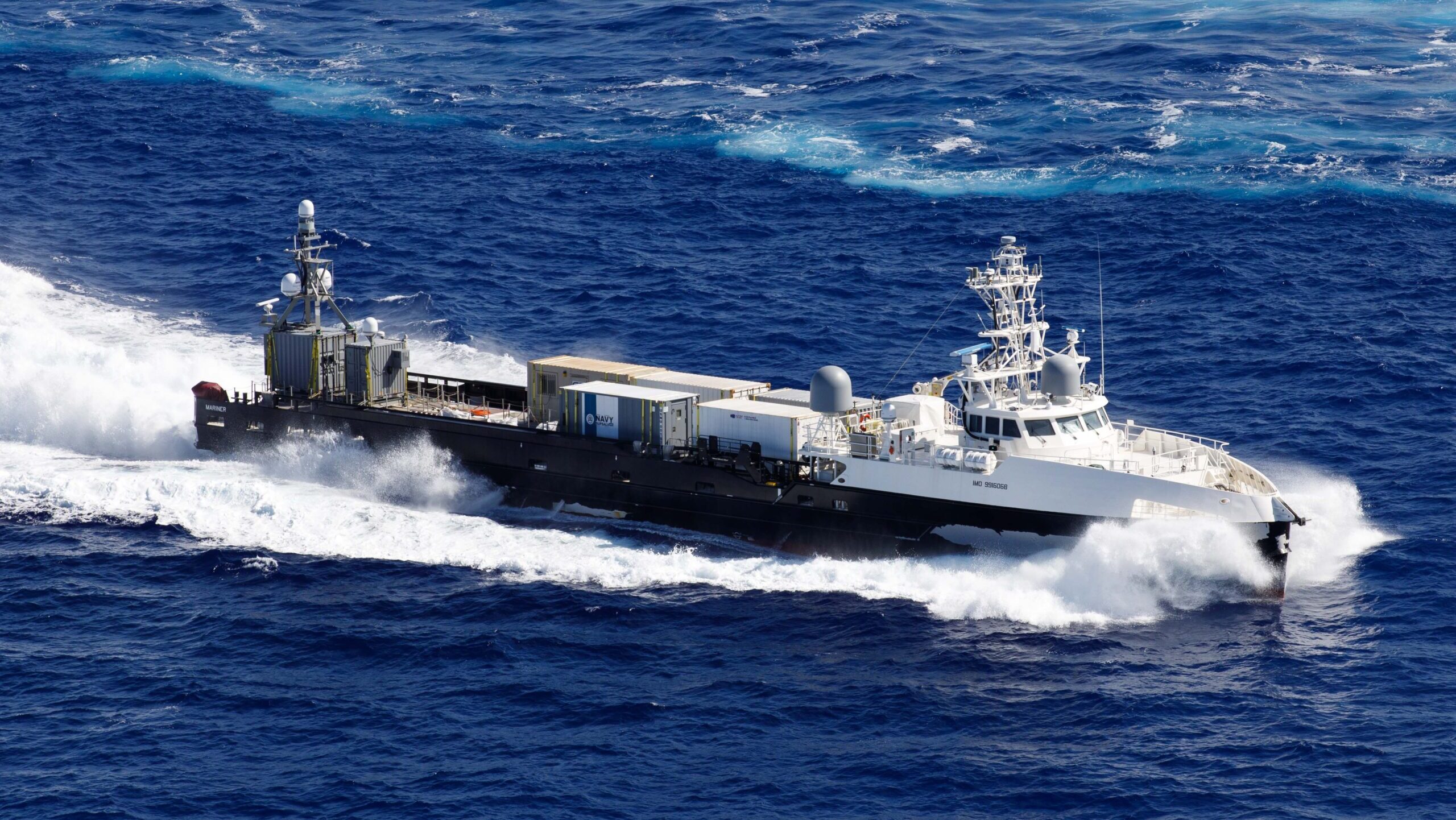
The Navy should drop manned aircraft and pivot the majority of surface vessels to drones, argues John Ferrari of AEI.

In this Breaking Defense webinar discover how DoD supply chain leaders collaborate with industry and international partners to meet demands and streamline delivery efforts.
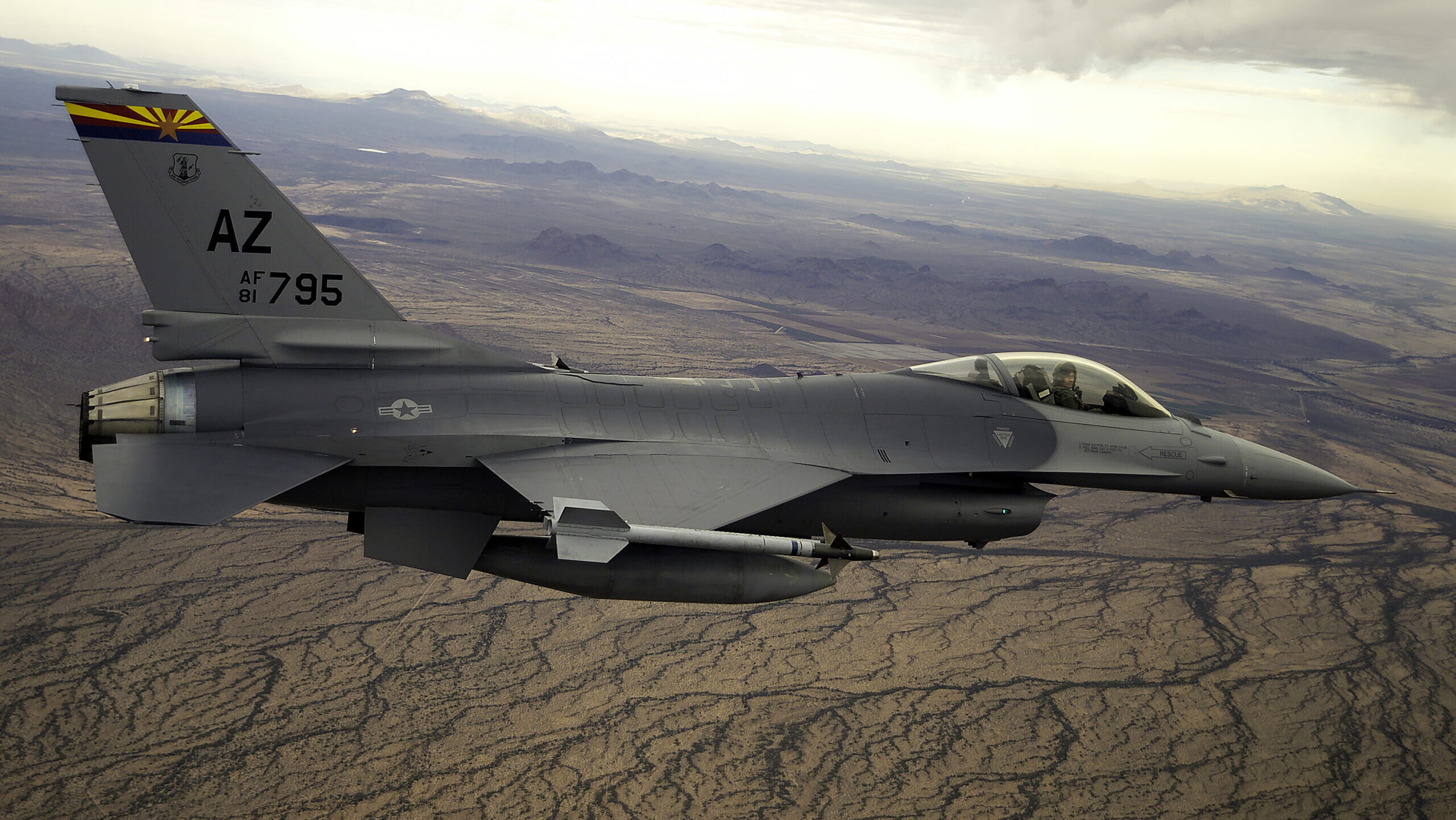
The upgrade allows existing radar warning receivers to analyze unfamiliar signals in real time — fast enough to warn the pilot if it’s an enemy radar locking on. “It could go on any kind of F-16” or a wide range of other aircraft, Raytheon Vice President Michael Baladjanian told Breaking Defense.


With electromagnetic warfare evolving at an unprecedented pace, the smallest details can make the biggest impact—discover how material science innovations are shaping the future of EMSO and ensuring mission success.