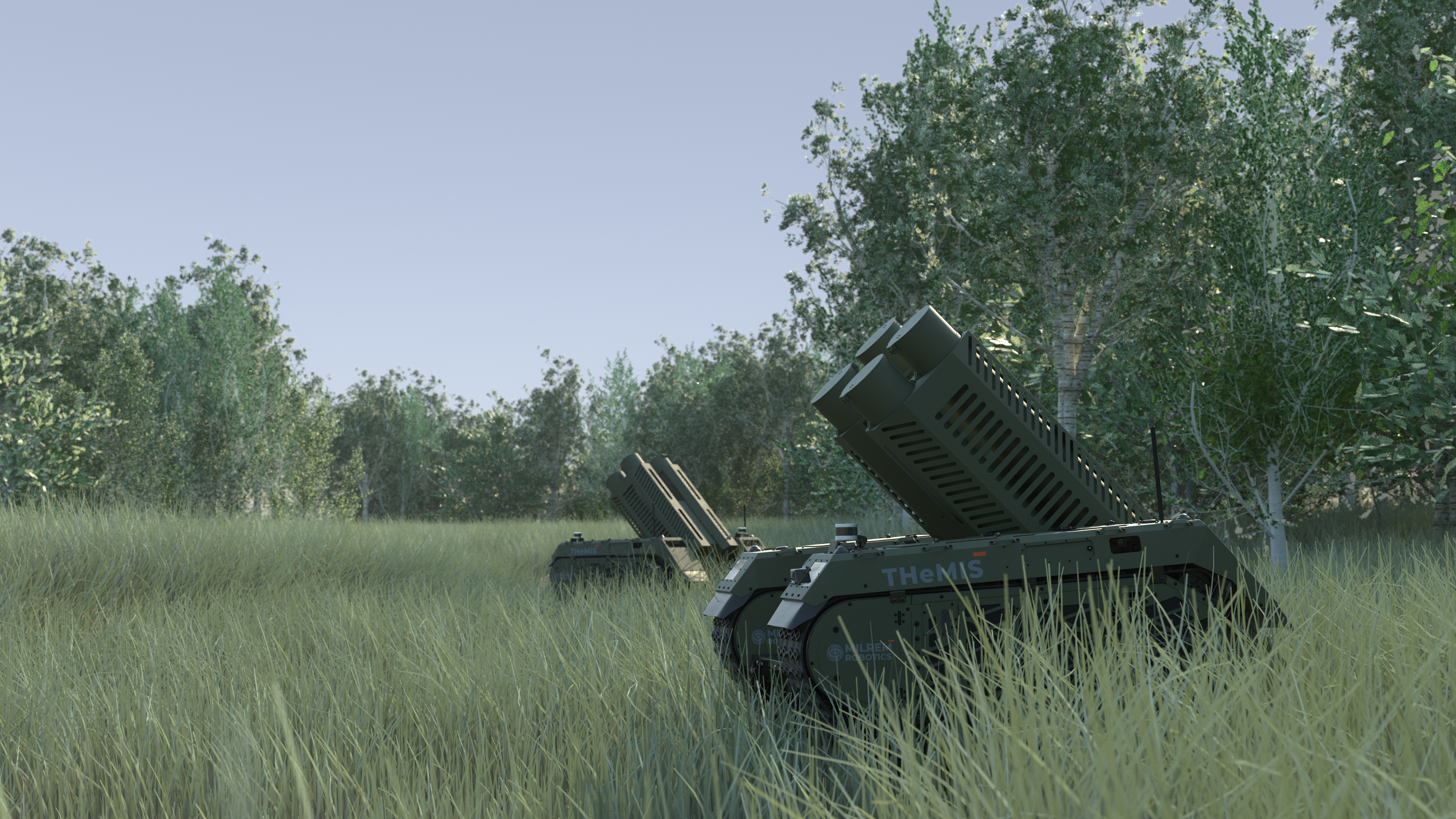
Estonia accuses Russia of ordering August arson attack on Milrem
Despite Russia’s ongoing “reckless campaign of hostile actions,” it is “failing to undermine our unity and support for Ukraine,” NATO Secretary General Mark Rutte said today.
Despite Russia’s ongoing “reckless campaign of hostile actions,” it is “failing to undermine our unity and support for Ukraine,” NATO Secretary General Mark Rutte said today.
The companies did not disclose which military the teaming effort is for.


Architecture that linked sensors, C2, RF effects, and lasers into a distributed c-UAS kill chain.
Hanno Pevkur said on Estonian TV that while he wasn’t personally responsible for the contracts in question, “a leader must have both the courage and stature to take responsibility.”
“It is critically important for us in this time, a time of not living in peace time ... that both in words and deeds to not make any steps to create an image that would indicate to Moscow or Beijing that NATO is not united or focused on deterring threats growing on our borders,” Marko Mihkelson told Breaking Defense.
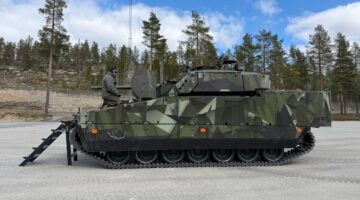
“The effect is marginal. I think the other customers will get vehicles earlier,” Tommy Gustafsson-Rask, general manager of BAE Systems Hägglunds, said during a media visit to its Ornskoldsvik site.
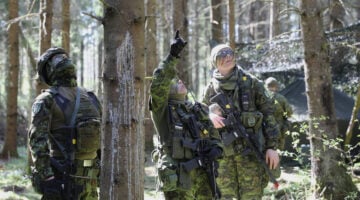
Defense Minister Hanno said that, given the diminishing battlefield utility of heavy equipment, it is not “reasonable to replace” CV90s over the next decade.

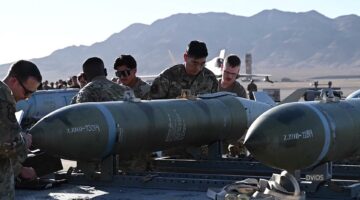
Threats have changed the range, seeking and attack capabilities necessary to ensure effectiveness.
Estonian defense firms are projected to see $842 million in sales revenue in 2025, according to figures exclusively shared with Breaking Defense, representing a 347 percent growth since 2021.

"We are ready to step into the supply line … to fill some of the gaps that Hägglunds has," Hanno Pevkur, Estonia's defense minister, told Breaking Defense.

The two nations are exploring closer cooperation, Siim Sukles told Breaking Defense, "because when it comes to procurement, it's a global market."

“Detection — especially detection on the low altitudes — this is the most difficult part and when you add to the drones, the low flying cruise missiles, then the detection is really a challenge,” Estonia’s Minister of Defence Hanno Pevkur told Breaking Defense.

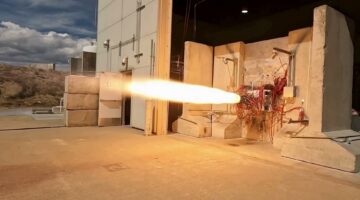
Demand signals from leadership are shaping investments in design, engineering and manufacturing.

“This is why we are looking for additional systems for the deep strikes: It's not only HIMARS and it's not only Chunmoo,” said Estonian Minister of Defence Hanno Pevkur.
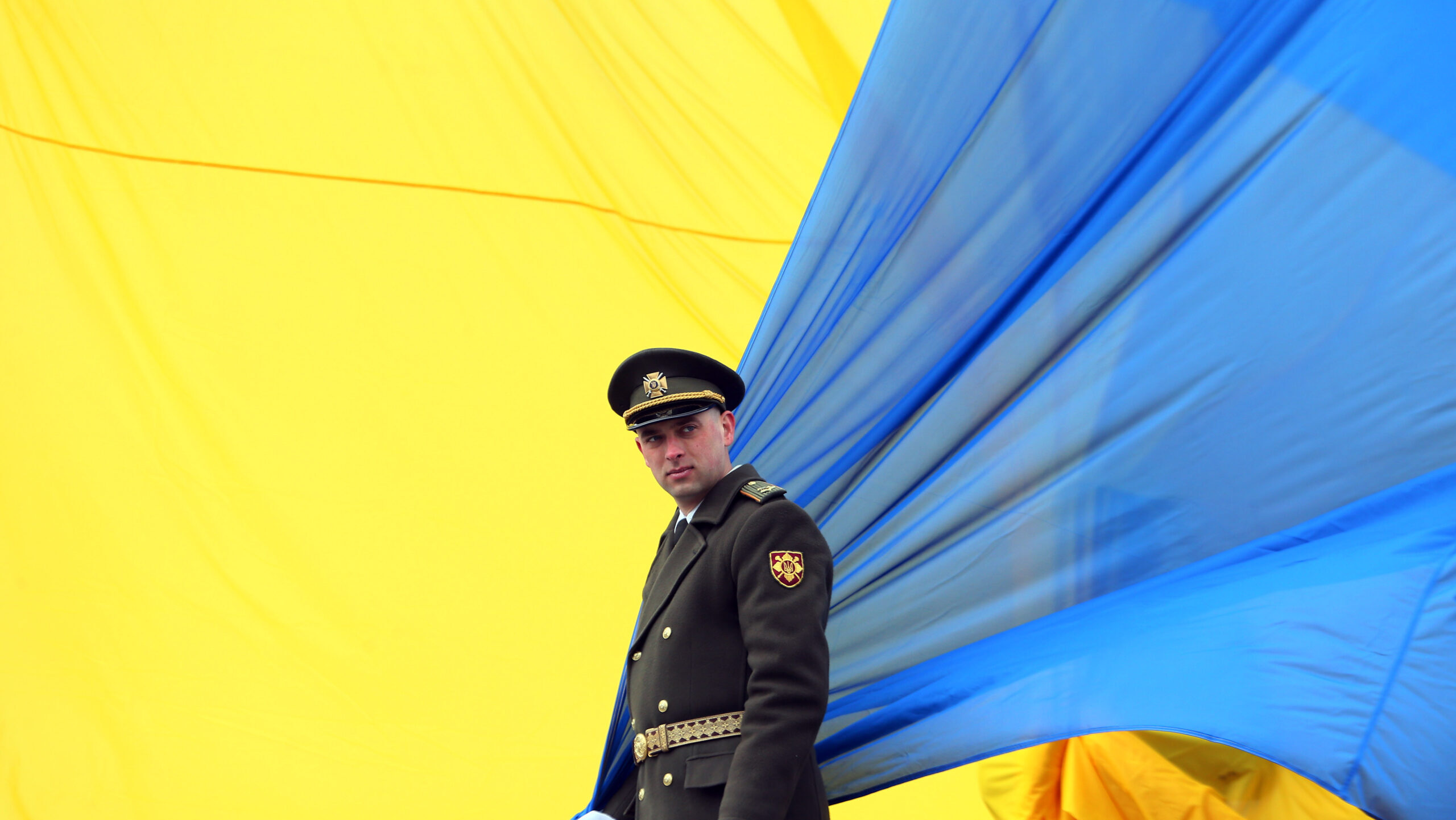
Senators said Secretary of State Marco Rubio told them the proposal didn't come from US officials, but Rubio later said it was indeed American "authored."

"It is necessary to increase Estonia’s deep-strike capability with additional rocket launchers,” Estonia Minister of Defence Hanno Pevkur said in a press release.
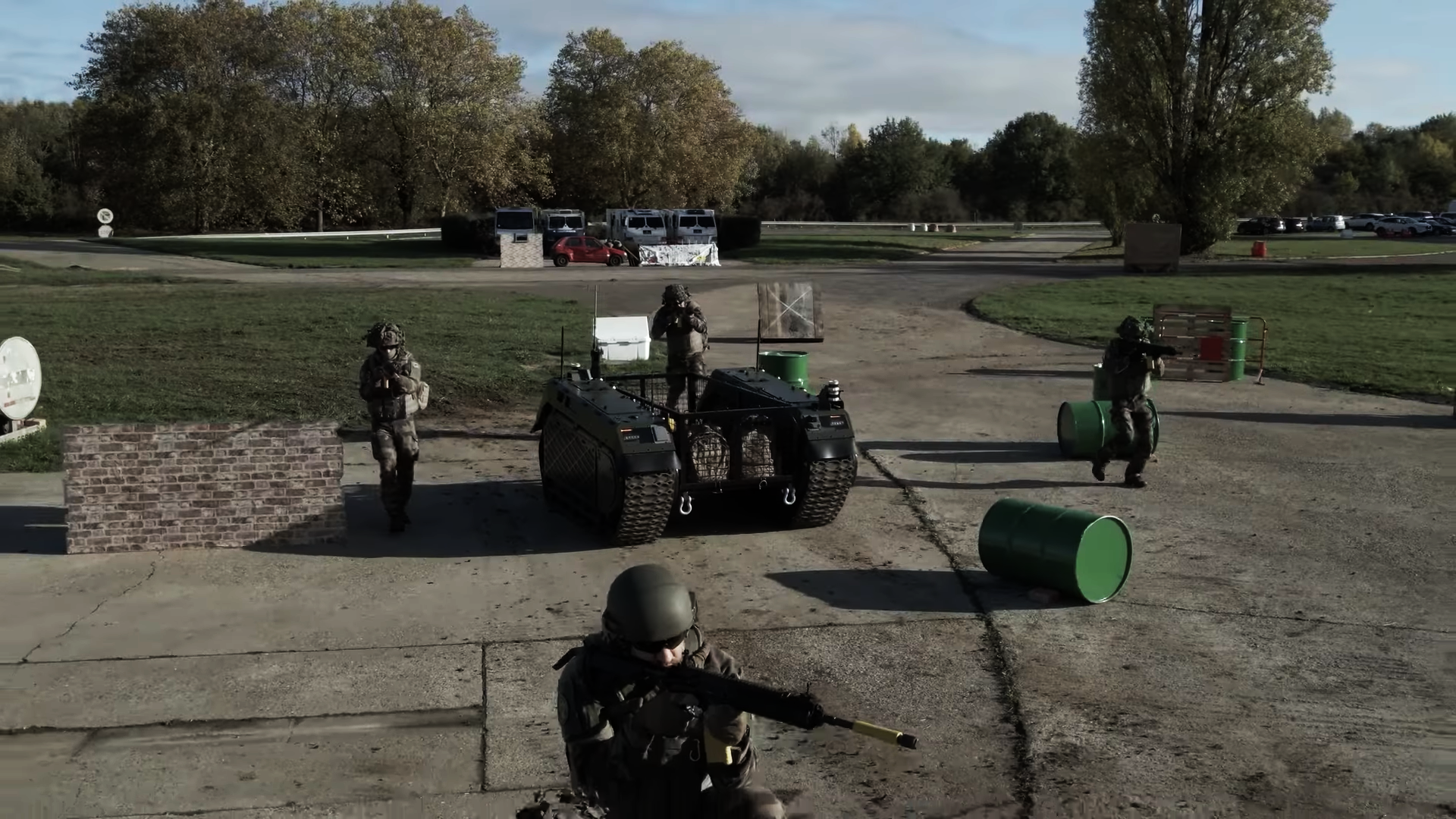
The UK-customized version will integrate Milrem’s THeMIS UGV with MSI's remote weapon station TERRAHAWK and Overwatch’s APEX unmanned aerial system, while Pearson will provide the integration of “mission-critical capabilities into armoured platforms.”