
Moving faster, sharing risk: How the Army wants to accelerate FLRAA helo program
The intent, Brig. Gen. David Phillips said, is not to “leave any rigor behind” but to focus on producing a “a safe, suitable, effective platform for the users.”
The intent, Brig. Gen. David Phillips said, is not to “leave any rigor behind” but to focus on producing a “a safe, suitable, effective platform for the users.”
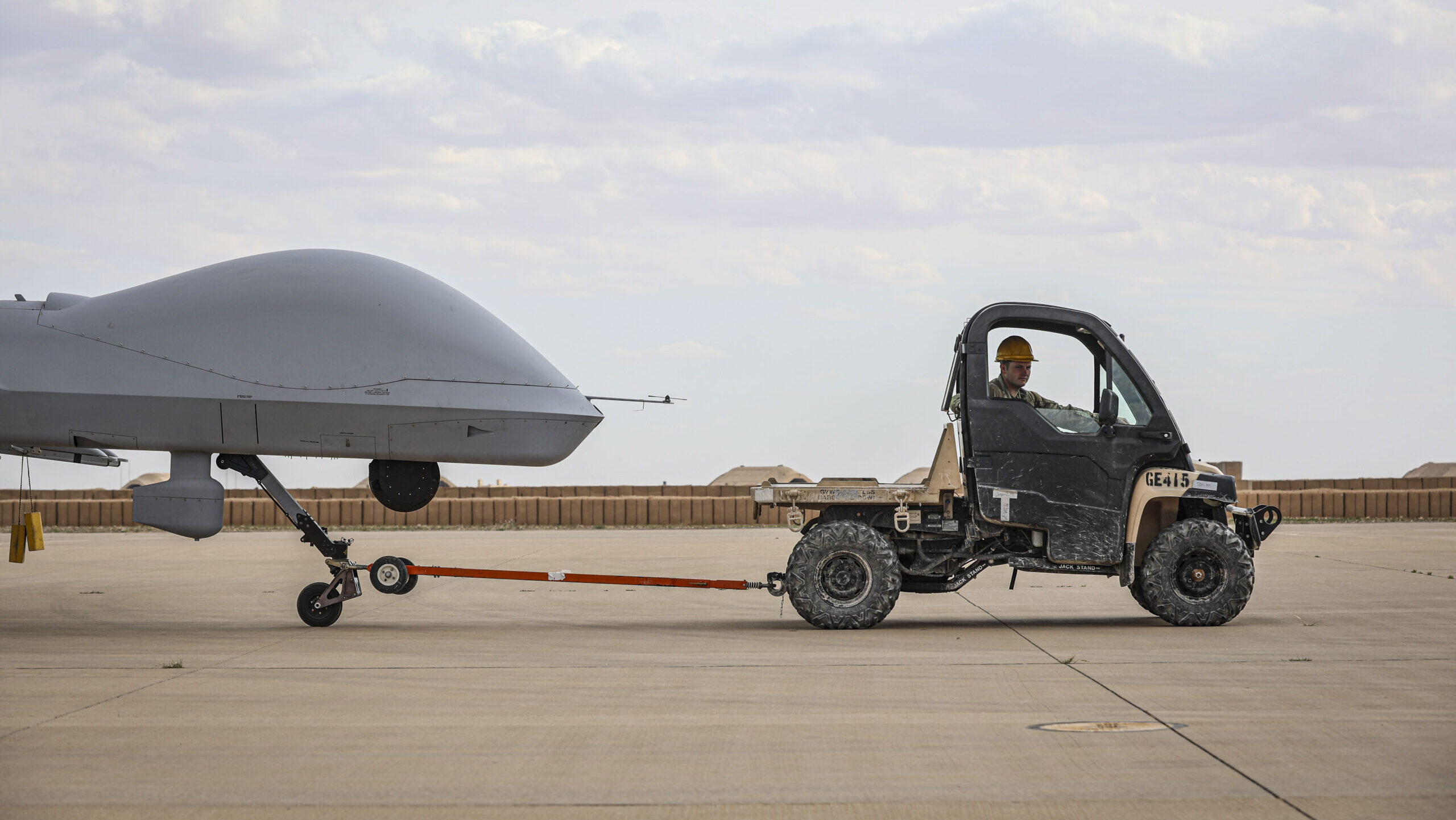
“A lot of the reasons that we're making decisions are because of political change. That's the reality of our governmental system," said Maj. Gen. Clair Gill. "And so we might be moving down a path for a couple years, and things change. The world changes. Wars happen.”

Government can’t stop to update systems, so modernization has to happen without interruptions.
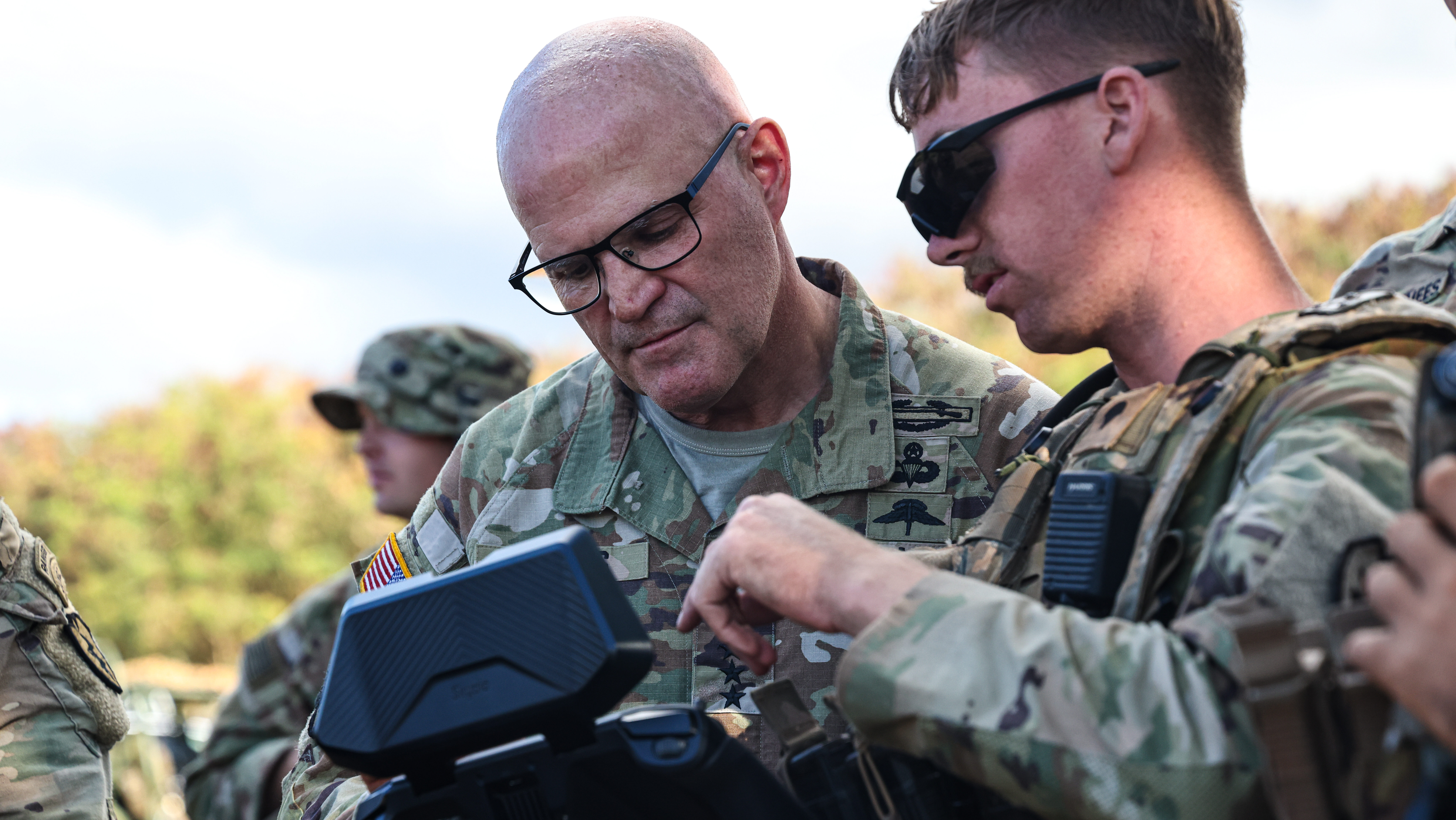
Soldiers with the 101st Airborne Division will be the first to receive FLRAA, said Gen. James Mingus.

"The Army’s program managers for FLRAA and Aviation looked at PEO-RW’s engineering analysis and considered the weight trades before adding a little bit of weight to the baseline of that aircraft,” A PEO-RW official said.
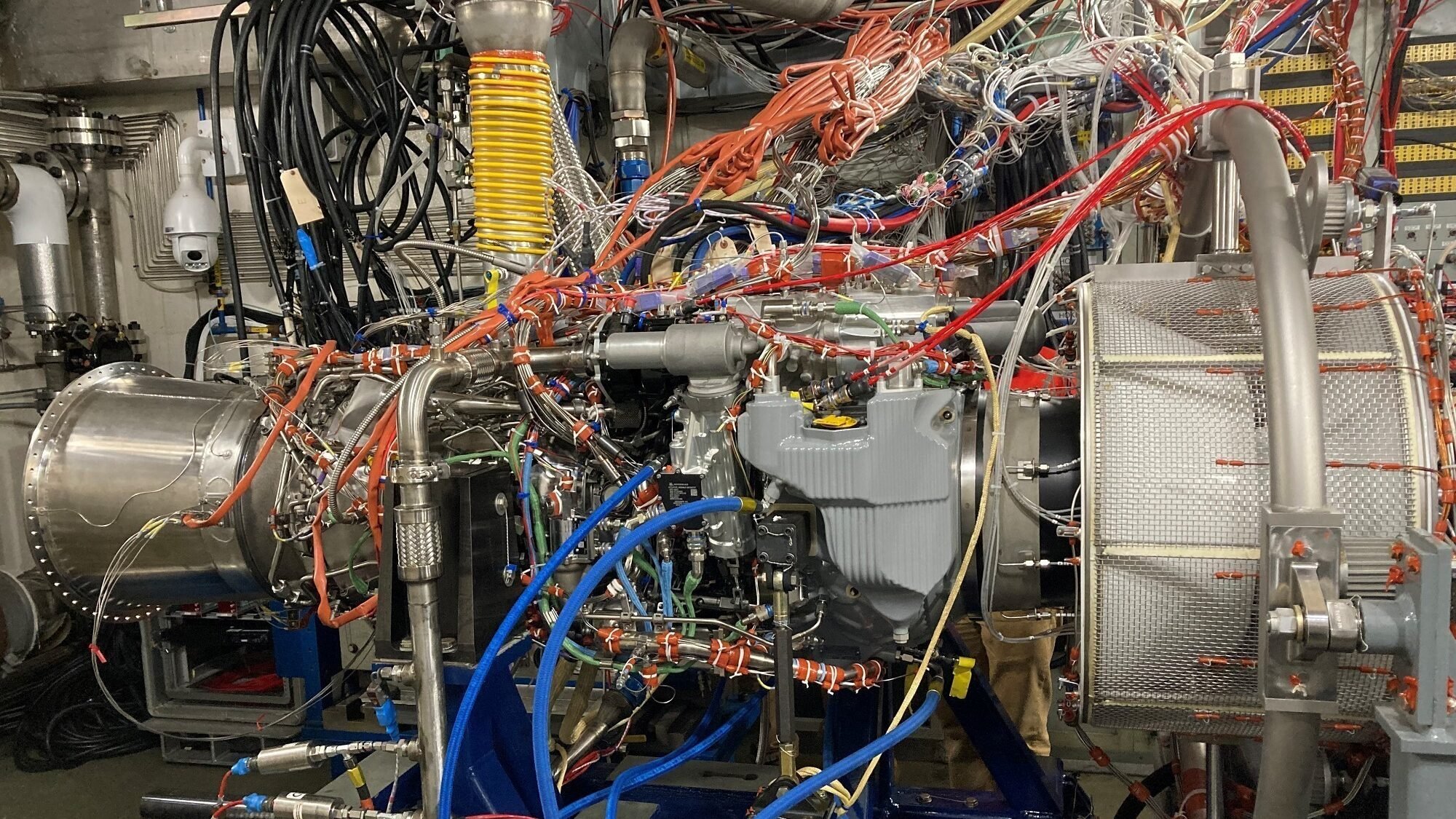
“We're ceasing investment and procurement into those two programs as part of the army transformation initiative so we can free up those resources and reinvest them,” an Army spokesperson told Breaking Defense today.
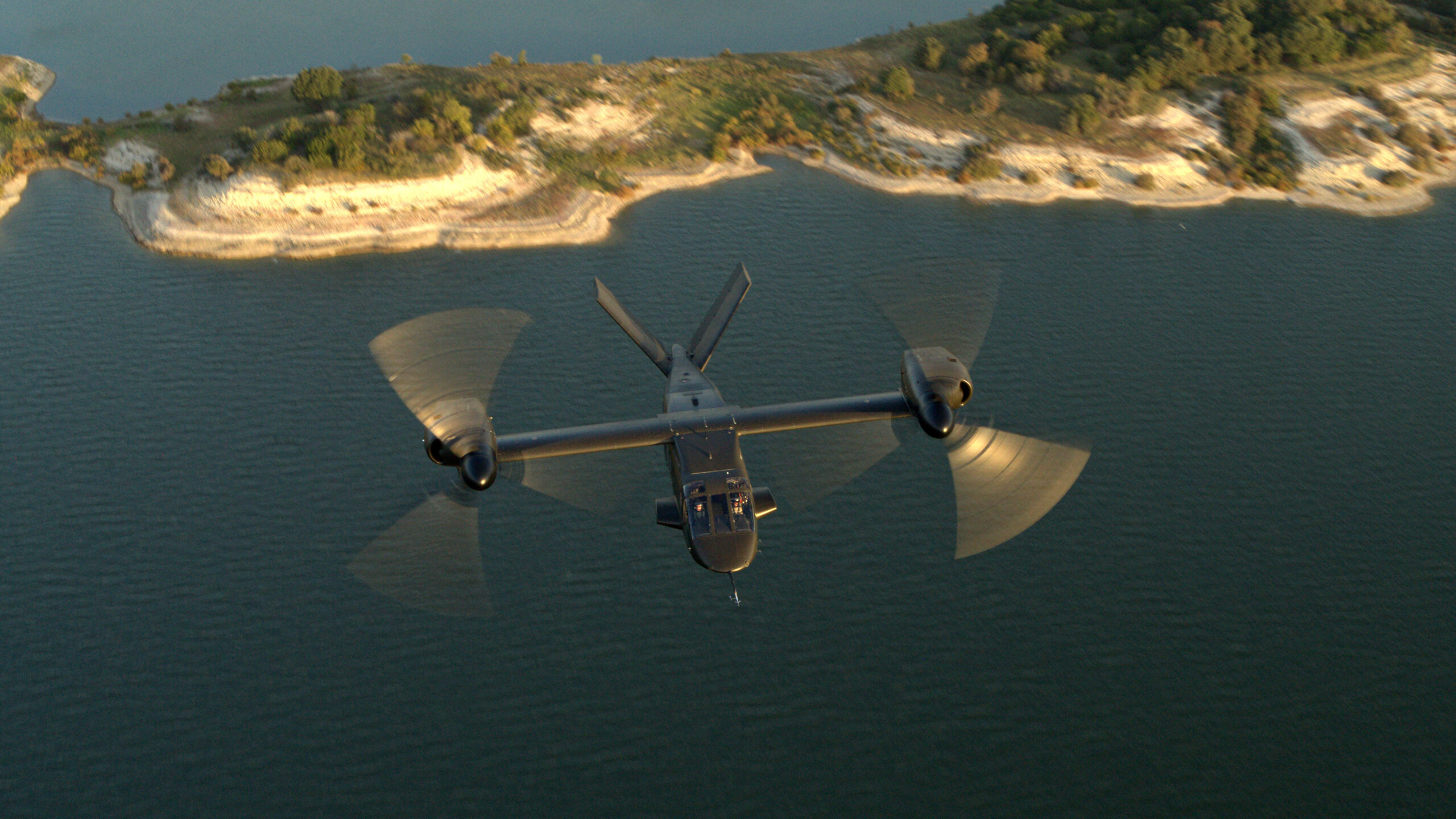
“We are unwilling to make commitments that are [not], in our opinion, in the best interest of soldiers...,” Army Secretary Daniel Driscoll said of the fate of a new multi-year UH-60M procurement deal.

Do more with less: streamline workflows, reduce duplication, invest upfront to save long-term.
"All of these parochial interests and all of these lobbyists that crawl around this building and crawl around Congress, they have succeeded for far too long, and so the first thing is, we are going to start to cut the things we don't want or need," Army Secretary Daniel Driscoll told reporters.

MOSA and the digital backbone give the Army a vendor-agnostic path to make aircraft system modifications from the outset of Future Vertical Lift.

An on-the-ground look at the 2025 Avalon Air Show in Australia.

Army aviation is introducing a tiltrotor to its fleet, creating defense industrial base challenges and opportunities.

As threats rapidly evolve, digital engineering, manufacturing capacity and robust supply chains are critical to meeting challenges.

The program manager for the Future Long Range Attack Aircraft breaks down what the supply chain needs to be doing now for production.
FLRAA is a clean-sheet weapon system that will leverage the latest in manufacturing technology and digital engineering.

Bell Textron has "a lot of experience with composite fuselages, and so they're going to use their experience to potentially design it ... more modular,” Brig. Gen. David Phillips told Breaking Defense.

"The Army still has a lot of work to do," Christine Wormuth said in an interview with Breaking Defense about her tenure, her priorities and those secretary of defense rumors.